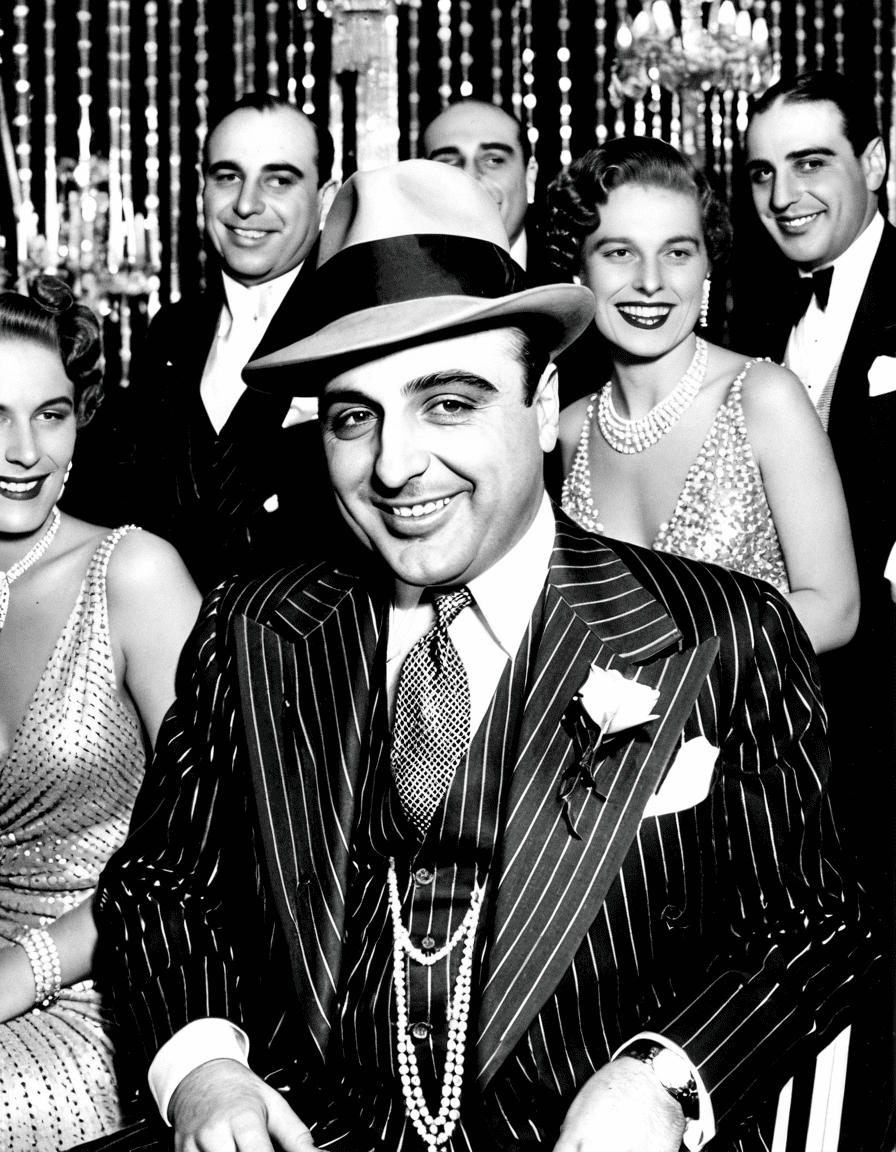
Al Capone, a name that sends shivers down the spine and raises eyebrows, was an infamous mob boss whose life has been a subject of fascination for decades. Born in Brooklyn, New York, in 1899 to Italian immigrants, Al Capone’s journey to notoriety was shaped in a world rife with poverty, crime, and cultural upheaval. Throughout his tumultuous life, Capone transformed from a petty criminal to the infamous leader of the Chicago Outfit during Prohibition. In this article, we’ll break down how Al Capone forged his legacy, the strategies he employed to dominate the underworld, and what we can learn from his rise and fall.
1. The Rise of Al Capone: From Childhood to Crime Boss
The early life of Al Capone wasn’t marked by privilege or luxury. He grew up in a poor neighborhood in Brooklyn, where he faced the harsh realities of life in early 20th-century America. Amidst these struggles, Capone’s formative years were a breeding ground for his criminal tendencies. Influenced by the street life, he started hanging out with gangs in his teens and quickly dipped his toes into petty crime. His connections with key figures, including Johnny Torrio, a powerful mobster in Chicago, set the stage for his eventual rise.
By the age of 26, Capone was making waves in the world of organized crime. When he moved to Chicago, he capitalized on the chaos of the Prohibition era, which restricted alcohol sales and opened the door for illegal bootlegging. With a knack for hustling and street smarts, he navigated the criminal underworld, mixing charm and intimidation. It’s these early experiences that transformed the young gangster into one of the most feared crime bosses in history.
Capone’s ability to bend the laws and his charm helped him maintain a loyal following. He built a network of criminals who carried out his orders, and his ascent to power was relentless. However, he wasn’t just a ruthless mobster; he was also competent at managing his public image, often portraying himself as a man of the people. This duality drove Al Capone’s rise and made him a lasting figure in American folklore.

2. The Top 5 Key Strategies That Defined Al Capone’s Criminal Empire
Al Capone didn’t become a crime boss by mere luck; he wielded a mix of cunning strategies that allowed him to dominate the Chicago underworld during the 1920s. Here are the top five strategies that played a vital role in his empire-building.
3. Al Capone’s Persona: The Influence of Al Pacino
The image of Al Capone has been shaped as much by media portrayals as by historical events. Al Pacino’s performance in “The Untouchables” (1987) is notably influential, presenting Capone as a charismatic yet ruthless figure. Pacino’s portrayal helped solidify Capone’s status as a pop culture icon and influenced how audiences perceive organized crime.
In this film, Pacino brought a unique blend of charm and menace to the character, showcasing Capone as a man who commanded respect and fear. His larger-than-life rendition of Al Capone offers a glamorized take on the mobster lifestyle, making it somewhat romanticized. However, this portrayal underscores a critical point—people often buy into narratives that blend entertainment with historical facts.
Pacino’s nuanced performance has left a lasting legacy, reinforcing the idea that historical figures can be seen through various lenses. By examining this portrayal, we can understand how media representations contribute to the myths surrounding figures like Al Capone and broaden our conversation concerning the consequences of organized crime.
4. The Decline and Fall: Legal Troubles and Imprisonment
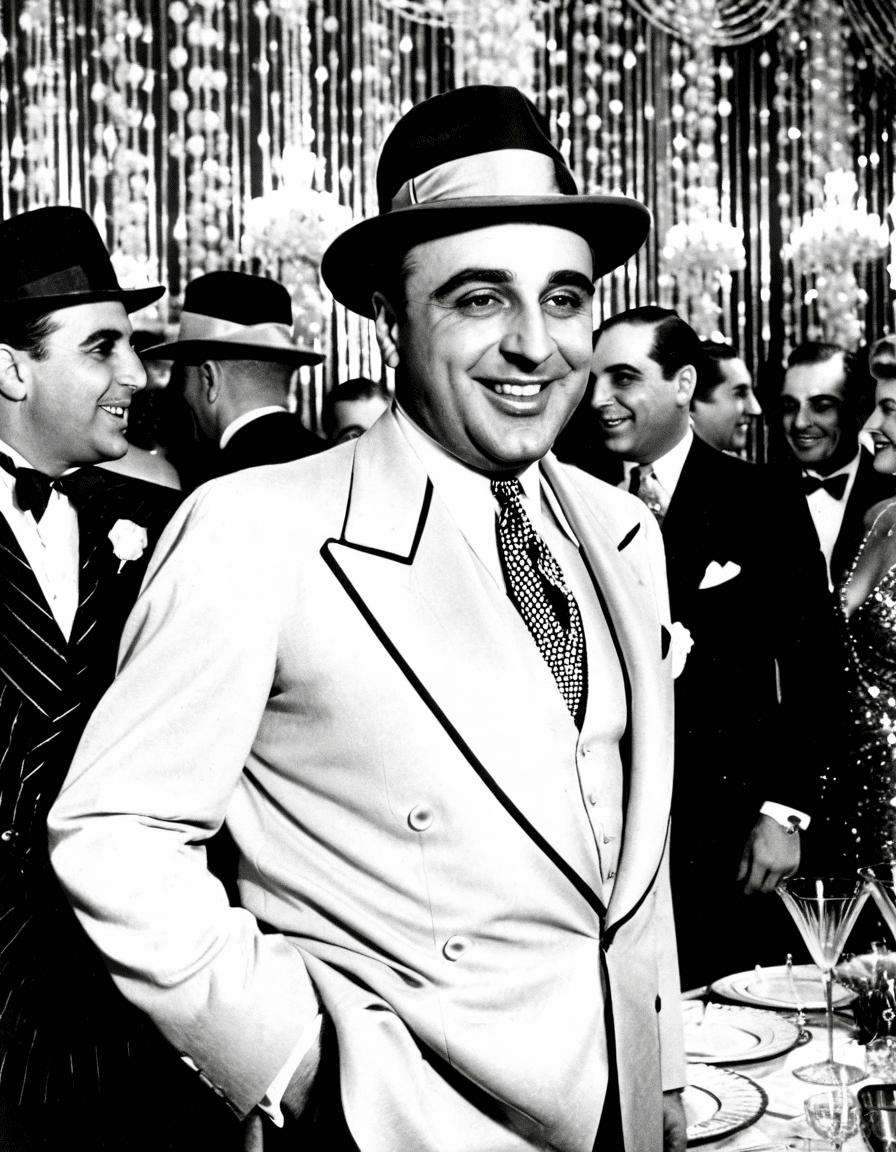
Despite his vast wealth and power, Capone’s reign came crashing down in the early 1930s. His downfall was largely due to law enforcement’s relentless pursuit, particularly from the Internal Revenue Service (IRS). The relentless pressure from the government finally resulted in his arrest for tax evasion in 1931.
The IRS was determined to bring him to justice, and through creative legal strategies, they managed to gather enough evidence to secure a conviction. Capone’s lavish lifestyle became his undoing, as the IRS unearthed a mountain of financial discrepancies. This downfall serves as an excellent reminder: the wheels of justice may turn slowly, but they often find their target.
Capone was sentenced to 11 years in federal prison and spent much of his time at the notorious Alcatraz. As the years went on, his health declined, and to the public’s surprise, the once-infamous mob boss faded into obscurity. His legal battles and eventual imprisonment marked a tragic end to a life that once radiated power.
5. Legacy of Al Capone: Myth vs. Reality
Al Capone’s legacy is a complicated tapestry woven from both myth and reality. On one hand, he has become a symbol of the Roaring Twenties, representing the glamour and excess associated with that era. On the other hand, his life serves as a cautionary tale about crime, corruption, and the darker side of the American Dream.
While contemporary depictions of organized crime often take inspiration from Capone, it’s essential to dissect the narratives built around him. Comparisons can be drawn between Capone and today’s crime figures, illustrating how his legacy resonates in our current discussions on crime and punishment. His story remains relevant as we confront modern issues, from drug cartels to street gangs, all echoing tactics reminiscent of Capone’s reign.
Capone’s myths continue to circulate through a myriad of books, documentaries, and films, igniting curiosity among audiences eager to learn more. Each new telling of his life adds another layer to his persona, crafting a legend that refuses to fade.
The Ongoing Impact: Al Capone’s Place in American History
As we revisit Al Capone’s story, we uncover deeper truths about American history. He represents a time when crime and corruption infiltrated society, leading to significant cultural shifts. His impact extends beyond the realm of organized crime; it touches on broader societal issues that persist today.
Al Capone remains a prominent figure, embodying the intricate dance between the allure and consequences of crime. His life story serves as a reminder that while crime may offer temporary thrills, it often leads to inevitable consequences. By examining his journey, we gain insight into the human psyche, the pursuit of power, and the struggles of individuals navigating the margins of society.
Understanding the legacy of Al Capone invites conversations about morality, law enforcement, and societal values. His life resonates through time, highlighting the fine line between ambition and corruption. The ongoing interest in Capone underscores our collective desire to comprehend the complexities of human behavior and societal structures that shape our understanding of justice.
In conclusion, Al Capone’s reign as a mob boss is mesmerizing, filled with lessons about ambition, power, and downfall. His story serves as a compelling reminder of what it means to seek greatness, and it compels us to think about our journeys. So, whether you’re hitting the gym to get shredded or pondering your place in this world, remember: the drive to achieve greatness often comes with a cost.
For more life lessons and historical insights that inspire your journey toward health and fitness, visit us at Chiseled Magazine.
Al Capone: The Infamous Mob Boss and His Legacy
A Glimpse into Capone’s Life
Al Capone, known as “Scarface,” ruled the Chicago underworld during Prohibition, crafting a reputation that’s both notorious and fascinating. Did you know he was born in Brooklyn, New York, to Italian immigrants? His rise to infamy began when he moved to Chicago, where he capitalized on the booming illegal alcohol trade. It’s a bit like the early signs of pregnancy, where subtle beginnings lead to significant changes. Similarly, Capone’s humble beginning flourished into a powerful criminal empire, making him a household name even today. His life inspires countless films, much like the movies and TV shows featuring stars like Lily Rose Depp, showcasing characters drawn from the grit of Capone’s world.
Capone’s Influence and Structure
Capone didn’t just run the mob; he ran a business with a systematic approach that rivals any legitimate corporation. With enforcers to manage “protection” and a taste for lavish living, he attracted attention. His know-how in maintaining lifestyle and power is akin to the intricate storytelling found in Agatha’s Coven of Chaos ensemble, where characters are wrapped up in layers of intrigue and maneuvering. Even his charitable gestures, like donating to soup kitchens, painted a complex picture of a man often celebrated for his ruthlessness yet occasionally showing humanity.
A Legacy That Endures
The legacy of Al Capone isn’t just about crime; it’s about the impact on culture, law enforcement, and media portrayal of gangsters. Fascinated people flock to places like Amc Empire 25, where movies depicting mob life draw crowds. His life and exploits often resemble mythical tales, much like the stories surrounding Cthulhu. Beyond films, Capone’s story continues to inspire various genres, making him a character study of both fear and admiration. His life serves as a cautionary tale, showcasing the allure and consequences of power—a balance many navigate today, just like actors in the industry such as Karla Souza or Vedang Raina, who balance fame with privacy while sidestepping the sensationalism often surrounding them.
In conclusion, while Al Capone’s underworld reign created a brand of organized crime that still intrigues, his story is much more than just mobster glamour. It invites reflection on morality, power, and the indelible mark one life can leave on society.