The Allure of American Horror Stories: A Cultural Examination
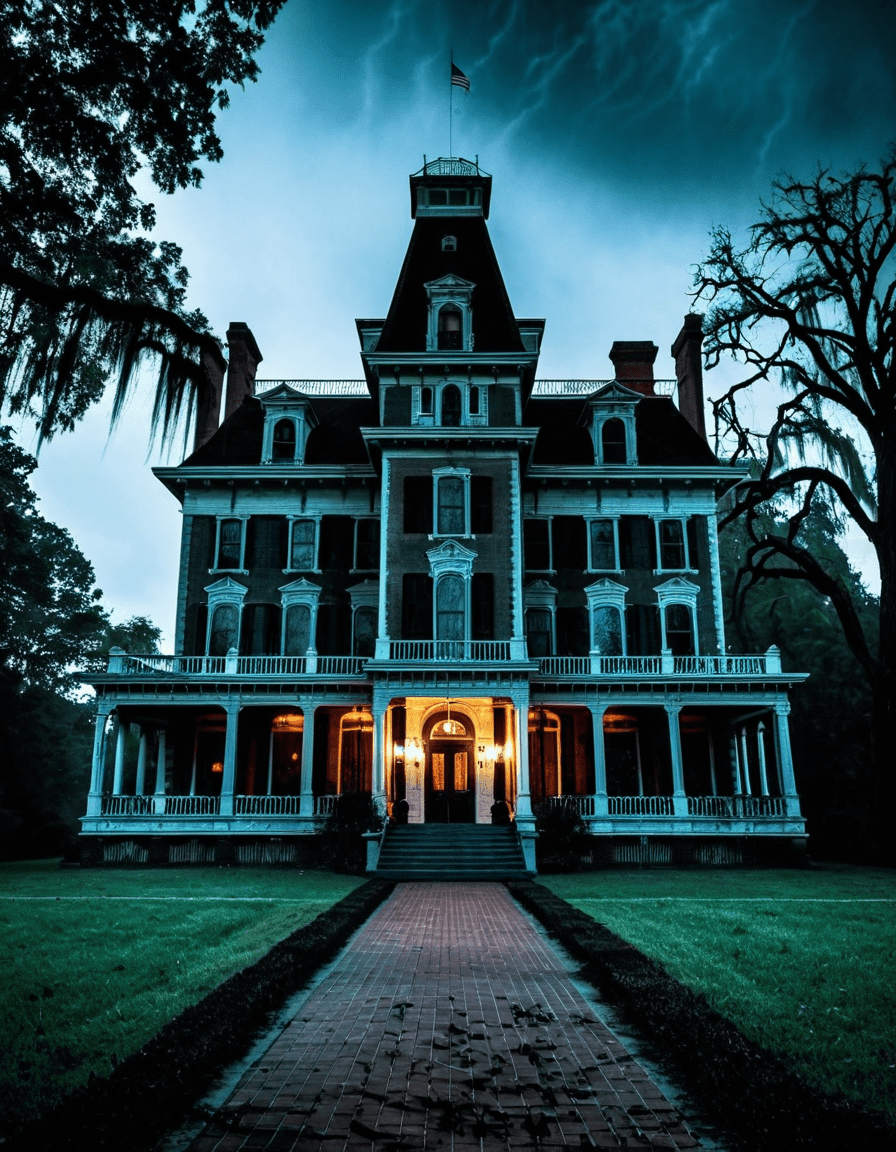
American horror stories have a magnetic pull on audiences, weaving together cultural fears with gripping historical narratives and reinvented folklore. Take shows like American Horror Story for instance; with over a decade’s worth of spine-chilling seasons, it serves up not just scares, but insights too. These narratives don’t just make us jump; they tap into core American anxieties around race, identity, and the darker sides of our humanity. It’s this blend of psychological suspense and social commentary that makes these stories so compelling and downright addictive.
As we dig deeper, we uncover that horror acts as a mirror, reflecting our societal issues back at us. The uneasy feeling we get when watching these tales isn’t just for drama’s sake—it’s an invitation to confront the bits of us we often prefer to ignore. The fears portrayed resonate with viewers, allowing them to explore themes of trauma, societal norms, and identity without stepping outside their comfort zones. It’s fascinating to think how horror can be so thrilling yet deeply thought-provoking, stirring up emotions that lie beneath the surface.
These American horror stories speak to universal truths experienced through generations. They become a sort of historical text, showing us how fears evolve and transform with society. Narrative structures seen in the American Horror Story series provoke us to think deeply about the human condition, making them not just a form of entertainment but a pathway to understanding ourselves and our society better.

Top 7 Most Haunting American Horror Story Seasons
Kicking off with Murder House, we dive into the Harmon family and their new home, steeped in the tragic spirits of those who came before. The layers of trauma and infidelity resonated deeply, reminding us how personal struggles can haunt us in our own lives. Each character is enriched with backstories that raise serious ethical questions about the nature of haunting.
Chillingly set within a mental institution, Asylum confronts us with harsh realities surrounding psychiatric care, sexuality, and the definition of monstrosity. Characters like Sister Jude Martin (Jessica Lange) and Kit Walker (Evan Peters) leave audiences reeling, tackling societal perceptions of sanity head-on. It’s more than just a horror story; it’s a cultural critique that examines how we view mental health.
Coven gives a fresh spin to witchcraft, exploring power dynamics and women’s struggles throughout history. Characters like Fiona Goode (Jessica Lange) represent the complexities of female empowerment, linking historical gender issues with supernatural elements. This season isn’t just about spells; it connects ongoing dialogues about feminism with a touch of dark magic.
In a poignant setting, Freak Show features performers of the 1950s bravely confronting societal exclusion. The series challenges the traditional portrayal of ‘freaks’, humanizing those often marginalized for their differences. What’s scary isn’t just the horror but the reflection of real-life struggles faced by those who don’t fit the mold, pushing us to think about acceptance and empathy.
Drawing inspiration from the infamous Hotel Cecil, Hotel gets into the murky depths of addiction and morality. Lady Gaga’s performance as The Countess captivates, while Kathy Bates as Iris adds layers of emotion, showcasing decay in the glamorous world of fame. This season creatively examines how excess and addiction can corrupt the soul.
A true innovation, Roanoke brings reality TV into horror, serving up a meta-narrative that critiques our obsession with sensationalized horror stories. By mixing reality and fiction, it focuses on how stories shape our perceptions of the past. This daring approach makes us confront the commodification of trauma and how society deals with its fears, amplifying their relevance.
Featuring two contrasting parts, Double Feature explores the tug-of-war between humanity and extraterrestrial beings. Not just a sci-fi twist, it pushes us to confront our anxieties about the unknown. As viewers, we’re invited to reflect on moral dilemmas and the essence of human relationships amid our ever-changing environment.
The Impact of American Horror Story Cast on the Narrative
The American Horror Story cast plays a phenomenal role in shaping the stories we love. Talents like Jessica Lange, Sarah Paulson, and Evan Peters have now become synonymous with certain seasons, bringing depth and passion to their roles. Lange’s characters often showcase a rich blend of vulnerability and strength, turning memorable lines into iconic moments that stick with us long after the credits roll.
Moreover, the versatility of these actors keeps things interesting. Each time they return in different roles, they provide us with a new layer of intrigue to explore. This fluidity highlights our obsession with identity—an everlasting theme in horror. Watching these incredible talents shift from role to role not only enhances the storytelling but also showcases their vast range, allowing viewers to appreciate their craft even more.
The dynamic between these actors and the narratives they inhabit fuels the essence of American horror stories. As they embody complex characters, we find ourselves drawn deeper into the tales unfolding on screen. By offering a lens through which to examine our fears and society, the cast becomes an integral part of the overall haunting experience.
Psychological Underpinnings: What Makes American Horror Stories Tick?
At its core, American horror stories tap into the intricate layers of fear that we all deal with. Psychology experts suggest horror provides a cathartic mechanism, allowing us to face our deepest anxieties in a controlled way. Themes of historical atrocities, personal demons, and societal pressures in American Horror Story encourage viewers to reflect on their realities while providing a tempting escape.
Shock tactics combined with emotional story arcs allow these tales to effectively address pressing societal issues. Audiences are not just entertained through gruesome scenes—they’re urged to explore the very nature of being haunted. Whether by decisions we’ve made, societal expectations, or historical errors, these stories stay with us, sparking meaningful conversations.
It’s this relationship between fear and catharsis that fuels the popularity of American horror stories, ensuring they remain relevant and compelling. With each narrative, we peer into the corners of our psyche, facing what lies beneath. The thrill of the unknown isn’t just about scares; it’s a mirror reflecting back our own fears and challenges.
Embracing the Fear: The Enduring Legacy of American Horror Stories
As we venture further into the 21st century, the influence of American horror stories continues to shift and grow with society’s changes. These narratives stand as powerful reminders of our shared human experience, showcasing extraordinary fears and anxieties from different eras. Through the layers of horror, we find parallels to our realities—resonating truths wrapped up in thrilling plots.
Even as the landscape of horror evolves, the themes of identity, oppression, and inner demons remain timeless. Each decade brings new fears, yet the chase to understand these universal truths binds us all. Since the inception of American horror stories, they have persistently challenged how we view not only ourselves but also the world around us.
As we prepare to dive into fresh tales of terror, it’s undeniable that American horror stories will continue to haunt us, igniting curiosity and evoking emotions that deeply resonate. From their captivating narratives to their complex characters, these tales remind us of our fears, our histories, and ultimately—our humanity.
So, whether you’re excited for the next season or reminiscing over the classics, embrace the fear. After all, when we confront our horrors, we just might find the strength to unleash our potential—both in fitness and life. Remember to stand strong, keep pushing, and face those fears head-on!
American Horror Stories: Trivia That Haunts and Intrigues Us
Unraveling the Mystique of American Horror Stories
American horror stories aren’t just about spine-chilling tales; they carry rich histories and cultural significance that can captivate anyone. For example, did you know that Hot Springs, Virginia, often features in folklore surrounding ghost sightings? This quaint little town, known for its beautiful landscapes and luxurious spas, has its share of chilling legends that draw thrill-seekers from all around. Walking through its eerie corridors, you might even get a taste of the ghost stories swirling through its past, adding to its allure.
Speaking of captivating, let’s shift our focus to the intriguing figures who bring these stories to life. Actress Hannah Einbinder, among others, has deftly moved between humor and horror, showcasing how versatile talent can shade bright narratives. In fact, some American horror stories weave in dark humor, leaving audiences both terrified and amused. The balance of laughter and fear is reminiscent of how “The Twilight Zone played with unexpected twists, pushing boundaries and leaving viewers questioning reality.
Cultural References and Impact
Music also ties deeply into the fabric of American horror stories. Take Mazzy Star, for instance; their haunting melodies often evoke a nostalgic eeriness, making them a perfect soundtrack for horror films. Think about how sound plays a role in creating atmosphere—an aspect vital for any chilling story. Transitioning from the realm of sound, we can see that the visuals also matter, particularly with animated features like “Spider-Man: Into the Spider-Verse. That film not only broke new ground in style but also captured essential narrative elements that resonate with horror themes—layered character arcs and emotional depth.
Moreover, American horror stories influence and inspire other genres. Series like For All Mankind explore how science fiction intersects with fear, drawing parallels between humanity’s advances and their potential consequences. Just as Jackson Wang has made headlines in music, artists in horror are continually reinventing ways to chill us to the bone. Fans in the fandoms know all too well how stories evolve, becoming interconnected, much like the Spider-Man universe—especially in “Spider-Man: Across the Spider-Verse, where multiple realities converge to tell a larger tale.
In conclusion, American horror stories are rich tapestries woven with history, talent, and cultural references. With influences that stretch from music to groundbreaking animation, these tales have the power to haunt and intrigue us long after the story ends. The dynamic interplay of elements in these narratives keeps the thrill alive and continues to shape our understanding of what horror truly is, making us eager for more. So, whether you’re revisiting classic tales or discovering new ones through Pelispedia, you’re in for a spine-tingling journey!