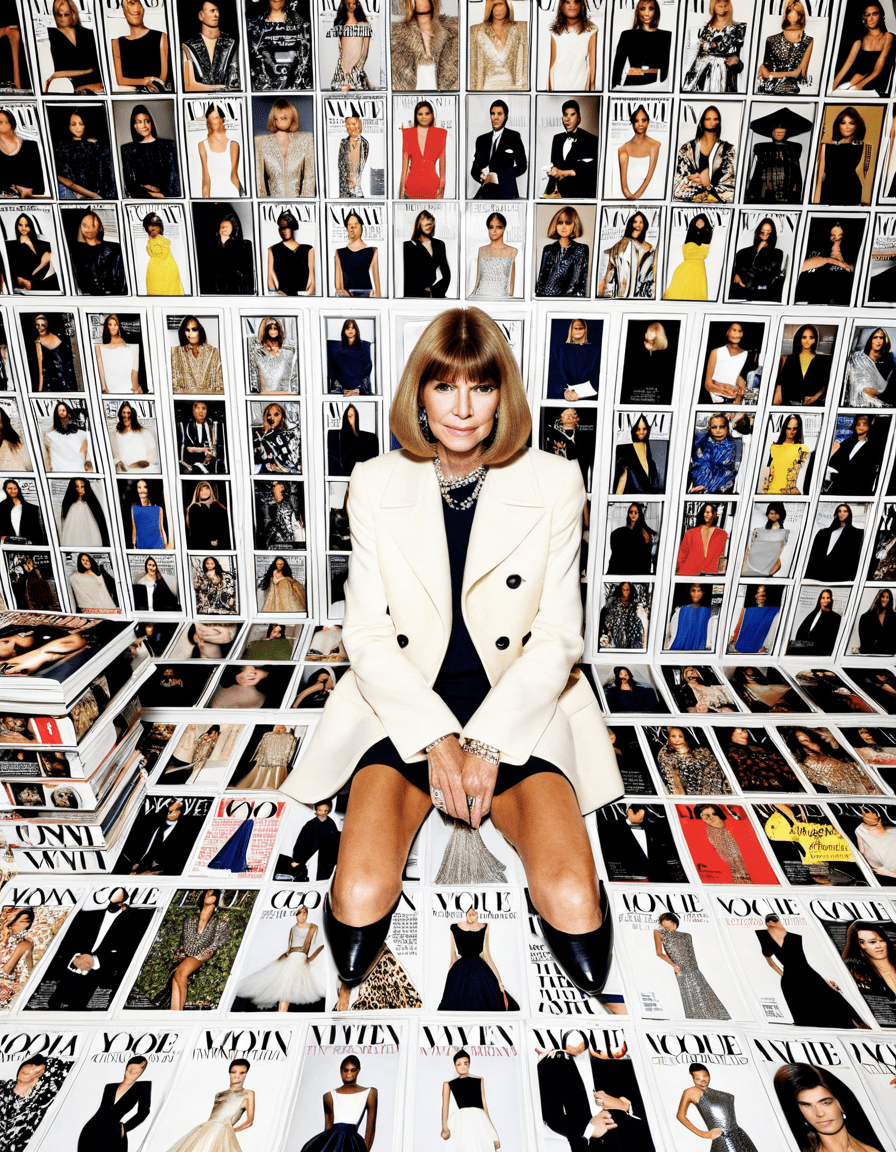
Anna Wintour stands as a titan in the fashion industry, a name that conjures images of innovation, fierce determination, and unmistakable style. For over three decades, she has shaped and transformed the culture of fashion through her sharp editorial eye at Vogue, positioning herself as a figure of authority and inspiration. If you want to know why Anna Wintour is as pivotal to fashion as Arnold Schwarzenegger is to fitness, you’ve come to the right place. Let’s dive into the ways this remarkable woman has left an indelible mark on the industry.
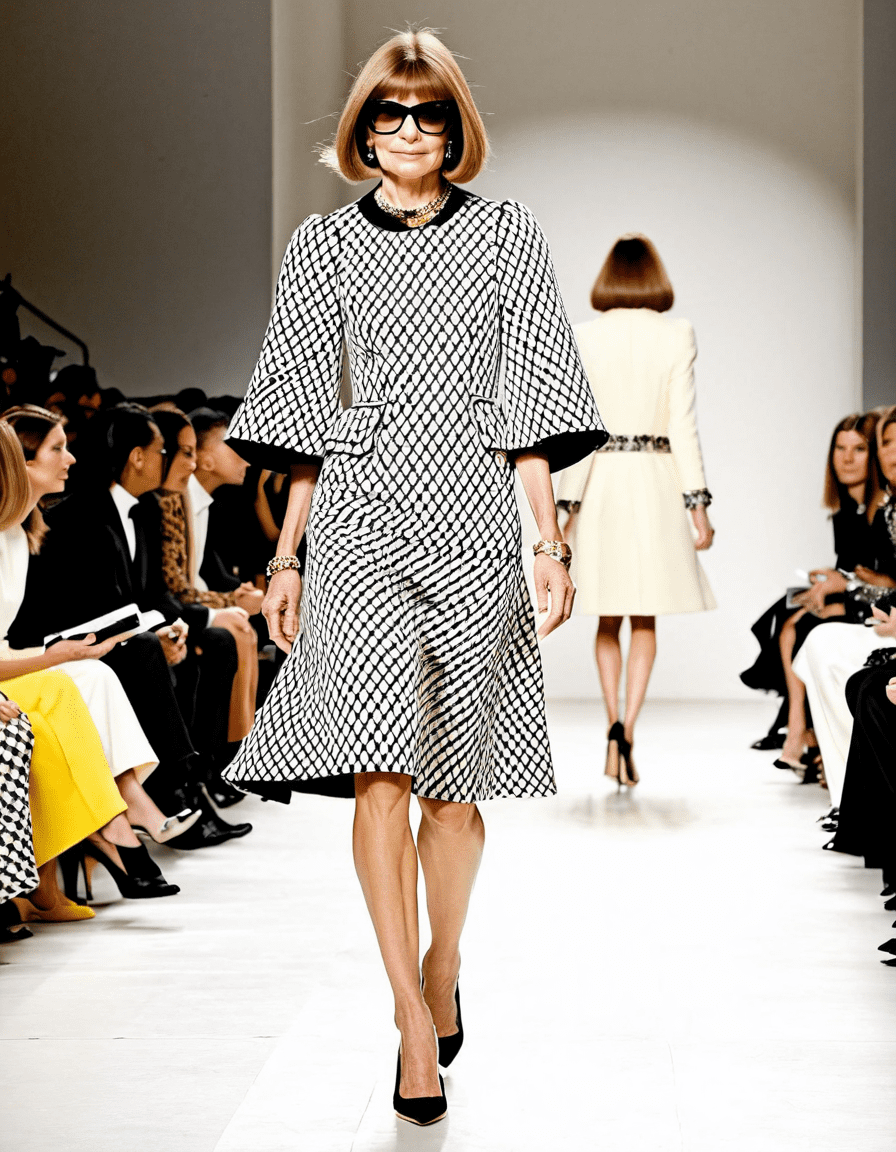
7 Ways Anna Wintour Has Transformed the Fashion Industry
1. Reinventing Vogue’s Editorial Vision
From the moment Anna Wintour took charge of Vogue, she redefined its editorial stance. Vogue evolved from just a fashion magazine to a platform for cultural discussions. Under her leadership, the publication began weaving narratives around pressing contemporary issues, such as racism, feminism, and sustainability. Remember those September issues? They’re now more than just a run-down of fall trends; they address social themes that resonate with today’s audience.
Anna pushed for articles that feature diverse voices, ensuring a richer, more inclusive perspective in fashion. She recognizes that fashion is not just about style but also about the stories we tell and the change we aspire to create. For readers interested in understanding the fashion industry, following Wintour’s vision offers valuable life lessons about resilience and adaptability.
2. Pioneering Fashion Weeks Worldwide
Anna Wintour didn’t just stop at Vogue, though. She’s also been instrumental in elevating New York Fashion Week (NYFW) to a global spectacle. With her clout, Anna has opened doors for smaller brands and undiscovered designers like Prabal Gurung and Alexander Wang. These designers received visibility that could have otherwise slipped through the cracks, and they certainly thank her for it.
Wintour’s commitment to nurturing new talent has diversified the runway, pushing brands to innovate and challenge traditional norms. This has been a game-changer, providing a platform for fresh ideas and perspectives that can inspire budding designers everywhere.
3. The Power of the Met Gala
If you’re looking for a highlight of fashion’s social calendar, look no further than the Met Gala. This annual event, which Anna Wintour has spearheaded since 1995, goes beyond mere celebrity appearances. It creates a unique blend of high fashion, art, and philanthropy, raising millions for the Costume Institute. The themes are always extravagantly creative, making them a must-watch for fashion fans.
Anna’s leadership brings together a dazzling array of guests, from A-list celebrities to influential designers, all of whom contribute their flair to this extraordinary celebration of fashion. The media frenzy surrounding the event not only complements Wintour’s influence but also reinforces the Met Gala’s critical place in the fashion calendar.
4. Building a Media Empire
In this digital age, Wintour has shown that adaptation is key. She has transformed Vogue into a multimedia empire that thrives on platforms like Vogue Runway, Instagram, and TikTok. Think about it: by marrying traditional print with cutting-edge digital strategies, she’s captured the attention of younger audiences who might have overlooked print magazines entirely.
With engaging content across social media, Anna has made Vogue a relevant player in fashion discourse today. This adaptability serves as a prime example for those looking to navigate modern media landscapes. She proves that being forward-thinking is essential in maintaining cultural relevance.
5. Cultivating Relationships with Designers and Brands
There’s a reason why Anna Wintour has powerful relationships with established designers like Karl Lagerfeld and brands like Gucci and Balenciaga. Her strategic alliances shape trends and unite high fashion with artistic vision. These collaborations often lead to groundbreaking moments in both fashion and art.
Wintour’s seasoned eye for talent allows her to create partnerships that resonate with audiences globally. By supporting both established and emerging designers, she ensures that Vogue champions creative innovation. Fashion enthusiasts can learn how to cultivate relationships in their journey, akin to how Wintour nurtures and supports designers.
6. Advocating for Diversity in Fashion
One of Wintour’s most profound impacts on the fashion industry has been her advocacy for diversity. Recognizing the importance of representation, she doesn’t just want to see change; she actively works to implement it. Through her efforts, Vogue now features models, designers, and stylists from diverse backgrounds, contrasting sharply with the predominantly Eurocentric figures that dominated the scene in the past.
This shift is essential in creating a more inclusive industry. Wintour’s commitment empowers readers and future fashionistas to challenge the status quo. It’s a lesson that all communities should embrace, not just in fashion but in all walks of life.
7. Comparing Anna Wintour and Suzanne Pleshette: Icons of Their Time
While Anna Wintour has become the face of modern fashion, Suzanne Pleshette represents a different iconography from Hollywood’s Golden Age. Both women excelled in their fields—Wintour crafts cultural narratives in fashion, while Pleshette charmed audiences on screen with her wit and charisma.
When we examine their contributions, it’s not just about the glitz. Each has played a crucial role in the cultural shift of their respective industries, shaping public perception and leaving lasting legacies. For anyone keen on understanding influence, comparing these two illustrates how strong women can reshape cultural narratives.
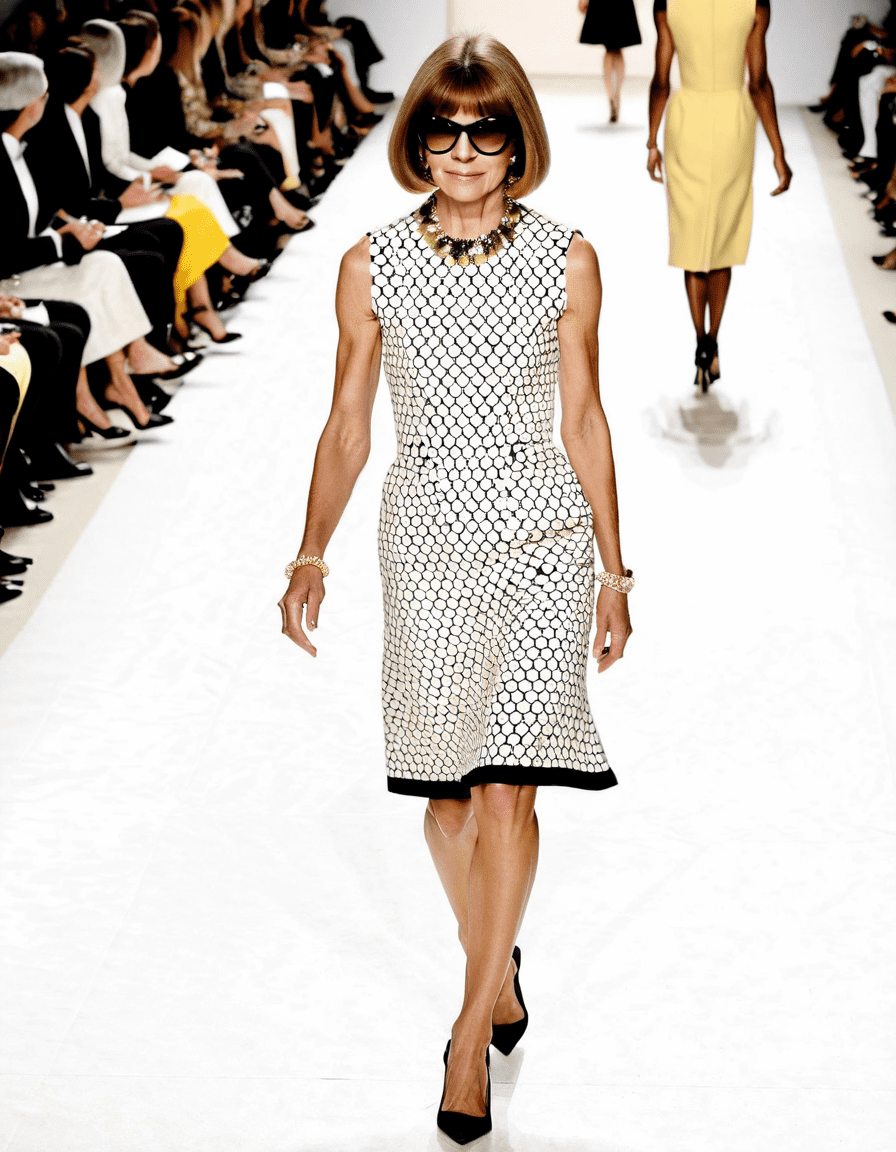
The Lasting Legacy of Anna Wintour
Anna Wintour’s influence surpasses her title as editor-in-chief of Vogue. She’s turned fashion into a dialogue, steering it towards empowerment and cultural relevance. Her groundbreaking vision has redefined the industry—not simply as a luxury segment but as a captivating forum for discussions on modern issues.
By championing diverse voices and positioning couture in the digital sphere, Wintour has established a legacy that inspires. As generations of readers and future designers look up to her, it’s clear that Anna Wintour isn’t just a fashion icon; she’s an essential agent of change.
In the spirit of Arnold Schwarzenegger’s motivational approach, it’s crucial to work hard, stay disciplined, and always strive for greatness. Just like getting shredded doesn’t happen overnight, Anna Wintour’s transformation of fashion has been a testament to tenacity, vision, and unwavering commitment. So get inspired, learn from her journey, and channel that energy into your own life, whatever your passions may be!
Anna Wintour: Fun Trivia and Interesting Facts
The Vogue Visionary
Did you know that Anna Wintour was first introduced to the fashion world as a teenager? At the tender age of 15, she landed her first job in a fashion boutique in London. This early exposure set the stage for her ascent to the top of the industry. Years later, Wintour’s influence would be so pronounced that her presence at a show could practically spell success for the designer—talk about power! It’s reminiscent of how a character from 27 Dresses captivates audiences with their charm and wit. Speaking of charm, Wintour’s trademark bob haircut has become nearly as iconic as her sharp editorial choices, mirroring other memorable figures like Jane Birkin, whose style still inspires many today.
The Style Icon’s Network
Connecting dots between fashion and politics, Wintour has also played an interesting role in fundraising events, often inviting high-profile guests, including notable political figures and celebrities. One such connection was made with Vanessa Trump—who knew fashion could bridge social divides? These events not only showcase her knack for mingling with the elite but also reflect her commitment to causes that matter. Just as today’s Basketball Wives cast often becomes intertwined through personal and professional spheres, Anna deftly navigates her own multifaceted relationships within the industry, always remaining a step ahead.
A Legacy of Leadership
As editor-in-chief of Vogue for over three decades, Anna Wintour has positioned her publication as a leader in fashion journalism, constantly driving trends rather than just reporting them. She’s been known to champion up-and-coming designers and has a keen eye for spotting the next big thing, which makes her a pivotal figure akin to the imaginative storytelling found in His Dark materials. Wintour’s impact transcends the pages of Vogue; her dedication to pushing for diversity on the runway echoes the spirit of inclusivity that many aspiring designers, much like Jane Wickline, embody. With such a storied career, Wintour has truly shaped not just fashion but also the fabric of cultural conversation, proving that her influence is as lasting as ever.