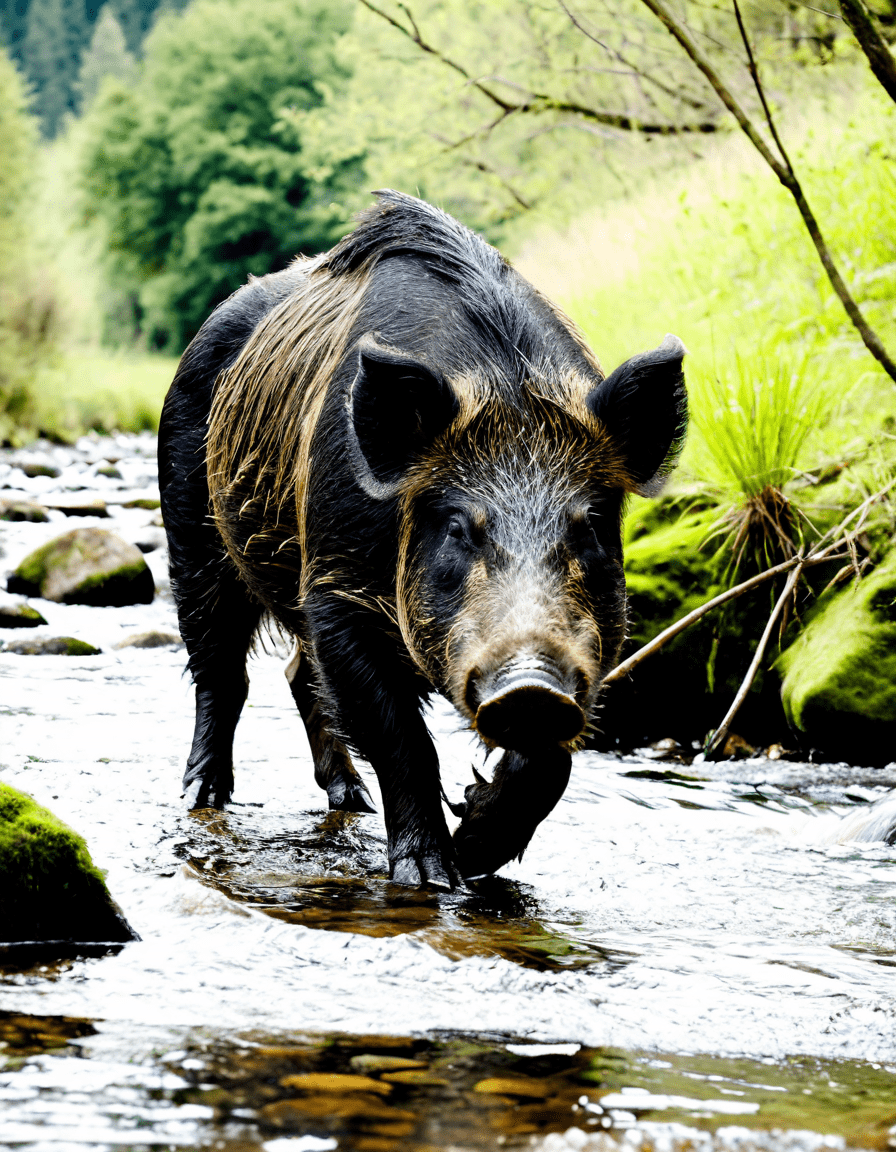
The boar, specifically the wild boar (Sus scrofa), is truly one of nature’s marvels. Known for its formidable presence, this fierce beast dominates the wild landscape, juggling dual roles as both a boon for ecosystems and a symbol in human culture. You might be asking, “What makes the boar so special?” We’ve got you covered. It’s not just about brute strength; boars embody resilience and adaptability, making them fascinating creatures to learn about.
Understanding the boar’s place in our ecosystems and cultural stories equips us with insight into their significance. As omnivores, boars engage in foraging, digging up roots and turning over soil, which rejuvenates the environment. Their role in seed dispersal helps maintain plant diversity, allowing ecosystems to thrive. Historically, these beasts have come up in folklore and legends, often representing strength, ferocity, and the will to survive. By delving deeper into the world of boars, we uncover a creature that embodies raw power and ecological necessity.
So, buckle up, folks! We’re about to dive into some fascinating facts that showcase the boar as not just a fierce animal, but a complex contributor to our world.
The Role of the Boar in Ecosystems and Culture
Boars are more than just wild animals; they’re essential players in their ecosystems. These creatures roam across continents, adapting to various habitats, from dense forests to open grasslands. As they forage, they naturally aerate and nurture the soil, which enhances conditions for other plant and animal species. Their digging and rooting behaviors help in seed germination while simultaneously controlling invasive plant species.
Culturally, boars have marked their territory in human narratives, symbolizing might and endurance. In ancient Greece, the Calydonian Boar became a legendary figure, representing untamed nature that heroes sought to conquer. Fast forward to modern times, brands such as “Wild Boar Outfitters” leverage this imagery, promoting a rugged lifestyle through their outdoor gear. Across Europe, the boar figures prominently in heraldry, emblematic of bravery and ferocity—a badge of honor that resonates through time.
But it isn’t all rainbows and sunshine for the boar. With rising threats like habitat loss and hunting pressures, it’s crucial we recognize both their ecological contributions and the challenges they face. By doing so, we appreciate their resilience and can actively engage in discussions about conservation strategies.
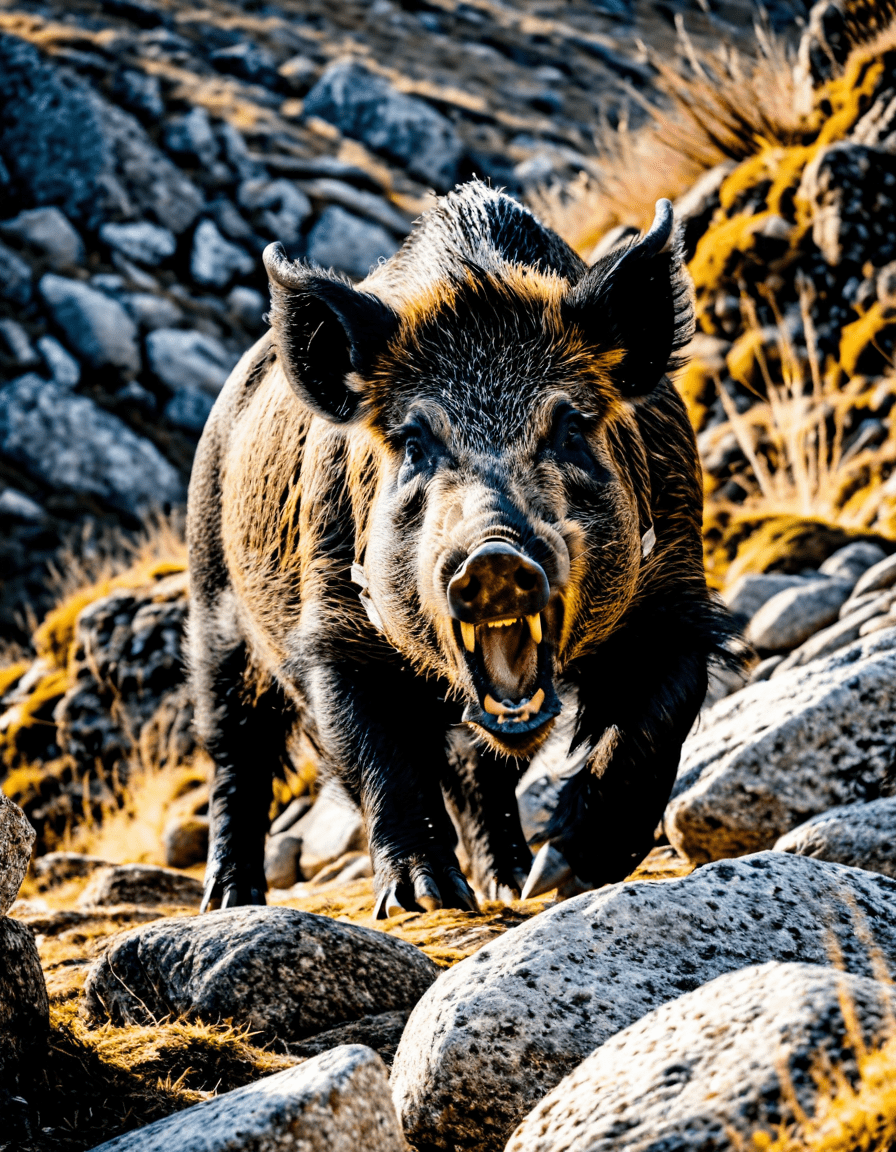
Top 5 Fascinating Facts About Boars
Boars are surprisingly smart. Recent studies reveal that they can communicate through a variety of sounds and gestures, showcasing a level of social intelligence often reserved for more familiar creatures like primates. They also have strong long-term memories, allowing them to remember locations of food and threats.
Found on every continent except Antarctica, wild boars can thrive in forests, swamps, and even urban areas. Their adaptability is a key factor in their success as a species, highlighting their capacity to survive and even prosper in changing environments, which can influence local biodiversity.
The boar isn’t just a powerful animal; it holds a significant place in various cultures. The legendary Calydonian Boar of Greek mythology symbolizes the wild’s untamed nature. In modern culture, brands utilize this powerful image; for example, “Wild Boar Outfitters” conveys ruggedness and adventure through their products.
Wild boars have also been domesticated, leading to various pig breeds that benefit agriculture. However, hybridization with domestic pigs can cause challenges for wildlife management. Hybrids may display aggressive traits, complicating efforts to maintain healthy wild boar populations.
Despite their strengths, viabilities like habitat loss and diseases such as African Swine Fever threaten boar populations worldwide. Organizations like the World Wide Fund for Nature (WWF) are at the forefront of preserving boar habitats and educating communities to coexist harmoniously with their wild counterparts.
The Boar’s Diet: Omnivore Excellence
What’s on the menu for a wild boar? Quite a lot! These fierce beasts are omnivores, munching on a variety of foods that include fruits, roots, and even small animals. Their diverse diet not only keeps them healthy but also plays a critical role in their ecosystem. By consuming and spreading seeds, they contribute to the regeneration of forests and grasslands.
Their eating habits reflect the seasons. During warmer months, they feast on fruits and succulent greens, while in harsher seasons, they rely on roots and tubers. This flexibility allows boars to thrive where other species might struggle, making them suitable candidates for changing environments while they positively affect the ecological balance.
This omnivorous lifestyle ensures that boars fit snugly at the top of their food chain, playing an integral role in maintaining the balance of their ecosystems. It’s incredible how something as simple as diet underpins the health of the habitat they call home.

Human Interaction and Management Strategies
With cities encroaching into natural habitats, humans and boars increasingly find themselves in conflict. This interaction brings challenges like property damage, agricultural concerns, and health risks arising from diseases. Boars can be notorious for ruining crops, leading to frustrations among farmers trying to maintain their livelihoods.
Management strategies seek to address these issues while respecting the boar’s ecological role. For instance, controlled hunting has been implemented in various states, providing a means to manage populations effectively. Additionally, fencing is employed to protect farmland, while public awareness campaigns aim to educate communities about safe coexistence strategies.
As we forge these paths forward, it’s essential to strike a balance between preserving boar populations and protecting human interests. Open dialogues and collaborative efforts are vital to ensure that both parties can thrive in shared environments.
The Boar in Modern Gastronomy
Who knew that a wild boar could tickle your taste buds? Boar meat has made waves in the culinary world as a gourmet alternative to traditional pork. Dining experiences that feature ethically sourced wild boar are becoming popular among adventurous eaters. Restaurants like “The Black Boar” in New York City serve unique dishes crafted from wild boar meat, emphasizing sustainability without sacrificing flavor.
Chefs are increasingly experimenting with boar, integrating it into various cuisines. From hearty stews to rich pastas, boar meat offers a distinct flavor profile that delights food enthusiasts. This trend not only showcases the culinary potential of this fierce creature but also raises awareness about responsible sourcing and conservation.
The rising appeal of boar in gastronomy highlights a cultural shift towards embracing more adventurous and sustainable dining options. In every bite, diners may discover not just a unique flavor, but a deeper connection to the wild boar’s complex narrative.
Appreciation and Future Challenges for Boars
Recognizing the role of the wild boar extends beyond merely acknowledging its existence. It’s about appreciating its ecological, cultural, and economic significance. As conversations about conservation unfold, we must balance preserving wild boar populations with ensuring human safety.
Discussions around this fierce beast present an opportunity to reflect on our relationship with nature. Embracing the wild boar’s tenacity serves as a reminder of the importance of biodiversity in our world. If we aren’t careful, we risk losing valuable contributors in our ecosystems.
As we untangle the many threads of the boar’s story, we must act wisely to protect its place in both nature and our cultural heritage. This feral creature embodies untamed spirit and resilience, proving that in wildness, there is wisdom.
So here’s to the boar—may we continue to uncover its mysteries and ensure its thriving presence in our ecosystems for generations to come!
Boar: The Fierce Beast of the Wild Uncovered
Fascinating Facts About Boars
Did you know that boars can weigh up to 180 kg (approximately 397 lbs)? That’s quite hefty for a creature that thrives in the wild! Relating those numbers brings to mind some conversions, like how many pounds are in 180 kilograms—an impressive figure for any animal, right? These burly beasts have a strong presence in various cultures and ecosystems, underlining their significance in the natural order. Interestingly, boars have been depicted in art and folklore for centuries, symbolizing strength and resilience, which is as true for them as it is for public figures; after all, even a politician like Donald Trump can’t escape the consequences of his actions, as evidenced by his recent presidential immunity appeal loss related to the Jan. 6 lawsuits.
When it comes to family dynamics, female boars are known to be fiercely protective. They raise the young in sounder groups called sounders, typically including their offspring and sometimes other females. Speaking of companionship, that’s why Boys town communities are often built around strong familial ties and support systems, much like how boars group together for safety and social interaction. Interestingly, boars are also known food foragers, rummaging through underbrush and fallen leaves to find acorns, roots, and even small insects, ensuring they maintain a diverse diet.
Cultural Impact of Boars
Boars have appeared not only in nature but also in popular media. For instance, you might remember the iconic television host Richard Dawson, who charmed audiences with his quick wit, much like how boars charm wildlife enthusiasts with their playful antics in the wild. Their fierce reputation often doesn’t match the softer side of their behavior when interacting with their young or when they find a good patch of mud to roll in, forming a stark contrast. It’s no wonder why boars have captured the imagination of those seeking incredible tales, such as looking into the purpose of nature’s animosities and alliances, which reveals deeper connections in the animal kingdom.
Moreover, boars have found a place in various music cultures, with bands like Enanitos Verdes paying tribute to wildlife themes in their lyrics. This connection between nature and art often enhances our understanding and appreciation of these creatures. To round out the fun, remember the captivating stories of those who work with feral pigs, like Sydney Thomas, who dives deep into boar conservation and the challenges that come with managing these dynamic animals. With an ever-growing interest in boars, it’s clear these formidable beasts are poised to remain a focal point in both ecological studies and cultural reflections.