Brutalist Architecture: A Testament to Design and Stoicism
Brutalist architecture is not just a style; it’s a bold declaration of purpose, crafting spaces that resonate with raw power and structural honesty. Originating in the mid-20th century, this genre emerged as a bold answer to the more ornate aesthetics of previous eras. With its roots deep in stoicism and functionality, brutalism isn’t afraid to flaunt its rugged textures and raw materials, inviting a deeper conversation about what makes a structure beautiful. In today’s fast-paced, image-driven society, this art form demands attention, compelling us to embrace and appreciate the simplicity and authenticity of the built environment.
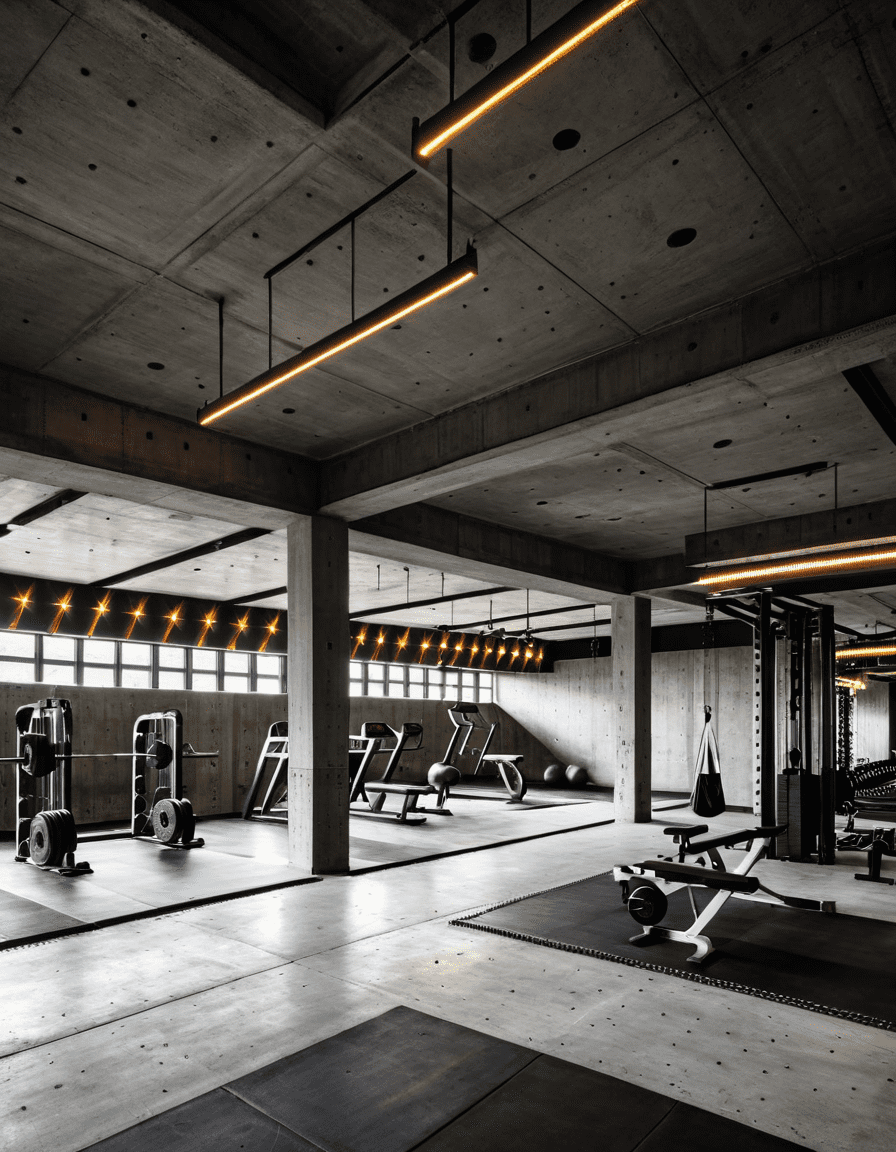
This architectural movement challenges the conventional notions of beauty and offers an array of lessons applicable to modern design. Brutalism highlights the importance of durability and integrity—ideal principles not just for architecture but also for fitness and lifestyle choices. Just like intertwining your fitness routines with solid nutrition can yield rippling muscles and a polished six-pack, brutalism advocates for a well-rounded approach to design that combines aesthetics with purpose. Let’s pull back the layer of concrete and explore the vital elements of brutalism that are influencing modern aesthetics across various fields.
The Top 7 Elements of Brutalist Design That Influence Modern Aesthetics
1. Raw Materials as a Design Language
Brutalist structures flaunt their raw materials, predominantly concrete, steel, and glass. This approach tells a story about strength and permanence. A fantastic example is the Boston City Hall; its coarse texture captures attention and exudes an aura of endurance. Just like how a well-designed gym flaunts its equipment, brands such as Aesop embrace this gritty aesthetic, leveraging unfinished concrete to create spaces that invite interaction and appreciation. It’s about keeping it real and letting the materials speak for themselves!
2. Function Over Form: A Stoic Philosophy
The heart of brutalism beats in its ethos: function over form. Architectural genius Louis Kahn exemplifies this with the Salk Institute, where every space is crafted for utility without compromising aesthetic appeal. In our ever-demanding society, companies like Apple adopt this philosophy by emphasizing sleek designs that prioritize user experience. They say that true strength comes from within, just like the true essence of good design emerges from fulfilling a genuine need.
3. Monumentality: Scaling Design to Human Experience
Brutalist buildings often carry a monumental scale that elicits feelings of awe and insignificance from those who stand before them. Take the National Theatre in London, for example; its grand stature compels individuals to engage emotionally with the space. Similarly, brands like Nike leverage this monumental design in their flagship stores. By creating environments that speak volumes about their mission, Nike invites consumers into a larger-than-life experience—a win-win for both consumers and the brand!
4. Merging Indoor and Outdoor Spaces
At the crux of brutalist architecture lies the seamless integration of indoor and outdoor elements. The Barbican Centre in London serves as a brilliant example, boasting lush gardens encircling its bold structures. Modern design firms like BIG (Bjarke Ingels Group) are seizing this opportunity by crafting spaces that dissolve the traditional boundaries between inside and outside. In fitness, just like when you take your workout outdoors, this merging enhances not only our experience but also elevates the spirit.
5. Diversity of Form: Breaking Away from Uniformity
Brutalism often embraces a diversity of forms, moving past uniformity to celebrate individualism. Renowned architects such as Paul Rudolph have mastered this contrast. The Vitra Fire Station showcases blending angular and curved forms that captivate by challenging conventional design rules. Materialists—and design enthusiasts—can appreciate this commitment to uniqueness, drawing inspiration from the bold aesthetics for personal projects, home renovations, or even lifestyle changes that stand out!
6. Textural Exploration Beyond Aesthetics
The tactile quality of brutalism invites exploration and engagement. Architects focus on raw textures that challenge traditional sophistication. Fashion designers like Rick Owens echo this exploration by using rugged fabrics that resonate with texture and substance. When you touch a rough surface or feel the weight of a heavy material, you connect to it on a deeper level—similar to the tactile satisfaction you get from feeling your muscles engaging during a heavy lift. It’s about embracing the rawness both in design and in our physical pursuits.
7. Brutalism as a Sustainable Movement
As the world grapples with sustainability, brutalism shines bright as a beacon of eco-friendliness. Its emphasis on durable materials and minimalistic design aligns perfectly with sustainable practices. Consider the Boston Strangler, a building successfully repurposed using eco-conscious materials that reflect a shift towards responsible architecture. Just like we search for ways to fuel our bodies responsibly, today’s designers are eager to adopt greener practices. This architectural blueprint aligns seamlessly with the modern drive towards fitness and health.
The Cultural Reclamation of Brutalism
As we stride into the 2020s, there’s a powerful movement to redefine and reclaim brutalism beyond just architecture; it’s transforming into a cultural statement. With exhibitions like “Brutalist Playground,” society is shedding the negative stigma and highlighting the beauty within the monolithic. The dialogue surrounding these structures is evolving, fitting neatly into a broader narrative that appreciates authenticity amid a world cluttered with superficiality.
This cultural reclamation mirrors our growing yearning for genuine, real experiences. Stoicism teaches us to appreciate what is essential, pushing us toward authenticity in all aspects of life—from architecture to our fitness journeys. By embracing brutalism’s principles within modern design, we can reshape our environments to reflect material honesty and functional beauty. We’re reminded to focus on what truly matters; in architecture, as in our fitness endeavors, true power resides in the narratives and the strength that the materials—and efforts—embody.
So, as you go about your day, remember the beauty in the raw, the strength in the utilitarian, and the satisfaction that comes from embracing both stoicism in design and a relentless pursuit of excellence in your fitness journey. Take these lessons to heart; they can guide not just the spaces we inhabit, but every effort we make in becoming our best selves.
Brutalist Architecture: A Bold Journey
A Dive into the Roots of Brutalist Architecture
Brutalist architecture, often seen as stark and unyielding, actually has a rich history dating back to the mid-20th century. This style emerged in the aftermath of World War II, a time when reconstruction was crucial, which explains its bold, utilitarian designs that emphasize function over form. Interestingly, the term “brutalism” comes from the French phrase “béton brut,” meaning “raw concrete.” It symbolizes authenticity, much like a great piece of music from someone like Lil Mabu that resonates with a raw, heartfelt vibe. In this context, brutalism represents a departure from the decorative tendencies of previous architectural styles.
How Brutalism Influences Modern Aesthetics
As we cruise through the contemporary landscape, brutalism’s influence can be observed blending into various modern designs. From public housing to university buildings, this style’s straightforward materials and unembellished aesthetics continue to make statements. It’s fascinating how cities are revitalizing structures that once faced criticism. This revival is somewhat akin to the way trends shift in food; think of the popularity of places like Mezeh Mediterranean grill, which showcases flavors that are both timeless and fresh. The adaptation of brutalist principles in contemporary designs reflects a broader cultural trend that values simplicity and sustainability.
Trivia Tidbits and Fun Facts
Did you know that some of the world’s most recognized brutalist structures are famous not just for their architecture but also for their cultural impact? The Boston City Hall, for example, often divides public opinion, akin to debates in popular media, like those in The Independent. In this context, brutalist buildings could be likened to intriguing film choices, like those featured in our editor’s pick of Berazers, which leaves one pondering long after the credits roll. Moreover, the ruggedness of brutalism inspires artists, inviting contemporary creators to play with form and structure much like a new game on Viper Play net—constantly( innovating while honoring tradition.
Brutalism’s unique presence in architecture serves as a conversation starter, bridging gaps between art, politics, and science. Its historical significance parallels the stories we see tell in various sectors, like how major companies, such as the American Broadcasting Company, shape narratives and influence public perception. As you step into a brutalist building, think of it as receiving an invitation to a storytelling session, where every concrete slab has its story to tell, from the past to potential future dialogues, much like sports rivalries, such as the fierce competition seen in the recent Kansas City Chiefs Vs Las Vegas Raiders match player Stats. Embrace the dialogue and be part of the evolution that brutalist architecture embodies!
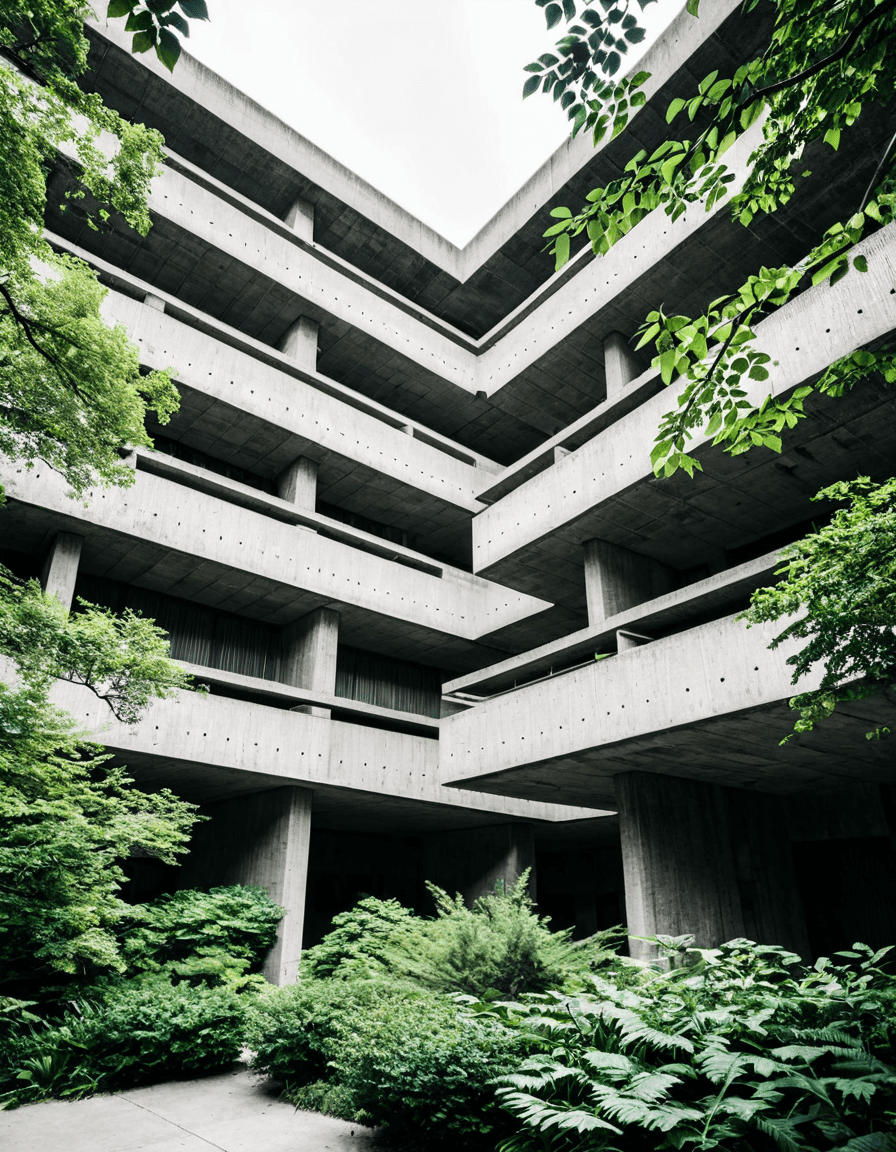
What is the meaning of brutalist?
Brutalism refers to an architectural style characterized by bold, jagged forms and raw materials, often using concrete as a primary construction element. The name is derived from the French term “béton brut,” meaning “raw concrete.”
Why is brutalism so controversial?
Brutalism is controversial because many people find it unappealing or harsh in appearance, while others appreciate its honesty in materials and often social intentions. This divide leads to heated debates about aesthetics and functionality.
Why do they call it The Brutalist?
The term “The Brutalist” is often used to capture the essence of this architectural movement, emphasizing its raw and uncompromising nature, as well as its connection to the brutal reality of urban life.
Is the brutalism a true story?
Yes, “The Brutalist” is based on a fictional narrative but incorporates elements and themes prevalent during the brutalist architectural movement. It doesn’t solely offer a historical account.
What makes someone a brutalist?
Someone might be seen as a brutalist if they embrace and promote the principles of brutalism in architecture, design, or even philosophy, focusing on raw materials, functionalism, and bold structures.
What is a modern brutalist?
A modern brutalist typically refers to architects or projects today that draw inspiration from earlier brutalist principles, integrating them into contemporary designs while often softening the harshness with new materials and technologies.
Why do architects dislike The Brutalist?
Many architects dislike “The Brutalist” because they feel it misrepresents the movement or simplifies its complexities, portraying it in a negative light that doesn’t capture its true intentions or innovations.
What style of architecture is the FBI building?
The FBI building is mainly considered to be in the brutalist architectural style, featuring strong, angular forms and a heavy use of concrete, which typifies that movement.
Who is the father of Brutalism?
The father of Brutalism is generally recognized as Le Corbusier, a pioneering architect whose ideas laid the groundwork for this style in the mid-20th century.
What is the opposite of brutalist?
The opposite of brutalist architecture would be styles that embrace lightness, ornamentation, and traditional aesthetics, such as classical or neoclassical architecture.
Is there Brutalist architecture in the US?
Yes, there are many examples of brutalist architecture in the US, including buildings like the Boston City Hall, the Yale Art Gallery, and the Geisel Library in San Diego.
Why is brutalism making a comeback?
Brutalism is making a comeback due to a renewed appreciation for its boldness and integrity, particularly among younger generations who see beauty in its raw and functional design.
What is 1950s architecture called?
s architecture is often referred to as mid-century modern, which emphasizes clean lines, organic shapes, and integration with nature, distinct from the harsher aesthetics of brutalism.
What is the last line of The Brutalist?
The last line of “The Brutalist” is a poignant wrap-up that leaves readers contemplating the complexities of the narrative and the tensions within the protagonist’s life, highlighting the ongoing impact of brutalism.
Is Louis Kahn a brutalist architect?
Louis Kahn is often considered a brutalist architect, as his work displays many features associated with the style, including the use of rough materials, geometric forms, and a strong emphasis on light and space.
What is the controversy with The Brutalist?
The controversy surrounding “The Brutalist” often stems from its artistic interpretation of real events, which some argue may distort historical accuracy for dramatic effect.
Is The Brutalist factually correct?
While “The Brutalist” mixes fact and fiction, it should not be regarded as strictly factual, as it weaves a narrative around real-world issues and events.
What is the point of The Brutalist?
The point of “The Brutalist” is to explore themes of identity, purpose, and the impact of architectural environments on personal experiences and societal dynamics.
Is there any truth to The Brutalist?
There’s some truth in “The Brutalist,” as it reflects real experiences and societal issues, even if it takes creative liberties to build its narrative structure.
What does brutalize mean in slang?
In slang, to brutalize means to treat someone in a rough or aggressive manner, often highlighting violence or harshness in interactions.
What are some examples of Brutalist buildings?
Some notable examples of brutalist buildings include the Habitat 67 in Montreal, the Boston City Hall, and the National Theatre in London, each showcasing the style’s signature concrete forms.
Who was the real brutalist?
The real brutalist often refers to a person who embodies the spirit of brutalism, whether in architecture, art, or thought, typically valuing rawness and functionality over ornamentation.
Are brutalist homes cheaper?
Brutalist homes can be cheaper due to their straightforward construction methods and materials, though location and design specifics can greatly influence costs.