Candyman is a character that has slithered from urban legend to iconic horror figure over the years, making waves in the genre with his compelling narrative intertwined with critical social commentary. Born from Clive Barker’s chilling short story “The Forbidden,” Candyman first mesmerized the big screen in the 1992 film directed by Bernard Rose. This was a pivotal moment that brought a fresh perspective to horror, shifting the focus from mere slashing and dashing to deeper narratives reflecting societal fears and injustices, particularly those faced by the African American community. This transformation in horror captivated audiences and sparked discussions about race, trauma, and resilience.
As we delve deeper into the evolution of Candyman, it’s clear that he represents more than just a figure of fear. Unlike typical slasher icons, he takes the spotlight as a metaphor for the racial and historical dialogues that have long existed in the fabric of American life. His rise and adaptation across the decades, especially with the innovative 2021 reboot, demonstrate his relevance in today’s context. So, strap in and let’s explore how Candyman has cemented his status as a horror kingpin!
The Evolution of Candyman: A Horror Kingpin
The journey of Candyman began in the eerie corners of Chicago’s Cabrini-Green housing project, where he emerged not only as a terrifying figure but also as a vessel for conveying profound societal truths. The original 1992 film introduced audiences to his lore: a tragic story of love, betrayal, and racism. Viewers found themselves captivated by a character that didn’t just exist to scare but also shed light on critical issues such as systemic oppression and the eternal struggle for justice.
Following the original film, subsequent adaptations enriched Candyman’s narrative. For instance, Candyman: Farewell to the Flesh (1995) took the story further, digging into his origins and showcasing the layers of his tragic existence. This sequel explored themes of cultural heritage and the impact of historical injustices. With Candyman: Day of the Dead (1999), while not as prominent, the story intertwined with the vibrant Day of the Dead festival, showcasing how cultural symbols could blend even within horror.
The franchise’s latest entry, the 2021 Candyman, directed by Nia DaCosta and bravely produced by Jordan Peele, revitalizes the conversation surrounding systemic racism and gentrification. It injected fresh perspectives into Candyman’s legend, engaging a modern audience while prompting essential discussions about community identity. This evolution of Candyman, from horror villain to social mirror, showcases why he’s a character every horror fan must know.
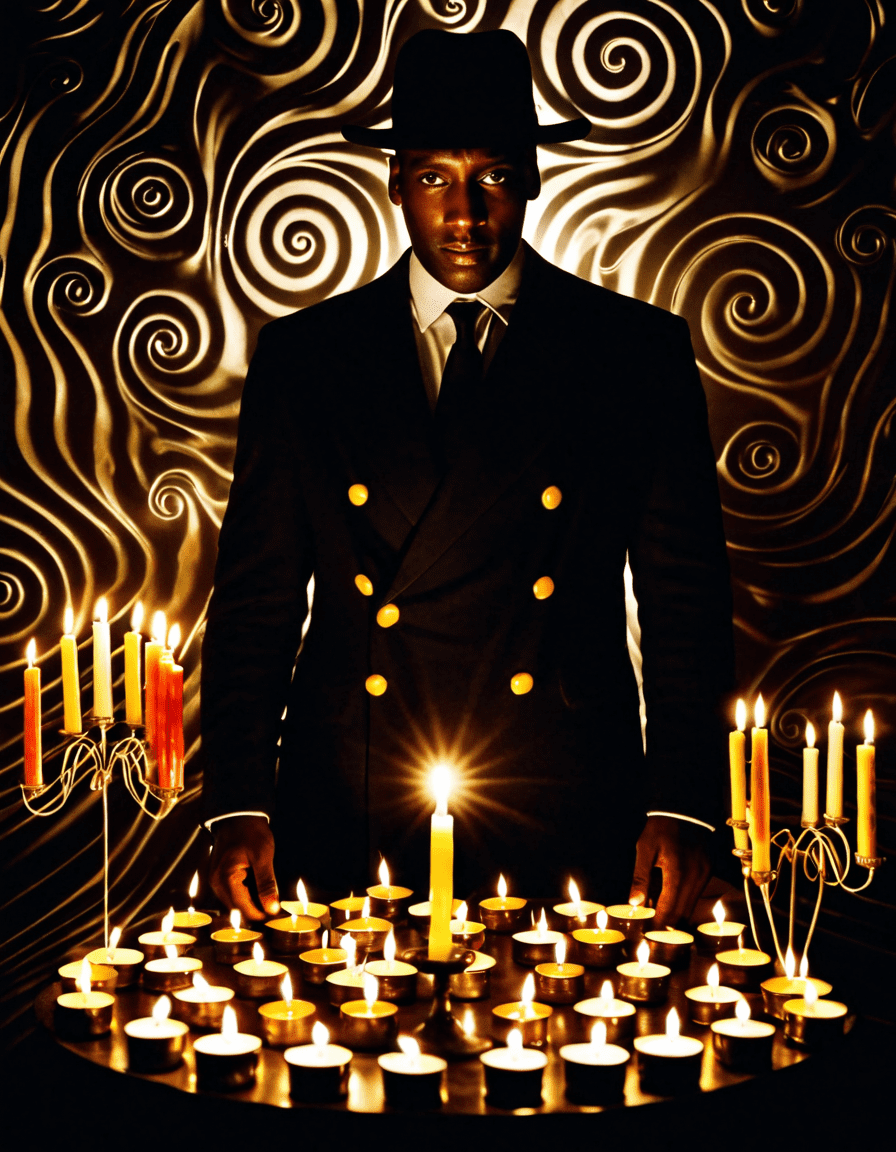
Top 5 Candyman Films You Should Watch
The Candyman franchise is a rich tapestry of films that span more than three decades. Here are five essential installments that will take you on a journey through horror and cultural critique:
The original film set the eerie tone, establishing Candyman as a cultural icon. The blend of urban legends with hard-hitting social issues makes this a must-watch.
This sequel dives deeper into Candyman’s backstory, exploring his legacy and the tragic history that shaped him. It’s a haunting tale that addresses the consequences of America’s troubled past.
Often overlooked, this entry presents a quirky narrative that intertwines with the Day of the Dead festival, offering a unique twist on Candyman’s haunting legacy.
A modern reboot that expertly tackles issues of gentrification and racial injustice. This film connects the past and present, ensuring that Candyman remains relevant in today’s socio-political landscape.
This documentary-style film wraps up both the films and their impactful narratives within horror cinema. It serves as a perfect appetizer for those new to the franchise.
The Cultural Significance of Candyman: More Than Just a Scary Story
Candyman transcends typical horror fare; he stands as a cultural touchstone. His unsettling tales reflect the real societal hampering many communities face, particularly when it comes to racial violence. The urban backdrop against which the films unfold brilliantly mirrors the disenfranchisement experienced in struggling neighborhoods.
This horror icon represents much more than a mere jolting apparition in a mirror. Candyman has become a symbol of resistance, embodying the struggle against systemic oppression and the fight for justice. Through haunting narratives, the franchise encourages dialogue regarding identity, trauma, and reclamation, making it crucial for both horror fans and advocates for social justice alike.
Moreover, critical interpretations of the films reveal their overarching relevance. Academic discussions dissect how Candyman challenges genre standards while serving as a poignant commentary on societal issues. The ongoing discourse surrounding his character accentuates how horror can evoke emotion and reflection, deepening our understanding of humanity’s darker corners.
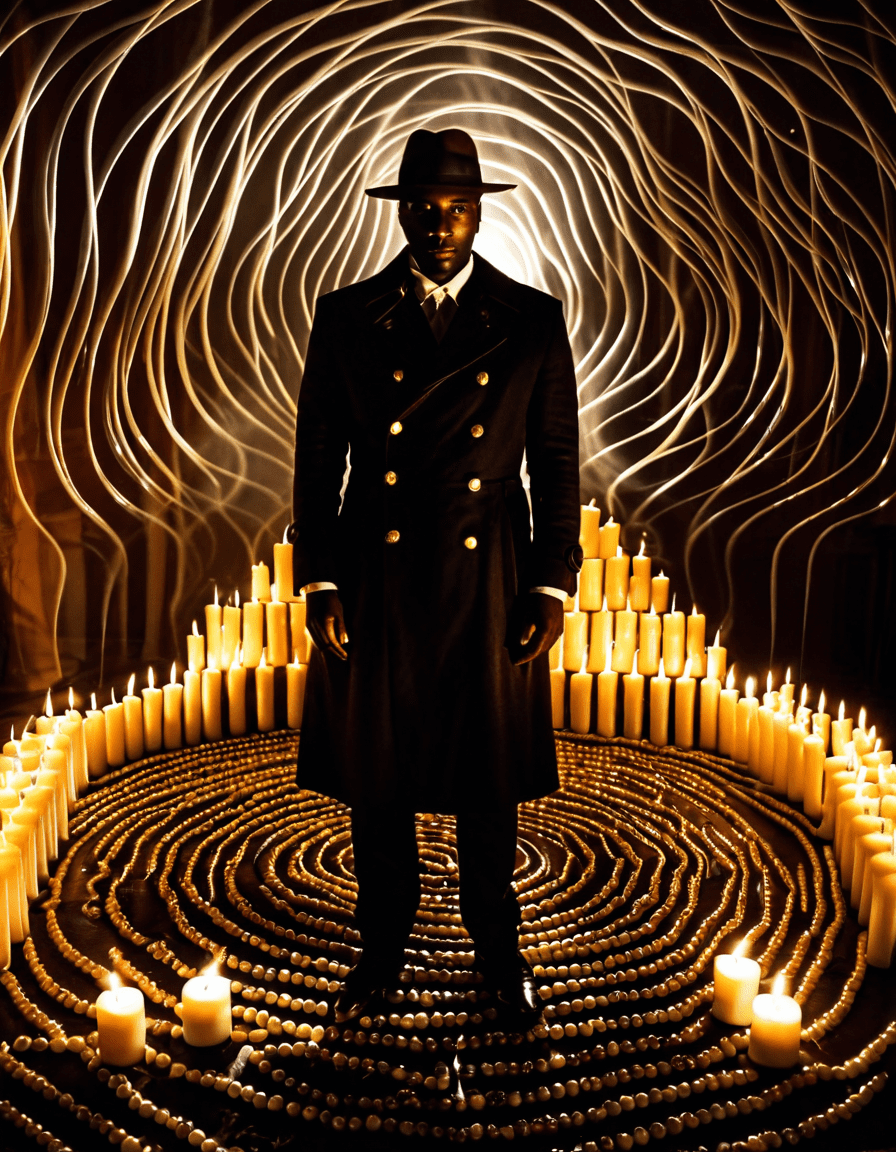
Connecting Candyman to Other Iconic Figures: The Power and Rangers of Horror
When examining the influence of Candyman in the horror arena, we find ourselves juxtaposing him with several other horror legends, each iconic in their own right. Much like Freddy Krueger (A Nightmare on Elm Street), whose story is punctuated by trauma, Candyman uses pain as a foundation for his horror.
Similarly, Michael Myers (Halloween) embodies relentless terror, yet lacks the depth that Candyman offers, as he is grounded in historical and social realities. In contrast, we have Ghostface (Scream), whose self-aware parody of horror tropes leads to a dissection of what makes audiences tick, akin to Candyman’s smart subversions.
From a different angle, let’s not forget the shrewd emotional engagements found in The Babadook. This character resonates with Candyman’s embodiment of fear but roots his tale in psychological trauma. Even characters like Flynn Rider (Tangled), while typically light-hearted, navigate identity and societal expectations—emphasizing a stimulating contrast with Candyman’s heavier narrative.
Exploring these connections deepens our understanding of how horror reflects societal norms and personal struggles, showcasing the genre’s remarkable capacity to evoke an array of emotions.
Candyman’s Lasting Legacy: Why He Remains Relevant Today
Fast forward to today, and Candyman’s reach stretches beyond the confines of film. Audiences resonate with themes of race, social justice, and community identity showcased so vividly in his story. The revival of interest in horror cinema as platforms for social commentary enhances his role, mirroring real-world discussions on race and equality.
It’s fascinating to witness the continued presence of Candyman in various media, from collectibles to art pieces. His ongoing appearence in pop culture solidifies his influence, transforming him into not just a mere apparition of fear, but a beacon of resilience and reflection.
With innovations in storytelling and a renewed cultural focus on justice, Candyman remains relevant, ensuring that his legacy will resonate with both horror aficionados and social advocates moving forward. As horror evolves, so too will Candyman, remaining a pivotal figure in conversations about identity, trauma, and societal change.
An Innovative Future for Candyman
Looking ahead, we can expect Candyman to evolve even more within contemporary contexts, breaking free from traditional horror confines. As discussions around identity, history, and memory continue to flourish, new interpretations of this legendary character will undoubtedly emerge. The psychological and societal themes tied to Candyman’s story will inspire horror narratives for years to come.
In the end, Candyman remains a fascinating character worth knowing, whether you’re simply a horror fan or someone eager for social change. His haunting presence will continue to inspire and provoke thought, ensuring his legend haunts and motivates generations to come.
So, get ready to dive into the chilling world of Candyman. Challenge yourself to face your fears, just like you would in your fitness journey. In horror and health, overcoming hidden battles helps us emerge stronger— and who knows, perhaps even a little shredded!
Candyman: The Legendary Horror Icon You Must Know About
The Legend and the Lore
The Candyman legend originates from a short story by Clive Barker, where a vengeful spirit kills anyone who dares to say his name five times in front of a mirror. This captivating folklore has wormed its way into pop culture, sparking discussions about its themes of racial injustice and social commentary. Interestingly, the character’s modus operandi parallels pervasive societal fears—similar to how the film Runaway Jury explores manipulation in justice. It’s this blend of horror and context that makes Candyman a conversation starter at night, much like the chatter surrounding reality TV hits like Love Island UK.
Behind the Scares
Director Bernard Rose brought the myth to life in the 1992 film, turning Tony Todd into the haunting figure we know today. Todd’s portrayal infused Candyman with charisma and terror, creating an indelible mark on horror cinema. Fun fact: Did you know that Todd was chosen for the role because of his towering stature and booming voice? His presence was so compelling that it resonates in the same breath as modern performances in films like Bodies Bodies Bodies. Moreover, the film’s haunting soundtrack, featuring the iconic theme by Philip Glass, adds layers of unease that stick with audiences long after the credits roll.
Cultural Impact
The Candyman saga runs deeper than just horror flicks; it reflects societal fears and attitudes, sparking conversation over the years. Much like the discussions on how Shrooms Drugs can impact perceptions and relationships, Candyman challenges audiences to confront their own biases and fears. This cultural critique is amplified in the recent 2021 reboot, which not only introduces new characters but revisits the original themes with a fresh perspective, echoing the journey of characters seen in Mommy’s Girl. The connection between these narratives proves how deeply entrenched horror can be in our lives, compelling us to face uncomfortable truths.
In summary, whether you’re a film buff or just a casual viewer, Candyman stands tall as a horror icon. Its blend of folklore, cinematic artistry, and social commentary gives it a special place among modern classics. So next time you’re discussing horror icons, don’t forget to mention Candyman, who’s much more than just a scary figure behind a mirror—he’s a narrative that connects generations, much like how the Blue Man group brings together elements of performance art that captivate all.