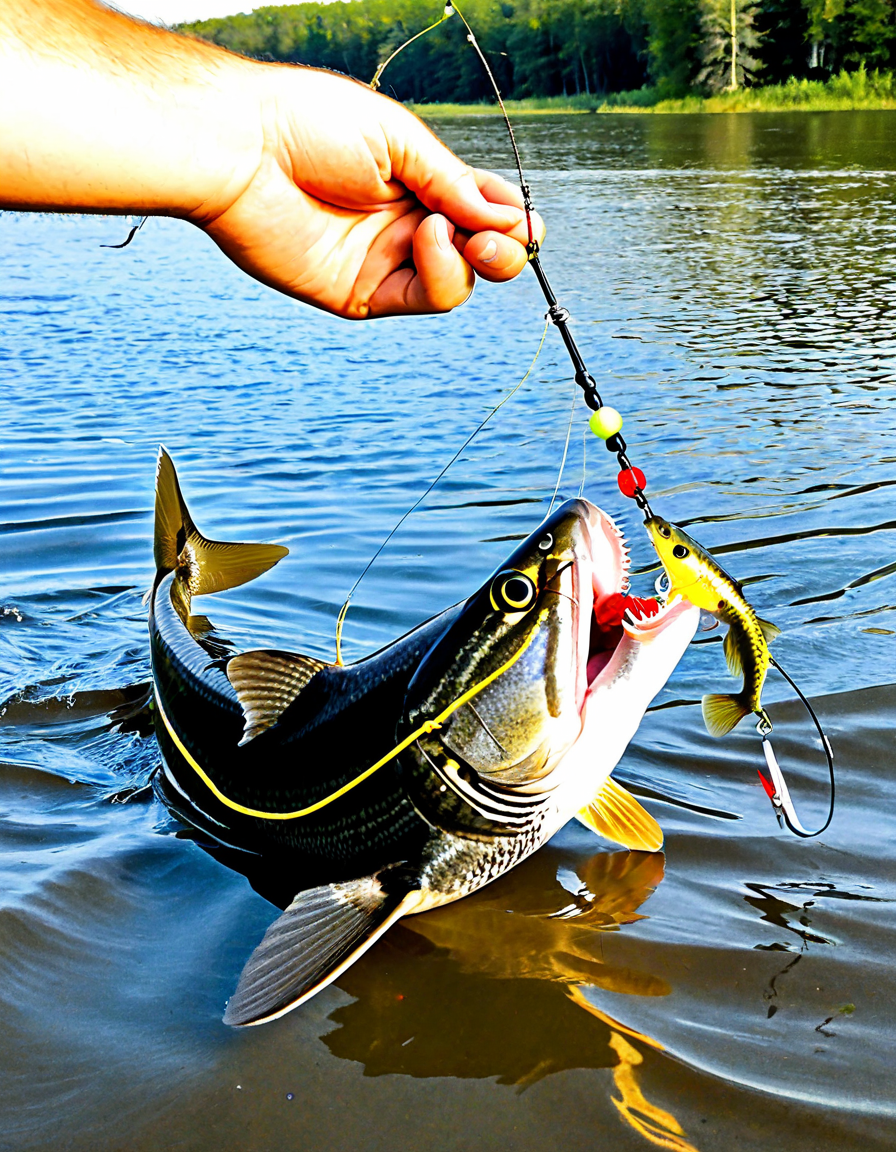
Ah, catfish! These intriguing creatures have a reputation that goes beyond being just fish in a pond. From culinary delights to lessons on authenticity, catfish offer plenty to explore. Let’s dive into the underwater world of catfish and the fascinating facts you might not know. With a bit of passion, dedication, and muscle, you can conquer not only the gym but also life’s little deceptions. So, let’s get shredded with some knowledge!
7 Fascinating Facts About Catfish You Didn’t Know
1. The Catfish’s Wide Distribution
Catfish aren’t picky about where they call home. They spread across nearly every continent, except for that cold desert known as Antarctica. You’re likely to find them swimming in rivers, lakes, and even those lush flooded forests. Take the Mekong catfish (Pangasianodon gigas), for example—this beast can grow over 10 feet long and weigh a hefty 600 pounds! They’re like the Arnold Schwarzenegger of the fish world—huge and varied in size.
2. Sensory Adaptations
Now, check this out: catfish boast an incredible sense of taste that’s like nothing you’ve seen. Their skins are packed with taste buds, allowing them to gather info about their surroundings with just a flick of their barbels. The channel catfish (Ictalurus punctatus) leads the pack here with up to 27,000 taste buds! Imagine being able to taste your environment—way cooler than a protein shake, right?
3. Unique Reproductive Strategies
Think you know fish parenting? Think again! Many catfish, like the African catfish (Clarias gariepinus), take their hatchlings seriously. Instead of leaving their eggs to fend for themselves, these fish construct nests and guard their young. This parental care enhances the survival rates of their eggs and offers a deeper glimpse into the comprehensive nature of these aquatic creatures.
4. Catfish in Cuisine Around the Globe
Whether you’re in the Southern United States enjoying fried catfish or in Southeast Asia savoring grilled catfish skewers, these fish are culinary stars! Catfish farming, especially in the U.S., has grown significantly, turning species like Ictalurus spp. into everyday dishes. It’s a tasty way to blend nutrition with flavor, giving you the energy to pump iron!
5. Environmental Indicators
Catfish are also silent protectors of their ecosystems. Their existence can signal the health of water bodies. If you spot a growing catfish population, it often means the ecosystem is thriving! Important studies showcase that healthy catfish populations in areas like the Mississippi River Basin equate to balanced and clean waters—an essential factor in our ongoing conservation efforts.
6. The Controversy of Catfish Farming
Despite their popularity, catfish farming is a double-edged sword. While it has boomed in recent years, it’s brought up questions about sustainability and the environmental impact of large-scale aquaculture. Companies like Calhoun’s Catfish are leading the charge toward sustainable practices, using eco-friendly feed and proper waste management. It’s time to give catfish a eco-conscious thumbs up!
7. Cultural Symbolism and Folklore
Catfish aren’t just about biology—they’ve swum into folklore, too! In Japan, for instance, catfish (known as namazu) are said to cause earthquakes, while in some African cultures, they symbolize strength and resilience. These rich cultural narratives show how catfish resonate across various societies, reminding us that there’s more than meets the eye.
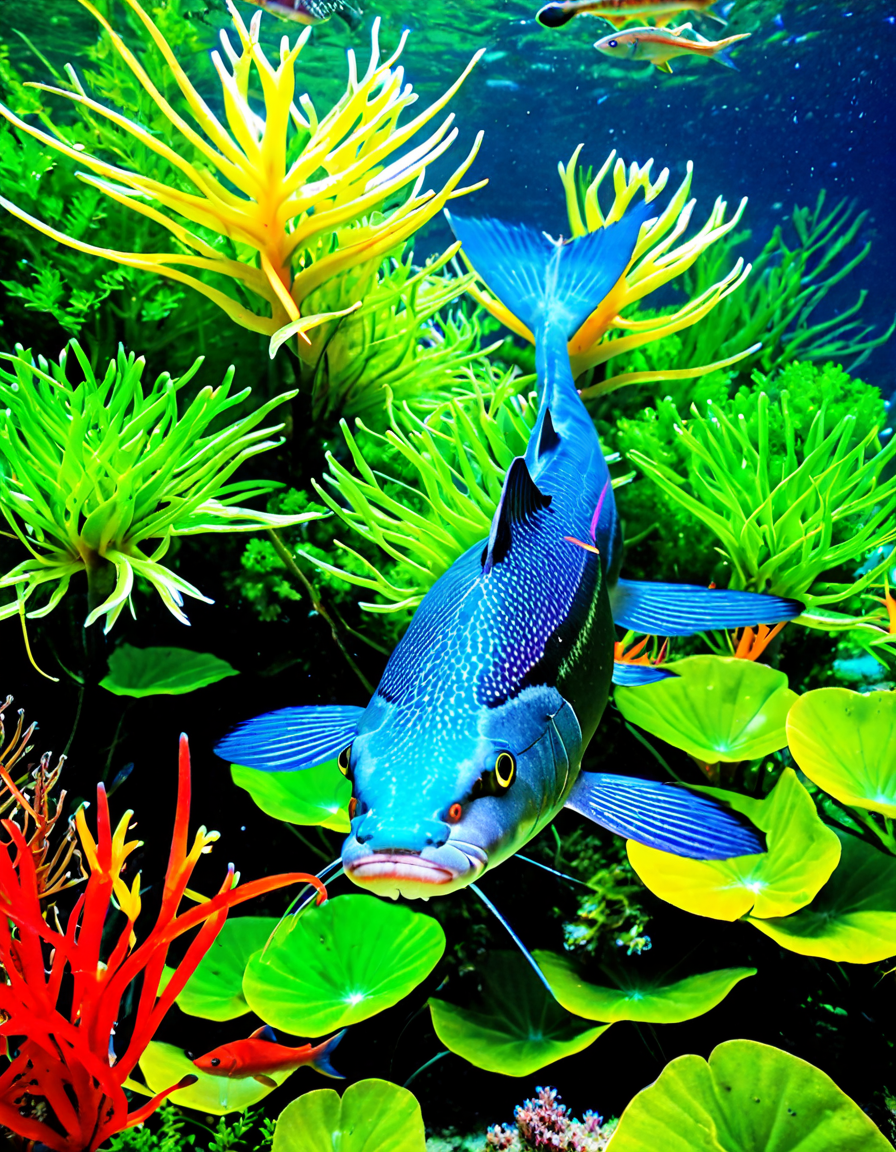
The Intriguing World of Catfish Deception
Now here’s where things get interesting! The term “catfish” has evolved into more than just a reference to these fish. In today’s digital world, it represents deceit, especially in online dating. We’ve all heard about folks creating fake identities to lure others, right? That’s catfishing! This trend raises questions about trust, authenticity, and what it means to be real in the age of social media.
Psychological Insights into Catfishing Behavior
Those who engage in catfishing often deal with deeper issues. Research shows they may struggle with low self-esteem or have a desire for control over their lives. By fabricating an identity, they can construct a narrative where they feel powerful—kinda like a fish that can change its color to camouflage. The fascinating thing? This behavior mirrors the elusive nature of catfish as they blend in with their surroundings to stay unnoticed.
The Impact of Catfishing on Victims
But what about the victims? They often endure emotional chaos after realizing they’ve been tricked. Betrayal, anxiety, and depression are just some of the feelings that hit them hardest. Once trust is shattered, it’s tough to rebuild, especially in an era when lives intertwine online. Understanding this dynamic can shine a light on broader societal implications around how we connect digitally.
Innovative Approaches to Combatting Catfishing
Just like in training, it’s vital to stay proactive in combating catfishing. Dating platforms like Match.com and OkCupid have stepped up their game, introducing stricter verification processes to foster authenticity. This way, users can focus on genuine connections rather than being duped by someone hiding behind a screen.
Education plays a crucial role, too! Various initiatives promote awareness about identifying catfishing signs, which helps users navigate the murky waters of online interactions. By teaching digital literacy, we empower everyone to approach online spaces with caution.
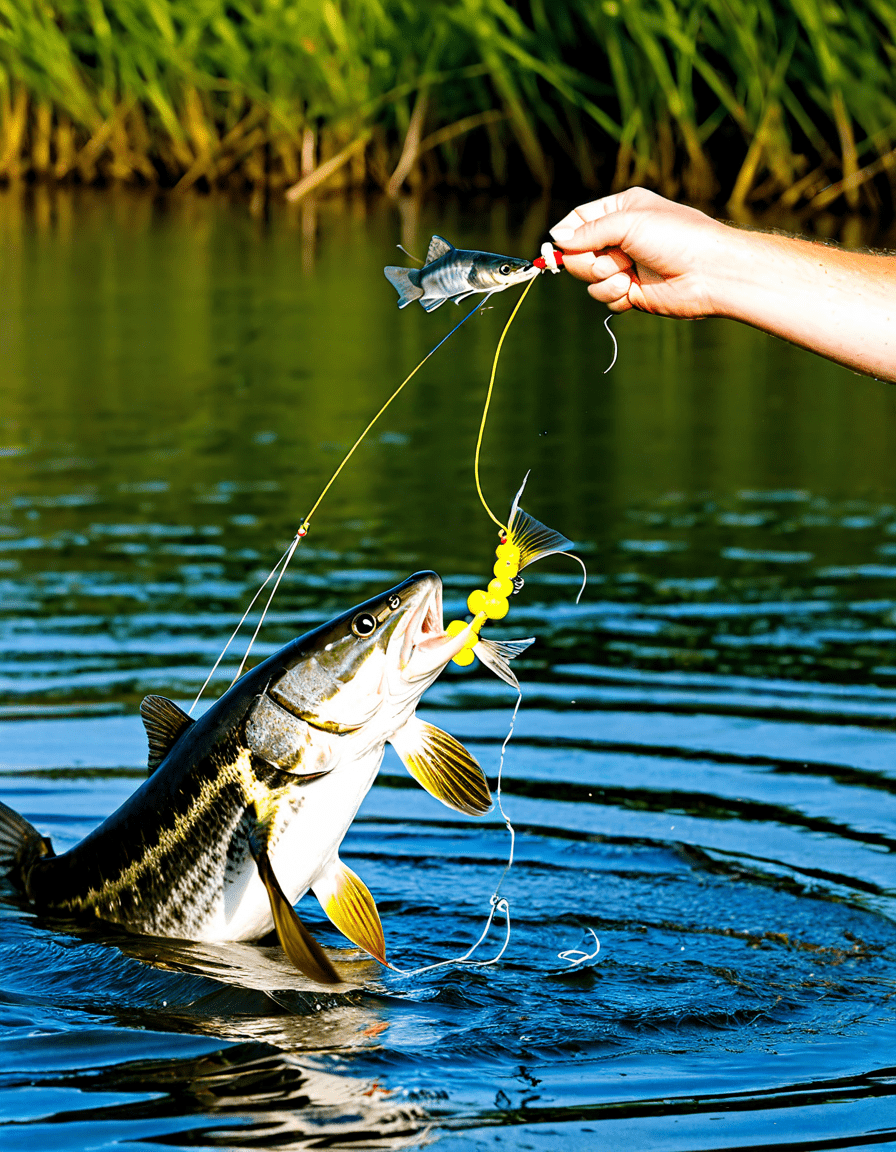
The Dual Nature of Catfish: From Aquatic Marvels to Social Metaphors
The exploration of catfish doesn’t stop with their biological wonders. It’s a fascinating dive into deception and the complexity of human interactions in our increasingly virtual landscape. Both catfish and the phenomenon they inspired serve as potent reminders of the blurred lines between reality and illusion. So, as you seek authenticity in all aspects of life—whether in the gym or relationships—remember to channel your inner catfish: adapt, thrive, and never let deception swim in your waters!
With insights packed into this article, let’s use catfish to guide our fitness journey and personal growth. Ready to get shredded? Let’s do it—together!
Catfish: Secrets Behind the World’s Most Deceptive Fish
Did You Know?
Catfish are fascinating creatures that can be found in rivers, lakes, and even some coastal waters. Among their intriguing traits, some species can reach impressive sizes, with the Mekong giant catfish being a notable example, capable of growing over 10 feet long! That’s as mind-blowing as the plot twists in The idol. Plus, these fish boast an array of sensory systems, allowing them to perceive their environment in ways humans can’t begin to imagine.
Another fun trivia nugget is that catfish have more taste buds than any other fish, packing around 100,000! That’s a bit like Lily Tomlins incredible talent—so versatile and rich. When catfish feed, they don’t just rely on eyesight; they taste the water around them and can even sense electrical signals emitted by other organisms. It’s kind of similar to how a werewolf feels the world around it in heightened senses. Who knew fish could be so mysterious?
Catfish Legends and Lore
Catfish also occupy a special place in folklore and regional tales. Various cultures attribute different characteristics to these fish, sometimes regarding them as omens or symbols of transformation. Just like the thrilling journey in The meg, catfish convey an almost mythical stature. In certain regions, catfish are celebrated during local festivals, turning them into icons akin to the legends of the South Of France. Also, did you know that some catfish, like the Flathead, can reportedly live for decades?
But it’s not all just about size and symbolism; catfish are a crucial part of many ecosystems and human diets. They’re often a choice for fishermen looking for a good catch, and in some places, catching catfish is as competitive as any sporting event—think Dodgers Vs Detroit tigers match player Stats! Although they may seem simple at first glance, these slippery fish keep revealing new layers of wonder, much like the films starring Gavin Casalegno in movies and TV shows—who would’ve thought that the humble catfish could share such fascinating company?