Understanding Concussions: Symptoms and Long-term Effects
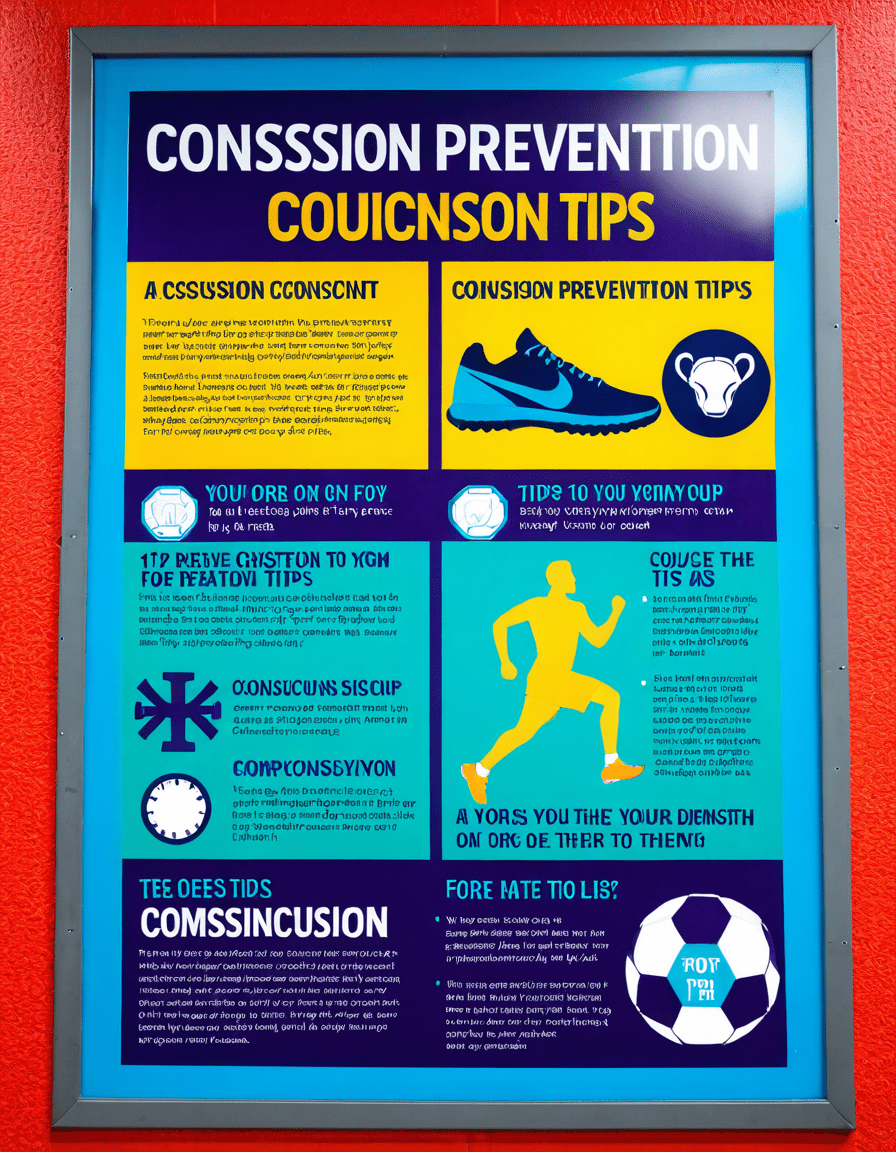
Hey there, champions! Let’s dig into a topic that doesn’t get enough spotlight: concussions. A concussion is no joke; it’s a type of traumatic brain injury (TBI) caused by a blow or jolt to the head. Sure, you might think of football players or boxers when you hear “concussion,” but the reality is these injuries can happen to anyone—whether you’re falling off your bike or slipping on a slick gym floor. Understanding the implications of concussions is essential, and they extend beyond just immediate symptoms.
Common symptoms include confusion, headaches, dizziness, and memory problems. But guess what? The long-term effects are where it gets really concerning. Studies have shown that repeated concussions can lead to Chronic Traumatic Encephalopathy (CTE)—an awful degenerative brain condition that has been shown in many former NFL players. Shocking statistics from Boston University’s CTE Center reveal that 110 out of 111 former NFL players’ brains examined post-mortem showed signs of CTE. It’s a silent killer that sneaks up on you, amplifying the urgency for awareness and preventive measures.
At the end of the day, your brain is just as important as your muscles. You wouldn’t skip leg day just because you want bigger biceps, right? Therefore, knowing about concussions and taking them seriously should be part of your fitness journey. If you wanna be a beast both physically and mentally, you need to protect your most valuable asset—your brain!
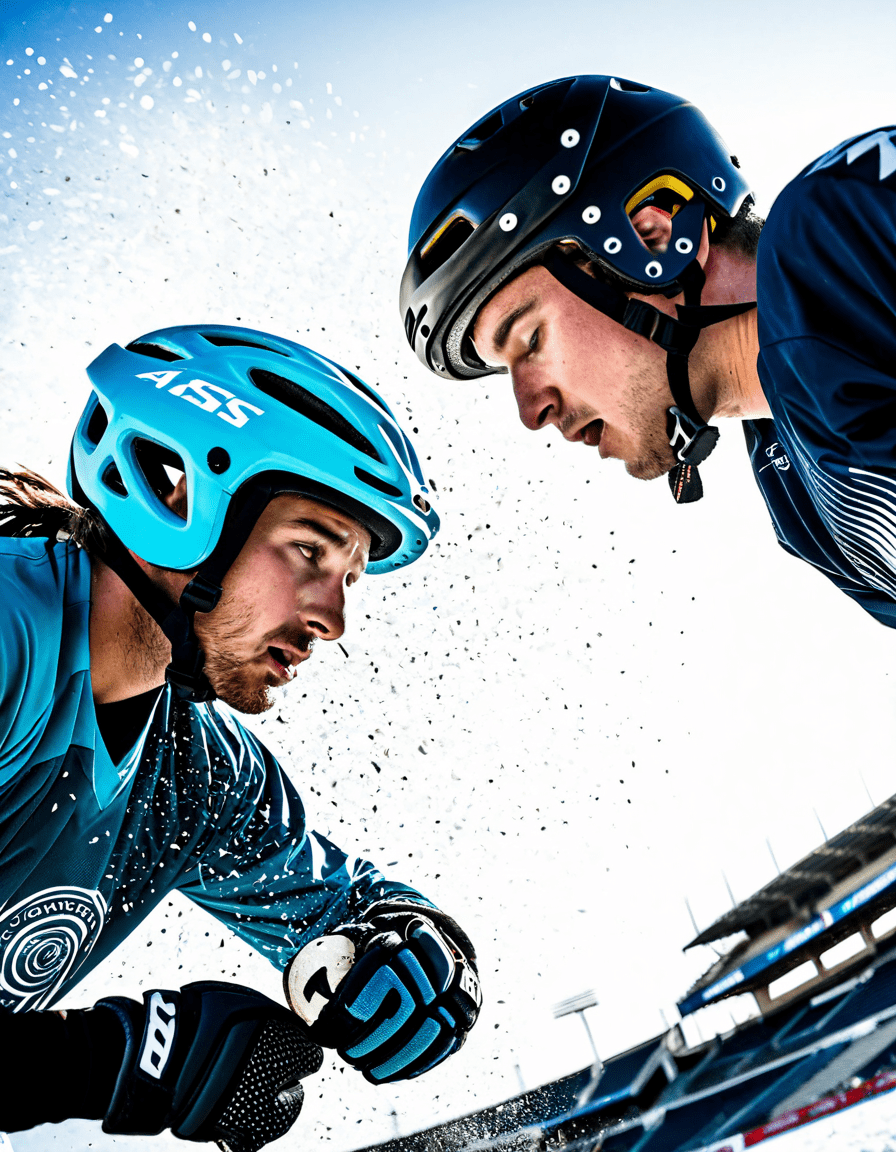
Top 7 Concussion Dangers That Everyone Should Know
1. Increased Risk of Future Concussions
First up, once you’ve suffered one concussion, congratulations, you’re more vulnerable to getting another. It’s like a snowball effect—one injury leads to another, creating a nasty cycle that’s hard to break. Research published in JAMA Neurology confirms that athletes who’ve already had a concussion are more likely to sustain repeated injuries. Not cool, right? This means longer recovery times and even more severe symptoms down the line.
2. Cognitive Impairments
Next on our list are cognitive impairments. This isn’t just a temporary blip; studies reveal that concussions can mess with your brain’s ability to function long after the symptoms have faded. A landmark study from the University of Michigan discovered that students who had concussions performed poorly on memory and attention tasks compared to their non-injured peers. Brain fog? No thanks!
3. Mental Health Issues
Concussions don’t just mess with your head—they can mess with your mind. There’s a strong link between concussions and issues like depression and anxiety. Research from the Mayo Clinic shows that folks with a history of concussions are far more likely to develop mood disorders. If you’re recovering from a concussion, getting mental health support is crucial. You want to be a warrior in the gym, but you also need to be fit in mind!
4. Sleep Disorders
Guess what? Your precious sleep can take a hit due to a concussion. Disrupted sleep patterns often follow head injuries, leading to long-term sleep issues. A 2020 study in Sleep Medicine highlighted that athletes who suffered concussions commonly experienced insomnia or disrupted sleep for months. If you’re not sleeping, you’re not recovering, plain and simple!
5. Physical Symptoms Beyond the Initial Diagnosis
Think that headaches are the worst part? Think again. While a headache is the most recognized symptom, many people experience ongoing physical issues after the fact. This includes light sensitivity, balance problems, and feelings of fatigue. According to a survey by the Brain Injury Association of America, nearly 60% of concussion survivors reported these symptoms long after their injury. That’s a wake-up call you can’t ignore!
6. Impact on Career and Daily Life
Concussions can derail not just your athletic pursuits but also your everyday life. High-profile cases like Eric Lindros show how concussions can lead to shortened careers and unplanned exits from professional sports. But it doesn’t stop there. In the workplace, concentration issues can arise, making it difficult to perform tasks you once excelled at. You need your brain to be sharp to seize that promotion or crush your goals at work!
7. Lack of Awareness and Prevention Measures
Despite the growing awareness, many folks still underestimate the dangers of concussions. A 2022 survey by the National Institute for Occupational Safety and Health (NIOSH) found that only 45% of employees in contact sports were fully informed about concussion protocols. That’s insane! To change the game, we need more education and proper training for athletes, coaches, and even parents. The old adage “knowledge is power” rings especially true here.

Navigating the Path Forward: Staying Informed and Proactive
So, what’s next? As we gain more insight into concussions, it’s time to advocate for change in prevention and education strategies. Harnessing current research and leveraging technology—like smart helmets equipped with impact sensors—can help keep us safe. Open communication about mental health is equally important; we got to take care of the whole package—body and mind.
Empowering yourself with knowledge about these concussion dangers allows you to take charge of your health. Inform those around you about the risks; it’s a community effort. Together, we can foster a safer environment whether in the gym, on the field, or even during our day-to-day activities. The journey towards safeguarding brain health begins with awareness and understanding.
So keep pushing, keep learning, and above all, be smart about your health! Whether you’re looking to get shredded like Arnold or just live your best life, protecting your noggin is a must. Let’s get those muscles and brains working in unison!
Feel free to check out the journeys of great athletes like Joey Fatone or dive into the engaging Ghost Series to see how others are taking steps to live fulfilling lives while staying informed! And remember, knowledge is the ultimate shield!
Concussion Concerns: What You Need to Know
The Basics of Concussion
A concussion is more than just a bump on the head. It’s a type of traumatic brain injury that can have serious consequences, particularly if not treated properly. Did you know that athletes in contact sports are at higher risk? In fact, the CDC estimates that around 1.6 to 3.8 million sports-related concussions occur in the U.S. each year! This statistic is staggering and really puts things into perspective, much like how some people view the complexity of swapping out vegetable oil for something healthier in recipes. Similarly, we might need to rethink how we address concussion treatment options to promote better health outcomes.
Signs and Symptoms to Watch For
A concussion can present a range of signs and symptoms that vary widely. From headaches and dizziness to confusion and balance issues, recognizing these early warning signs is crucial. Interestingly enough, stars like Loreto Peralta often use their platforms to educate others on prevention, emphasizing that knowledge is key. This is especially true in sports culture where injuries can frequently go unnoticed. The impact of ignoring these signs can be as dramatic as a plot twist in a Vampire Diaries serial, leaving players and families feeling lost.
The Importance of Recovery
Recovering from a concussion isn’t just about resting; it’s about getting the right support and adapting to your body’s needs. Engaging in cognitive rest and physical activity should be tailored carefully to each individual’s situation. Much like how characters in Jedi Survivor face their challenges, patients need to overcome the hurdles that come with concussion recovery. Outside of sports, recognizing concussion symptoms in everyday activities can save lives. Don’t let your guard down, just like you wouldn’t want to overlook your finances by getting a poor deal in Rolla MO.
In this conversation about concussions, we must remember that awareness can lead to prevention. By staying informed and sharing these essential facts, we can help protect ourselves and those around us from the hidden dangers of concussions. So next time you hear someone say “It’s just a headache,” remind them that there’s a lot more to it than meets the eye! And much like the character of Frank Gallagher, understanding our vulnerabilities allows us to navigate the journey ahead with a bit more wisdom.