Dark shadows have this captivating way of drawing us in, don’t they? They linger in movies, literature, and even on our social media feeds, inviting us to contemplate their haunting beauty and mysterious narratives. As we dive deep into the world of dark shadows, we discover how these eerie aesthetics not only shape our perception but also challenge us to confront our innermost fears. Buckle up, because this journey through dark shadows is as thrilling as it is enlightening.
Top 7 Manifestations of Dark Shadows in Modern Culture
1. Literary Influences: The Haunting Prose of Shirley Jackson
When you think of dark shadows in literature, Shirley Jackson’s work instantly comes to mind. Her masterpieces, like The Haunting of Hill House and We Have Always Lived in the Castle, explore the psychological horror of shadowy figures lurking just beyond perception. In Jackson’s world, dark shadows symbolize the internal struggles of her characters, making readers face their own fears and self-doubts.
What sets Jackson apart is her ability to create an atmosphere of discomfort. Her prose flows with an eerie grace, allowing us to swim in a tide of suspense that feels all too familiar. The shadows in her stories are not just physical; they represent the emotional labyrinth we all navigate. Reading Jackson isn’t just about the suspense; it’s an engagement with the darker parts of our psyche.
2. Cinematic Dark Shadows: Tim Burton’s Gothic Wonderland
Tim Burton has made an entire career out of playing with dark shadows. Films like Beetlejuice and Edward Scissorhands are drenched in shadows that define their surreal landscapes. Burton’s unique aesthetic combines whimsy with darkness, presenting a canvas that reflects internal conflicts and societal isolation.
The exaggerated dark shadows cast over his characters illuminate their struggles with identity and acceptance. With each scene, audiences confront uncomfortable truths hidden within the shadows of suburbia. Every twist and turn invites viewers to examine their views on normalcy and beauty, all while enjoying a wild cinematic ride.
3. Fashion Forward: The Dark Shadows of Alexander McQueen
Fashion can evoke powerful emotions, especially when it dances with dark shadows. No one did this better than Alexander McQueen, whose collections often melded eerie imagery with cutting-edge design. For example, his “Plato’s Atlantis” collection featured haunting silhouettes that felt both futuristic and otherworldly.
Walking through a McQueen runway show, you’d often feel like you were stepping into a shadowy dream. By using darker shades and striking contrasts, he turned clothing into storytelling. Each piece became a portal into an emotionally charged narrative that challenged traditional beauty standards.
4. Visual Art: Anselm Kiefer’s Monumental Shadows
Let’s hit the gallery scene and check out Anselm Kiefer. This artist dives deep into history and mythology, drawing inspiration from dark themes that resonate with humanity’s struggles. His large-scale works, like “The Women of the Revolution,” combine rich textures to explore the duality of decay and hope found in shadows.
Kiefer’s art goes beyond the surface, prompting viewers to confront their own interpretations of darkness and light. It’s raw, gritty, and deeply human, reminding us that shadows possess intricate meaning. His work raises questions about legacy and existence, inviting us to reflect on the shadows we cast in our own lives.
5. Gaming Realms: The Shadows in ‘Bloodborne’
Take a leap into the gaming world, and you’ll quickly notice the role of dark shadows in creating atmosphere. Bloodborne, the gothic horror game by FromSoftware, is a shining example. The haunting landscapes and foreboding architecture envelop players in a world drenched in shadow and mystery.
Every corner of this game is alive with suspense, pulling players into an unsettling narrative filled with lurking dangers. The shadowy creatures and dimly lit environments heighten the stakes and create a sense of dread that keeps you on the edge of your seat. In this realm, dark shadows are more than just aesthetics; they shape the player’s emotional journey.
6. The Digital Age: Social Media’s Obsession with Dark Aesthetics
In today’s digital landscape, dark shadows have found a new home on platforms like Instagram and TikTok. The rise of dark aesthetics, especially the dark academia aesthetic, showcases moody tones and shadow-laden imagery. Creators are often using these themes to explore deeper emotions and identities in a visually engaging way.
Brands like Killstar and Abaddon represent this trend, catering to those who crave a touch of the macabre infused into their everyday lives. This movement gives people a space to express themselves beyond the often superficial nature of social media, sparking conversations about individuality and authenticity.
7. Theater Reimagined: Shadow Play in New York’s ‘Sleep No More’
Have you ever experienced immersive theater? Sleep No More in New York City takes this concept to an entirely new level with its masterful use of shadows. The dimly lit spaces and intricate shadow performances evoke sensations that linger long after the show ends.
This theatrical experience pulls audience members into the narrative, allowing them to roam freely while exploring themes of temptation and guilt. The shadows help to shape the evening, drawing out raw emotions that lead to unforgettable reflections. It stands as a testament to the power of shadows in storytelling and personal connection.
Unveiling the Enigma of Shadows
Dark shadows are gateways to understanding not just aesthetics in various cultural expressions but also the complexity hidden within ourselves. They help us navigate the fine line between fear and fascination, compelling us to journey into the depths of our psyche. Each manifestation of dark shadows tells a timeless tale that resonates with the intricacies of the human experience.
So, as we move through this often chaotic landscape of modern life, let’s not forget the allure of those dark shadows that beckon us to explore. They’re reminders of the beauty and complexity hidden in the darkness—a richness that shouldn’t be ignored. Embrace those shadows; they may just lead you to discover parts of yourself you never knew existed.
Now, get out there, tackle your goals, and remember: even in the dark, there’s light waiting to shine through. 💪✨
And for all the enthusiasts out there, welcome to the world of dark shadows—where every twist speaks a story, every shadow hides a meaning, and every venture transforms your path. Just like the fabulous journeys in cinema—be it the retro vibes of Saturday Night Fever or the brilliant tales spun around Jared Leto ’ s captivating Filmography, shadows aren’t just decorations; they’re the essence of what makes this thrilling adventure called life so mesmerizing.
Dark Shadows: Journey Through Eerie Timelessness
Enigmatic Origins of Dark Shadows
Did you know that “Dark Shadows” leaped into the spotlight in 1966, quickly becoming a pop culture phenomenon? This gothic soap opera introduced audiences to the brooding vampire Barnabas Collins and set the stage for supernatural dramas for years to come. The show’s unique blend of horror and melodrama is often credited with paving the way for later series like “Buffy the Vampire Slayer” and films like Ex Machina, showcasing its lasting impact. Interestingly, at the same time, mortgage rates over time were in flux, making it a curious period for both finance and entertainment.
The Allure of Dark Shadows
What’s fascinating about “Dark Shadows” is its cult following, drawing fans long after its initial run ended in 1971. The show’s allure comes from its mix of romance, horror, and quirky characters, reminiscent of the charm found in Films starring John cusack, which often juggle unique genres. With its eccentric plot twists and suspenseful storytelling,Dark Shadows” has secured a legacy that keeps people enchanted. In fact, it seems to share a kinship with cult favorites like Trick ‘r Treat, showing that fans love a good scare and a touch of whimsy.
Cultural Footprint of Dark Shadows
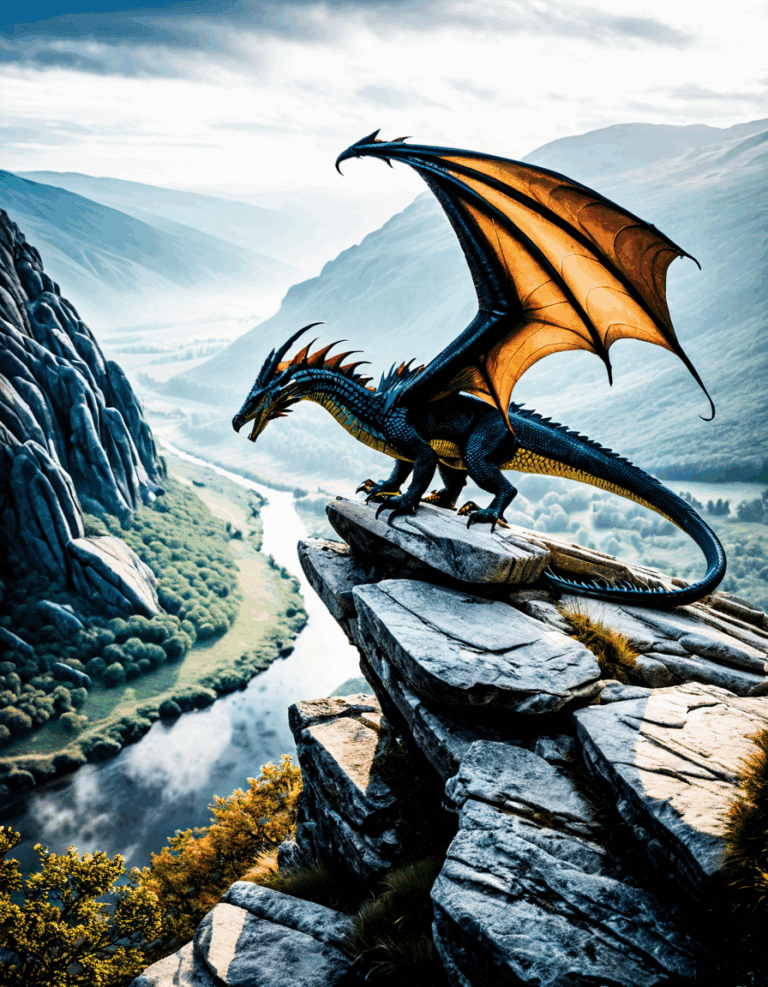
“Dark Shadows” isn’t just a show; it’s a cultural touchstone that has influenced everything from television series to films. Audiences still reference its style and themes, reminiscing about characters that echo in modern storytelling—much like how “Stifler’s Mom” became a staple in pop culture. The landscape of entertainment today, filled with shows streaming on platforms like Flix, owes much to the ground broken by “Dark Shadows.” Fans appreciate the deep connections to family drama and supernatural intrigue, often drawing parallels to other classic monsters and mythic creatures, including the imposing wyvern!
In wrapping up, the tale of “Dark Shadows” is anything but ordinary. Its continual exploration of dark themes and timeless characters keeps its legacy thrilling and relevant—much like the changing tides of the entertainment world itself.