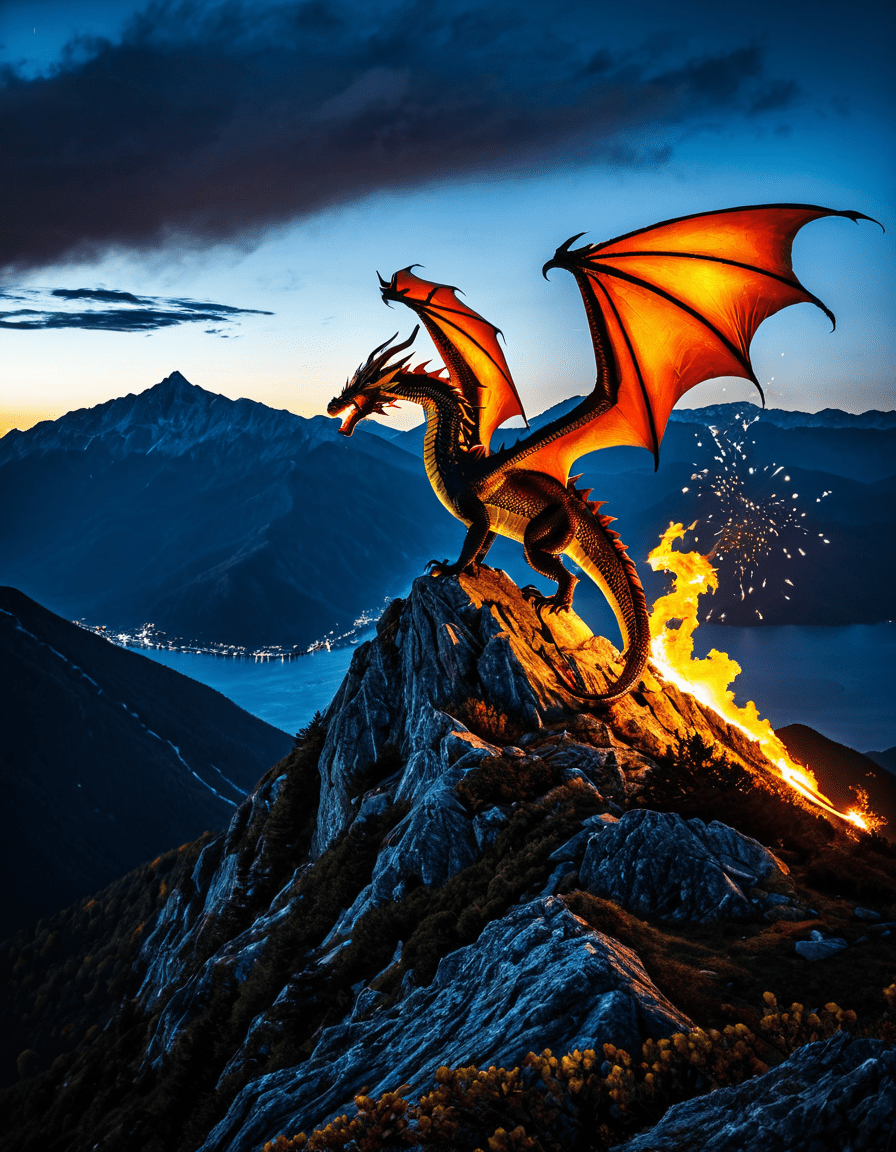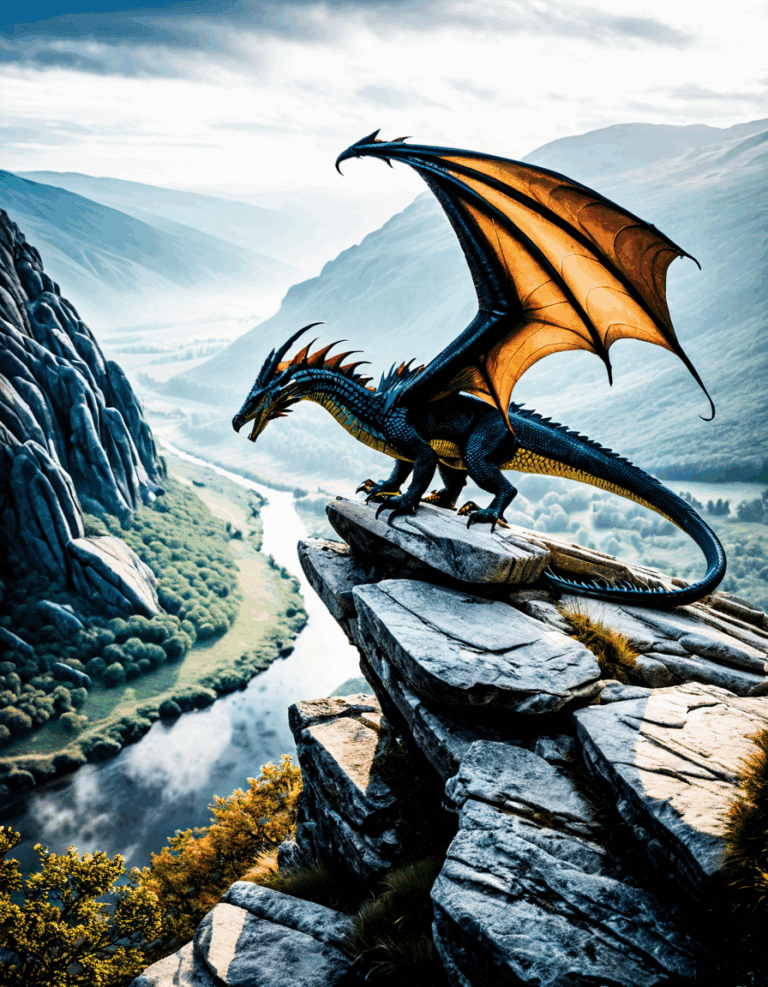
Dragons have always been more than just mythical creatures; they’re powerful symbols ingrained in human storytelling across cultures. The ageless charm of dragons lies in their dual nature—capable of creation and destruction. In Eastern philosophies, dragons are celebrated as benevolent beings tied to water and fertility. Conversely, Western tales often depict them as fierce adversaries, guarding treasures and instilling fear. This captivating dichotomy gives rise to stories that stimulate our imaginations and challenge our perceptions. Let’s delve into how these iconic figures have evolved and how they continue to resonate in modern culture.
The Enduring Legacy of Dragon Mythology
Eastern vs. Western Dragons
When it comes to dragons, there’s a telling contrast between Eastern and Western depictions. Eastern dragons, such as those revered in Chinese culture, represent harmony and prosperity. Consider the legendary Zhu Rong, a dragon-like deity associated with fire. Unlike their Western counterparts, which are portrayed as perilous creatures to be vanquished, Eastern dragons symbolize the balance of nature, often tied to rain and bountiful harvests.
In stark contrast, Western dragons often manifest as malevolent beasts like Fafnir from Norse mythology. Fafnir, initially a dwarf, succumbed to greed and transformed into a dragon to guard his treasure. This shift from protector to predator reflects deeper philosophical differences within the societies that birthed these legends.
Historical Origins
You might be surprised to learn that the origins of dragon myths can trace back to the awe and fear of large reptiles or the sacredness of snakes in ancient civilizations. Archaeological findings and ancient texts, such as the Epic of Gilgamesh, hint that these myths are a fundamental aspect of human history. This ancient lore paved the way for contemporary stories we cherish today, showcasing the profound connections between the past and present.
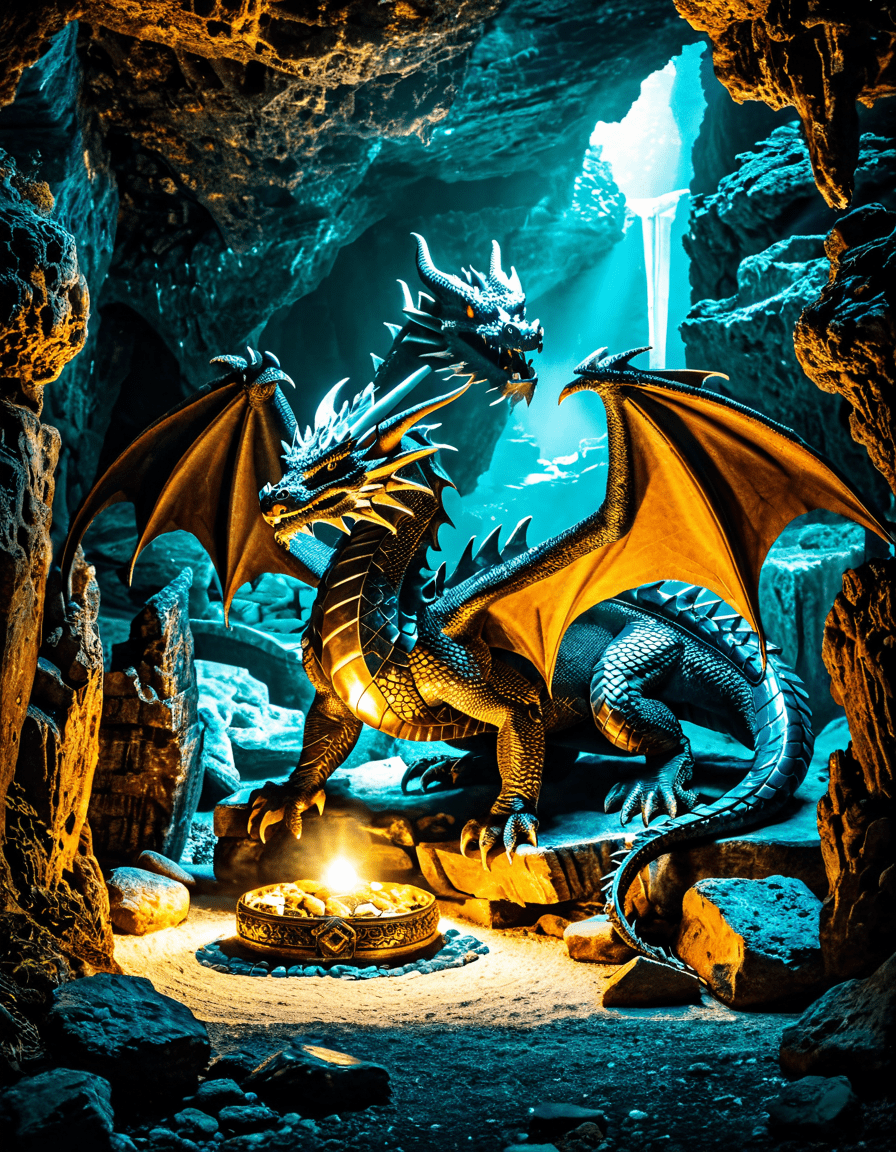
Top 7 Dragons That Shaped Cultural Narratives
Fafnir’s transformation embodies themes of greed and consequence. His tale lays the groundwork for many fantasy narratives, influencing characters like Smaug in J.R.R. Tolkien’s The Hobbit. The evolution of Fafnir sets the stage for moral conflicts in storytelling.
This fire deity not only illustrates the balance of nature but also highlights dragons’ vital roles in cultural narratives. Zhu Rong’s legacy ties closely with the significance of water in agriculture—integral to sustaining life, much like the role of fitness in cultivating our own bodily strength.
With its two-legged form, the wyvern symbolizes the power structures of medieval Europe. This dragon variant also influences modern depictions of dragons in video games, showcasing their evolution into formidable foes, as seen in titles like Dark Souls.
The Feathered Serpent not only connects life and death but also emphasizes spirituality within Aztec culture. Quetzalcoatl’s complexity can be seen in modern portrayals where wisdom and malice coexist, like Smaug’s character.
Draco’s defeat by heroes like Heracles speaks volumes about heroism. This dragon’s story isn’t just about conquest; it connects the stars with ancient myths, reinforcing the ancient habit of intertwining nature and mythology.
Tiamat, embodying chaos, represents the intricate dance between creation and destruction. This duality inspired countless tales, including modern shows like Game of Thrones, where dragons symbolize both awe and terror.
The Midgard Serpent encircles the Earth, signifying a threat to the gods and embodying themes of cyclical time. Jörmungandr’s role in Ragnarök serves as a reminder of the eternal struggle between good and evil, inspiring themes in films like The Avengers.
The Symbolism of Dragons in Contemporary Culture
Dragons aren’t just relics of ancient history; they’re vibrant symbols with modern relevance. In today’s literature, these mythical beings often reflect internal and societal struggles. The way dragons are portrayed in stories speaks to our fears, aspirations, and the complexities of human nature.
Literary Analysis and Character Depth
Modern authors have pushed the boundaries of traditional narratives. For instance, in Naomi Novik’s Uprooted, dragons are depicted as multi-dimensional beings. This shift showcases empathy and understanding, challenging readers to engage with these creatures beyond their monstrous exteriors.
Dragons in Gaming
In the realm of video games, dragons take on significant roles that defy simple archetypes. Indeed, titles like Elder Scrolls V: Skyrim allow players to engage with dragons as both adversaries and allies, showcasing the multifaceted nature of these creatures while enhancing storytelling depth and interaction.
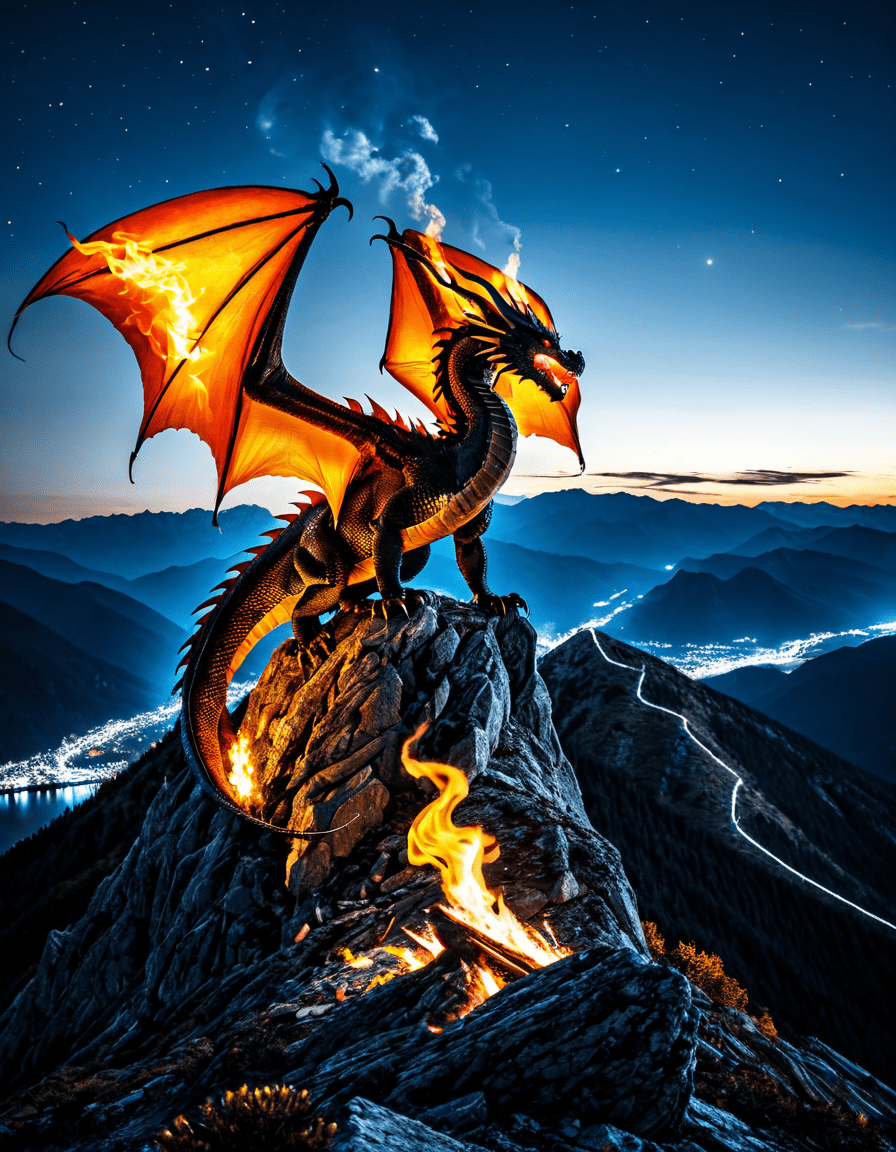
Innovations in Dragon Representation in Media
As we stroll down the path of modern media, the representation of dragons undergoes a fascinating evolution. Thanks to advancements in animation and technology, audiences now explore dragons in innovative ways.
Animated Features
Films like How to Train Your Dragon flip the script by portraying dragons as companions instead of enemies. These animated stories encourage connections rooted in trust and friendship, showing younger audiences that heroes and monsters can coexist harmoniously.
Virtual Reality Experiences
Virtual reality is taking the dragon experience to new heights. Companies like Oculus create immersive environments that let you encounter dragons up close. These interactive experiences bridge the gap between myth and reality, appealing to both gamers and story enthusiasts.
In conclusion, dragons continue to capture our imaginations across generations. Their narratives remind us of the complexities of life and the inner battles we face. Whether they represent our fears, ambitions, or desires, dragons are reflections of ourselves—inviting us to explore the deeper truths within our own stories. So, next time you see a dragon in a movie or game, remember that its tale is not just about fire and fury; it’s a powerful mirror of the human experience. Now, are you ready to unleash your inner dragon? Get shredding, gain muscle, and conquer your own battleground!
Dragon Myths and Legends: Fascinating Tidbits
The Dragon’s Origins
Dragons have been swirling through folklore for millennia, captivating imaginations around the globe. Ancient cultures have portrayed these majestic creatures in diverse ways; from the menacing dragons of European lore to the benevolent ones in Asian traditions. Did you know that the word “dragon” comes from the Greek word “drakōn,” which means “serpent”? This fascinating etymology connects the dragon’s tales back to the deep, primordial fears humans have had about snakes and other reptiles. It’s interesting to think about how these myths might inspire films today—like the incredible performances of the Dallas Buyers club cast, reminding us that storytelling can bridge the gap between ancient legends and modern narratives.
The Many Faces of Dragons
Dragons aren’t just fearsome beasts; they also symbolize power, wisdom, and mystery. In various traditions, these creatures are guardians of treasure or sacred knowledge. For instance, in China, dragons are associated with water and are believed to control rainfall and floods. That’s quite a leap from golden hoards and knights, right? While we’re exploring such contrasts, consider how different stories can weave seamlessly into entertainment today, much like the clever deductions in Sherlock, where every twist reveals layers of meaning.
Have you ever thought about how a dragon might reflect the relationship between a cub and its mother in the animal kingdom? Just like a protective mother might defend her young, dragons often serve as guardians and protectors in folklore. This duality paints them as not only fierce but also nurturing figures, embodying the continuous tug between danger and devotion.
Dragons in Modern Culture
Fast forward to contemporary storytelling, and dragons still reign supreme in movies and games. Have you ever caught a glimpse of a dragon’s epic size and scale in fantastical films? They elevate narratives like in Jurassic The Park, where the thrill of the chase feels similar to a knight vs. dragon battle. Furthermore, major video game releases often include dragons as formidable foes or allies, lending a sense of wonder and challenge. Keep your eyes peeled for titles dropping soon, as fans are buzzing about the latest war within release date—it promises to be spellbinding!
In conclusion, dragons embody rich cultural tales that echo through time. Whether they’re terrifying foes or wise mentors, these mythical beings continuously inspire our stories today, reminding us of our past while dazzling our present with endless possibilities. So next time you ponder about dragons, remember their legacy continues to shape the narratives we enjoy—perhaps even while you’re wondering Where can I watch Criminal Minds next, or diving into the universe of Foe and Fiona. The age-old allure of dragons will always captivate us!