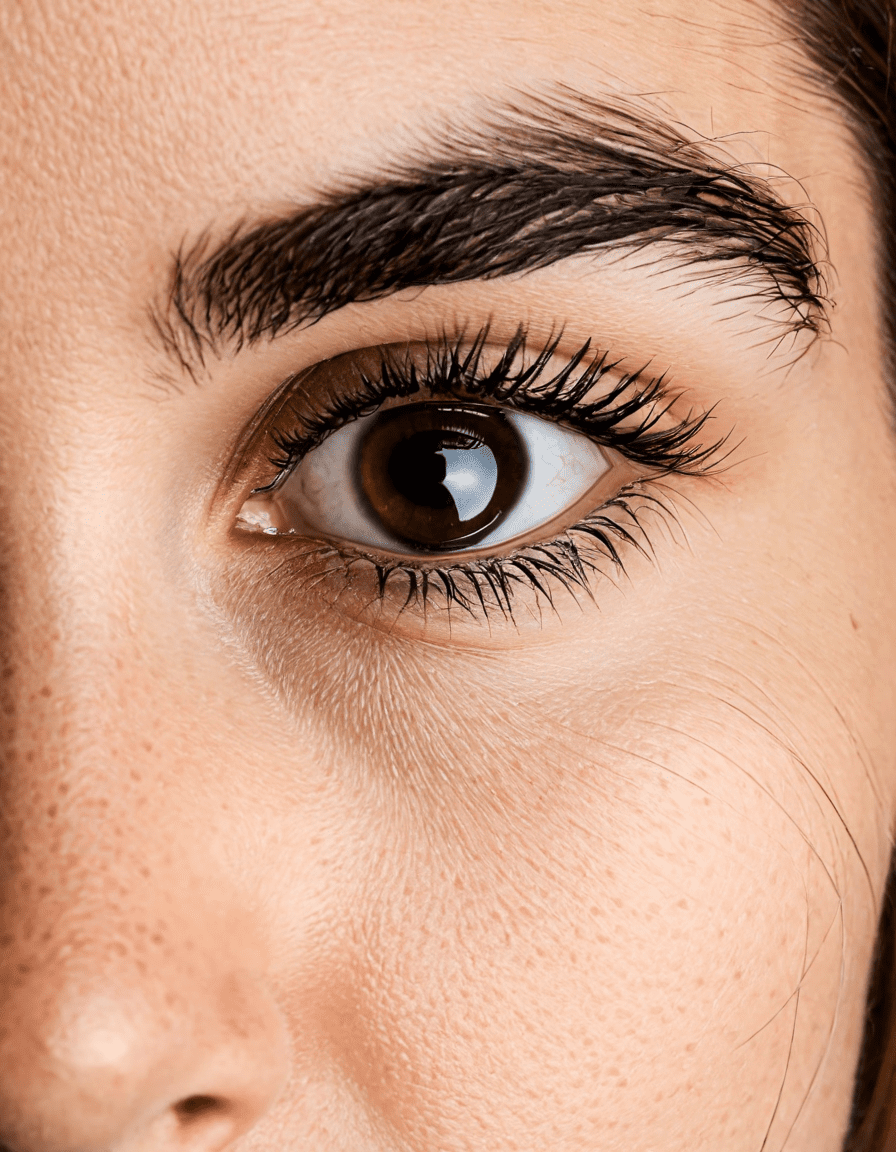
The evil eye—a term that conjures images of envy, bad luck, and cultural mysteries—has been around for centuries. It’s more than just a few folk tales; it’s a thread woven into the fabric of countless societies worldwide. Whether you’re sipping espresso in a Mediterranean café or scrolling through Instagram, the notion of the evil eye carries relevance, whispering fears and truths about our shared human experience. So grab your amulet or protective charm, and let’s dive deep into the fascinating world of the evil eye!
Understanding the Evil Eye and Its Cultural Significance
The concept of the evil eye isn’t limited to a single culture or tradition. From the stories passed down in Mediterranean villages to the latest social media trends, it’s a vast, fascinating subject. This superstition is essentially the idea that one can inflict harm—often through jealousy—just with a glance. Various cultures have their interpretations: in some, it’s merely a blessing in disguise gone wrong, while in others, it’s a very real threat demanding protection.
The roots of the evil eye date back to ancient civilizations, from Greece to India. Many believed that envy could spawn calamities and misfortune, leading to widespread practices that protect against it. Today, these beliefs remain culturally significant, manifesting in everything from jewelry worn by celebrities like Courtney Cox to charming talismans displayed in homes across the globe. As we navigate modern life, the evil eye serves as a reminder of the age-old human emotions of envy and competition that still linger beneath the surface.
Top 7 Surprising Facts About the Evil Eye That Will Shock You
Numerous religions, including Islam and Hinduism, regard the evil eye as a formidable force capable of breeding negative energy. In Islamic culture, the concept of protection through specific prayers and amulets—called ‘nazar’—is widely accepted. Many believe these protective measures can effectively shield them from the malevolent gaze of envious individuals.
Today, celebrities like Rihanna and Madonna flaunt protective jewelry adorned with the traditional evil eye symbol. It’s fascinating how this ancient belief has jumped into the fashion spotlight, appealing not just to spiritual seekers but also to trendsetters. The incorporation of the evil eye into stylish accessories ensures that this cultural phenomenon stays relevant amidst today’s hustle and bustle.
While the symbolism of the evil eye persists globally, the methods for protection differ significantly. For instance, in Mexico, many people wear a red string bracelet known as ‘pulsera de la suerte’ to ward off negative energies. Conversely, Italians often carry a horn-shaped talisman, colloquially called ‘corno’. These minor differences in symbols showcase the diversity in combating the same underlying fear of envy.
Psychological studies suggest that believing in the evil eye can impact mental health. People who feel vulnerable or insecure may be more prone to worry about negative energies directed toward them. This interplay between superstition and the perception of jealousy shows that our beliefs can significantly alter our mental state, leading us into a cycle of anxiety and fear.
Historical texts, including the Talmud and writings from ancient Greece, highlight long-standing fears regarding the evil eye. Relevant studies indicate that about 30% of individuals from various backgrounds believe they have experienced its effects. These ratios illustrate how widespread the belief is, emphasizing its impact across cultures and time periods.
Social dynamics can influence perceptions of the evil eye. Those in higher social classes may attract more envy, fostering greater beliefs in the evil eye’s power. This phenomenon is particularly evident in societies where socio-economic standing plays a vital role, leading to fear and protective measures against perceived threats from envious peers.
In our digital age, where envy often finds a platform, the evil eye is experiencing a revival. Social media giants like Instagram and TikTok are buzzing with influencers sharing their experiences with the evil eye, making it a topic of discussion that transcends geographical borders. Suddenly, ancient superstitions gain a fresh spin, as people connect over shared fears and personal beliefs.

The Science of Belief: Analyzing the Evil Eye Mythos
Psychological and sociological research dives into why superstitions like the evil eye endure despite the progress of science. Beliefs rooted in the evil eye often provide a framework for interpreting life’s misfortunes. When faced with adversity, people may attribute their struggles to external forces rather than viewing them as personal failures, creating a layer of comfort amidst uncertainty.
This belief system offers individuals a means of coping. By positing that misfortunes arise from the envy of others, they can externalize their fears. It even creates a shared cultural mythology, allowing individuals to bond over common beliefs and experiences, fostering community and understanding through shared vulnerabilities.
Challenging the Narrative: Debunking Common Myths
Many misconceptions surround the evil eye, such as the idea that every gaze is born from ill intent. For instance, it’s a myth that one must always be on guard. By encouraging critical thinking, we can navigate these fears without falling into paranoia. After all, not everyone who looks your way wishes you harm; sometimes, it’s just passing curiosity or admiration.
Understanding the evil eye allows us to confront and dispel misconceptions. By examining the emotional roots of envy and jealousy, we take a step back to view envy as a common thread in the fabric of human interactions. More often than not, we could focus on empowering each other rather than letting fear and superstition dictate our lives.

Cultural Celebrity Cases: When Stars Encounter the Evil Eye
High-profile celebrities often share their brushes with the evil eye. For instance, Naomi Campbell has discussed using protective measures after facing challenges throughout her career. Public figures serve as platforms through which the evil eye enters the mainstream conversation, shedding light on its underlying cultural significance.
These stories help demystify the evil eye, revealing that even those at the pinnacle of success may feel vulnerable. Celebrities like Danielle Harris and Lisa Robin kelly have alluded to the importance of protection in their lives, emphasizing the emotional weight that accompanies envy and competition in fame. By embracing their narratives, we see that the fears tied to the evil eye connect us all, regardless of our status.
In the end, exploring the evil eye becomes an enlightening journey rather than a path laden with fear. This ancient belief encourages us to confront feelings of envy and strive for deeper connections with others. As we engage with the evolution of these superstitions in our modern age, we open ourselves to understanding the fundamental fears we all share, which, ironically, brings us closer together.
So keep your head held high, channel your inner Schwarzenegger, and battle those demons of doubt and jealousy—the real victory lies in your ability to uplift yourself and others!
Evil Eye Myths and Truths That Will Shock You
The Origins of the Evil Eye
The concept of the evil eye dates back thousands of years and roots itself in various cultures, each with its own take on this well-known superstition. Found in places as distinct as Ancient Greece and the Middle East, people believed that envy could inflict harm, often caused by a direct gaze. Did you know that in some cultures, people wear blue eye-shaped amulets to ward off this negative energy? It’s fascinating how rituals develop around beliefs. Speaking of beliefs, in sports rivalries like the recent Bengals Vs Steelers match, fans often wear lucky charms. The energy surrounding these games can resemble the fears tied to the evil eye, where one’s envy may result in opponents’ misfortune.
Folklore and The Evil Eye
In folklore, tales run rampant about individuals who suffered from the evil eye’s curse. Traditional remedies include the use of sea salt, mirrors, and, interestingly, specific prayers. These methods are often passed down through generations. Researchers even discuss how practices resemble modern-day techniques. For example, the veterinary transfer Of Radiographs has advanced significantly, yet mysticism continues to linger in animal care as some believe pets can sense negative energy. It’s intriguing to think how superstition intertwines with everyday life!
Modern Impressions and Misunderstandings
In today’s fast-paced world, interpretations of the evil eye evolve constantly. For example, trending discussions on social media platforms may shed light on the psychological impact of negative energy in daily interactions. Moreover, with financial independence gaining momentum through platforms like Ignition Casino, it’s easy to see how money can become a focal point of envy, opening avenues for evil eye thoughts. People often wonder,Am I being watched? especially when achieving personal milestones. It’s essential to remember that the term “evil eye” encompasses more than just jealousy; it’s a deeper reflection of our interconnectedness, particularly in community-focused areas like Shallotte NC, where tradition and modern relationships blend seamlessly.
So, what do you think? Could the stories of the evil eye, passed through time, affect how we perceive good luck and bad fortune today? These fascinating insights remind us that while some superstitions might seem outdated, they still pack a punch in our evolving cultures. And just like Pamela Bachs inspiring journey, our beliefs and actions shape our stories, defying the very doubts linked with the notion of the evil eye!