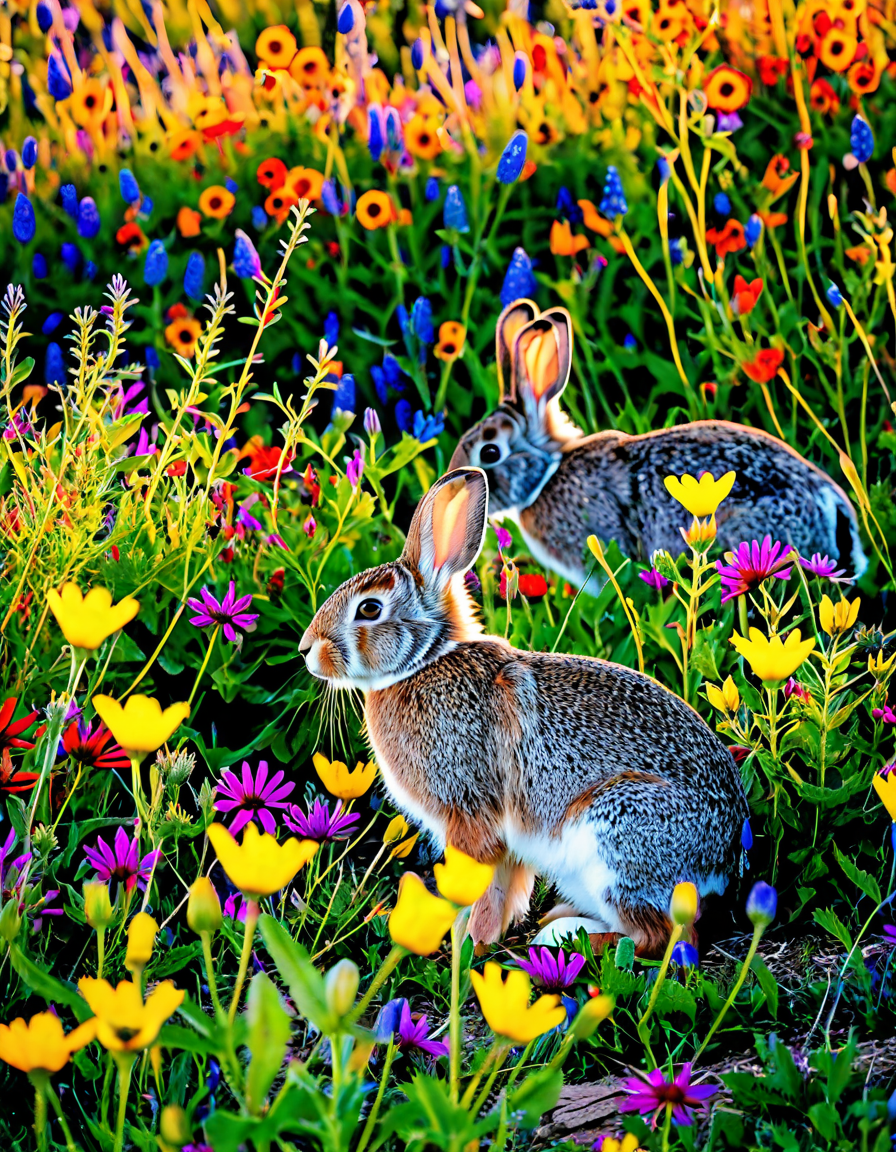
When you ponder the concept of feral, what comes to mind? For many, it’s the image of stray cats or wild dogs roaming the streets. But the wild world of abandoned animals tells a different tale—one of resilience, adaptability, and struggles for survival. These creatures showcase the stark reality of feral life, revealing how abandonment impacts their psyche, behavior, and future. So, buckle up as we dive deep into this fascinating subject, where feral instincts collide with the harshness of urban environments.
The Psychology of Feral Animals: Nature vs. Nurture
Feral animals undergo a significant psychological shift once they experience abandonment, a phenomenon that’s a real eye-opener. For these animals, survival is not just about scavenging for food—it’s about adapting to a life away from human dependence. Unlike our cuddly pets, who thrive on affection and care, feral creatures build instincts that help them fend for themselves in the wild.
Research from institutions like the University of Georgia shows that feral cats, for instance, can inherit some survival skills from their ancestors. But here’s the kicker: they also develop fears or preferences based on their interactions within their environment. Just think about it—a feral cat might be distrustful of humans if its early experiences involved abuse. The dual impact of genetics and early life experiences makes understanding these animals all the more compelling.
But let’s not forget that feral animals often exhibit behaviors that can seem downright psycho to outsiders. Fear-driven aggression, extreme shyness, or sudden trust in humans can all appear. Documented cases tell the story of friendly dogs morphing into skittish ferals after abandonment, showcasing the serious psychological toll that such a shift can impose.

Top 7 Insights into Abandoned Animals and Their Feral Futures
Donkeys, once reliable farm companions, frequently end up abandoned when they become too costly or labor-intensive. Without human care, these feral donkeys need to forage and adapt to unpredictable environments. In places like Palm Springs, California, the feral donkey population has skyrocketed. This boom raises concerns over habitat destruction and competition with local wildlife, revealing just how intricate these adaptations can be.
Feral animals often scramble for food, yet their dining options can be limited and lacking vital nutrients. Take feral cats, for example. Research suggests they thrive on diets rich in protein and vitamins. Advocacy groups like Alley Cat Allies emphasize the need to provide proper nutrition, strengthening their health and promoting longer, happier lifespans.
Abandonment manifests in ways that can seem wild, if not downright psycho. Left to their own devices, abandoned pets can turn aggressive or nearly paralyzed with fear. Imagine a once-friendly dog startled by rustling leaves—its transformation into a defensive creature highlights the psychological toll of being discarded. Understanding this can help dispel misconceptions about their behavior.
Organizations like the ASPCA have adopted innovative tools to manage feral populations effectively. One major endeavor is the Trap-Neuter-Return (TNR) program, which curbs population growth while decreasing human-animal conflicts. This method shows stellar promise in stabilizing stray cat communities, contributing to a healthier coexistence.
Ever wonder how researchers gain insights into feral animals? By tagging individuals with GPS collars, they gather essential data on migration patterns. This information shines a light on urban feral populations and their adaptations. Projects in cities like Berlin have unearthed crucial insights into their interactions with human environments, offering a clearer picture of their challenges.
The reality check comes when we talk about the ecosystem. Certain feral animal populations, like feral pigs in Texas, are officially classified as invasive. Their destructive foraging affects crops and native wildlife, making it paramount to understand these dynamics as we think about conservation efforts.
With urbanization on the rise, feral animal populations face an uncertain future. Nonprofits are stepping it up, pushing for sustainable practices that both protect these animals and advocate for community involvement. Educational initiatives and legislation focused on animal welfare are vital in navigating the challenges ahead.
Innovating Solutions: Bridging the Gap Between Feral and Friendly
Addressing the issues surrounding abandoned and feral animals requires evolving conversations and fresh perspectives. Encouraging responsible pet ownership is paramount. One knucklehead move we can eliminate is neglect; so, let’s communicate the importance of preparing for pet ownership.
Expect innovative solutions like communal feeding stations and sterilization programs to gain momentum in enhancing the lives of our feral friends. Engagement with local communities can pave the way for strategies that balance human presence and animal welfare, fostering harmony between feral populations and the ecosystems they inhabit.
In wrapping up, recognizing the challenging realities faced by feral animals offers profound insights into survival, community, and compassion. By understanding their needs and behaviors, we stand a better chance of ensuring a more promising future. Let’s get inspired to take action—after all, every animal, feral or not, deserves a fighting chance.
In this exploration of the feral nature, we’ve peeled back the layers of complexity, revealing the fierce determination of these animals. Each discovery leads us to a greater awareness and motivates us to take responsibility for our shared environment. Let’s champion the cause of compassionate coexistence and begin making impactful changes together for every abandoned soul that deserves a second chance.

Feral Insights: Fascinating Facts About Feral Animals
What Does ‘Feral’ Really Mean?
When you think of feral animals, you might picture a wild cat prowling the streets or a pack of dogs scavenging in an abandoned area. The term “feral” refers to domesticated animals that have returned to the wild, often adapting in surprising ways. Did you know that feral cats can create colonies that thrive in urban environments? These resilient creatures demonstrate instincts that echo their dramatic ancestors. Just like the plot twists found in a film like Last on Us, the adaptability of feral animals often leads them to unexpected living situations, urging us to reconsider our perception of domesticity.
Feral animals, much like unexpected summer surprises, navigate the challenges of urban life or overgrown countryside with a fierce spirit. They form their own communities and even mimic the social behavior of their species, highlighting just how adaptable animals can be, reminiscent of Cruel Summer nuanced storytelling. Furthermore, feral animals embody a unique blend of instinct and learned behavior, as seen in how well they can thrive in various environments, often leading to intriguing dynamics among wildlife.
The Unexpected World of Feral Creatures
Ever heard that feral animals can be as elusive as a magician from the Now You See Me cast? These creatures often live in plain sight but remain shrouded in mystery. For example, a feral dog might be seen roaming a neighborhood, yet its background story could be a tangled weave of abandonment or escape. Such stories remind us of how interconnected survival is, not unlike the intricate strategies in sports like football—with players like Dalvin Cook showing the agility needed on the field to triumph.
It’s fascinating to note that while many may fear feral animals, they also play essential roles in the ecosystems they inhabit. For instance, feral cats help control rodent populations, creating a balance in urban environments. This symbiotic relationship can remind us of more famous pairings in pop culture, like Robert De Niro and his iconic film characters, who often thrive against the odds. Likewise, feral animals highlight the intricate balance of nature that thrives amidst chaos, just like the unexpected yet tailor-made credentials of various creative paths.
The Survival Instincts of Feral Species
There’s no denying that feral animals are survivors. Their instincts drive them to forage for food, find shelter, and adapt to changing conditions—similar to Jessi Lawless in her rise to prominence, showing that resilience can lead to unexpected outcomes. Remarkably, feral creatures sometimes exhibit behaviors reminiscent of their wild ancestors, often relying on keen senses to hunt or evade threats. For example, a feral raccoon will scavenge through trash with the same cunning as a leopard stalking its prey, proving that survival is at the core of their existence.
Across the globe, these feral populations have sparked debates about animal welfare and control methods, leading to varied opinions on how best to manage them. While some advocate for spaying and neutering to stabilize populations, others question the need for intervention altogether. Much like the varied opinions about What Did Diddy do in his latest ventures, the discussions surrounding feral animals are multi-faceted and complex. With each new story, we gain insight into not just survival, but the intricate tapestry of life where these animals play their part, reminding us of the wild pulse of life just beyond our doorsteps.