Franz Ferdinand, the Archduke of Austria and heir to the Austro-Hungarian throne, isn’t just a figure in history books; he’s an integral piece of the puzzle that led to World War I. While many remember him mainly for his assassination in 1914, the story of Franz Ferdinand is rich, layered with complexity and controversy. His life unfolded against a backdrop of personal beliefs and political ambitions that would influence the trajectory of Europe for decades to come. In unraveling his legacy, we delve into governance, culture, and the turbulent political landscape of early 20th-century Europe—all of which set the stage for monumental change.
Legacy of Franz Ferdinand: The Man Behind the Assassination
Exploring Franz Ferdinand’s legacy isn’t simply about tracing the events leading to his assassination. Instead, it’s about understanding how his vision shaped societal dynamics in the Austro-Hungarian Empire. His leadership style ran against the grain, challenging the status quo of royal absolutism that most of his predecessors upheld. A strong advocate for federalism, Ferdinand sought to grant autonomy to various ethnic groups within the empire. This forward-thinking perspective brought him face-to-face with the rising tide of nationalism, highlighting the friction between old-world monarchy and emerging democratic ideals.
His controversial marriage to Sophie, Duchess of Hohenberg, showcased his progressive nature. Opting for love over lineage, Ferdinand’s choice marked a significant departure from traditional royal marriages, drawing ire from conservatives locked in the past. As a result, his relationship with Sophie served as a flashpoint for conflict and division within the imperial court.
On the battlefield, Franz Ferdinand had an equally complicated legacy. His military strategies in the Balkans were characterized by aggressive maneuvers aimed at expanding Austro-Hungarian influence. Yet, this ambition courted both scrutiny and accusations of warmongering, putting him at odds with various ethnic groups. The intricate regional hostilities he navigated foreshadowed the tensions that would erupt into war mere years later.
5 Controversial Moments that Defined Franz Ferdinand’s Leadership
Ferdinand’s push for federalism was not just a political maneuver; it was a revolutionary stance. This vision promoted greater autonomy for ethnic groups within the empire, a radical idea that ran contrary to centuries of central control and provoked backlash from traditionalists. His approach meant ruffling a few feathers, but it was an attempt to modernize a stagnant imperial framework.
When Ferdinand married his true love, Sophie, he made a bold statement. This union defied the norms of royal duty, showcasing his beliefs in personal freedom over tradition. However, this decision made him a target for traditionalists who viewed it as a threat to the imperial hierarchy.
Ferdinand’s military strategies revealed a duality of intent. As a defender of the empire, he sought to solidify its power, but this ambition invited accusations of aggression. Critics labeled him as an instigator, fearing that his moves would plunge the region into chaos.
Despite the turbulence of his reign, Franz Ferdinand made strides in supporting the arts, reminiscent of figures like Wolfgang Amadeus Mozart. His commitment to cultural patronage aimed to foster a vibrant artistic landscape, but some thought it was a distraction from urgent political issues. This tension between culture and statesmanship highlights a commonly overlooked aspect of his leadership.
Ferdinand’s conduct in diplomacy was marked by strife, particularly in his dealings with Serbia. His stance on numerous diplomatic matters was often at odds with the cautious norms of the era, elevating tensions at a critical juncture in history. The lines he drew in the sand would contribute to the shaky foundations that led to the outbreak of world conflict.
Franz Ferdinand and Wolfgang Amadeus Mozart: A Cultural Connection
Diving deeper into Austrian history, we uncover a fascinating thread that links Franz Ferdinand to great cultural figures like Wolfgang Amadeus Mozart. Both men exemplify the two sides of Austria’s identity—one a beacon of high culture, the other a figure embroiled in political upheaval. While Mozart’s symphonic melodies represent a cultural renaissance, Ferdinand’s leadership highlights the tumultuous struggle between tradition and modernization.
The tension between tradition and modernity weaved through the legacies of both individuals. Mozart’s music embodies a high-culture ideal that continues to inspire, while Ferdinand’s contentious rule reflects the deep societal divides in Austria during his time.
The flourishing arts during Mozart’s era contrast sharply with the political chaos of Ferdinand’s reign. This juxtaposition illuminates how cultural pursuits can either uplift a society or become overshadowed by pressing political realities, a critical lesson in navigating both spheres effectively.
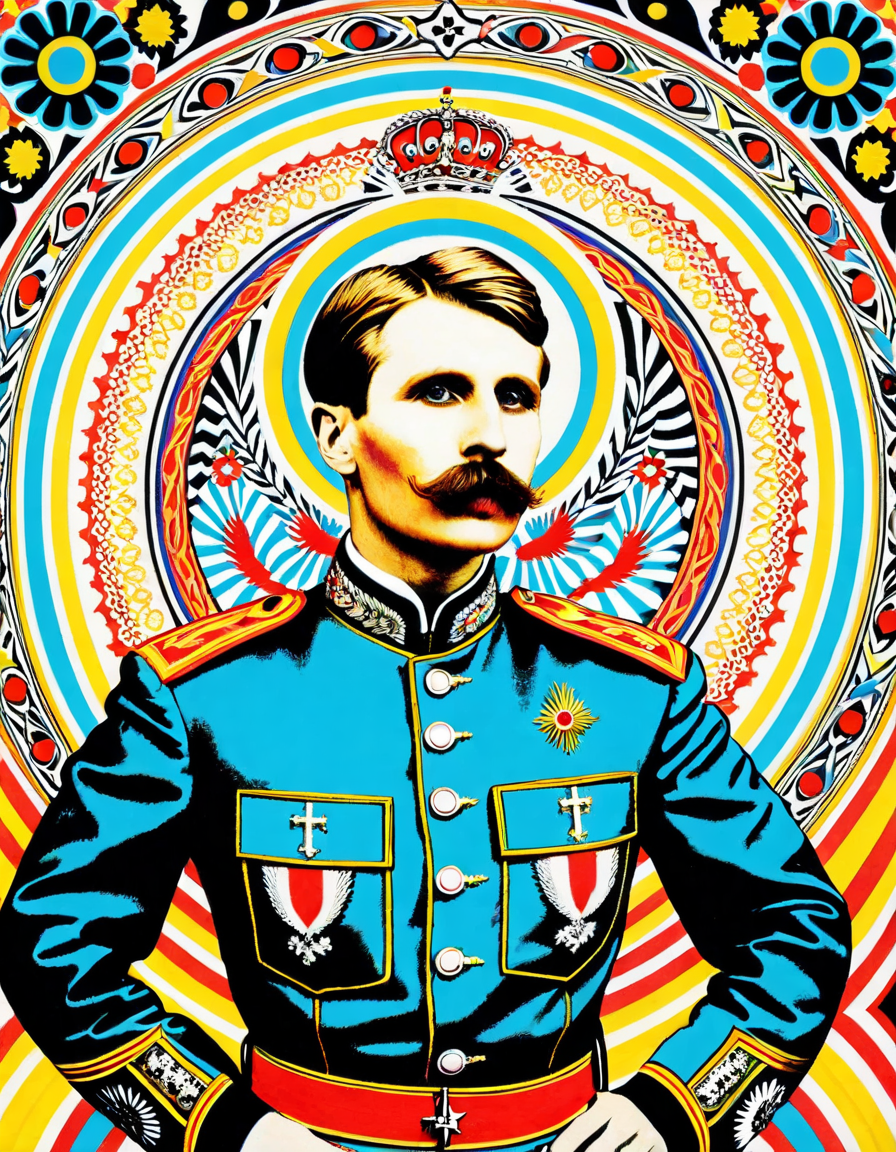
Reflections on Franz Ferdinand’s Enduring Impact
Looking back at Franz Ferdinand, we see an enigmatic leader whose choices reverberate through history. His controversial decisions didn’t just shape the Austro-Hungarian Empire; they also laid the groundwork for the broader narrative of 20th-century conflict. By studying his advocacy for change amidst rigid structures, we uncover vital lessons about leadership, identity, and the dire consequences that may follow when those in power fail to adapt.
As we reflect on his contributions, we find echoes of his struggles in the contemporary world. The lessons embedded in Franz Ferdinand’s legacy challenge us to think critically about our roles as leaders and citizens, reminding us that the past always has something to teach us about forging a better future. By digging into his story, we gain insights that can guide today’s debates on leadership and conflict—an enduring legacy that continues to unfold in our increasingly interconnected world.
Let’s channel this complexity as we strive to elevate our own lives, whether we’re working toward mental fortitude, physical fitness, or deeper societal engagement. Embrace the lessons from Franz Ferdinand and keep pushing towards greatness!
Franz Ferdinand: Extraordinary Life of a Controversial Leader
A Different Kind of Royalty
Franz Ferdinand, the Archduke of Austria-Este, wasn’t just any aristocrat; his life was marked by ambition and controversy. Interestingly, he had a fascination with the arts and culture, something one might not typically associate with royal figures. His passion for the performing arts resonates with those who admire Mary Stuart Masterson’s memorable performances, known from her impressive array of movies. Additionally, his progressive views on governance even earned him a nickname among historians—one that has lasting implications, much like George W. Bush’s legacy in modern politics.
The Unexpected Influences
When unraveling his life, we find that Franz Ferdinand’s relationships and friendships offer insight into his character. He had a diverse circle, significantly impacting his worldview. For example, he often mingled with commoners, defying the class barriers of his time. In a way, this behavior parallels the charisma seen in baseball legends like Willie Mays, who transcended their sport by connecting with fans from all walks of life. Speaking of connections, what if we consider the resonance of his decisions on historical events? The sparks his choices ignited could be likened to the unexpected comedy genius found in films like 22 Jump street, which often plays with seemingly casual events leading to significant outcomes.
Legacy in the Shadows
Franz Ferdinand’s life ended abruptly but not without leaving traces that shaped Europe’s future. His assassination in 1914 triggered World War I, changing the course of history in ways he could not have foreseen. This moment reminds us how seemingly minor events can lead to monumental shifts, similar to how Shaggy 2 Dope and his band have left an indelible mark on the music scene. Furthermore, even though the Archduke is often shrouded in the mist of controversy, his life’s complexities draw parallels with Dennis Keady, who had his own share of ups and downs in sports. And just as individuals assess the legacies of figures like Fernando Alonso in the racing world today or recall how pivotal moments shaped their stories, Franz Ferdinand remains a compelling figure worthy of exploration.
These nuggets of trivia not only shed light on the Archduke’s extraordinary life but also allow us to connect his narrative with broader cultural influences, making history relatable and engaging.