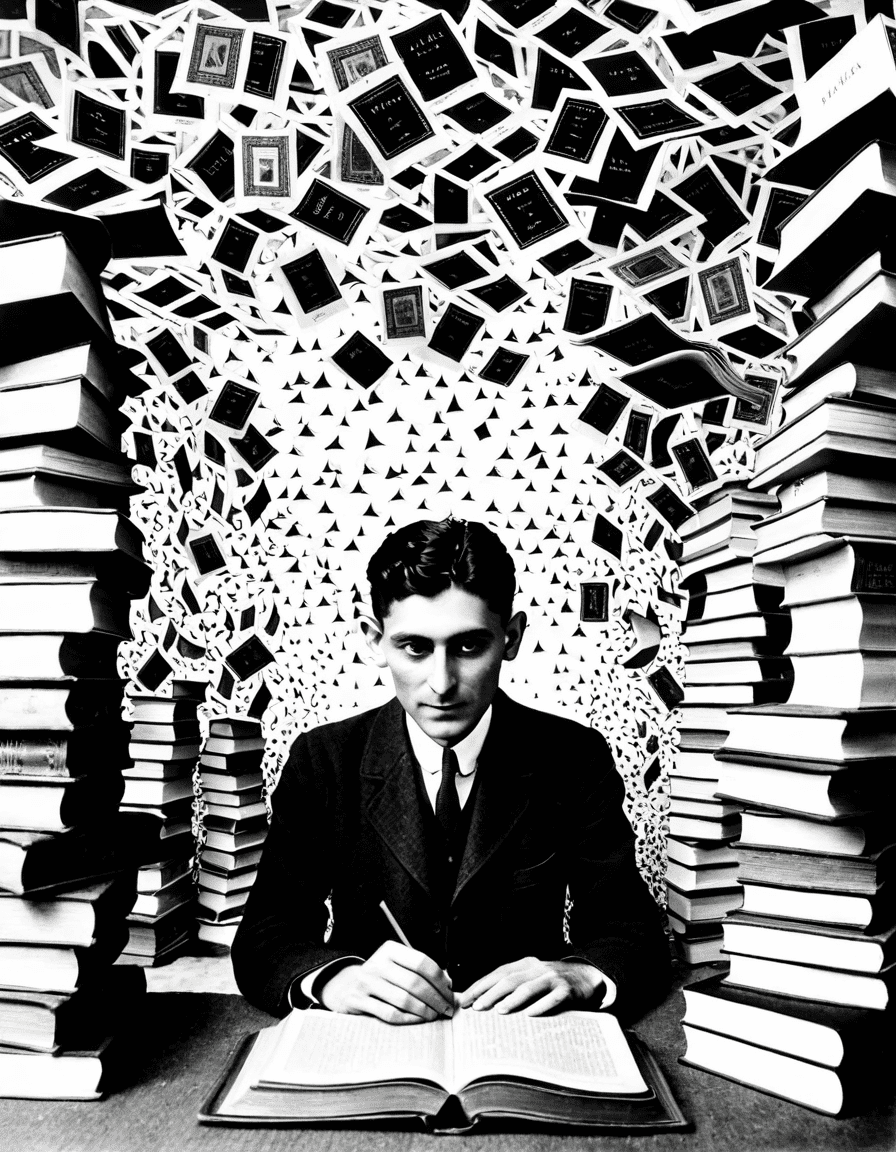
Franz Kafka is more than just a name in literary circles; he’s a symbol of existential exploration and surreal narratives. His life reads like a gripping novel, full of emotional ups and downs, societal reflections, and profound insights. This article digs into seven transformative phases that not only shaped Kafka as a writer but defined him as a human being—a complexity reflected in works that continue to challenge readers even today.
7 Transformative Phases in Franz Kafka’s Life
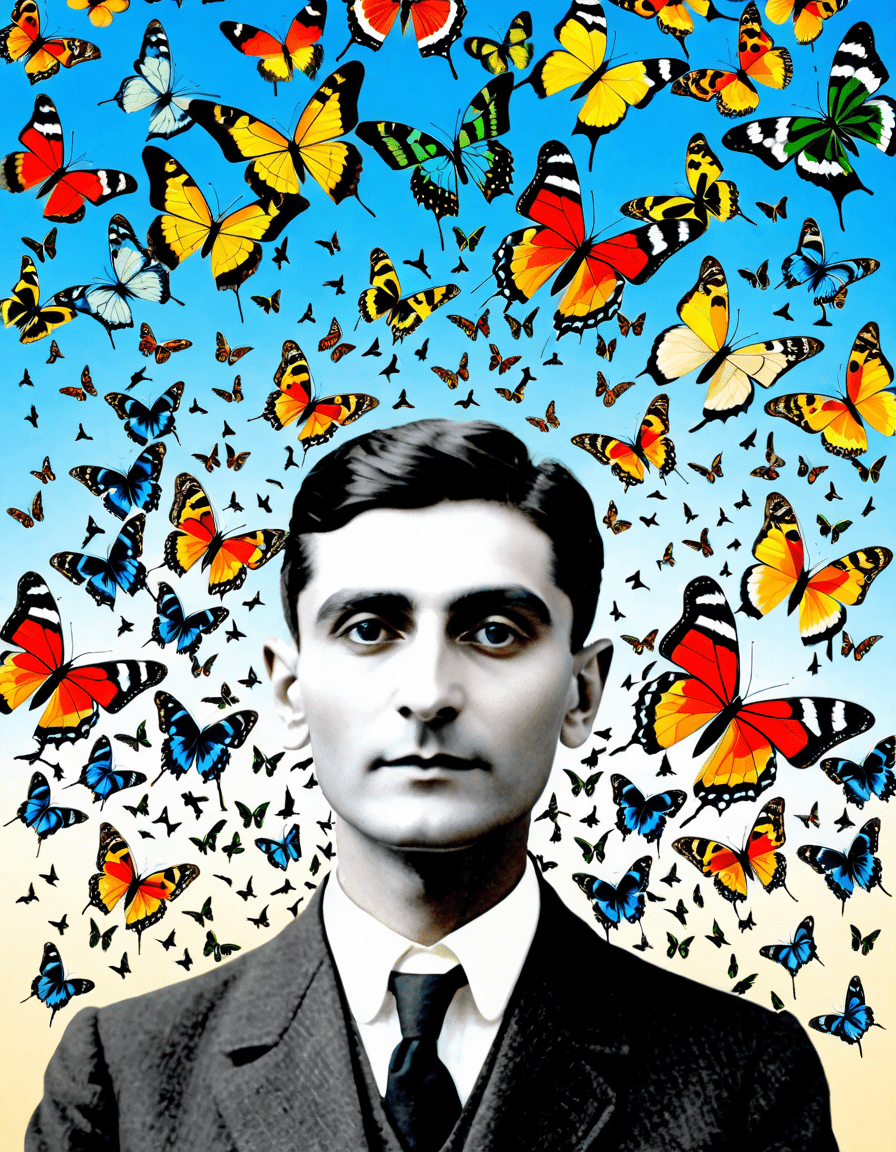
1. Early Years in Prague
Born on July 3, 1883, in Prague, Franz Kafka entered a world rich in multicultural influences. A middle-class Jewish family amidst Czech, German, and Jewish cultures, his upbringing molded his worldview in profound ways. He attended Charles University, where he studied law. This education opened his eyes to the intricacies of societal structures, which would ultimately bubble to the surface in stories like “The Metamorphosis.”
The neighborhoods and sounds of Prague enveloped him, fueling his imagination. The city’s blend of diverse cultures and ideas created a backdrop where Kafka began to understand the complex nature of humanity. This cultural mosaic played a pivotal role in his writing, giving birth to themes that resonate deeply with people’s struggles today.
2. The Paradox of Professional Life
Kafka’s life had a curious contradiction—his career as a lawyer couldn’t have been more different from his literary aspirations. He worked at the Workers Accident Insurance Institute, a position that filled him with disdain. Despite this detest, the bureaucratic chaos that surrounded him became crucial material for his writings.
In works like “The Trial,” Kafka painted a vivid picture of absurdity and alienation, channeling his frustrations into thought-provoking narratives. His internal conflict between the grind of a nine-to-five job and a passion for writing is something many professionals can relate to. It highlights the tough balancing act between duty and personal ambition.
3. Complex Relationships and Romantic Turmoil
Franz Kafka’s love life was a labyrinth of intensity and confusion, marked by significant figures like Felice Bauer and Milena Jesenská. His letters reveal a man grappling with emotional vulnerability while yearning for connection. The juxtaposition of wanting closeness yet fearing intimacy is a theme that resonates deeply within many of his stories.
His mixed feelings about relationships often resulted in emotional turmoil, showcasing his struggle for acceptance and understanding. It’s interesting how Kafka’s romances influenced his work, which often features characters yearning for connection in an indifferent society. This emotional landscape invites readers to reflect on their own relationships and vulnerabilities.
4. The Illness That Shaped His Perspective
Kafka was diagnosed with tuberculosis in 1917, a revelation that didn’t just impact his health but fundamentally transformed his writing. The disease forced him to confront his mortality head-on, weaving themes of existential dread and the fragility of human life into his narratives. Works like “A Hunger Artist” and “The Castle” resonate with themes surrounding death and the quest for meaning in a seemingly indifferent universe.
His struggle with illness acted like a lens that sharpened his critical eye on life’s uncertainties. You could almost say that the disease became a muse for Kafka, influencing the depth and urgency of his storytelling. This authentic confrontation of life’s fragility amplifies the relatability of his works, allowing readers to question their own existence.
5. The Incomplete Legacy: Works Published Posthumously
Kafka left behind a fascinating dilemma regarding his published works. He famously instructed his friend Max Brod to destroy all his unpublished manuscripts posthumously. Thankfully, Brod didn’t listen, allowing Kafka’s genius to reach the public, resulting in the publication of numerous seminal texts.
Initially met with skepticism by publishers, titles like “The Trial,” “The Castle,” and “Amerika” would later prove to be foundational to 20th-century literature. Kafka’s self-doubt and desire for anonymity starkly contrast with his lasting impact on literature. It’s a curious irony that while he feared public perception during his lifetime, he now stands as a literary titan.
6. Influence on Modernism and Existentialism
Franz Kafka’s exploration of absurdity and human despair has reverberated through the annals of literary history. His style and themes have influenced many great literary minds. Writers like Albert Camus and philosophers, notably Jean-Paul Sartre, have drawn inspiration from Kafka’s exploration of existential questions.
The crux of Kafka’s contribution is his keen insight into the absurdity of life, deftly capturing what it means to exist in a chaotic world. His narratives challenge readers to grapple with their own meaning-making in such an unpredictable existence. The impact of Franz Kafka on modernism can’t be overstated; his narratives remain a cornerstone for those seeking to understand the human condition.
7. Kafka’s Enduring Legacy in Contemporary Culture
The literary genius of Franz Kafka transcends literature, reaching into visual arts, films, and even the field of psychology. Filmmakers like Orson Welles drew from Kafka’s eerie narratives, while contemporary visual artists find inspiration in his themes of alienation. Even the term “Kafkaesque” has entered everyday vernacular, symbolizing life’s surreal, often nightmarish, situations.
His influence can also be seen in varied outlets—from arcane anime narratives to cinema and even modern music. The challenges represented in Kafka’s works continue to resonate in today’s fast-paced world. Truly, Kafka’s legacy remains a potent source of inspiration for creators and thinkers across multiple disciplines.
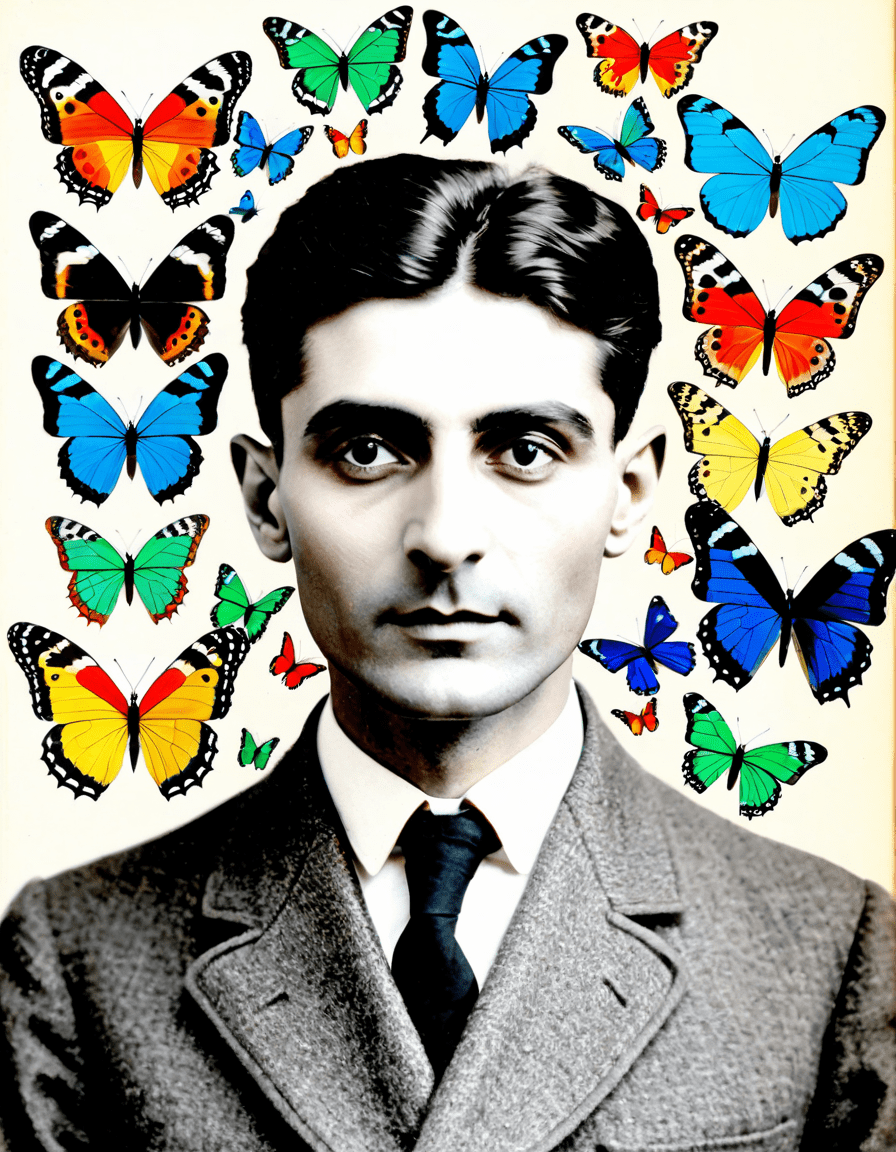
The Paradoxical Nature of Kafka’s Genius
Franz Kafka’s life is undeniably a tapestry woven with contradictions, revealing a relentless pursuit of understanding amid confusion and uncertainty. His profound insights come not only from the tales he spun but from the emotional and philosophical conflicts that marked his existence.
The tension between how he viewed himself and how the world recognizes him is fascinating. Kafka’s longing for anonymity clashed with the eventual acclaim that solidified his status as a literary giant. His ability to voice the human struggle against absurdity leaves readers questioning their own experiences—making his work timeless and invaluable.
In conclusion, Franz Kafka isn’t just a name; he’s a legacy that pushes us to confront our own fears, uncertainties, and quests for meaning. His extraordinary life, filled with both dissonance and brilliance, ensures that his influence will continue to challenge and inspire generations to come. So read his work, reflect, and perhaps, you’ll find a bit of Kafka in your own life.
Additional Readings Related to Kafka’s Themes and Influence
Franz Kafka: Fascinating Trivia About a Literary Genius
The Man Behind the Words
Did you know that Franz Kafka had a day job that was quite the contrast to his literary pursuits? He worked as an insurance officer for most of his adult life! Yep, while crafting surreal stories exploring the human condition, he diligently reviewed policies and assessed risks. This ironic twist is often seen as reflective of his unique perspective on life. Kafka would often write late at night, finding solace in words after a long day’s work. His professional background likely fueled the themes of alienation and existential dread seen in his iconic works, like The Metamorphosis.
Let’s talk about Kafka’s relationship with his family. Many people find it fascinating that he had a tumultuous connection with his father, Hermann Kafka, who was a domineering figure in his life. This strained relationship heavily influenced many of his writings. In fact, Kafka reportedly spent years trying to make peace with the psychological scars left by his father’s expectations and pressures. He believed that his works were merely an extension of his inner turmoil and a way to process those disturbing feelings. Doesn’t that make you rethink how personal experiences shape creativity? This introspection often led him to delve deep into his own psyche, unraveling the mysteries of human existence.
Kafka’s Literary Legacy
Franz Kafka might not have seen himself as a literary titan during his lifetime, but today, he’s considered one of the most significant figures in 20th-century literature. Interestingly, he published only a handful of short stories and novellas while he was alive, leaving most of his works unpublished upon his death in 1924. His friend Max Brod took it upon himself to ignore Kafka’s wishes and published his works posthumously, which eventually brought him the recognition he enjoys today. Without Brod’s intervention, we might never have encountered the nightmarish landscapes of The Trial or the bizarre transformations in The Metamorphosis.
In his personal life, Kafka was quite the character himself. He had a peculiar habit of writing letters to various women but never fully committing to a romantic relationship. This kind of emotional distance is a recurring theme in his work. It’s intriguing how insights from Kafka’s own romantic escapades paralleled the intricate relationships he painted in his stories. Moreover, he found joy in expressing himself through letters, showcasing his talent for weaving complex emotions into words. He used correspondence as an outlet to articulate his innermost thoughts, intertwining reality with the fantastical, much like his literary style. What a whirlwind of creativity and complexity!
In the end, understanding Franz Kafka’s life offers a peek into the mind of a literary genius whose work continues to resonate across generations. Whether he’s shaping modern existentialism or inspiring countless writers, Kafka’s legacy endures—proving that life’s challenges can unfold into incredible storytelling. Truly, the labyrinth of his existence adds depth to the bizarre and unforgettable tales that spring from his imagination.