Unpacking the Cultural Impact of Ghost in the Shell
The 1995 anime film Ghost in the Shell, directed by Mamoru Oshii, revolutionized animation and the cyberpunk genre. Its merger of thought-provoking philosophy, advanced technology, and striking aesthetics not only captivated audiences but paved the way for a multitude of narratives and visual storytelling techniques. The film dives into the complexities of the human experience while giving a glimpse into a not-so-distant future where technology blurs the lines of identity, reaching places we’ve only begun to explore.
Audiences were mesmerized by Major Motoko Kusanagi’s search for her identity in a rapidly evolving world. The journey illustrates what it means to be truly human in an age where technology almost dominates our existence. Ghost in the Shell isn’t just a tale; it’s a cultural conversation that resonates as strongly today as it did back in ’95. The film has influenced a myriad of creators and conversations surrounding technology and identity.
As we trace its trajectory from inception to modern adaptations, we can clearly see the broader conversations about humanity and technology it has inspired over decades. From Hollywood to indie projects, Ghost in the Shell has left a roadway of influence that has shaped various copies across genres, much like the impact of Lady in the Lake with its psychological depth. This film hasn’t just created narratives; it’s ignited debates that continue to thrive in our fast-paced society.

7 Key Themes in Ghost in the Shell Reflecting its Iconic Legacy
Adaptations and Legacy: Evolution Over Time
The legacy of Ghost in the Shell continues to thrive through various adaptations. The live-action film released in 2017 had big shoes to fill, starring Scarlett Johansson and introducing the narrative to a new generation. Despite controversies surrounding cultural aspects of casting, it aimed to honor the spirit of the original. The ongoing anime series excavates rich themes and character development, continuously drawing audiences back into the franchise.
Adaptations reveal how foundational themes stay relevant, often mirroring what society grapples with today. By reinventing the story, these adaptations show us the evolving landscape of storytelling, and how technology can breathe new life into older narratives. This continuous reinterpretation keeps Ghost in the Shell not just alive, but thriving in an era where media consumption is at an all-time high.
We must not forget that each adaptation offers its own fresh take, much like a stunning White Bird Of Paradise. From the original animation to live-action versions, the story’s essence tackles complex topics relatable to the modern individual. Ghost in the Shell teaches us that its themes resonate with every new audience, refreshing discussions around identity and technology.
Contemporary Mirrors: The Dialogue Continues
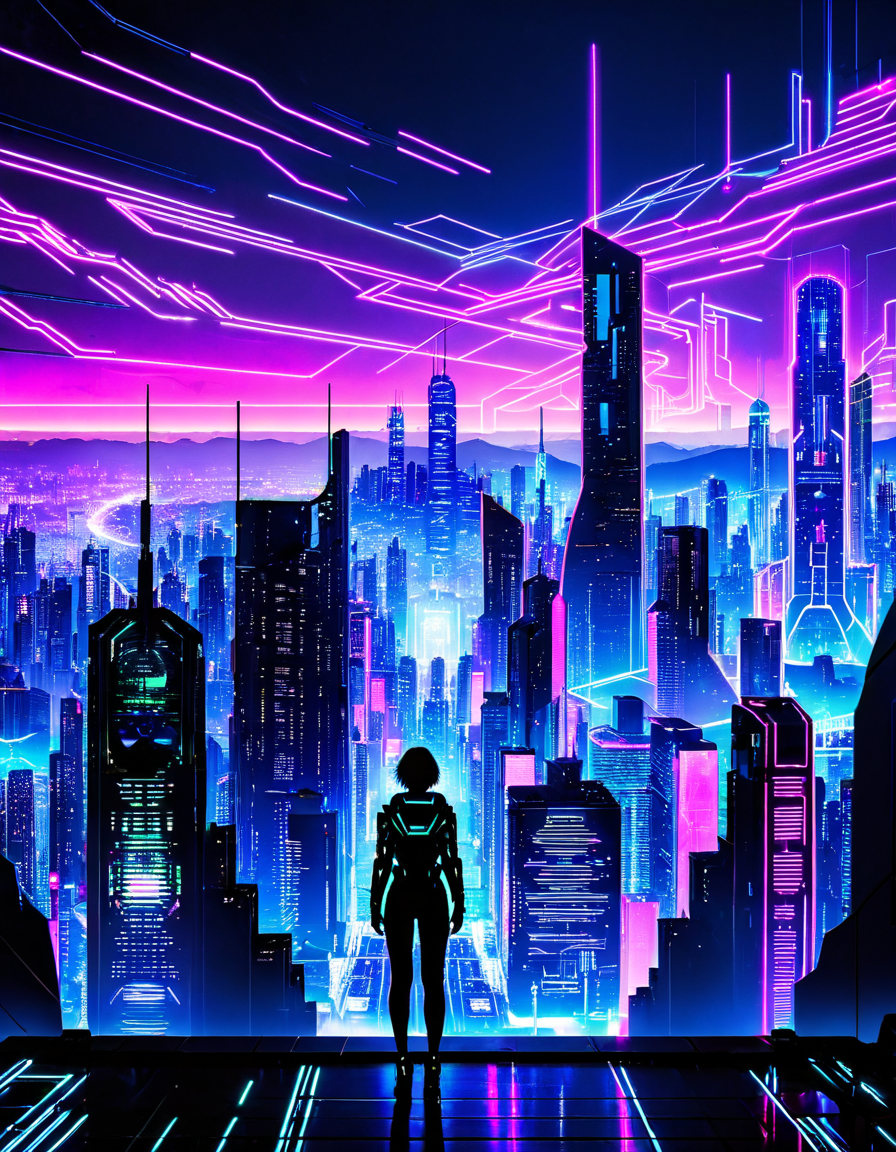
Fast forward to 2026, and the questions posed by Ghost in the Shell are more relevant than ever. From our evolving relationship with surveillance to the ethics surrounding artificial intelligence, its themes act as significant touchpoints in today’s society. Films like Blade Runner 2049 and series like Black Mirror echo this exploration, showcasing that the inquiries made decades ago still hold weight today.
As we navigate this ever-digitizing world, Ghost in the Shell remains a crucial piece of the puzzle. It pushes us to reflect on how we engage with technology and questions what defines humanity in an era dominated by advancement. Just as characters in these narratives interact with technology, we too find ourselves entangled, needing to comprehend the implications fully.
Ultimately, the enduring legacy of Ghost in the Shell serves as a beacon, guiding discussions around technology, identity, and our human connections. As we move forward, it’s vital to draw on the aware insights from this film. The predictive nature of its narrative encourages ongoing conversations that help us understand our role in an increasingly complex narrative about technology and existence.
So, the next time you throw on a Ghost in the Shell flick or series, remember: it’s not just entertainment. It’s a mirror reflecting our lives, our struggles, and our return to what it means to be authentically human in a sea of technology. Let’s embrace that journey.
Now go get shredded, my friends!
Ghost in the Shell: A Trivia Treasure Trove
Origins and Creative Sparks
Did you know that Ghost in the Shell was inspired by the cyberpunk works of authors like William Gibson? This futuristic narrative catapulted anime into mainstream recognition when it debuted in 1995. Interestingly, its influence extended to various genres, even touching on pop culture moments like the quirky and comedic Little Nicky, where supernatural themes blend humor with the absurd. With its deep philosophical musings, Ghost in the Shell not only deals with technology but also pulls on themes of identity—much like the experiences of memorable characters in films like The .
Cultural Milestones and Crossovers
When Ghost in the Shell hit theaters, its groundbreaking animation was nothing short of a game changer! The film set the bar high, arguably paving the way for future classics in both anime and live-action. It sparked thought-provoking discussions and fan theories that often echo sentiments found in works like the Hitchhiker’s Guide to the Galaxy, where questions about life and existence take center stage. In fact, this iconic film’s rich narrative has inspired everything from video games to Western adaptations, similar to collaborations that brought together talents like Common And Jennifer hudson, reminding us that artistry transcends cultural boundaries.
Legacy and Character Appeal
The femme fatale, Major Motoko Kusanagi, remains an iconic representation of strength and complexity. Her character resonates with many, much like how the notion of the mother Of The bride evokes distinct emotions during a wedding. Additionally, Ghost in the Shell molds its visuals and narratives in ways that speak to future generations, echoing sentiments found in modern fashion choices, such as the rise in popularity of black bridesmaid Dresses. Its legacy continues to inspire creators and fans alike, entwining itself with stories across various mediums, making it as engaging today as it was upon release. And speaking of today, actors like Nina Sosanya embody that same captivating essence, infusing their roles with depth and charisma. What a thrilling ride through cinema history!