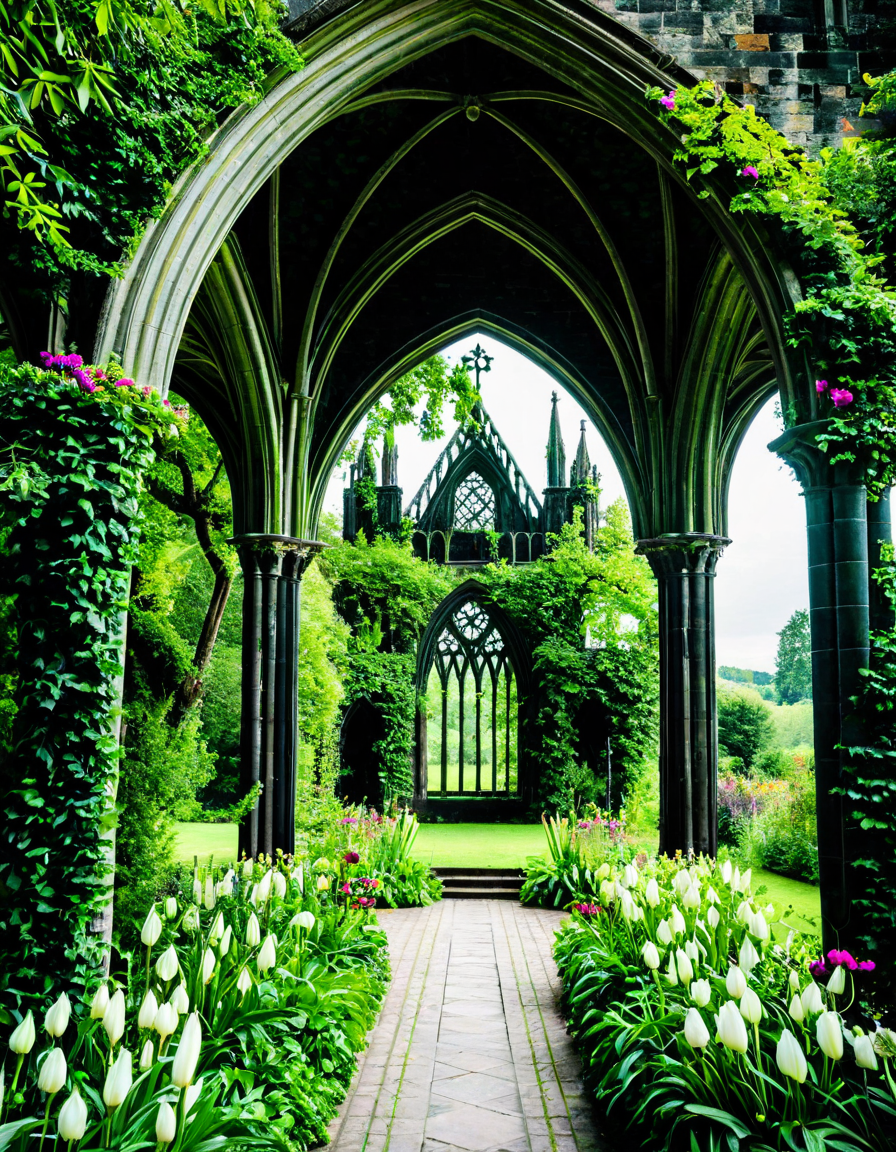

The Wonders of Gothic Architecture: A Journey Through Time
Gothic architecture, with its stunning spires and remarkable intricacies, isn’t just another style; it’s a testament to human creativity and resilience. Born in the late 12th century and thriving until the 16th century, this architectural movement captivates with its soaring structures and elaborate designs. Think of the cathedrals like Notre-Dame and Chartres—these buildings are more than mere stone; they encapsulate stories, faith, and the relentless spirit of their creators. But wait, while you may appreciate their grandeur, do you know the hidden secrets behind their success? Buckle up, because we’re about to uncover mind-blowing facts that reshape our understanding of this timeless style, proving Gothic isn’t just a thing of the past—it’s a powerhouse still influencing the world today!
7 Surprising Secrets of Gothic Architecture That Defy Extinction
1. Innovative Engineering Techniques
The genius of Gothic architecture lies in its engineering marvels! Builders of the past pushed boundaries with flying buttresses that not only supported massive structures but also allowed for larger windows. Imagine the light streaming through those magnificent stained-glass beauties in the Notre-Dame Cathedral—it’s hard to believe they came from a time when technology was primitive compared to today. This groundbreaking approach shifted the architectural landscape from the heavy Romanesque styles to lighter, more vertical designs, paving the way for astonishing heights. Isn’t it inspiring to think about how mankind, through sheer ingenuity, dared to reach for the skies?
2. The Stained Glass Revolution
Oh boy, let’s talk about stained glass—an art form that tells stories more vividly than many novels! While we may admire its beauty, what really blows the mind is how its production blended art and science. Those breathtaking colors didn’t just appear magically; they emerged from the combination of metal oxides fused into the glass, creating a visual feast that engaged the illiterate masses in biblical tales. For example, take the rose window in Chartres Cathedral; it’s not just a decorative piece but a profound theological narrative that shaped community beliefs. Now that’s storytelling on a grand scale, wouldn’t you agree?
3. A Symbol of Power and Prestige
Hold on tight, folks! Gothic cathedrals are more than places of worship; they’re colossal symbols of power! Cathedrals like the Cologne Cathedral and Milan Cathedral were commissioned by bishops intent on showcasing their wealth and influence. The immense resources spent on these monumental projects reflect a society where religion was deeply intertwined with politics and economy. Imagine how the townsfolk must have gazed at these structures, feeling a mix of awe and reverence knowing they stood at the heart of their society. That’s what power looks like—etched in stone!
4. The Role of Urbanization
The rise of Gothic architecture didn’t happen in a vacuum; it coincided with urbanization in Europe during the Middle Ages. As towns grew, there was a burgeoning need for vast public spaces to cater to the swelling populations. Grand cathedrals like the Reims Cathedral became central to community life, acting as focal points for commerce, celebration, and gathering. These cathedral complexes were then, as they are now, more than just a collection of buildings—they were living, breathing entities that nurtured social bonds and community spirits. How cool is that?
5. Preservation Efforts Against Extinction
Not all Gothic glory stands tall without a battle! Many historic structures have faced threats of extinction due to war, neglect, or natural disasters. Luckily, the past few decades have seen passionate preservation efforts kick into high gear. Organizations like UNESCO tirelessly protect vital sites, such as the Abbey Church of Saint-Denis, which holds the title as the birthplace of Gothic architecture. These initiatives highlight our dedication to maintaining the cultural heritage of this architectural marvel! It’s like lifting weights against time, making sure our history stays alive and well.
6. The Intricate Symbolism of Sculptures
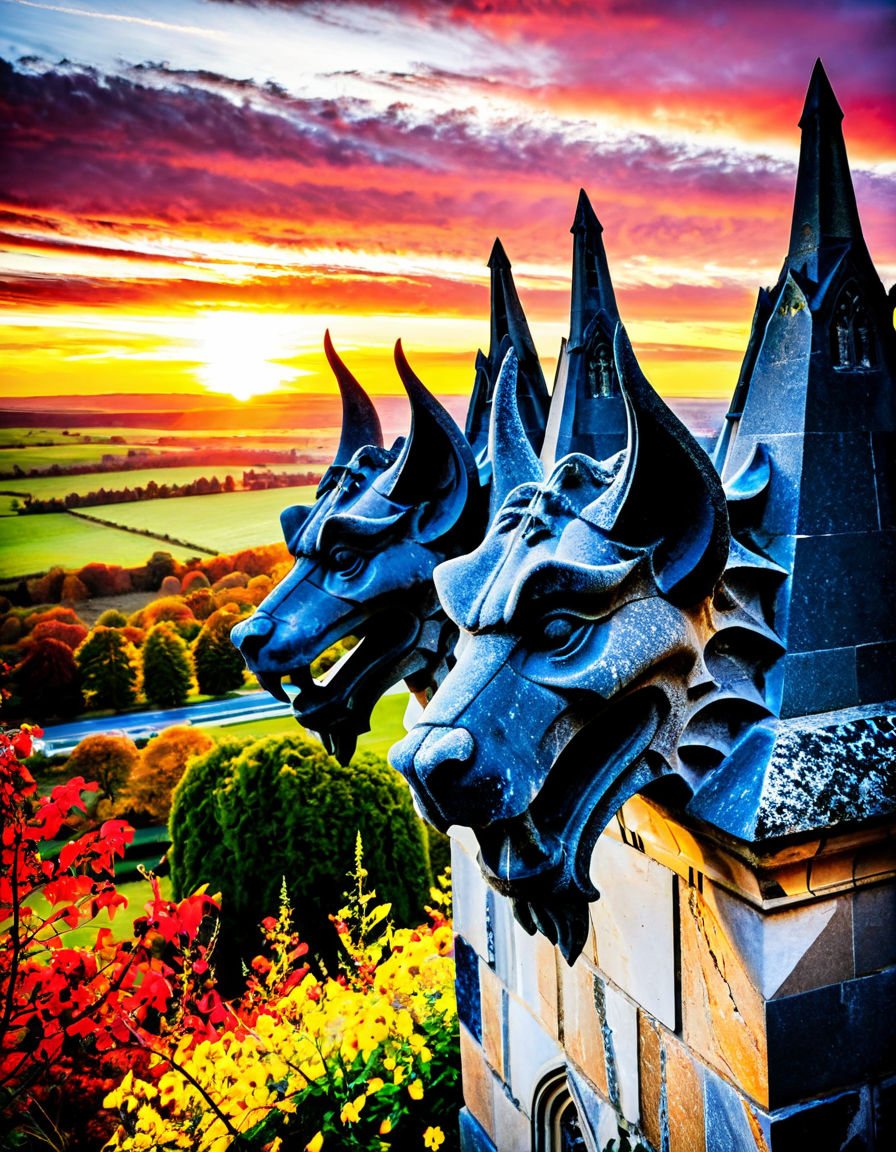
Every damn gargoyle or figure carved into Gothic cathedrals has a story to tell! Beyond decoration, these sculptures serve as moral allegories, offering lessons to the masses. For instance, the myriad carvings at Notre-Dame depict clever scenes from Genesis—teaching theological narratives right before the eyes of an audience that couldn’t read. It’s fascinating to consider how art once had the power to communicate complex thoughts and beliefs without a single word! Art really does transcend and helps preserve the essence of an era. Incredible, right?
7. Future of Gothic Architecture: Neo-Gothic Movement
Now, here’s where it gets even cooler! Fast forward to the 21st century, and we see a revival of Gothic influences through the Neo-Gothic movement. Today’s architects channel the principles of Gothic style—think verticality and natural light—and fuse them with modern technology. Structures like the University of Chicago’s Rockefeller Memorial Chapel and St. Patrick’s Cathedral in New York demonstrate how traditional Gothic motifs can adapt seamlessly into contemporary designs. It’s beautiful to see this architectural style remain vibrant and evolve, showing that Gothic isn’t just a relic of the past—it still builds dreams today!
Embracing the Legacy of Gothic Architecture
As we peel back the layers of Gothic architecture, it’s clear its allure stretches far beyond aesthetics. The blend of innovative engineering, deep symbolism, and pulse of culture illustrates how this style shaped and echoed societal values. Contrary to being a thing of the past, Gothic architecture continues to inspire awe and influence modern design. So, as you look to the future, remember—embracing the lessons from our historical masterpieces helps keep this remarkable legacy vibrant and thriving. Carry that passion forward, and be inspired by the past as you carve out your own path. Let’s build something beautiful, just like they did back in the day!
Gothic Architecture Secrets That Will Astound You
The Allure of Gothic Style
Gothic architecture isn’t just a style; it’s a journey through Europe’s cultural and historical evolution. Emerging in the 12th century, its striking features, like pointed arches and ribbed vaults, stood in stark contrast to the heavy Romanesque designs of earlier times. Did you know that the iconic flying buttress, a hallmark of gothic design, actually serves to redirect the weight of the roof, allowing for thinner walls and stunning stained glass windows? Imagine the mesmerizing beauty of light filtering through those vibrant panes, painting the interiors in colors that would evoke an emotional response akin to watching Saw X—it grips you!
Legends and Lore
Behind every gothic cathedral lies a treasure trove of lore and legends. For instance, the gargoyles adorning these structures often served a practical purpose, acting as water spouts to keep rain from eroding the stonework. Yet, they’re also steeped in superstition—many believed these creatures offered protection against evil spirits. To delve into a different type of story, some take inspiration from modern culture, like how “Drake’s daughter” is often highlighted for her connection to fame. Similarly, the artistry in gothic architecture reflects the societal values and beliefs of its time, showing us what mattered back then, much like how demolition can symbolize change and rebirth today.
Notable Structures and Their Secrets
Take the Notre-Dame Cathedral, for instance; its intricate details were masterfully crafted to inspire awe. Interestingly, the creators of these structures often worked anonymously, pouring their souls into designs that spoke volumes about their communities. It brings to mind the dedication of someone like Savhna Bond, whose artistic journey inspires many today. And here’s a fun fact: gothic architecture heavily influenced the design of universities and libraries, making them places for knowledge to flourish, similar to how Jason Momoa’s height has inspired a plethora of works celebrating larger-than-life figures.
As you ponder these architectural marvels, remember that gothic isn’t just about aesthetics; it’s also about community and storytelling. Just like how Celebrating sobriety Milestones encourages resilience, the enduring nature of gothic structures reminds us of humanity’s aspirations. So, the next time you stroll past a cathedral adorned with intricate features, take a moment to appreciate the whispers of history woven into its stones. Who knows what other secrets might just astound you, much like discovering the unexpected depth of characters in Amajiki Mha!