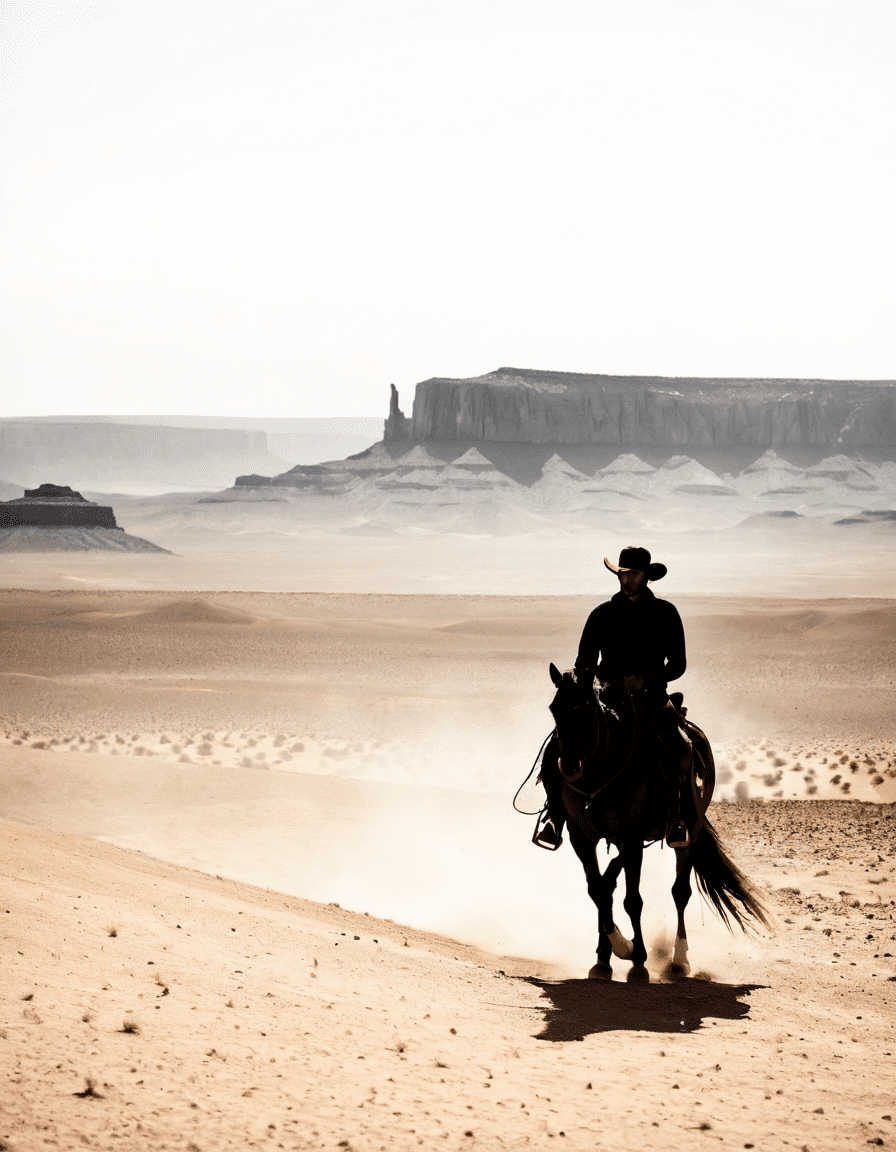
“Gunsmoke” remains a cornerstone of television history, unrivaled in its ability to shape the Western genre. First aired in 1955, this classic series not only redefined the parameters of Western storytelling but also became a cultural phenomenon that resonates through the ages. The gritty portrayal of life in Dodge City and a compelling ensemble of characters brought a depth to the genre that had often been relegated to simplistic good versus evil narratives.
From its compelling stories to its lifelike characters, “Gunsmoke” kicked down doors for what television could do. The series boldly dove into themes like morality, justice, and human sacrifice, leading it to a life far beyond its initial run. As we celebrate this monumental series, understanding its impact is crucial for appreciating modern storytelling and its varied influences, from shows filled with brutal morality like “Chainsaw Man” to series blending genres, such as the forthcoming Arcane Season 2.
Marshall Matt Dillon’s character, played magnificently by James Arness, faced real-life complexities that added weight to every episode. Just as Dillon chased down outlaws, today’s heroes wrestle with vices in an equally chaotic world. When you think of the legacies of storytelling, “Gunsmoke” continues to inspire, motivating creators to push boundaries and explore the depths of human experience.

5 Ways Gunsmoke Influenced Modern Culture and Media
1. Realism in Storytelling
Unlike earlier Westerns, “Gunsmoke” infused realism into its narratives, often dealing with complex moral dilemmas and character-driven plots. Viewers witnessed characters grow, change, or, at times, fail. This shift paved the way for future series that embraced nuanced storytelling, such as “Deadwood” and “Justified,” which explored dark themes and intricate character arcs.
For instance, “Justified” showcases Raylan Givens, a modern-day marshal echoing Dillon’s complex relationship with justice and morality. Today’s audiences crave stories that mirror their own lives, and “Gunsmoke” provided that connection. It wasn’t just a Western; it was a mirror held up to society.
2. The Enduring Icon of the Lawman
Marshall Matt Dillon became the archetype of the Western hero—flawed yet unwaveringly dedicated to justice. His character serves as a template for contemporary heroes, influencing figures like Rick Grimes in “The Walking Dead,” who also wrestles with the moral complexities of leadership in a lawless world.
Dillon’s struggles resonate with us today, as every hero we follow faces their own demons. They depict the internal battles that lie behind their actions, compelling viewers to reflect on their own lives. When you think of strong leads, the show’s authentic portrayal of heroism laid the groundwork.
3. The Female Frontier
The strong female characters in “Gunsmoke,” such as Miss Kitty Russell, portrayed by Amanda Blake, challenged traditional gender roles in media. These women were not merely sidekicks; they had depth, voices, and complex narratives. Their nuanced representations opened doors for robust female narratives in modern shows like “Westworld,” where women’s roles are central to the storyline.
With characters like Miss Kitty, “Gunsmoke” set the standard for contemporary portrayals that celebrate female strength. Their representation matters, offering viewers inspiration and relatable experiences. It’s about time the screen reflected strong, multifaceted women rather than mere tropes.
4. Pushing Boundaries with Cultural Representation
“Gunsmoke” wasn’t without its controversies, particularly in its approach to Native American representation. Although some episodes garnered criticism, they set the stage for more thoughtful and diverse portrayals in later TV adaptations. This evolution is exemplified by shows like Reservation Dogs, which present stories from Indigenous perspectives and challenge prior stereotypes.
The representation on “Gunsmoke” made room for dialogues about ethnicity and culture. Today, mainstream media recognizes the importance of diverse narratives, moving away from one-dimensional portrayals. Understanding our past helps guide us in creating a more inclusive future.
5. The Legacy of the Ghost Whisperer
Interestingly, the show contributed to the fascination with spiritual narratives, akin to the “ghost whisperer” trope that permeates modern series such as “Ghost Whisperer.” The intertwining of the supernatural and the everyday in these stories often reflects unresolved traumas. Characters haunting the likes of Dodge City display timeless themes of regret and redemption.
In modern storytelling, the touch of spirituality enhances narrative depth. Just like “Gunsmoke” blended human experiences with echoes from beyond, recent media invites viewers to grapple with those similar themes, unearthed by the ghosts of the past.
The Aesthetic Shift: From Westerns to Cyberpunk
The influence of “Gunsmoke” can be traced beyond traditional Westerns into realms like cyberpunk. The thematic undercurrents of moral ambiguity and societal decay seen in both genres offer a cohesive narrative experience. For instance, shows like “Altered Carbon” echo the lawlessness reminiscent of the Wild West, presenting a cyberpunk society filled with moral dilemmas akin to those faced by Marshall Dillon.
Both “Gunsmoke” and “Altered Carbon” challenge viewers with the same core question: what would you do in times of extreme chaos? Artists today borrow threads from the Western landscape to weave together new tales of conflict and survival. The rugged individualism inherent in “Gunsmoke” remains alive, whether through the dusty streets of Dodge City or the neon-lit skyline of a dystopian future.
Wrestling with Morality: Chainsaw Man’s Narrative Resonance
Interestingly, as audiences have grown increasingly accustomed to morally ambiguous characters, modern anime like Chainsaw Man demonstrates similar complexities found in “Gunsmoke. The protagonist Denji’s journey revolves around ethical choices in a chaotic world, mirroring the dilemmas faced by characters like Dillon.
As society embraces complexity in storytelling, it’s exciting to see characters deal realistically with consequences. Reflecting on “Gunsmoke,” we recognize how valuable it is to explore the gray areas of morality. Characters must embody those intricacies for stories to resonate deeply with our own complex lives.
The Enduring Resonance of Gunsmoke in Today’s Media Landscape
While “Gunsmoke” ended its run in 1975, its legacy persists, reshaping generations of storytelling. It crafted a foundation that not only molded the Western genre but also provided templates that influence contemporary television and film. From gritty modern dramas to thematic content that challenges societal norms, “Gunsmoke” serves as both a guide and touchstone for creators navigating narrative exploration.
In an ever-changing media landscape, “Gunsmoke” stands as a testament to storytelling’s power—a legacy that still inspires and resonates. Its essence continues to pulse through the veins of American popular culture. As we move into the future, we must pay homage to its roots while striving for progress in our narratives.
So, the next time you find yourself chuckling at the clever dialogue in your favorite show, or grappling with a character’s moral choices, remember: those influences trace back to the dusty streets of Dodge City where “Gunsmoke” once painted its masterpiece. And that, folks, is true storytelling.
Gunsmoke: The Legendary Show That Defined Westerns
A Trailblazing Legacy
Did you know that “Gunsmoke” was the first primetime scripted show to air in the legendary long-running series format? Premiering in 1955, this iconic Western captured the hearts of audiences for 20 seasons! Its success laid the groundwork for countless shows to follow, becoming a blueprint that future productions could only hope to match. Talk about leaving a mark! It paved the way for genres like crime dramas, much like how Severance Season 3 is making waves in contemporary content today.
Iconic Characters and Cultural Impact
It’s hard to think about “Gunsmoke” without picturing its unforgettable characters, like Marshal Matt Dillon played by James Arness. Interestingly enough, Arness wasn’t the original choice; the producers initially wanted John Wayne! Can you imagine how different it could have turned out? This casting choice played a significant role in how Westerns were perceived, steering the genre toward more relatable and complex characters. Just like how today’s storytellers are working to reshape narratives, such as with Bad Roman, “Gunsmoke” brought depth to its protagonists, making viewers care about their journeys and struggles.
Fun Trivia to Chew On
Here’s a quirky tidbit: “Gunsmoke” was not just well-loved; it also achieved a significant milestone. The show was the first to air an hour-long episode regularly on television. This innovation allowed for deeper storytelling and character development, setting the stage for shows tackling more intricate plots—think of the suspenseful elements that keep viewers glued to their screens in newer patterns like list crawling alligator. To top it off, did you know that long after its capture of hearts,Gunsmoke” inspired a resurgence of interest in the Western genre? Its legacy echoes through pop culture, much like the electronic beats that Skrillex brings to music today, showing how influential this classic series really was.
With so many layers to uncover, “Gunsmoke” remains a gem worth celebrating, revealing the raw, untamed spirit of the West while influencing generations of storytellers. So, saddle up, and dig a little deeper—the history of “Gunsmoke” is a treasure trove for fans and trivia buffs alike!