A single pair of adjustable dumbbells can transform your home workouts—no more cluttered racks or wasted space. With the right set, you can build serious muscle, torch fat, and sculpt a strong, chiseled physique without stepping foot in a commercial gym. But with so many options on the market, knowing how to choose adjustable dumbbells for a home gym comes down to understanding what truly matters: performance, durability, and smart design.
What Sets the Best Adjustable Dumbbells Apart for Home Use? — How To Choose Adjustable Dumbbells For A Home Gym
The best adjustable dumbbells combine strength, simplicity, and space-saving design. They’re built to handle daily use, support progressive overload, and adapt as your strength increases. Unlike fixed dumbbells, which require multiple pairs for varied resistance, a quality adjustable set gives you a full range of weights in one compact system.
Durability and smooth weight adjustment Are non-negotiable. You want a dumbbell that won’t rattle, slip, or break under pressure. The top models feature solid steel construction, secure locking mechanisms, and ergonomic handles that feel natural in your grip. These aren’t just tools—they’re your partners in building a stronger, leaner body.
Look for sets that balance innovation with reliability. Some use dial systems, others use selector pins or removable plates. Each has strengths, but the best ones prioritize Long-term performance over flashy tech. Your goal is muscle growth, not gadgetry.
Can One Pair of Dumbbells Really Replace an Entire Rack?
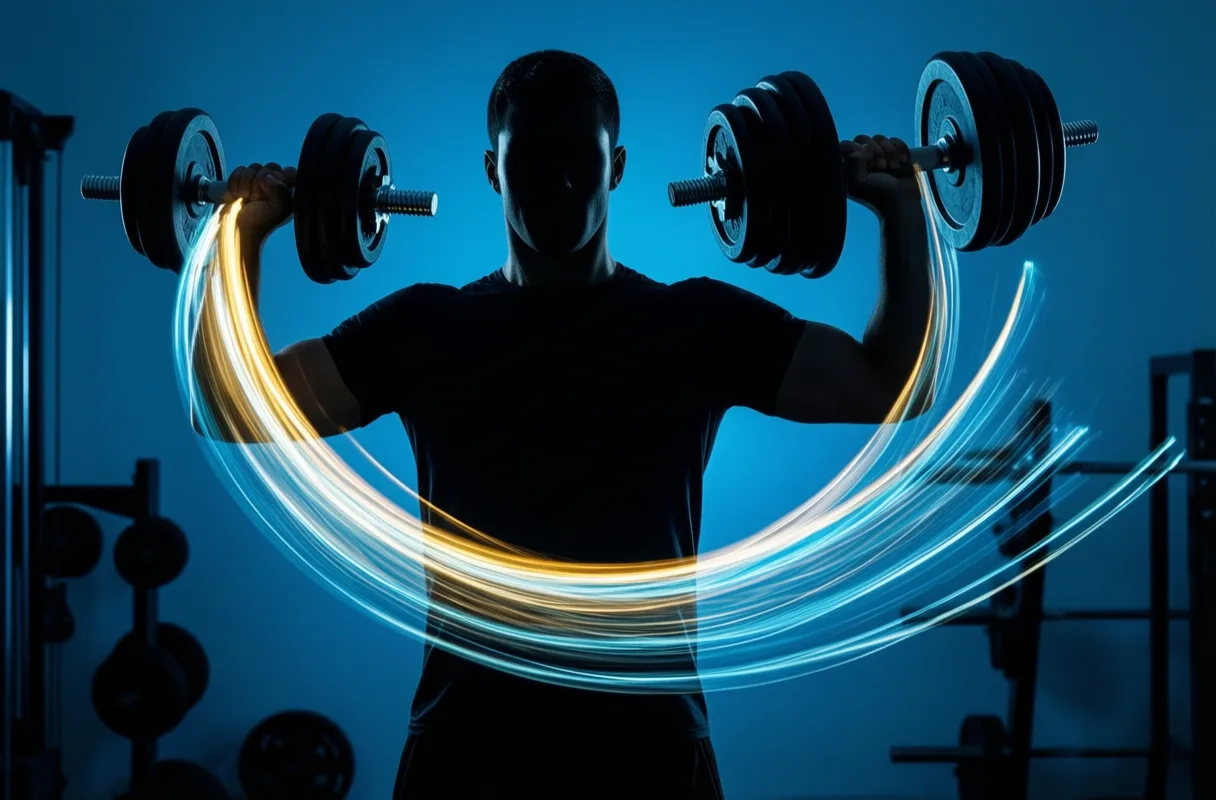
Absolutely—if you choose wisely. A high-quality adjustable dumbbell set can cover a wide weight range, often from as low as 5 pounds to over 90 pounds per dumbbell. That kind of versatility means you can perform everything from bicep curls to heavy shoulder presses without switching equipment.
For compound movements like goblet squats or Romanian deadlifts, having access to heavier increments is essential. The right set lets you Progress smoothly From warm-up sets to max effort lifts. This eliminates the need for multiple fixed dumbbells, saving both money and floor space.
Many fitness experts agree: one premium adjustable pair can effectively replace a full rack—especially when paired with a bench and barbell setup. Whether you're doing supersets, drop sets, or full-body circuits, these dumbbells keep your momentum going. No more wasting time searching for the right weight.
1. Assess Your Strength Level and Future Goals
Start by evaluating where you are—and where you want to go. If you're just beginning, don’t buy a set based only on your current max lifts. Pick a set that allows room for growth. Your future self will thank you when you’re ready to push heavier loads.
A beginner might start with 10-pound dumbbell curls, but within months could be lifting 25 or 30 pounds. An intermediate lifter may need up to 70 pounds for split squats or rows. Choose a system with a Maximum weight range higher than your current lifting ability, so you won’t outgrow it quickly.
Think long-term. Are you training for muscle size, strength, or endurance? Each goal demands different weight progressions. A versatile adjustable dumbbell adapts to all three—provided it goes heavy enough and increases in manageable increments.
2. Compare Adjustment Mechanisms: Speed vs. Precision
Adjustment speed matters during intense workouts. Dial-based systems let you change weights in seconds—just turn the selector and lift. This keeps your heart rate up during circuit training and HIIT sessions. Sets like the Core Home Fitness Adjustable Dumbbells use this mechanism, praised for their Compact design and ease of use.
Other models rely on pin-and-plate systems, where you insert a handle into a rack and pull out a selector pin. PowerBlock Elite EXP uses this method, offering Long-term durability and compact storage. While slightly slower than dials, it’s proven reliable over thousands of repetitions.
Then there are screw-thread or plate-loading styles, like the Ironmaster, which require manually adding or removing weight plates. These take more time but offer Exceptional stability and build quality. They’re ideal if precision and feel matter more than speed.
| Mechanism Type | Speed | Precision | Best For | |----------------|-------|----------|---------| | Dial Select | Fast | Moderate | Circuit training, beginners | | Pin & Plate | Medium | High | Strength training, long-term use | | Plate Loading | Slow | Very High | Serious lifters, stability focus |
Choose based on your routine. Fast adjustments suit metabolic workouts; precision systems win for heavy lifting.
3. Prioritize Build Quality Over Flashy Features
It’s easy to get distracted by digital displays, Bluetooth connectivity, or sleek colors. But Real strength comes from solid materials, not gimmicks. The best adjustable dumbbells are made from forged steel, reinforced polymers, and rugged coatings that resist chipping and rust.
Look for models with minimal wobble and secure locking mechanisms. A dumbbell that shifts during a shoulder press isn’t just annoying—it’s dangerous. You need confidence that every rep will be stable and controlled.
Ironmaster dumbbells, for example, are known for their Robust construction and long lifespan. They may lack high-tech features, but they deliver where it counts: performance under load. Similarly, PowerBlock’s design emphasizes structural integrity and compact efficiency.
Avoid flimsy plastics or loose joints. These compromise safety and limit how much weight you can safely handle. Remember: your body responds to resistance, not aesthetics. Invest in iron, not illusions.
4. Consider Footprint: How Much Room You Actually Have
Space is a reality in most home gyms. That’s where adjustable dumbbells shine. A single pair can replace 15 or more individual dumbbells, freeing up valuable square footage. But not all systems are equally compact.
Dial and pin-based models often come with a stand or cradle that takes up minimal floor space. The Core Home Fitness Adjustable Dumbbell Set is noted for being Compact and easy to store, making it ideal for apartments or small workout corners.
PowerBlock Elite EXP also scores high for Space efficiency, with vertical storage and a narrow base. Meanwhile, plate-loaded systems like Ironmaster require more room for the handle and individual plates—but offer unmatched durability.
Measure your available space before buying. Will the dumbbells fit on a shelf? Can you store them upright? Do they need a dedicated rack? The right choice fits your environment—not the other way around.
5. Evaluate Grip Design and Ergonomic Comfort
Your grip is the foundation of every lift. A poor handle can lead to early fatigue, slipping, or even injury. The best adjustable dumbbells feature Knurled or textured grips That stay secure, even when your hands sweat.
Diameter matters too. Too thick, and you’ll struggle with curls; too thin, and heavy lifts feel unstable. Most top models use a standard Olympic-style grip—about 1.25 inches in diameter—that balances comfort and control.
Check how the weight is distributed. Some selectorized dumbbells have outer plates that extend beyond the handle, creating a Longer moment arm. This can make lighter weights feel awkward or unbalanced. Better designs keep the mass close to the hand.
Also consider handle shape. Straight bars work for most exercises, but some users prefer angled or rotating handles for joint comfort. While not common in adjustable sets, ergonomic attention separates good from great.
6. Look Beyond the Price: Durability Versus Upfront Cost
Yes, premium adjustable dumbbells cost more upfront. But think of them as a Long-term investment in your fitness. A $400 set that lasts 10 years is cheaper than replacing $200 sets every two years.
Cheaper models often cut corners: plastic components, weak latches, inconsistent calibration. Over time, these flaws add up—leading to frustration, downtime, or even injury. You’re not just buying weights; you’re buying consistency.
Sets like the PowerBlock Elite EXP and Ironmaster are built to endure years of daily use. They may not be the cheapest option today, but they save money—and hassle—over time. And when you’re chasing muscle growth, Consistency beats cost-cutting every time.
Ask yourself: How often will I use them? If you’re serious about building strength and staying lean, spending more now pays off in results later.
7. Check for Incremental Weight Increases
Progressive overload requires small, consistent jumps in resistance. If your dumbbells only increase in 10-pound increments, you’ll hit plateaus fast. The best systems offer Smaller jumps—5 pounds or even 2.5 pounds per side—so you can keep advancing.
Some dial models increase in 5-pound steps, which works for larger lifts like presses and rows. But for isolation moves—lateral raises, curls, kickbacks—smaller increases are critical. That’s where plate-loaded systems excel, allowing micro-loading with additional plates.
Consider your training style. If you follow structured programs with precise progressions, fine-tuned increments give you an edge. If you’re doing general conditioning, larger steps may suffice.
Either way, Ensure your chosen set supports gradual progression. Stalled gains often come from inadequate weight options, not lack of effort.
The Myth of the “Perfect” Adjustable Dumbbell
There’s no single “best” adjustable dumbbell for everyone. Each design involves trade-offs: speed versus stability, size versus range, cost versus longevity. The truth is, Compromises are inevitable—but that doesn’t mean you can’t make a great choice.
Some prioritize convenience and speed. Others value raw strength and durability. Your job is to decide which trade-offs align with your goals. Want fast transitions for streaming workouts? A dial system might be ideal. Training for serious muscle mass? A plate-loaded iron beast could be your ally.
Don’t chase perfection—chase suitability. The perfect dumbbell isn’t the one with the most features. It’s the one that Fits your space, supports your progress, and survives your grind.
Why Compromises Are Inevitable—And How to Choose Yours Wisely
Every mechanism has limits. Dial systems are fast but may lack the heft for advanced lifters. Pin-and-plate models are sturdy but take up more space. Plate-loaded handles offer precision but require more setup time.
Ask: What will I sacrifice without regret? If you hate wasting time adjusting weights, speed trumps raw max load. If you’re pushing 80+ pounds regularly, stability beats convenience.
Also consider noise. Some systems clank or rattle during movement. If you live in an apartment or work out early, a quieter model may be worth a slight trade-off in adjustability.
Your compromise should serve your lifestyle—not sabotage it. Choose based on How you actually train, not how you wish you trained.
Putting It All Together: Matching Features to Your Routine
Now it’s time to act. You’ve assessed your strength, goals, space, and preferences. You understand the trade-offs. So how do you make the final call?
If you value Speed and simplicity, go with a dial-based system like the Core Home Fitness Adjustable Dumbbells. They’re compact, user-friendly, and ideal for dynamic workouts. Perfect for those who stream home fitness classes or follow fast-paced routines.
For Long-term durability and heavy lifting, consider the PowerBlock Elite EXP or Ironmaster. These are built for lifters who want to go heavier, stronger, and longer. They take up slightly more space but deliver unmatched reliability.
And if you want Maximum flexibility and micro-progressions, a plate-loaded system gives you full control. You can add small plates for precise overload—critical when chasing that next level of muscle definition.
No matter which you choose, remember this: Consistency builds champions. The best home gym isn’t the fanciest—it’s the one you use every day. Pick a set that inspires you to show up, lift hard, and push beyond your limits.
Because greatness doesn’t come from gear. It comes from grit. From repetition. From showing up—even when it’s tough. Choose smart. Lift heavy. And build the body you were meant to have.
| Mechanism Type | Speed | Precision | Best For |
|---|---|---|---|
| Dial Select | Fast | Moderate | Circuit training, beginners |
| Pin & Plate | Medium | High | Strength training, long-term use |
| Plate Loading | Slow | Very High | Serious lifters, stability focus |
Smart Picks for Your Home Gym
Why One Pair Can Replace Many
Forget stacking dozens of fixed-weight dumbbells across your floor—adjustable ones let you switch from light to heavy in seconds. Most models use a dial or pin system to change the load, so you can go from warm-up weights to your max lift without needing extra gear. This saves serious space, which is a game-changer if you're working out in a garage, spare room, or apartment. Some sets even hold more than 90 pounds per dumbbell, giving you room to grow stronger without buying new equipment.
Dumbbells That Grow With You
When picking a set, think ahead. Choose a weight range that goes beyond what you're lifting now—your future self will thank you when you're ready to push heavier loads. Some top models offer smooth adjustments and durable construction, making them ideal for long-term use. Ironmaster and PowerBlock, for example, are known for sturdy builds and compact designs that stand up to frequent workouts. And because you’re only buying one pair, many lifters find it easier to stay consistent when their gear adapts as easily as their routine.
Frequently Asked Questions
Can one pair of adjustable dumbbells replace a full dumbbell rack?
Yes, a high-quality adjustable dumbbell set can cover a wide weight range, often from 5 to over 90 pounds per dumbbell, replacing multiple fixed dumbbells and saving space and money.
What are the main types of adjustable dumbbell mechanisms?
The main types are dial select, pin-and-plate, and plate-loading systems. Each offers different trade-offs in speed, precision, and suitability for specific training styles.
How important is build quality in adjustable dumbbells?
Build quality is critical. Durable materials like forged steel and secure locking mechanisms ensure safety, stability, and long-term performance under heavy loads.
Why are small weight increments important in adjustable dumbbells?
Small increments, such as 2.5 or 5 pounds, support progressive overload and help prevent plateaus, especially during isolation exercises like curls or lateral raises.
Related reading
This article was produced with AI assistance. How Chiseled Magazine uses AI.
Chiseled Magazine writes for Chiseled Magazine — expert training, nutrition and fitness advice.