Creating a positive workplace culture is essential for the success of any organization. In 2026, the game has changed, and human resources (HR) hold the keys to this transformation. Gone are the days of rigid policies and one-size-fits-all approaches. Today, HR is evolving with innovative strategies that foster inclusivity, productivity, and engagement—elements absolutely critical to crafting a thriving workplace culture. If you’re curious about how to amp up your organization’s dynamics, buckle up! Here are some transformative secrets to help your workplace soar.
Top 5 Human Resources Secrets That Revolutionize Workplace Culture
1. Embracing Parenthood: Flexible Work Arrangements
As workforces diversify, a lot of employees are juggling work and family life. Flexible parental leave policies are making waves, and companies like Netflix are leading the charge. With up to a year of paid parental leave, Netflix allows its team members to reconnect with their families without the constant worry about job security. This kind of investment translates directly into boosted morale and a committed workforce. Who wouldn’t want a work-life balance that makes you thrive, right?
Google also isn’t holding back. Their comprehensive parental leave policies include the option for employees to return part-time or full-time after their leave, making the transition smoother for new parents. The implications are clear—when organizations embrace the realities of parenthood, they reap the rewards of an engaged and loyal workforce.
Imagine this! Employees returning from a fulfilling leave, energized and eager to contribute. That’s the secret sauce to a vibrant workplace culture, folks!
2. Building Mental Health Support Programs
The conversation around mental wellness has exploded recently, and HR is recognizing its importance. Starbucks is making it happen by offering free access to mental health resources and on-site counseling. These programs do more than just reduce stigma; they empower employees to prioritize mental well-being.
By investing in mental health support, Starbucks has seen remarkable boosts in productivity and lower absenteeism. Employees feel that their workplaces care about them as whole people, and that can spark a fire of motivation and loyalty that’s hard to extinguish.
In a world where stress is a constant companion, offering mental health resources is not just a perk—it’s essential. Companies that ignore this risk losing top talent and fostering an unhealthy work environment.
3. Diversity, Equity, and Inclusion (DEI) Training
Today’s socio-political atmosphere has put all eyes on creating inclusive workplaces. Organizations like Salesforce have taken bold steps by investing in comprehensive DEI training programs that go beyond the typical one-off workshops.
Salesforce’s ongoing education and feedback mechanisms ensure that inclusivity isn’t just a buzzword in their culture. They’ve dedicated roles within their own HR departments to focus strictly on DEI, weaving it into the very fabric of their operations.
When employees see that their unique backgrounds and perspectives are appreciated and celebrated, it fosters a unity that can only propel a company toward greater heights. It’s not just about filling quotas; it’s about engaging hearts and minds.
4. Gamification of Employee Engagement
It’s a new age, and HR is tapping into the power of gamification to crank up employee engagement. Companies like Deloitte are rolling out gamified learning systems where employees earn points and badges for completing training modules.
This fun and interactive approach not only enhances skill development but also cultivates a sense of community and friendly competition within teams. And who doesn’t love a little incentive to level up?
With gamification, employees aren’t just clocking in hours; they’re actively participating in their growth while bonding with peers—it’s like integrating play into productivity.
5. Integrating Sports Surge for Team Building
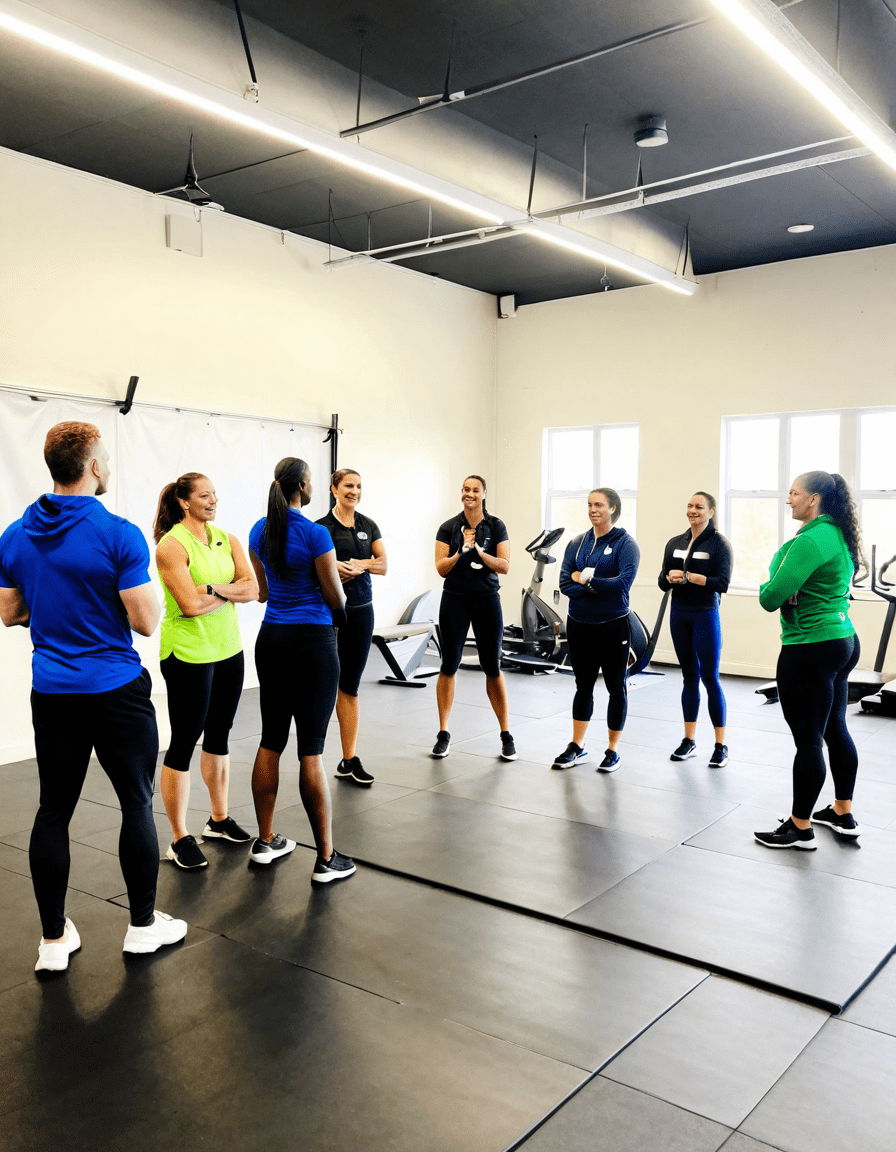
Knowing the strength of teamwork, many organizations are harnessing sports to create spirited team-building activities. SAP has introduced corporate sports leagues, promoting healthy competition and social interaction among employees.
This “sports surge” isn’t just about exercise; it’s facilitating connections beyond the office. Employees who engage in sports together build camaraderie, which translates to better collaboration and communication back in the workplace.
Think about it! When people bond over a shared passion—whether it’s throwing a football or competing in a volleyball match—stronger relationships form. And a tight-knit team is a successful team!

The Ripple Effect of Transformative HR Practices
The impact of savvy human resources strategies isn’t contained within individual employees; it radiates outward and uplifts the organization as a whole. When companies invest in flexible policies, mental health resources, DEI training, gamification, and sports-driven activities, they create a dynamic culture where employees feel valued and motivated.
This distinct approach leads to lower turnover rates and a sky-high job satisfaction index. A happy employee is a productive employee, and a productive workplace is a lucrative one.
Moreover, adopting transformative HR practices can refine an organization’s reputation as an attractive place to work. In today’s job market, the best talent looks for companies with robust HR frameworks and employee-first cultures.
How to Measure Success in Workplace Culture Transformation
To figure out whether these new HR initiatives are hitting the mark, organizations should equip themselves with sturdy metrics. Get creative! Anonymous surveys, focus groups, and performance assessments are invaluable tools for gathering honest feedback.
For instance, Microsoft has implemented quarterly check-ins that help gauge employee satisfaction. This not only identifies areas for improvement but demonstrates to employees that their voices matter. What a fantastic way to continuously refine strategies!
HR departments that listen actively and adapt are setting the stage for long-lasting transformations. They’re creating a culture of responsiveness that bolsters trust and encourages teams to thrive.
Fostering Future-Ready Workplace Cultures
As we roll forward into the thriving business landscape of 2026, human resources will remain pivotal in molding workplace cultures. By embracing innovative practices that shine a light on employee well-being, cohesion, and inclusivity, organizations carve out environments that not only promote growth but also create thriving communities.
HR professionals need to stay flexible, pivoting with workforce expectations and emerging trends. A workplace that molds itself to meet the needs of its people doesn’t just survive—it flourishes.
With the right approach, the secrets of transformative human resources practices can unlock unparalleled success for organizations, making them the champions of workplace culture. Keep pushing forward, and soon, you’ll find your workplace thriving like never before!
In wrapping this up, remember that creating an exceptional workplace culture is like sculpting a masterpiece—patience, dedication, and creativity will get you to that perfect six-pack of a culture! Buckle up and put in the work; your future workplace will thank you for it.
Human Resources Secrets That Transform Workplace Culture
Fun Facts about Human Resources
Did you know that the concept of human resources didn’t truly take off until the early 20th century? Before that, employees were often considered mere resources rather than valued contributors. It’s a bit like film history; take Death Proof for instance, it flipped expectations about storytelling. In the same vein, modern HR has shifted to prioritize well-being and engagement, much like how character development became central in shows like Killing Eve. These changes help foster an environment where employees can perform their best, creating a dynamic company culture.
Speaking of culture, providing employees with opportunities for growth can take your workplace vibe to the next level. Think of it as wearing a stylish fade Curls haircut—people notice when you’re sharp and fresh! In HR, this can range from training programs to mentorship, which reflects the same degree of investment you’d expect from a thoughtful performance in a classic like Back To The Future part III. Employees who feel nurtured and appreciated are more likely to stick around, translating to lower turnover and happier teams.
Interestingly, even the choice of materials in the workplace can impact culture! Companies have embraced eco-friendly practices, which can tie into their overall values. It brings to mind the versatility of polyester—once shunned, it’s now a staple in sustainable fashion. In HR, implementing green policies not only attracts talent but shows that the company cares about the environment, echoing the timeless wisdom of Sophocles about the importance of caring for our surroundings. Balancing every aspect, even the working materials, can transform how employees connect with their roles and each other.
Whether it’s about implementing effective training or creating an inviting workplace, great human resources strategies shine through in how they support people. With all these strategies in mind, it’s clear that a strong HR foundation is essential for a thriving workplace. Just like the diverse themes explored in Tigerlily productions, HR can pull from a wide array of ideas to create an experience that resonates with every employee.