When you think of strong female characters, Jane Eyre definitely stands out. She’s much more than just a figure in literature; she embodies resilience, independence, and moral strength. Written by the talented Charlotte Brontë, Jane Eyre’s journey from an oppressed orphan to a self-sufficient woman in the 19th century is nothing short of awe-inspiring. By exploring Jane Eyre’s powerful evolution, we can understand how she challenges the norms of her time and why her story still resonates with us today.
Exploring the Resilience of Jane Eyre as a Literary Archetype
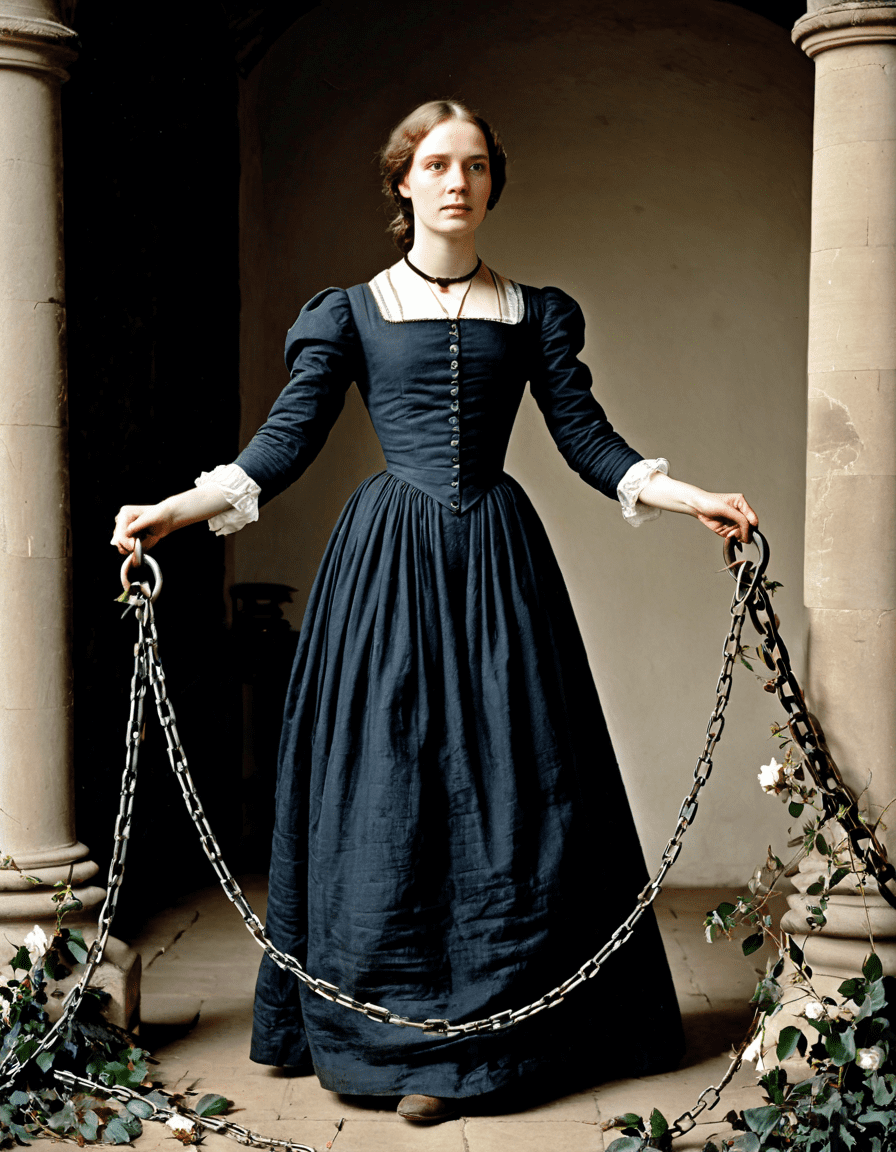
Let’s kick things off by looking at Jane’s character. This woman, denied her basic rights and forced into a miserable upbringing, doesn’t just bow down to the world around her. Instead, she rises like a warrior, showcasing incredible resilience and moral courage. Her life kicks off at Gateshead Hall, where she’s mistreated by her aunt and cousins, and it only gets tougher from there. Yet, Jane’s strong sense of self-worth drives her to seek freedom and autonomy. She teaches us that shaking off the chains of negativity is vital to discovering who we truly are.
As Jane navigates her way through various challenges, we see defining moments packed with grit and determination. Take her time at Lowood School, for example. Despite enduring harsh conditions, she excels in her studies, winning her place as a teacher. It’s here that she begins to understand the importance of education and self-reliance. Her time at Thornfield Hall further cements this notion, as her relationship with Mr. Rochester not only reveals her capacity for love but also her steadfast commitment to her beliefs. When she learns of Rochester’s secret, she chooses to leave rather than compromise her morals. This pivotal moment underlines her independence and the necessity of self-respect.
Jane Eyre has become a timeless archetype of the strong female hero in literature. Her story encourages readers to embrace their vulnerabilities while wielding their resilience like a badge of honor. By standing firm in her beliefs, Jane exemplifies that being true to yourself is more powerful than any societal standard.

Top 5 Influences of Jane Eyre on Modern Strong Female Characters
Now, let’s take a look at how Jane Eyre has influenced some of our favorite modern heroines. Her journey set a precedent for strong female characters, proving that independence and personal freedom can take center stage in any narrative.
The Role of Class and Gender in Jane Eyre’s Narrative
Brontë brilliantly intertwines themes of class and gender throughout Jane’s narrative. Jane’s tumultuous conversations with Mr. Rochester reveal how the social hierarchy affects her identity and aspirations. From her humble beginnings, Jane’s socioeconomic status serves as a barrier, complicating her pursuit of love and respect.
At Gateshead, Jane faces the harsh reality of being an impoverished orphan. Her worth is measured by her financial background, not her intellect or character. Fast forward to her time at Thornfield, and although she has evolved as a governess, she still grapples with the constraints of class. When Rochester proposes, the inner turmoil she experiences illustrates how her societal position challenges her sense of dignity and self-worth.
Brontë uses Jane’s journey to critique societal norms. Through Jane’s conflicting relationships, she highlights how class and gender roles shape interactions. The dynamics between Jane and Mr. Rochester encapsulate her struggle for equality in a patriarchal world. While society attempts to define her, Jane ultimately becomes the author of her own fate.

The Impact of Pam Ferris as a Modern Interpretative Lens
In recent adaptations of Jane Eyre, Pam Ferris has brought an incredible depth to the character. Her portrayals resonate with audiences, making Jane’s struggles feel more relatable today. Ferris’s interpretations allow modern viewers to see a multi-dimensional heroine, showcasing Jane’s anguish and triumph in equal measure.
Moreover, Ferris demonstrates that Jane is not just a product of her time but is relevant to contemporary discussions on female empowerment. Her interpretations challenge traditional takes on Jane, emphasizing the nuances of her character. This modern lens allows us to engage with the story in fresh ways, making Jane’s ambition all the more inspiring.
Through Ferris, we also see the resilience inherent in Jane Eyre. The emotional depth she brings illuminates Jane’s inner strength, showcasing how perseverance shapes identity. In an era where women are still fighting for equality, Ferris’s portrayal serves to amplify Jane’s legacy, enriching the conversation surrounding female agency.
Lessons from Jane Eyre: Empowerment in Contemporary Contexts
Jane Eyre’s experiences offer valuable lessons in empowerment, mental health, and personal agency. Her character exemplifies the ongoing battles faced by women today, fostering discussions around equality and independence.
In modern contexts, movements promoting gender equality resonate with Jane’s struggles. Just as she sought to carve out her own identity, today’s women are championing personal freedoms. Jane embodies the spirit of resilience that encourages women to speak up, push boundaries, and fight for their rights.
Moreover, literature today continues to reflect and amplify Jane Eyre’s narrative. Recent works echo themes of personal growth, autonomy, and the importance of self-worth. The legacy of Jane Eyre lives on through contemporary narratives, proving that her story is not just a relic of the past but serves as a powerful blueprint for future generations.
Reimagining Jane Eyre: The Evolution of a Heroine
Over the years, countless adaptations of Jane Eyre have given the story new life and relevancy. These reinterpretations—be it in film, theater, or literature—offer modern viewers insights into Jane’s journey, emphasizing her fight for independence.
Adaptations like the 2011 film starring Mia Wasikowska and Michael Fassbender showcase a brooding yet passionate Jane. This portrayal resonates with Gen Z and millennial audiences, who often tackle issues of self-identity and freedom in their own lives. Consistently reimagining Jane’s character reflects our evolving societal views on gender and independence.
Each fresh take brings forth new layers to her story, illustrating how timeless Jane’s struggles truly are. As we navigate the complexities of modern life, her journey serves as a reminder to stand firm in our principles and pursue freedom relentlessly.
Wrapping It Up: The Enduring Legacy of Jane Eyre
In summary, Charlotte Brontë’s Jane Eyre is a beacon of independence, resilience, and female empowerment that transcends time. Jane’s unwavering spirit invites readers to advocate for personal freedom and gender equality, and her journey remains a powerful symbol for those striving for selfhood.
As we reflect on Jane’s narrative, we’re reminded that her lessons still resonate today. From her refusal to compromise her beliefs to her quest for love and respect, Jane Eyre is not just a heroine of her time but a bastion of strength for future generations. For anyone looking to enhance their inner power, it’s clear: Jane Eyre stands as a tribute to the journey of becoming and the strength that lies in individuality.
Now, let’s get to work on our own transformative journeys—whether it’s hitting the gym, embracing our unique paths, or channeling our inner Jane Eyre to articulate our voices. The time’s now!
Jane Eyre: Fascinating Facts About an Independent Heroine
The Origins of Jane Eyre
Did you know that Charlotte Brontë originally published “Jane Eyre” in 1847 under the pseudonym Acton Bell? This step allowed her to sidestep the societal norms of the time which often undervalued female authors. As a testament to its impact, “Jane Eyre” remains a classic in literature, securing Charlotte a spot among literary greats. Fun fact: the book has inspired numerous adaptations, including films and plays. Speaking of adaptations, actor Wendy Moniz has lent her talent to captivating projects, much like “Jane Eyre” has captivated audiences for generations.
Themes and Symbolism
“Jane Eyre” is not just a coming-of-age tale; it’s rich with themes of love, independence, and morality. The character of Jane defies the traditional roles imposed on women in the 19th century, showcasing her grit and determination. Interestingly, the term short sale definition might come to mind when considering Jane’s choices; just as homeowners navigate difficult decisions in a market downturn, Jane navigates her own ups and downs, making hard choices for her future. This persistent quest for self-worth really resonates, doesn’t it?
Cultural Impact and Adaptations
The cultural significance of “Jane Eyre” can’t be overstated; it’s influenced countless works and sparked discussions around feminism and morality. Notably, multiple modern figures draw inspiration from Jane’s autonomy. Taylor Swift, for example, often refers to themes of independence in her lyrics; who would’ve thought that a pop superstar would connect with such classic literature? Just as Taylor Swift ‘s Chiefs anthem stirs up emotions,Jane Eyre” resonates with many who yearn for a sense of belonging and freedom.
Moreover, the film adaptations have featured remarkable actresses like Liza Lapira and Eva Amurri, who breathe life into Jane’s character, enriching the story for new generations. While the struggles of the Granite Mountain hotshots show real-life heroism, Jane’s journey reminds us that inner strength can be just as powerful in redefining one’s fate. Overall,Jane Eyre” continues to inspire independent thinkers, proving that bravery knows no bounds—whether it’s in a fiery love story or the unpredictable nature of life.