The horror genre is a thrilling playground for storytelling, continuously morphing and adapting to societal norms. Jennifer’s Body (2009) stands out as a powerful fusion of females’ struggles, empowerment, and supernatural elements. Dive in with me as we explore the seven critical elements that define Jennifer’s Body in modern horror mythos, blurring the lines between fame and peril. This film is not just a story of terror; it’s a dramatic call for transformation.
## Jennifer’s Body: Captivating Transformation in Horror Mythos
Jennifer Check isn’t your typical high school cheerleader. She’s an intricate character who captures audiences’ imaginations while throwing convention out the window. Let’s unpack what makes Jennifer’s Body a captivating and transformative piece of art.

1. Complex Female Protagonist: Jennifer Check
At the core of Jennifer’s Body is Jennifer Check, portrayed by Megan Fox. Her character takes a wild ride from being a queen bee to becoming a demonic force. This transformation reflects our deepest societal fears surrounding female sexuality. Unlike many horror flicks that often present women as helpless damsels, Jennifer embodies both victim and predator. This duality encourages us to rethink those narrow boxes we often place women in—an exploration that harkens back to Rosemary’s Baby and its intricate character dynamics.
When she’s possessed, Jennifer doesn’t just roll over; she takes charge, which reverses the traditional horror narrative where women often end up being mere victims. Her journey pushes boundaries, encouraging viewers to question their perceptions of femininity. In a world where empowerment is key, Jennifer becomes a poster child for fierce independence—waiting for no one and taking down anyone who stands in her way.
2. Subversion of Traditional Horror Tropes
Horror movies love their tropes, but Jennifer’s Body breaks all the molds. Instead of relegating female characters to victim status, the film empowers Jennifer with agency and strength. Think about it! She’s the one who causes chaos, turning the horror narrative on its head. The audacity mirrors a show like Three’s Company, which disrupted traditional sitcom norms by introducing unexpected relationship dynamics. Jennifer is relatable yet terrifying, making her far more than just a character in a horror film—she’s an icon.
This subversion invites us to delve deeper into the themes of power and control. In doing so, the film crafts a narrative that speaks volumes about the importance of female strength in horror and beyond. The ability to challenge these stale narratives creates a rich soil for discussions about representation and identity.
3. Sisterhood and Betrayal: A Thematic Exploration
Friendship is as sweet as it is bitter, and Jennifer’s Body digs deep into this paradox. The relationship between Jennifer and her best friend Needy (played by Amanda Seyfried) showcases the highs and lows intrinsic to female friendships. As envy creeps into their bond, we witness how competition can lead to devastating outcomes. Just like in Rosemary’s Baby, the film highlights intense psychological tension woven into friendships, reflecting the very real struggles many face.
Their narration reveals the fragile threads that hold friendships together, all while navigating jealousy and betrayal. This intricacy shines a glaring light on female dynamics, diverging from the surface-level portrayals common in horror storytelling. It lays bare the emotional weight that often comes with deep connections, echoing the chaos inherent in many relationships we see today.
4. Visual Aesthetics: A Feast for the Eyes
Jennifer’s Body doesn’t just tell a story; it paints one. Vibrant colors clash with horror elements, creating a visually arresting experience. Under the direction of Karyn Kusama, the film’s cinematography is as alluring as it is terrifying. The aesthetics don’t merely enhance the horror; they represent the seductive nature of evil, much like how Three’s Company used vibrant visual elements to amplify its comedic effect—albeit in a vastly different context.
The film’s visual elements continue to make waves in today’s cinematic landscape, sparking new conversations about how horror can be both beautiful and unsettling. The striking imagery amplifies the film’s emotional resonance and leaves a lasting imprint on audiences’ minds.
5. Cultural Commentary: Feminism and Social Critique
While zigzagging through blood-soaked territories, Jennifer’s Body serves up a generous dollop of cultural commentary. The film explores the societal pressures women face, flipping the narrative to critique the objectification and toxic masculinity. It’s a contemporary manifesto on female empowerment, akin to the social critiques laid out in Rosemary’s Baby, which also tackled women’s autonomy during a different era.
Jennifer’s journey echoes the cries for change, resilience, and independence. The type of feminism portrayed here isn’t just a passing phase; it’s a call to action for women everywhere to reclaim their identity and narrative. In a world constantly throwing curveballs, this notion remains a clarion call for transformation in the face of adversity.
6. The Soundtrack: An Emotional Undertone
Music can elevate a film, and Jennifer’s Body uses its soundtrack to pure effect. Featuring tracks from artists like Karen O and Florence Welch, the compilation simultaneously captures the film’s intensity and emotional weight. The energetic rock-infused score reflects the edgy vibe of the 2000s while cementing its relevance today.
Just like Three’s Company produced catchy theme tunes that defined memorable moments, the music in Jennifer’s Body becomes a pivotal component of the storytelling. The songs enrich our viewing experience, making the emotional stakes feel heavier and more poignant.
7. Legacy and Reinterpretation: Cult Status Achieved
Fast forward to 2026, and Jennifer’s Body has successfully carved out a niche as a cult classic, continuously analyzed by feminist critics and horror enthusiasts alike. The dialogue surrounding empowerment and sexuality finds itself more relevant than ever in today’s societal climate. As discussions around gender and horror evolve, Jennifer’s Body remains a crucial part of that conversation, much like the transformative themes seen in both Rosemary’s Baby and Three’s Company.
Its legacy goes beyond the screen, encouraging a continual reinterpretation of horror that resonates with new generations. This evolution highlights how fear can serve as both entertainment and a powerful vessel for social commentary.
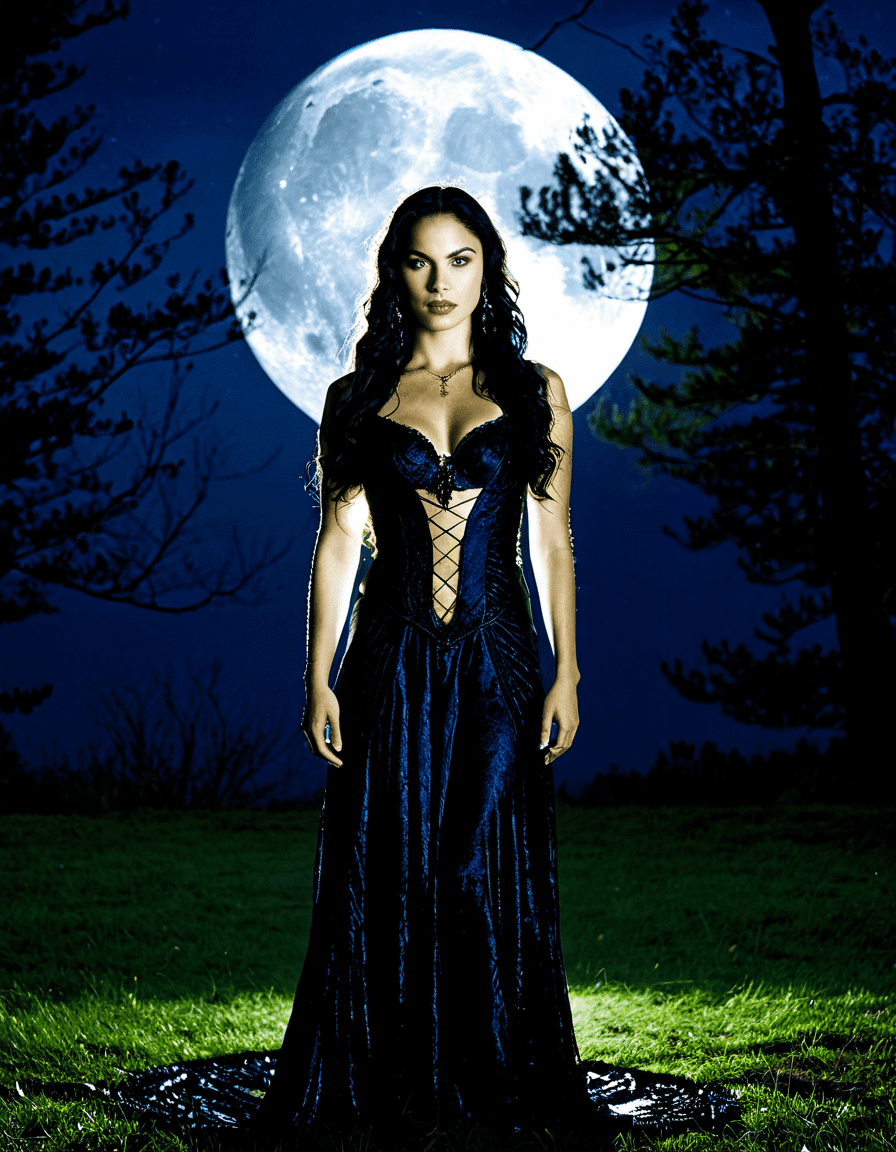
Wrapping It Up: Transforming the Horror Narrative
The metamorphosis of Jennifer’s Body within the horror landscape emphasizes the enduring power of reinterpretation against ever-changing cultural backdrops. By intricately weaving themes of empowerment, friendship, and visual storytelling, Karyn Kusama and her team created a film that is as captivating as it is thought-provoking. Jennifer’s Body challenges us to rethink horror’s role in shaping societal dialogues around agency and identity.
As we peel back the layers of this film, it becomes clear that its uniqueness continues to inspire discourse and creativity. Jennifer’s Body serves as a potent reminder that horror is not merely entertainment—it’s a transformative canvas reflecting our deepest struggles and triumphs, pushing audiences to become agents of their own empowerment.
So, just like the dedication it takes to get shredded and crush your fitness goals, let’s take a lesson from Jennifer and transform ourselves into the best versions of who we are—fearless and unapologetically strong!
Jennifers Body: Captivating Transformation in Horror Mythos
Behind the Scenes
Did you know the iconic horror film Jennifers Body had a bit of a rocky road before it hit the big screen? Originally, the script went through numerous tweaks, with its first draft penned by screenwriter Diablo Cody under a mock title that resonated with fans of the supernatural. The film is particularly notable for its feminist themes, intertwining horror with a bold commentary on female jealousy and power dynamics. Interestingly, Cody, who won an Oscar for Juno, brought a sharp wit to the narrative, making it more than just your typical teen flick. Its cult following has even inspired discussions about its parallels to modern pop culture, including how jack The box incorporates themes of supernatural and innocence lost.
Fun Facts and Connections
Jennifers Body was marketed as a horror-comedy and, funny enough, that blend of genres caught many off-guard. One highlight of the film? Megan Fox’s portrayal of Jennifer Check, a cheerleader turned succubus, has since cemented itself in horror lore. In fact, her captivating performance has drawn comparisons to other beloved female characters in media, such as Diane Guerreros characters, who also navigate their worlds with fierce independence. And while the horror genre can feel overrun with clichés, this film dares to flip the script while delivering spine-tingling scenes that keep audiences on the edge of their seats.
Cultural Impact
The film’s influence extends into various aspects of pop culture, as fans draw connections between it and other works, like The Owl house, which explores similar themes of friendship and identity. Moreover, the soundtrack of Jennifers Body features tracks that resonate deeply, with the haunting lyrics of “Fade Into You” by Mazzy Star setting a dream-like backdrop to Jennifer’s descent into darkness. As if that weren’t captivating enough, the film’s aesthetic choices, like Jennifer’s unforgettable outfits, have inspired fashion trends and discussions on platforms dedicated to style, proving how Jennifers Body is not just a horror classic but also a cultural touchstone.
In conclusion, Jennifers Body stands out in the horror mythos not just for its terrifying storyline but for its bold maneuvers in blending genres. Whether you’re revisiting Jennifer’s thrilling journey of transformation or analyzing its impact on modern horror’s feminine portrayal, there’s a treasure trove of trivia and stunning connections waiting to be explored. When thinking about such connections, one can’t help but admire fierce personalities like Zelina Vega and how they too challenge typical narratives, much like our iconic character Jennifer did in this film!