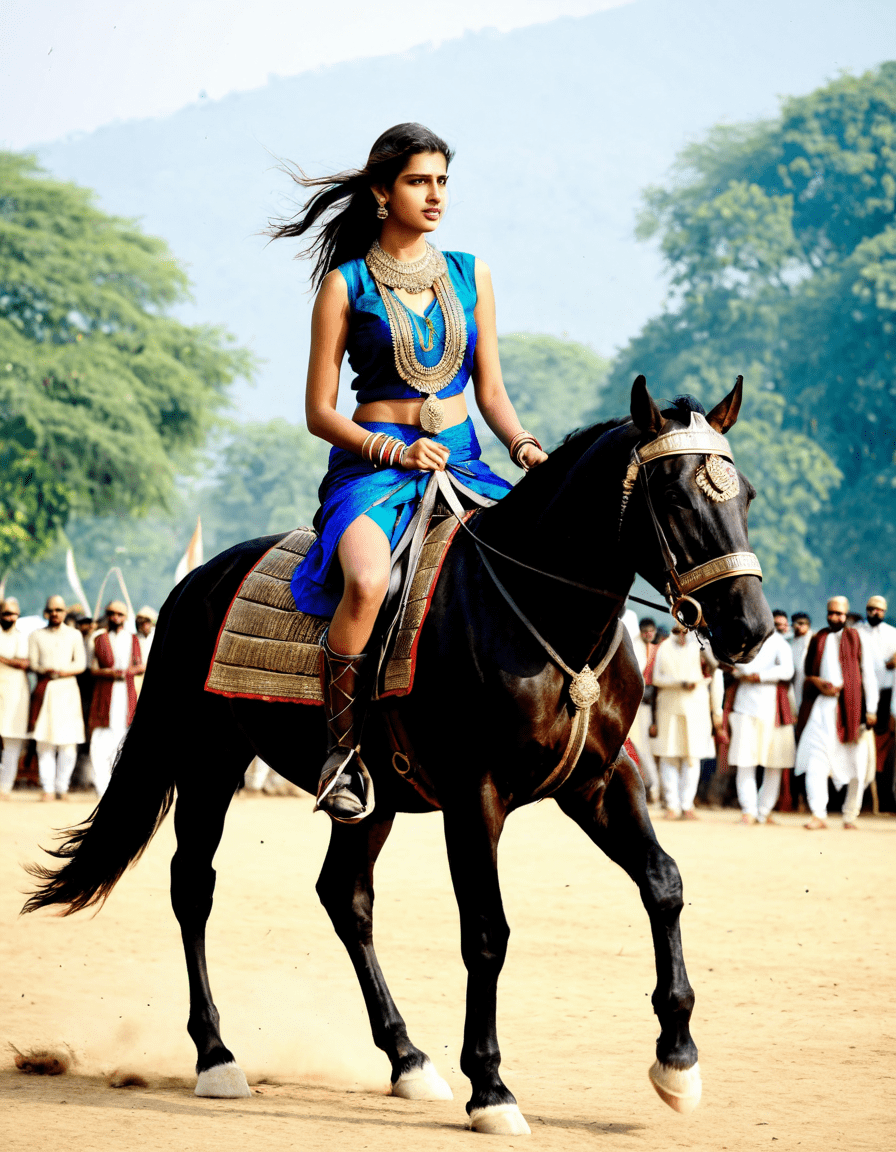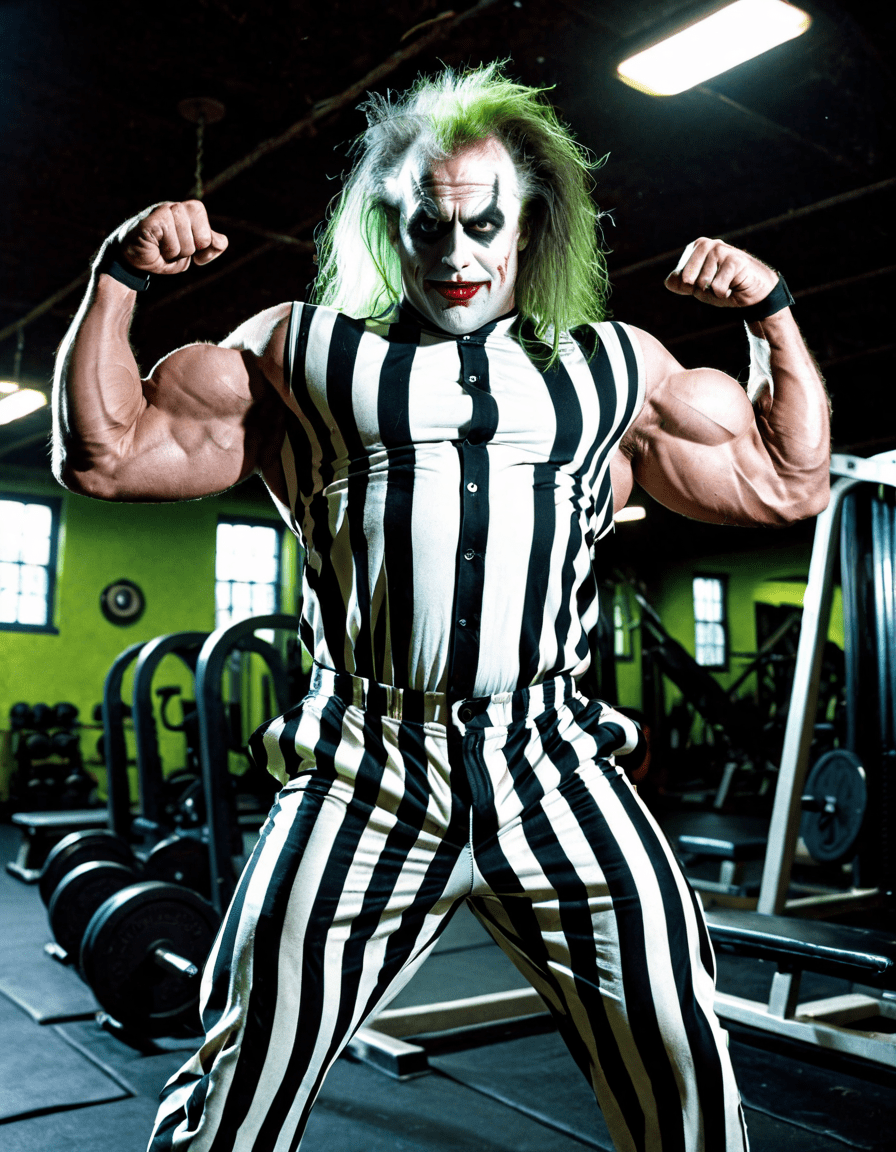
In the vast tapestry of Hindu mythology, Kalki stands out as the eager warrior of mythical proportions. Prophecized as the tenth and final avatar of Lord Vishnu, Kalki’s narrative unfolds during the future age of Kali Yuga—a chaotic time marked by moral decline and spiritual disintegration. Unlike the earlier avatars like Rama and Krishna, who graced our scriptures with charm and compassion, Kalki charges into the fray on his might steed, wielding sword and justice alike, to restore righteousness (dharma) to a world in disarray. His story, found in ancient texts like the Puranas, blends rich symbolism with a call to action, urging us to stand against the tide of challenges.
But what exactly does Kalki represent in today’s world? His essence resonates—drawing parallels to modern struggles, fitness journeys, and the pursuit of a balanced lifestyle. By exploring this vibrant character, we can find inspiration not only for personal growth but also for fostering a society based on strength, compassion, and righteousness. So, buckle up; we’re about to delve deep into the legend of Kalki and what this eager warrior embodies for us today!
The Legend of Kalki: An Overview
The legend of Kalki is compelling, a narrative echoing through centuries, urging humanity towards a brighter future. The ancient Indian texts depict him riding a white horse, armed with a sword, ready to battle the dark forces so prevalent in Kali Yuga. This age is filled with corruption, deceit, and injustice, where moral decay runs rampant, akin to facing an intense workout where the weight seems unbearable. Just like hitting that wall in your fitness routine, Kalki symbolizes the critical moment when one needs to push through to achieve greatness.
Kalki’s anticipated arrival isn’t just about wielding power; it symbolizes the ingredients necessary for lasting change—courage to confront evil, wisdom to guide actions, and the intense passion to restore dharma. This powerful avatar is not merely a warrior; he’s a harbinger of hope, destined to mobilize people toward transformative action. Furthermore, Kalki’s story resonates with those on their fitness paths, emphasizing the importance of having clear goals and the resolve to pursue them relentlessly. Whether it’s hitting the gym or standing up for what’s right, that spirit of determination is what makes a true warrior.
As we explore the narratives surrounding Kalki found in texts such as the Puranas, we begin to understand the profound symbolism embedded in his character. The myth of Kalki illustrates not only the struggle against evil but also the promise of renewal and rebirth. In a world filled with distractions and negativity, this message is not just relevant but vital. So, as we seek personal progress—be it in fitness, health, or virtue—let’s draw inspiration from the legend of Kalki and channel our inner strength to sculpt the lives we desire.

Top 5 Key Qualities of Kalki
Kalki isn’t just an impressive warrior; he embodies attributes that reinforce his pivotal role as a savior. Here are the top five qualities that truly define this mythological figure, serving as a guide for our personal journeys:
The Symbolism of Kalki’s Arrival in Contemporary Culture
Kalki’s story transcends the myths of ancient India, echoing across contemporary culture, from inspiring cinema to gripping literature. Let’s unearth some ways Kalki has shaped creative narratives that resonate with our current world.
For example, films like “Krrish” and “Baahubali” highlight the battle between good and evil, featuring characters that draw inspiration from the archetype of Kalki. These films resonate strongly with audiences, reflecting the universal desire for justice and hope amid adversity. Just like how characters in these films take on daunting challenges and emerge victorious, we too can emulate that spirit in our fitness regimes and personal lives; overcoming obstacles just as easily as we lift weights.
Moreover, literary works such as Amish Tripathi’s “The Immortals of Meluha” beautifully intertwine the essence of Kalki into modern narratives, exploring themes that parallel current socio-political landscapes. Kalki’s arrival, filled with vigor and strength, chastises the malaise of today’s world, pushing us to analyze our challenges and strive for righteousness. It serves as a much-needed reminder that the qualities Kalki represents aren’t confined to ancient texts; they’re our guiding principles.
The imagery and themes connected to Kalki can be seen reflected in fitness culture today as well. From weightlifting challenges inspired by mythical warriors to community efforts built on values of support and growth, Kalki’s essence lives on. His message, a call to arms, reminds us that every effort, every workout, brings us one step closer to becoming the heroes of our own stories.
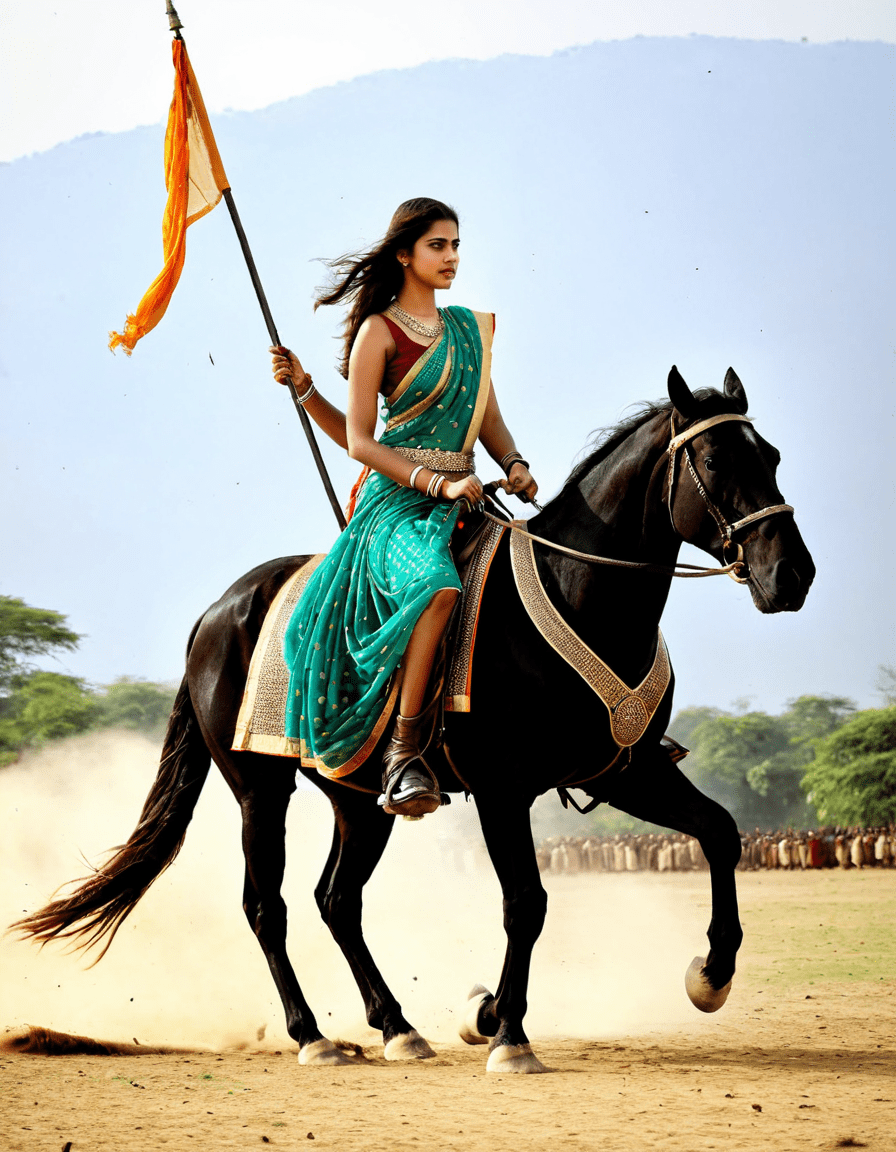
Kalki’s Influence on Modern Spiritual Movements
The influence of Kalki isn’t confined to the ancient texts or the realms of mythology; it pervades contemporary spiritual movements, inspiring individuals to find purpose amidst chaos. Many today draw parallels between Kalki’s anticipated arrival and the global shifts happening in spirituality, pushing for unity and ethical living.
Organizations like the Arya Samaj, founded by Swami Dayananda Saraswati, incorporate themes of Kalki into modern teachings, emphasizing the urgency of righteousness while advocating for social reforms. As followers strive for a better world, Kalki’s ideals serve as both guiding lights and anchors. They remind us that embracing ethical living can counter the tumultuous distractions of today’s society.
In personal development and wellness conversations, the essence of Kalki is unmistakable. Those pursuing holistic lifestyles often reference goals that echo the compassionate warrior’s journey. From elevating our bodies to enhancing our minds and spirits, the attributes associated with Kalki symbolize unwavering strength committed to societal betterment.
When we adopt Kalki’s spirit of righteousness, we launch toward transformative actions in our communities, creating ripples of hope and united purpose. It’s like seeing the transformative power of for your skin; just as those benefits uplift skin health, embracing Kalki’s principles can uplift entire communities, nurturing a world craving balance and justice.
Exploring Kalki Narratives Across Different Cultures
Interestingly, while Kalki is rooted in Hindu mythology, his archetype resonates uniquely across various cultures, highlighting a universal quest for justice and restoration. The narrative of Kalki finds echoes in numerous traditions, enriching our understanding of human aspirations.
For instance, the Christian concept of the Second Coming, led by Christ, closely parallels Kalki’s role as the savior figure during apocalyptic periods. Both represent the ultimate hope and restoration in times marked by darkness and despair. This cross-cultural commonality illustrates a worldwide longing for a hero who embodies courage and justice—similar to the resilience seen in everyday heroes like fitness enthusiasts determined to beat difficulties.
Another captivating example is found in various indigenous mythologies, where the hero often returns in times of dire need, resembling Kalki’s promise to restore balance. This connection underscores that no matter where we are from, the belief in a powerful savior—a warrior destined to come and restore order—unites us in our shared experience.
As we delve deeper into these narratives, we find a rich tapestry that transcends individual cultures, inspiring collective movements for justice and strength. It emphasizes that Kalki’s spirit extends far beyond India, encouraging individuals globally to harness their power, confront challenges, and work towards a more righteous future.
The Future of the Kalki Narrative in an Evolving World
As we forge ahead into the 21st century, the narrative of Kalki becomes not only a tale of myth but a call to action. His embodiment of heroism, righteousness, and transformational philosophy speaks directly to our human experience. As we navigate through an array of life’s challenges, the essence of Kalki inspires every one of us to strive for our highest values.
In a world filled with uncertainty, the myth of Kalki serves as a beacon of hope. Every individual seeking personal advancement echoes his teachings. We may not ride white horses or wield swords, but the spirit of Kalki ignites our inner warriors. Whether it’s in the gym with every rep or tackling life’s tribulations, Kalki’s essence empowers us to take action.
Let’s channel that eagerness for change into our fitness journeys. Remember, every time you push through discomfort, embrace challenge, and strive for growth, you manifest the very qualities that define Kalki. Through this lens, his narrative transforms into a powerful metaphor for self-empowerment and social responsibility.
So, as you seek to restore balance within your lives, let Kalki’s myth inspire you to rise, equip you to get shredded, gain muscle, and embrace the inner warrior. Let’s step up to the plate, embody the spirit of the eager warrior Kalki, and lift ourselves—mentally, physically, and spiritually—toward the restoration of righteousness and hope.
That’s what it means to be a hero in your own life: to push forward, uplift others, and ensure that the future remains bright, ready for heroes like you to emerge. Embrace the journey, and let’s build a world that reflects the qualities we aspire to embody. Are you ready? Let’s make it happen!
Kalki: The Eager Warrior of Mythical Proportions
A Glimpse into Kalki’s Origins
Kalki, often depicted as a divine warrior on a majestic white horse, is known as the prophesied tenth avatar of the Hindu god Vishnu. He’s set to appear at the end of the current age, known as Kali Yuga, to restore righteousness and eliminate evil. Just like how the tales of heroes intertwine with our modern stories, one might find parallels in popular culture, much like the themes observed in Zathura, where adventure and courage take center stage. Speaking of themes, did you know that in many cultures, characters like Kalki evolve as symbols of hope? This character serves as a reminder that no matter how dire the times seem, a savior often arises, much like the role of enormous springs that bring life and energy to a landscape, reminiscent of the allure found at vortex springs.
Trivia That Packs a Punch
Kalki’s lore is fascinating, with various interpretations across different texts. Fun fact: he is typically portrayed wielding a sword and riding a horse named Devadatta, symbolizing purity and divine intervention. Interestingly, this powerful imagery echoes the importance of transformation and growth, themes we’ve seen surface in contemporary stories like Weak Hero, where characters face their inner battles on a journey of self-discovery. Amidst the chaos, Kalki’s arrival signifies that balance will return. Just like enjoying a hearty meal at a restaurante mexicano can revive one’s spirits, so too does the hope of Kalki inspire those yearning for justice and order.
The Ever-Relevant Kalki
In discussions about Kalki, some may reference how he showcases the need for moral integrity. His arrival is often awaited much like a poignant moment of connection, akin to learning how to say hello in Russian—it speaks volumes about cultural bridges and communication in our daily lives. Cultural symbols like Kalki encourage reflection on what it means to lead a righteous life. For those feeling disconnected or somewhat lost, the overarching themes in his story are relatable, paralleling the journey to finding empleos cdmx that align with one’s values, igniting the spirit of perseverance. In the modern narrative, just as niacinamide benefits support skin health, Kalki’s wisdom inspires individuals to cleanse their inner selves, paving the way for the arrival of a glorious future.
With each layer of Kalki’s story peeled back, there’s always something new to learn. From ancient texts to contemporary storytelling, the enduring nature of his legacy continues to influence lives, reminding us of resilience in face of adversity. The quest for goodness lives on, and as the tales unfold, like the poignant punishments that echo through kurir, we remain eager for the arrival of our own saviors.