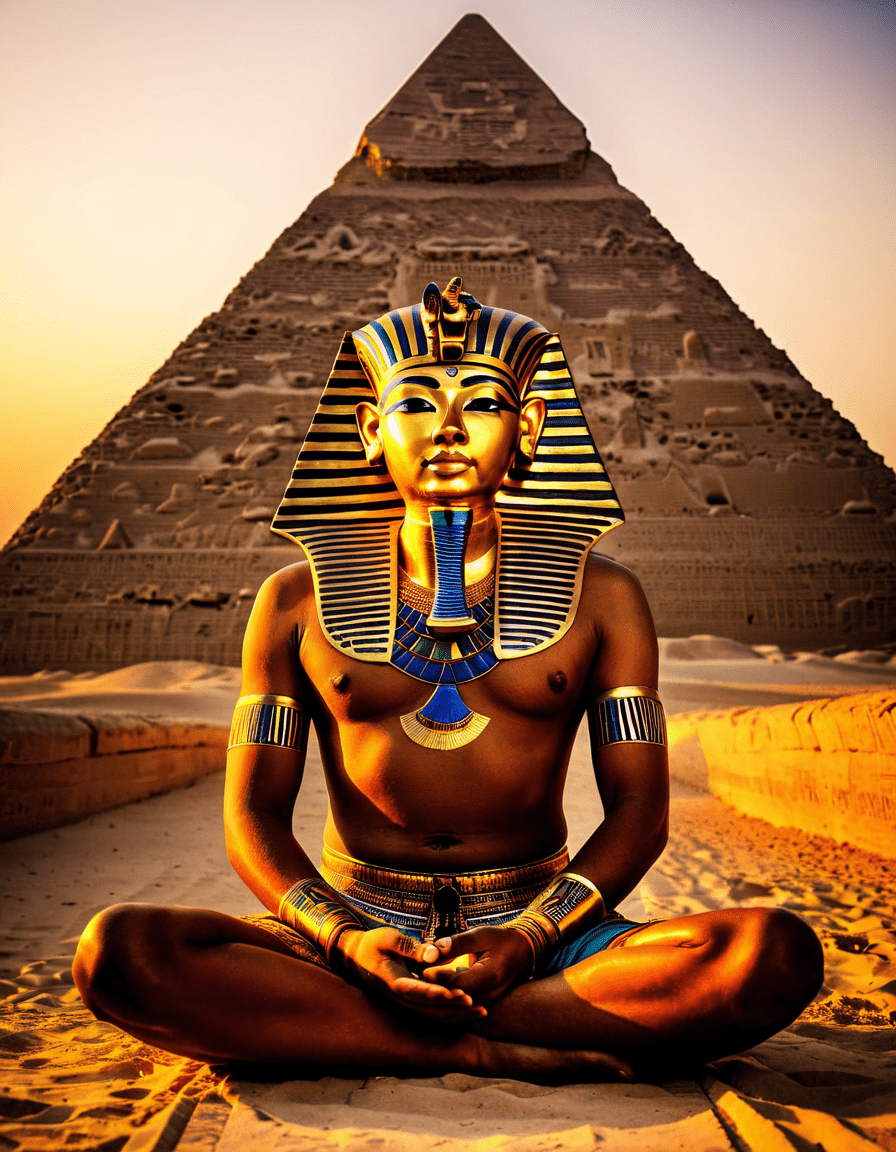
When we think of ancient Egypt, the name King Tut stands out like a diamond among pebbles. King Tutankhamun, often affectionately known as King Tut, has captured our imaginations for nearly a century since Howard Carter stumbled upon his tomb back in 1922. This young pharaoh’s treasures unfolded a mesmerizing narrative filled with opulence, mystique, and profound cultural significance. From gold masks to ancient jewelry, King Tut’s legacy echoes through centuries, igniting the curiosity of historians and everyday folks alike. So, let’s dive into this intriguing world and explore the many treasures that await you!
7 Treasures of King Tut That Continue to Captivate the World
King Tut didn’t just rule; he left an indelible mark that shaped our understanding of ancient Egypt. Here are seven of his most magnificent treasures:
1. The Golden Mask of Tutankhamun
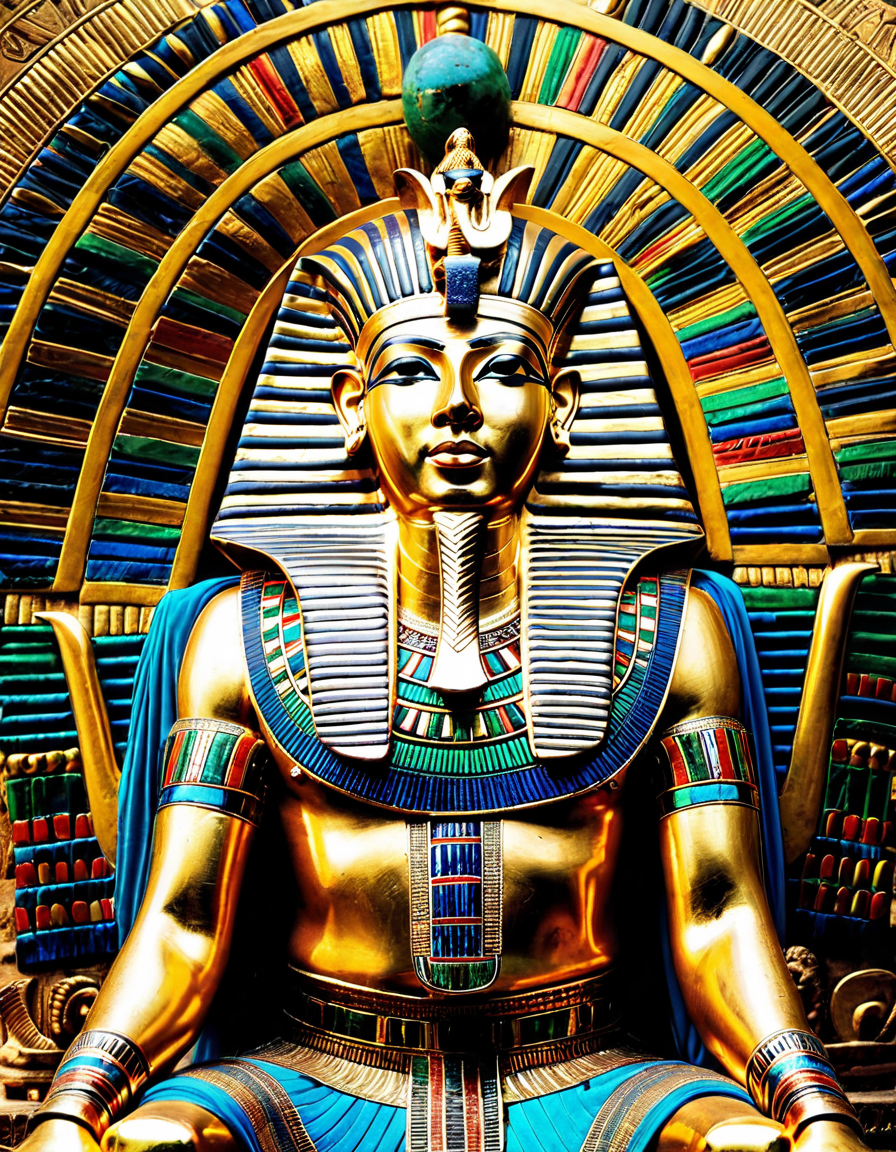
Talk about iconic! King Tut’s golden funeral mask is perhaps the most recognizable artifact from his tomb. Crafted from gold and adorned with stunning inlaid lapis lazuli, this mask wasn’t just a pretty face—it was fashioned to grant the young king power in the afterlife. This treasure combines artistry and profound meaning, reflecting the incredible craftsmanship of its time.
2. The Throne of Tutankhamun
Imagine sitting on this baby! King Tut’s throne is a masterpiece layered in gold leaf and intricate carvings. The backrest depicts King Tut and his queen in a loving embrace, symbolizing not just royal authority but also the familial ties that were essential in ancient Egyptian society. This throne represents more than just a seat; it’s a window into the relationships and hierarchies of the time.
3. The Chariots of War
Get ready for action! Among the mind-boggling artifacts found in King Tut’s tomb were his chariots. Crafted with exceptional skill, these vehicles were a mix of utility and art, showcasing the military might of ancient Egypt. Each chariot tells a story of transport, warfare, and the intricate designs that characterized this era.
4. Canopic Jars
These jars are no ordinary containers! Specifically designed to hold King Tut’s mummified organs, these canopic jars were protected by different deities. They serve as a fascinating glimpse into religious beliefs surrounding the afterlife that still captivate scholars today. Their significance goes beyond functionality; they embody the spirituality of a civilization.
5. The Crook and Flail
Power symbols, anyone? King Tut’s crook and flail represent his authority as a ruler. These artifacts underline the importance of leadership in ancient Egypt, serving as symbols of divine power and governance. Just like fitness requires discipline and control, these items signify the strength required to lead effectively.
6. Jewelry and Adornments
Who doesn’t love dazzling jewelry? King Tut’s tomb contained a treasure trove of jewelry, laden with precious stones and intricate designs. These adornments reflect the incredible status and wealth of the young king. They highlight how beauty and social standing were intertwined in ancient Egyptian culture, similar to how we often define ourselves by what we wear and how we present ourselves today.
7. The Golden Bed
Sleep like royalty! King Tut’s ornate golden bed gives us a glimpse into his private life. Embellished with intricate carvings, this luxurious piece could tell tales of royal comfort and lifestyle. It underscores how even the pharaoh’s downtime was cloaked in extravagance, akin to the dedication we put into our pursuits of greatness.

The Cultural Impact of King Tut: A Legacy Beyond the Tomb
The influence of King Tut reaches far beyond the treasures retrieved from his tomb. His legacy serves as a powerful reminder of the allure of ancient civilizations, impacting art, culture, and academic pursuits even today. Top-notch exhibitions like “King Tut: Treasures of the Golden Pharaoh” bring these artifacts to the forefront, sparking interest in a culture that was rich with faith, power, and creativity.
One cannot help but draw comparisons between King Tut and figures like Ne Zha from Chinese mythology. Much like King Tut, Ne Zha represents divine authority and heroic narratives that resonate across cultures. These parallels draw us closer to understanding how historical figures shape legacies that transcend generations.
Furthermore, modern storytelling has been inspired by King Tut’s life, showcasing elements of adventure and mystery. Films like The Mummy not only underscore his significance but reflect our ongoing fascination with ancient Egypt. This continued exploration helps us appreciate the past while inspiring current creativity.
Unraveling the Mystique: Recent Discoveries and Theories
As we venture deeper into King Tut’s world, recent archaeological advancements have revealed astonishing insights. CT scans and DNA analysis have shed light on his health, lineage, and even the reasons behind his untimely death. These discoveries unwrap a deeper understanding of his life and the practices of dynastic Egypt, further enriching our knowledge.
Moreover, the age-old tales of curses attached to King Tut’s tomb have intrigued many. Although many of these stories have been debunked, they add a layer of mystique to ancient Egyptian culture, drawing parallels to modern beliefs and intrigue surrounding public figures, much like the buzz around celebrities like Aaron Paul or the Snoop Dogg new movie hype.
The ongoing fascination with King Tut’s life creates a vibrant tapestry of historical legends that invites us to explore and question. Just like the thrill of hitting new fitness goals, the excitement of uncovering layers of the past fuels our quest for knowledge.
Embracing King Tut’s Legacy in the Present Day
Today, King Tut’s legacy extends beyond academic interest—it’s an inspiring beacon for artistic endeavors and tourism alike. Exhibitions featuring his life and treasures allow us to immerse ourselves in the grandeur of ancient Egypt, practically teleporting us back in time. Just like achieving a shredded physique requires blending ancient wisdom with modern techniques, we can find parallels in our journey with King Tut’s influence.
The collaborative efforts among historians, artists, and archaeologists create multi-dimensional stories that keep King Tut’s spirit alive. This fusion of old and new resonates across ages, much like how cultural narratives shape our understanding and appreciation for what came before us.
So, whether you’re a history buff or someone on a personal mission to build the ultimate physique, remember that King Tut’s treasures are not just relics of the past; they are gateways to inspiration. Embrace every moment of your journey, chisel away at your aspirations, and let the legacy of King Tut empower you to uncover the treasures within yourself.
Ah, remember, just like those chariots racing across the sands of time, your journey awaits! Whether it’s exploring the depths of King Tut’s tomb or honing your body into a powerhouse, let’s seize the moment. The treasures of life await you, and it’s time to make them yours!
King Tut: Fun Trivia and Fascinating Facts
Fast Facts About King Tut
Did you know that King Tutankhamun, often simply known as King Tut, became pharaoh at the tender age of eight? His reign was relatively short, lasting only about ten years before his untimely death around 1324 BC. Even today, he remains one of the most famous rulers of ancient Egypt, thanks in part to the treasures found in his tomb, a find that sparked worldwide fascination. King Tut’s burial site, discovered in 1922, was filled with items that represented wealth and power, much like the elaborate plot of The Suicide squad, where chaos mixes with extravagant displays.
And speaking of treasures, did you know some of those artifacts are so valuable that they’ve been made into replicas? These replicas are in high demand, creating a business environment that mirrors the financial discussions around pop culture, including how much money in Spanish isn’t just about cash flow, but about value. For instance, King Tut’s golden mask, one of the most iconic artifacts, is a testament to the artistry of ancient Egyptian artisans, reminding us of their remarkable skill – almost like the talent showcased by actor Niko Terho in various roles.
Theories and Myths
King Tut’s legacy is not just about treasures; it’s also tangled with curses. Many believe that disturbing a pharaoh’s tomb invites misfortune. This myth gained traction after several people associated with the tomb’s discovery met unfortunate ends. It’s akin to the eerie vibes of The , blending history with a tint of the supernatural. Additionally, the mystery of his death continues to spark debate; some speculate it was an accident, while others point to illness or even assassination. Just think of it like a gripping story in Tokyo Vice, where every twist and turn reveals deeper secrets.
Interestingly, King Tut’s influence stretches beyond history into modern culture, showing just how relevant his story remains. His life inspired countless films, even drawing parallels to something fun like The Minecraft movie, but with a serious dash of history. Not only does this capture the imagination of young audiences, but it also serves education in a light-hearted way, like wondering How long Is The Minecraft movie really? With every exploration of King Tut’s legacy, we uncover more about ourselves and our society, reminding us that history can be just as captivating as our current narratives.