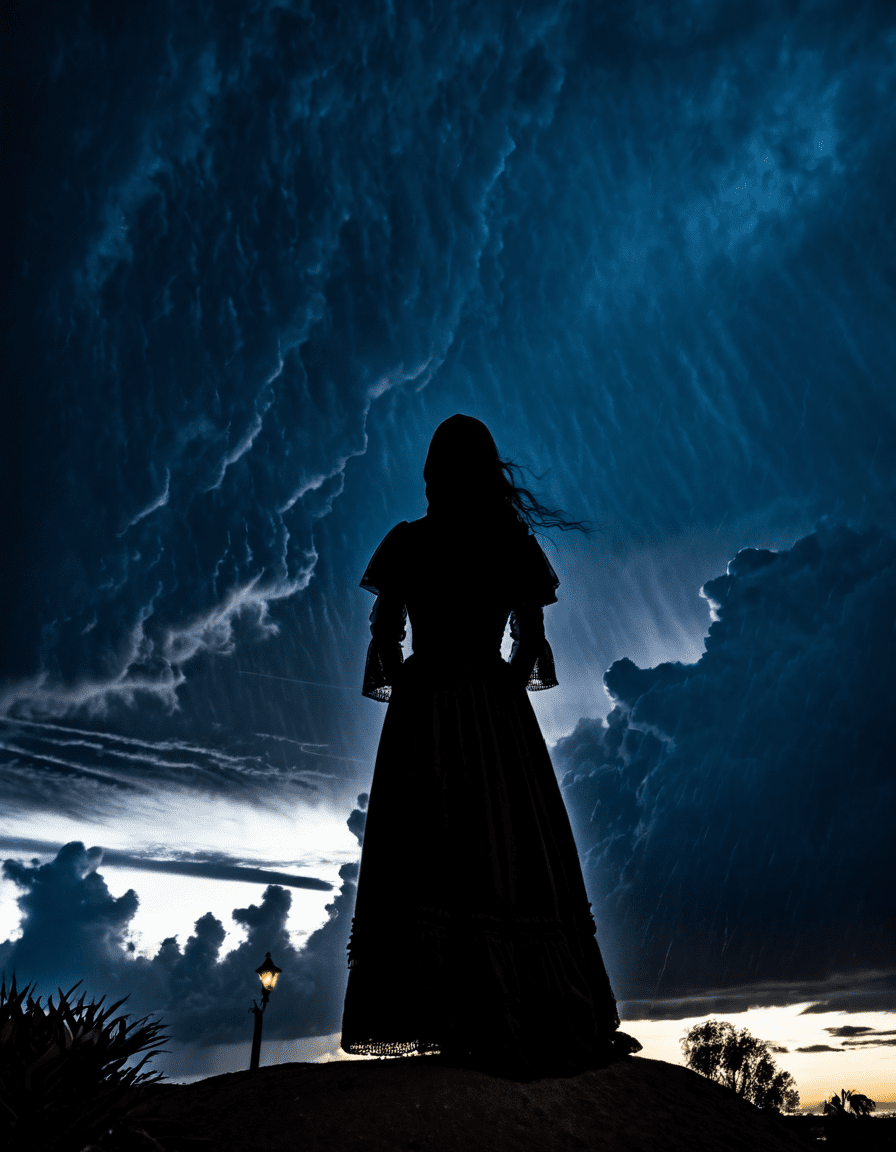
The legend of La Llorona, or “The Weeping Woman,” sends chills down the spine and sparks intrigue wherever it is recounted. With roots deeply intertwined in the fabric of Hispanic folklore, particularly in Mexico and parts of the Southwestern United States, her story captivates the imagination. The tale revolves around a tragic woman named María, consumed by grief after the heartbreaking loss of her children—some versions suggesting she drowned them in a fit of rage, while others depict a tragic accident. Recognizing La Llorona’s cultural and historical significance enables us to appreciate her haunting legacy, which speaks volumes about love, loss, and the consequences of our actions.
The Origins of La Llorona: Unraveling the Myth
La Llorona’s narrative serves as a stark reminder of the emotional and societal tribulations tethered to motherhood. The core of her story focuses on a mother’s overwhelming sorrow and regret, illustrating how deeply grief can consume an individual’s psyche. This fable primarily acted as a cautionary tale, especially aimed at children, urging them to remain obedient lest they face the dire consequences of straying too far from home—like encountering the sorrowful spirit of La Llorona herself. It’s a powerful warning that resonates with audiences of all ages, illustrating that stories have the power to mold behavior and incite fear.
Delving into the heart of La Llorona’s legend reveals her timeless quality—an archetype that escapes simple categorization. The themes of despair, guilt, and longing resonate across generations and cultures. Just as modern societies react to ghost stories, La Llorona mirrors the struggles faced by mothers, embodying the fears of losing loved ones and the torment that could follow. The blending of sorrow and logic within her tale aids in cementing her place in traditional folklore as a cautionary figure—reminding us of our duties and responsibilities.
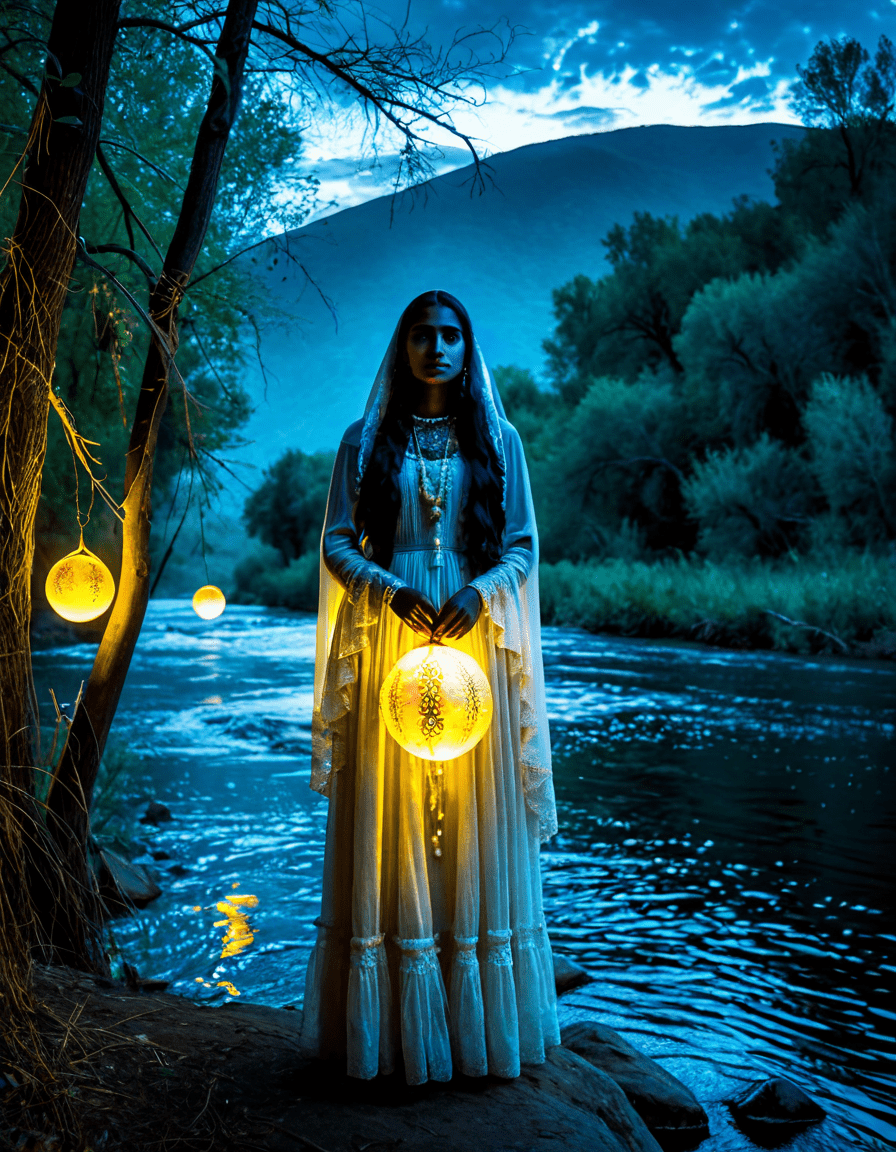
Top 5 Modern Depictions of La Llorona in Pop Culture
La Llorona has grown beyond folklore and seeped into contemporary media, leaving her mark across various platforms. The following are five notable portrayals that keep her story alive, resonating with different audiences:
These adaptations prove that La Llorona remains a significant cultural touchstone, allowing her legend to evolve and resonate with each new generation.
The Symbolism of Tears: Analyzing Emotional Resonance in La Llorona’s Legend
La Llorona isn’t just a ghostly figure; she represents the profound emotional agony that comes from unaddressed grief. In cultures that hold family and motherhood in high esteem, La Llorona embodies the terror of losing children, along with the guilt that often follows. Her weeping not only symbolizes individual loss but also represents the collective grief shared by mothers across generations.
Scholarly perspectives have explored how this legend reflects social commentary on the expectations placed upon women, particularly within Hispanic cultures. These expectations can lead to isolation and despair, amplifying the psychological anguish depicted in La Llorona’s tragic story. Scholars argue that understanding La Llorona’s symbolism invites deeper reflection on the importance of mental health and emotional well-being in maternal experiences.
As we dissect the layers of La Llorona’s narrative, we find a multitude of meanings. The weeping woman serves as a haunting reminder for contemporary audiences to contemplate the burdens carried by mothers, as well as the effect of societal pressures on families. It’s crucial that we approach discussions of her legend with sensitivity, recognizing the deeper realities of loss and the importance of ongoing dialogues about mental health.
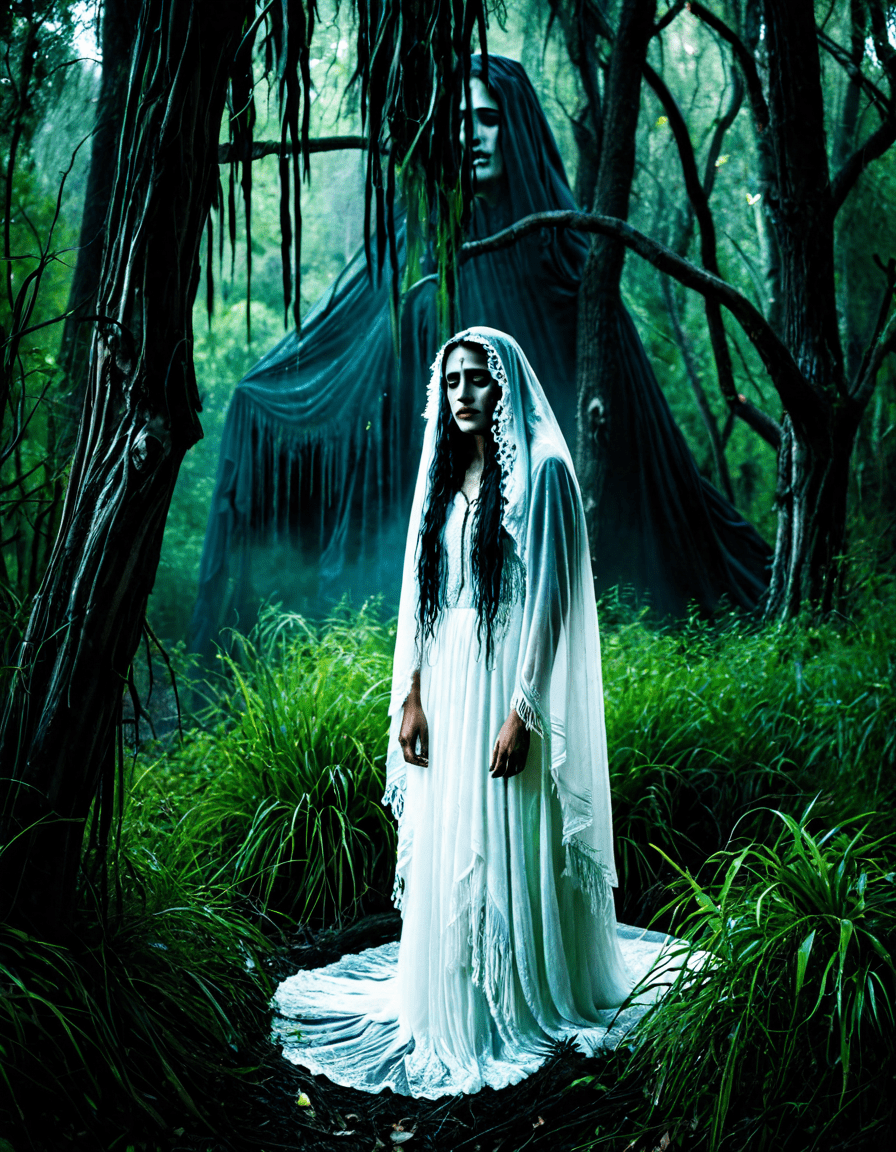
Kamar de los Reyes: How La Llorona Influenced Regional Folklore
The tale of La Llorona has undoubtedly influenced various regional stories, including those surrounding Kamar de los Reyes, a figure famed in Spanish colonial folklore. Like La Llorona, Kamar de los Reyes embodies loss and tragedy; these figures share a common thread: the archetype of the grieving mother. The similarities exemplify how folklore evolves and intertwines across cultures, enriching the complex landscape of storytelling.
These interconnected narratives offer fertile ground for exploring the universal themes of grief, sacrifice, and love. While Kamar de los Reyes remains more obscure than La Llorona, their stories echo similar emotional sentiments of despair and the consequences of loss. This drawing of parallels provides a unique lens through which to understand the impact of cultural narratives on individual and collective identities.
In doing so, we see the mighty echoing power of these stories—as they serve as reminders of our shared humanity and the experiences of heartbreak. As La Llorona continues to inspire countless tales, so too does Kamar de los Reyes, emphasizing the timeless relevance of tales that reflect the heart’s deepest sorrows.
Contemporary Interpretations and Psychological Perspectives
In our modern world, mental health perspectives examine La Llorona not just as a frightful ghost but as a mirror reflecting the societal struggles faced by many communities. Particularly among immigrant families, La Llorona embodies the turmoil resulting from loss, trauma, and issues of identity. Psychologists argue that her ghostly visage represents collective grief, especially relevant for communities challenged by systemic oppression and cultural dislocation.
Viewing La Llorona through this empathetic lens invites us to engage with more than just fear. It leads us to confront our understanding of grief and trauma, offering space for dialogue about loss and its long-lasting effects. Instead of dismissing her as a spectral villain, we can see her as a voice for the suffering, raising awareness about deeper societal issues.
Her story challenges us to engage in conversations around mental health, family dynamics, and the immigrant experience. In doing so, we acknowledge the complexities surrounding motherhood and the pressures placed on women today, encouraging a more nuanced understanding of the challenges faced by marginalized communities.
Embracing La Llorona: Cultural Significance and Modern Relevance
La Llorona remains a striking symbol of grief and sorrow in today’s world. Various communities celebrate her narrative through festivals, art, and gatherings, spotlighting important discussions around mental health, family, and the immigrant experience. By embracing La Llorona, we invite opportunities for dialogue about motherhood and address the pressures faced within our contemporary societies.
As she continues to resonate in modern culture, La Llorona’s haunting legacy evolves, not losing her emotional significance. The chilling legend serves as a mirror reflecting the effects of loss and love in our lives, encouraging us to not only confront our past but also to acknowledge the emotions we carry with us in our journeys forward.
In conclusion, La Llorona’s enduring presence places a unique emphasis on the collective human experience. The journey through her legend encourages introspection that helps us navigate personal grief while also appreciating the emotional weight that resonates across generations. Let her tears remind us to stay connected to the emotional truths of our lives as we strive to grow stronger, both physically and emotionally. Remember, as you lift those weights, address your own burdens. There’s strength in sharing your stories, and many can resonate with La Llorona’s haunting legacy.
La Llorona: The Haunting Legend Behind the Tears
The Origins and Evolution of La Llorona
The legend of La Llorona has deep roots in Latino culture, offering a unique blend of horror and folklore. Originating in Mexico, this tale tells of a woman who, after losing her children, roams riverbanks weeping, forever searching for them. Interestingly, the legend has evolved as it spread to other areas, with many places adding their own flair. For example, in some tales, she’s depicted as a beautiful woman who lost her children due to her own decisions. This mirrors the tragic stories often found in pop culture, like those seen in community discussions on platforms like CNN Español.
But did you know that La Llorona isn’t just a haunting tale? Some researchers suggest that she embodies societal fears and reinforces cultural values. Just like how modern tales, such as the saga of Logan, resonate in today’s storytelling landscape, La Llorona serves as a cautionary figure. Her story encourages parental responsibility, echoing themes present in the recent mythos around characters in X Men 97.
The Cultural Significance of La Llorona
La Llorona’s influence extends beyond ghost stories; she illustrates the complexities of motherhood and loss. This legend challenges the perception of feminine roles in folklore, blending tragedy with horror. Many Latino families recount her story as a means of imparting life lessons to children. As parents share these tales, they set the stage for deeper conversations about fears and responsibilities, much akin to the narratives surrounding public figures like Margaret Brennan, who emphasizes the importance of family and ethics in her reporting.
In popular culture, La Llorona has inspired various adaptations in film and television, entering conversations on platforms not unlike what you’d find in World Solitaire strategies. Her tale resonates so deeply that it even sparks discussions around connectively shared horror in storytelling—an art form explored by figures like Antoine Arnault in their unique storytelling ventures.
Myth or Reality?
Is La Llorona just a legend, or is there something more to her tale? Scholars argue that folklore like hers contributes to cultural identity and resilience in the Latino community. Her story reminds us of the burdens many mothers carry, serving as both a warning and an expression of sorrow. In this context, figures such as Javier Milei symbolize a search for truth and identity, similar to the way La Llorona embodies the communal grief present in many families.
Moreover, her myth transcends generations, ensuring she remains part of treasured storytelling traditions. People share this haunted tale to explain life’s unpredictability. As we share La Llorona’s story, we link ourselves back to our heritage while questioning what we know about death, grief, and love, echoing sentiments found in the fierce realities of Kelly Rizzo and her brave adventures in Special Forces.