When you think of a pharaoh, what comes to mind? Maybe grand pyramids, breathtaking monuments, or perhaps that glint of gold that these ancient rulers donned. The legacy of the pharaohs carries an awe-inspiring mix of power and divinity. These weren’t just your average leaders; they were deemed living gods, ruling with an iron fist and shaping the very fabric of ancient Egyptian civilization. It’s fascinating how this divine kingship was fundamental in ensuring loyalty and obedience from the masses. So, let’s dive into the world of the pharaohs—let their secrets inspire us not just in leadership, but in our everyday lives, especially if you’re striving to sculpt your own powerful physique!
1. Unveiling the Pharaoh: The Divine Kingship Concept
The concept of divine kingship isn’t just far-fetched folklore; it was a pivotal backbone for the pharaohs. They presented themselves as the physical embodiment of deities like Osiris and Ra, generating a significant bond between the divine and the people. This connection didn’t simply elevate their status; it solidified their power in religion and politics. By being seen as agents of the gods, pharaohs wielded their influence with profound authority, compelling their subjects to follow their command as divinely ordained.
This divine status had tangible benefits. It allowed pharaohs to tap into immense resources, both human and material, enabling them to foster monumental building projects that are still celebrated today. Ever wonder how they managed those larger-than-life architectural wonders? It was sheer belief, motivated by the perception that the pharaoh’s authority stemmed from the cosmos itself. Now, imagine one day channeling that kind of mental strength while hitting the gym—power and belief can yield incredible results, whether in ancient Egypt or in today’s fitness pursuits!

2. Top 7 Pharaohs Who Defined Power and Grandeur
Diving into the rich tapestry of ancient Egypt, the legacies of certain pharaohs shine brighter than most. Here’s a lowdown on seven rulers who truly defined power and grandeur:
2.1. Ramses II: The Great Builder
Often hailed as Ramses the Great, Ramses II ruled from 1279 to 1213 BCE and is recognized for his monumental architecture. Temples like those at Abu Simbel stand as testimony to his vision. Beyond construction, his military prowess was most evident during the epic Battle of Kadesh, demonstrating that a pharaoh could be both a fierce fighter and a master builder.
2.2. Cleopatra VII: The Last Pharaoh
Cleopatra VII carved out her own legacy through cunning diplomacy and unmatched intelligence. Her alliances with formidable figures like Julius Caesar and Mark Antony showcase her ability to navigate the political atmospheres of both Egypt and Rome. Cleopatra’s reign challenges traditional narratives, proving that women could wield significant authority and influence, a timeless lesson for all aspiring leaders today.
2.3. Akhenaten: The Heretic King
With a reign from 1353–1336 BCE, Akhenaten changed the face of worship in Egypt by prioritizing Aten, the sun disk. His establishment of Akhetaten (now Amarna) wasn’t just another city; it was a bold philosophical paradigm shift that shook traditions to their core. This radical approach Teaches us that breaking norms can bring about transformative change!
2.4. Narmer: The Unifier
Regarded as the first pharaoh of Egypt, Narmer is credited with unifying Upper and Lower Egypt around 3150 BCE. His Narmer Palette symbolizes this monumental achievement, reinforcing the idea that true power lies in unity and centralization. If you’re looking to carve out your own kingdom—whether a thriving business or a fitness empire—remember Narmer’s legacy about the strength found in cohesion.
2.5. Hatshepsut: The Female Pharaoh
Let’s shine a spotlight on Hatshepsut, one of the rare female rulers to take the title of pharaoh. During her reign (1479–1458 BCE), she established trade routes that not only enriched Egypt but fundamentally changed perceptions of female leadership. Her impressive mortuary temple at Deir el-Bahari stands as a monument of ambition and determination—a perfect metaphor for anyone daring to chase their dreams.
2.6. Tutankhamun: The Boy King
Though his reign was brief (1332–1323 BCE), Tutankhamun left an indelible mark in history thanks to the discovery of his near-intact tomb in 1922. He reinstated traditional worship methods after Akhenaten’s radical shifts. His story reminds us of the significance of legacy and continuity—a crucial element whether you’re building muscle or creating a lifelong impact.
2.7. Djoser: The Father of the Pyramid
Djoser, ruling during the Third Dynasty (c. 2670 BCE), commissioned the Step Pyramid at Saqqara, a venture that significantly altered burial practices. His groundbreaking work not only impacted the religious landscape but also showcased the pharaoh as a visionary leader. Think about it—great transformations start with those daring enough to think outside the box!
3. The Symbolism of Pharaohs and Their Deities: Loki, Hercules, and the Titans
The stories of the pharaohs resonate with traits seen in various mythologies, such as those of Loki, Hercules, and the Titans. These figures from different cultures share strong connections with power and divinity—traits that defined the very essence of pharaonic rule.
3.1. Mythological Parallels
Exploring these connections demonstrates that the nature of leadership spans cultures and eras. What can we learn from these symbols? Leadership requires strength, adaptability, and sometimes even a touch of cunning, just like the figures they mirrored.
4. The Legacy of Pharaohs: Influences on Modern Leadership
The influence of the pharaohs echoes in today’s political and organizational frameworks. Their methods of consolidating power and engaging in diplomacy offer modern leaders valuable lessons. Think about it: how can we leverage these concepts as we tackle our own challenges?
From Ramses to Cleopatra, the pharaohs exhibited virtues—vision, strength, resilience—that resonate today. The strategies they implemented to engage their subjects and expand their influence can provide models for effective leadership in any field, including fitness. It’s all about maintaining focus and consistency in pursuit of your goals!
A Glimpse into the Eternal – The Enduring Mystique of Pharaohs
The grandeur of the pharaohs isn’t just a relic of the past. It breathes life through monuments and literature, prompting continuous fascination and awe. Understanding their intricate personas, strategies, and rich symbolism gives us not just historical knowledge but also insights into power dynamics, aspirations, and the universal human experience.
The stories of powerful leaders like the pharaohs encourage us to strive for greatness in our own lives. Whether you want to sculpt elite physiques or lead transformational changes, remember that real power comes from understanding qualities that have shaped the world for millennia. Let their legacies inspire you, making you not just the ruler of your own destiny, but a beacon of strength for those around you. The ethos of the pharaohs lives on, continuing to inspire and guiding us in the pursuit of authority, achievement, and the ultimate quest for significance and greatness.
Pharaoh: Secrets of Power and Grandeur in Ancient Egypt
The Life of a Pharaoh
Ever wonder what it was like to be a pharaoh? These ancient rulers weren’t just kings; they were considered divine, playing a pivotal role in both governance and religion. They believed their very essence connected the people with the gods. Some pharaohs even enjoyed lavish lifestyles akin to modern-day celebrities, indulging in luxuries that would make a visit to the Mayflower Inn seem like a budget stay! The opulence of their palaces and tombs reflected their power and was filled with treasures meant to accompany them into the afterlife.
Symbols of Power
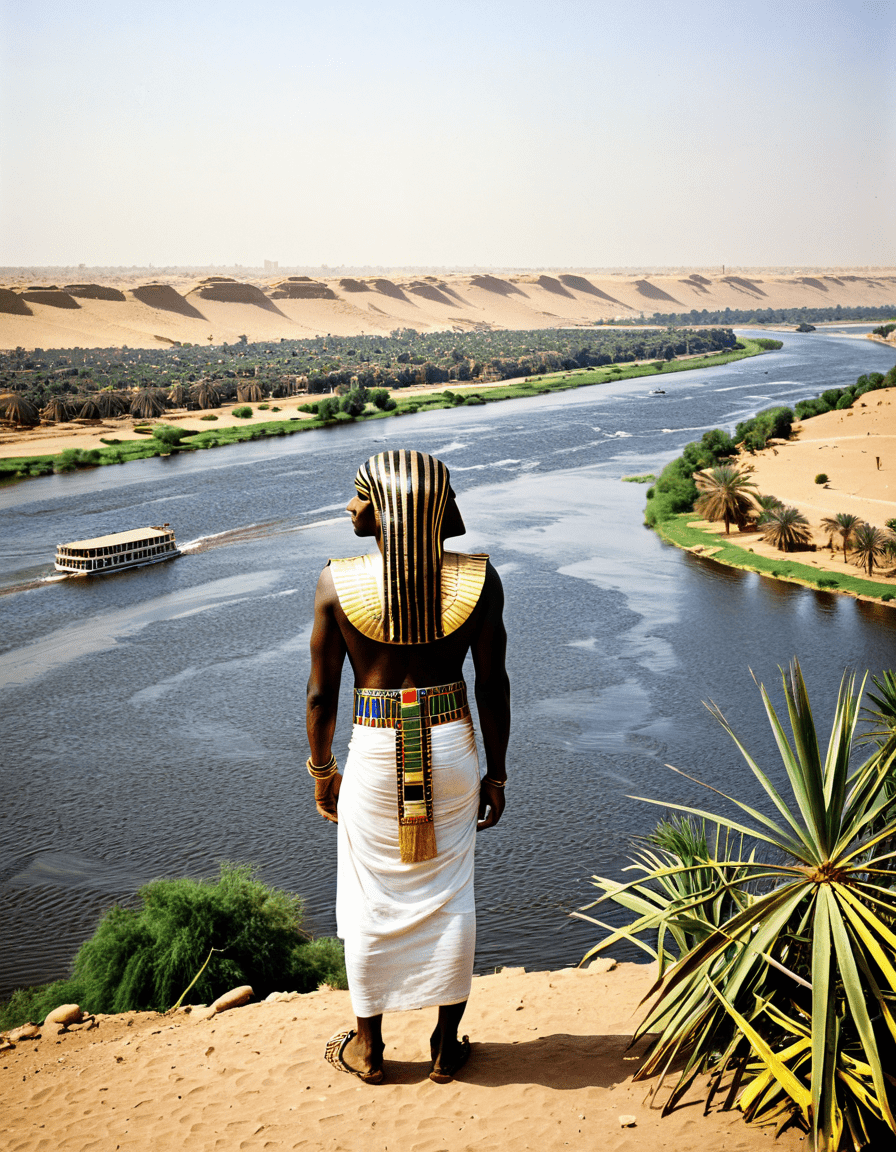
Interestingly, the symbols of a pharaoh’s power went beyond mere crown and scepter. Their iconic headdresses, like the famous nemes, signified their status, and their lavish jewelry often included intricate designs that told stories of their lineage. Just like how certain roles in films, like those portrayed by Frances Fisher, can convey the depth of character, the adornments of pharaohs conveyed their prestige and connection to Egyptian mythology. Fun fact: the ancient Egyptians believed that the more gold a pharaoh wore, the closer they were to the sun god Ra, amplifying their stature and divine nature.
The Legacy of the Pharaohs
Pharaohs left behind legacies that are hard to fathom. Their pyramids, towering monuments of engineering, still astound us even today. It’s mind-boggling to think that these structures were built without modern technology and were intended as grand tombs for their eternal rest. And speaking of grand, modern interpretations of ancient themes in pop culture, like the long-leg blonde female Smurfs kissing, often highlight our enduring fascination with mythical stories. Just as the pharaohs had their own narratives steeped in magic and power, contemporary culture continues to draw from those ancient wells of inspiration, showcasing our relentless pursuit of stories that captivate our imaginations.