Prohibition reshaped America in ways that still echo through our society today. Enacted from 1920 to 1933, this movement against alcohol wasn’t just about sobriety; it was layered with a moral crusade led by organizations like the Women’s Christian Temperance Union and the Anti-Saloon League. These groups argued that alcohol was a source of crime, domestic violence, and overall decline. The push for prohibition came at a time when society was changing rapidly, making it one of the most significant cultural shifts in American history. Let’s break down how Prohibition turned the tide for America in ways that still influence us.
1. The Rise of Prohibition: A Movement Against Alcohol
The roots of Prohibition can be traced back to the late 19th and early 20th centuries, a period when social reform was at the forefront of American life. Back then, many believed that banning alcohol would uplift society and improve individual lives. The concern wasn’t just about drunkenness but also about the negative societal impacts that accompanied alcohol consumption. Fast forward to now, and we see the same debates in discussions about drug legalization and public health.
Here’s how Prohibition began:
Prohibition was more than a governmental misstep; it represented a clash between traditional values and modern life, a theme that continues to resonate in ongoing cultural discussions.
2. Top 5 Lasting Impacts of Prohibition on Modern America
2.1. Cultural Shifts: Jazz and the Roaring Twenties
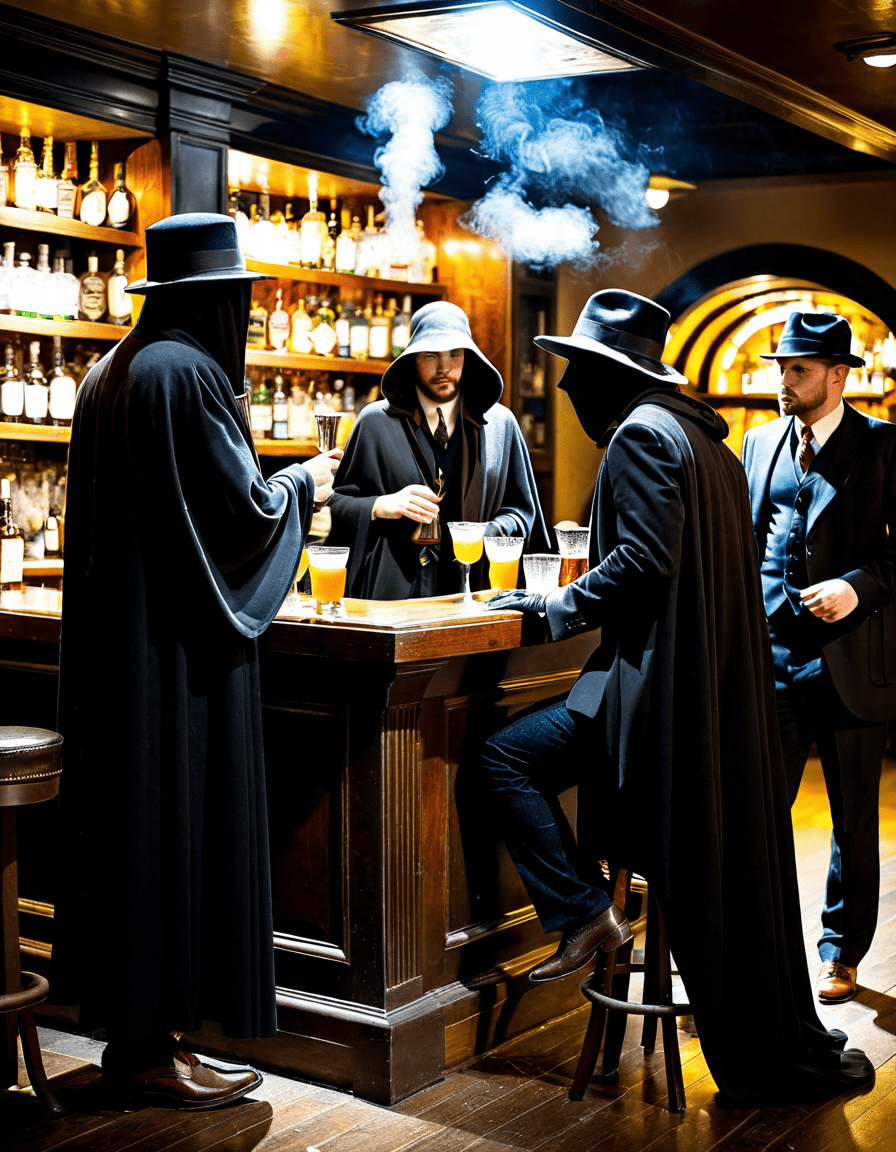
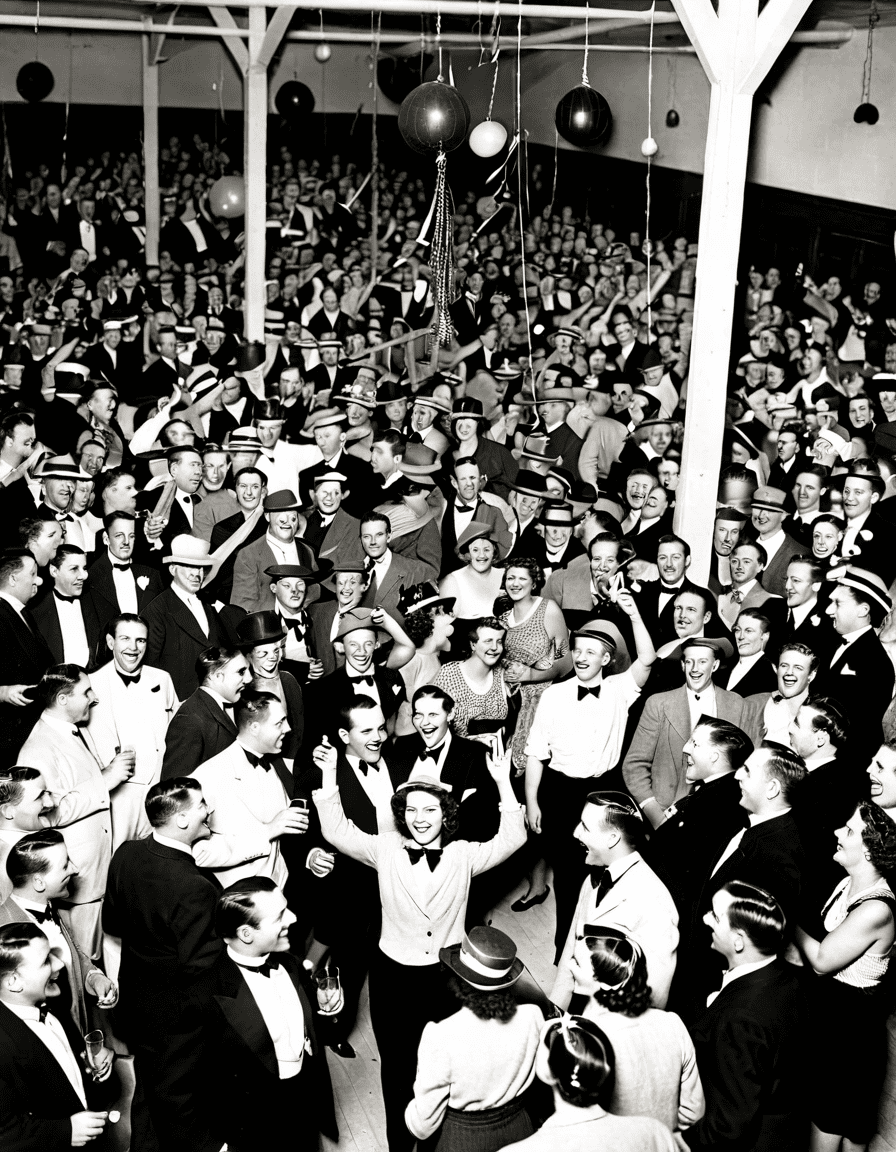
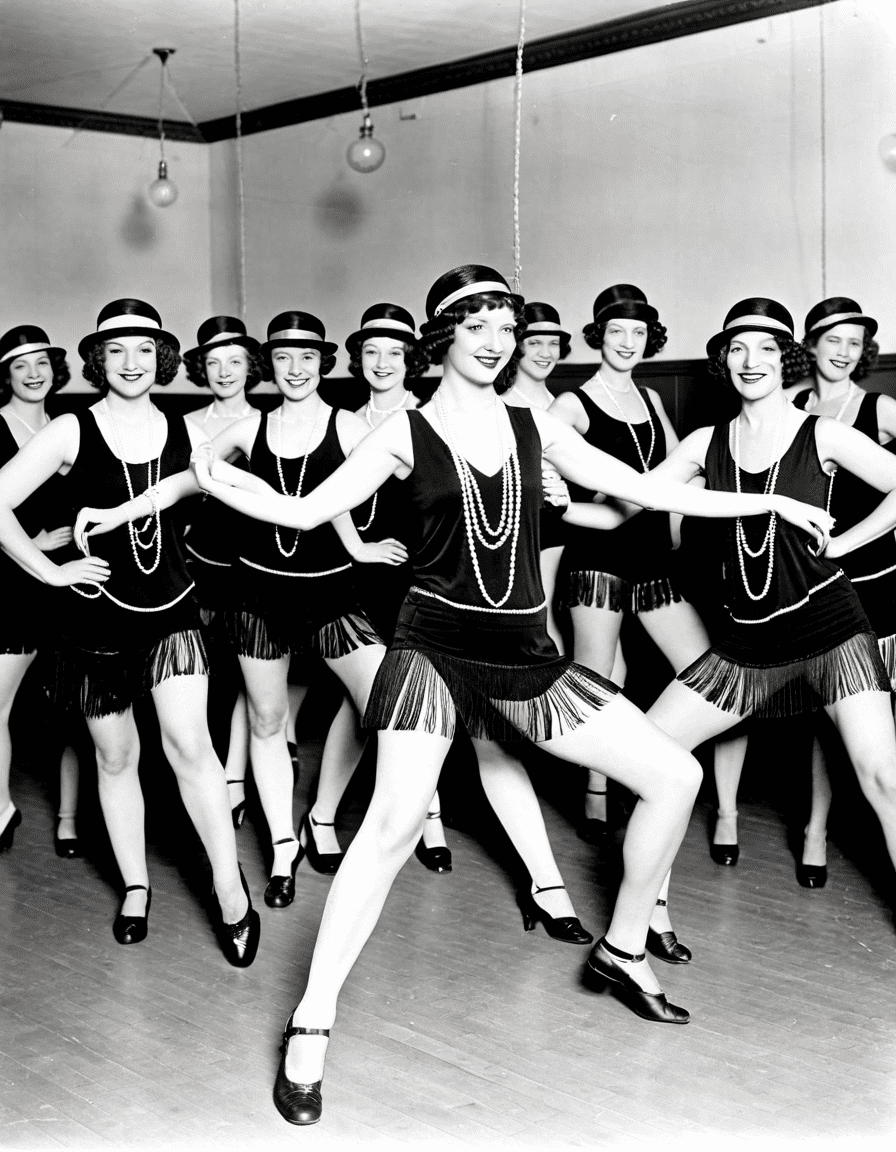
Prohibition didn’t just ban alcohol; it gave birth to an entire underworld of speakeasies. This clandestine bar culture was where the glamorous spirit of the Roaring Twenties thrived. As jazz music poured out from hidden venues, artists like Louis Armstrong and Duke Ellington redefined music, leaving a legacy that influences genres to this day. Jazz became the soundtrack of rebellion against stifling laws, showcasing how prohibition stoked not just dissent but creativity.
2.2. The Birth of Organized Crime: Al Capone’s Empire
With alcohol production and distribution banned, a new frontier emerged for organized crime. Al Capone became the poster child for prohibition’s failures, building an empire on bootlegging and illicit trade. He wasn’t merely a criminal; he symbolized the law’s inability to control the black market, leading to complex questions about law and order that resonate to this day.
2.3. Changes in Law Enforcement: A Different Kind of Policing
Prohibition forced a reevaluation of law enforcement strategies. With the creation of specialized units targeting illegal alcohol trade, the legacy of these operations continues to influence law enforcement today. As cops chased down smugglers and bootleggers, new tactics emerged that would set the stage for future policing methods.
2.4. Economic Consequences: The Shift in Tax Revenue
Prohibition didn’t just dry up liquor sales; it drained government coffers. The federal government lost substantial tax revenue, limiting its ability to fund public programs and effectively contributing to the push toward reversing the ban. As The Great Depression loomed, President Franklin D. Roosevelt recognized that legalizing alcohol once more could yield significant tax income.
2.5. Public Health and Social Norms: A Complex Legacy
Interestingly, the health outcomes associated with Prohibition are mixed. While proponents believed outlawing alcohol would lower health issues, the reality was often more dangerous. People resorted to unregulated substances that posed serious health risks, shaping today’s public policies on substance abuse and health care.
3. The Repeal of Prohibition: Case Study of the 21st Amendment
The story of Prohibition wouldn’t be complete without addressing its end. The ratification of the 21st Amendment in 1933 not only repealed Prohibition but also signified a critical evolution in American policy regarding substance use. This shift came as public sentiment swayed, highlighting the need for policies aligning with contemporary social views.
4. Prohibition’s Echoes in Current Policies: A Comparative Analysis
To fully appreciate Prohibition’s impact, look at how it parallels modern drug legislation. Similar to the prohibitionist efforts, today’s War on Drugs has sparked debates about morality, legality, and health. Scholars like historian Adam Roth and sociologist Dr. Alexandra Natapoff draw compelling parallels, emphasizing what happens when substances are criminalized.
5. The Cultural Repercussions: Alcohol in Media and Society
Prohibition’s legacy permeates American media, from classic films like “The Untouchables” to modern TV series romanticizing gang culture. This portrayal shapes societal views regarding drinking norms and significantly impacts how alcohol is accepted in contemporary life.
A Future Beyond the Bottle: Lessons from Prohibition
Although Prohibition ended in failure, its lasting effects inform today’s discussions on substance use and regulation. As society grapples with the consequences of past legislation, the lessons of Prohibition highlight the necessity of evidence-based policy-making that prioritizes public health over moralistic views.
Understanding these intricacies helps pave the road for a more informed future, leading to policies that genuinely consider the societal implications of drug prohibition and legal consumption. America’s journey with alcohol—and substances in general—demands a balanced perspective that recognizes past mistakes while shaping a healthier, informed society for everyone.
By examining how prohibition changed America, we gain invaluable insights into crafting a future that learns from history rather than repeats it. Whether you’re pondering the risks of alcohol or considering the burgeoning cannabis market, understanding this era allows us to foster a society rooted in informed choices and solid policy—all while staying fit, motivated, and ready to tackle any challenge, just like champions in life and in the gym!
Prohibition Shaped America Like Never Before
Glimpses into Prohibition
When Prohibition kicked off in 1920, it didn’t just ban booze; it sparked a tidal wave of changes across America. Organized crime surged as bootleggers scrambled to fill the demand for illegal liquor. Interestingly, the roaring twenties became a haven for jazz music and speakeasies, where folks gathered to drink in secret. This era not only changed social norms but also impacted the economy, as the government lost substantial tax revenue from alcohol sales. Just think about it—Henry Fondas movies often depicted this lively, rebellious spirit that echoed the feelings of the era, showcasing the contrast between formal society and underground revelry.
But the story doesn’t end there! Prohibition also led to the rise of some unexpected cultural icons. Celebrities like Joan Allen found their paths shaped by the free-spirited energy of the time. Women, too, experienced newfound freedoms and, as a result, began to push the boundaries of traditional gender roles. As they flocked to jazz clubs in droves, they celebrated independence that mirrored shifting societal values. The impact rippled through to pop culture; we can see echoes of these changes in today’s entertainment landscape, such as the dynamic character arcs of attack on titan Characters that mirror America’s fight for self-expression.
The Legacy of Prohibition
Another interesting piece of trivia ties to the political landscape. When Prohibition finally wrapped up in 1933 with the 21st Amendment, it was a historic moment for America. The country quickly moved from dry to wet, a dramatic turnaround that highlighted just how much people craved their drinks. This period helped lay the groundwork for modern governance and public policy debates, much like the discussions sparked by figures like Pope Benedict xvi, who inspired thought and dialogue on moral complexities in society.
And let’s not forget the impact on personal freedoms; countless men and women found themselves at odds with the law over something as social as a drink. This era shaped iconic figures like Maureen Mccormick and Jana Kramer, whose lives reflect America’s cultural shifts and varying perspectives on freedom and choice. Just as Anora streaming captures the essence of storytelling today, the tales from the Prohibition era still resonate—reminding us of the struggles and triumphs for a more liberated society. So, whether you’re raising a glass or just reminiscing about the past, Prohibition undeniably left its mark on the American landscape.