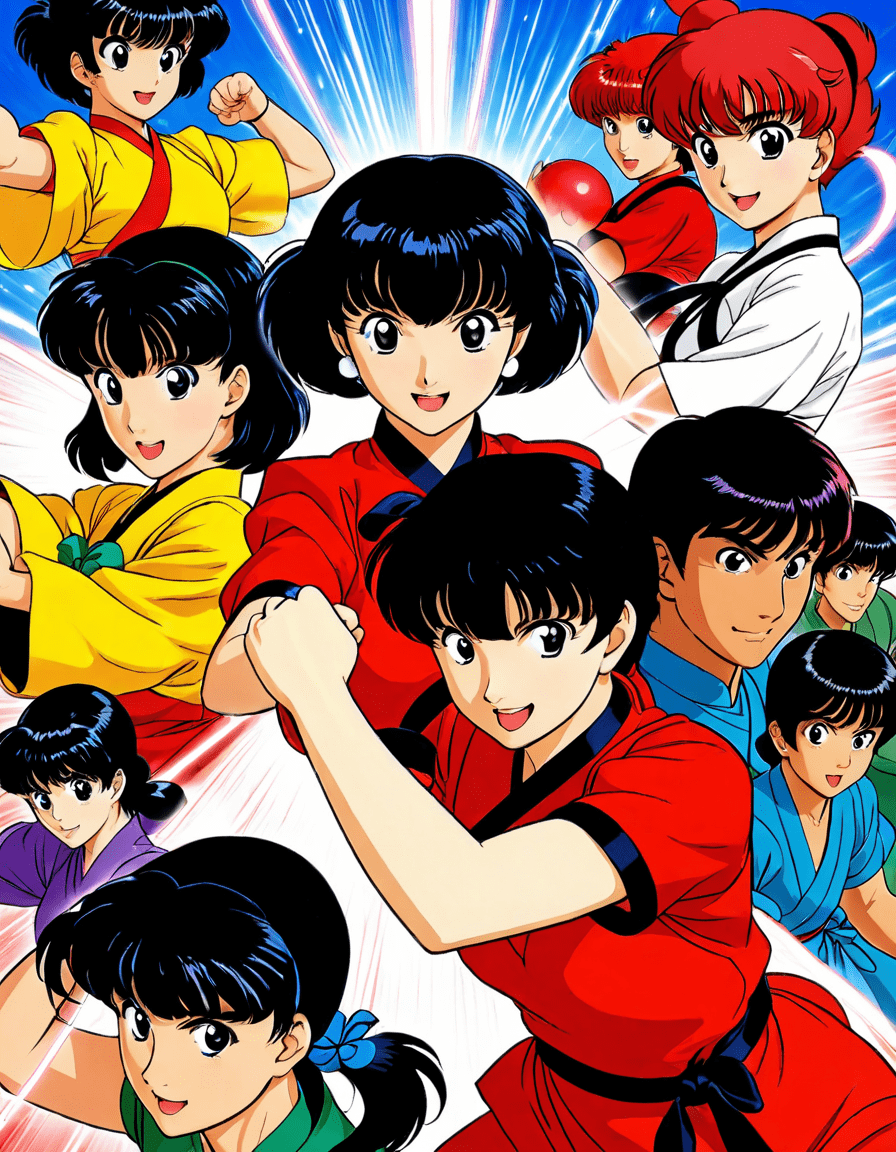
When you think of iconic anime, Ranma 1/2 leaps to the forefront. Created by Rumiko Takahashi, this series has captured the hearts—and laughter—of fans all over the globe. But it’s not just the hilarious antics that draw viewers in. Central to the show’s charm is its fascinating idea of transformation. Ranma Saotome, the lead character, isn’t just flipping between hilarious situations; he’s also diving deep into concepts of gender identity, societal expectations, and self-acceptance. Talk about a combo! This article will dissect Ranma 1/2 and its thrilling transformations while drawing parallels to themes of growth and personal development that inspire action—something we can all embrace in the pursuit of our fitness goals!
## Ranma 1/2: A Closer Look at Its Thrilling Transformations
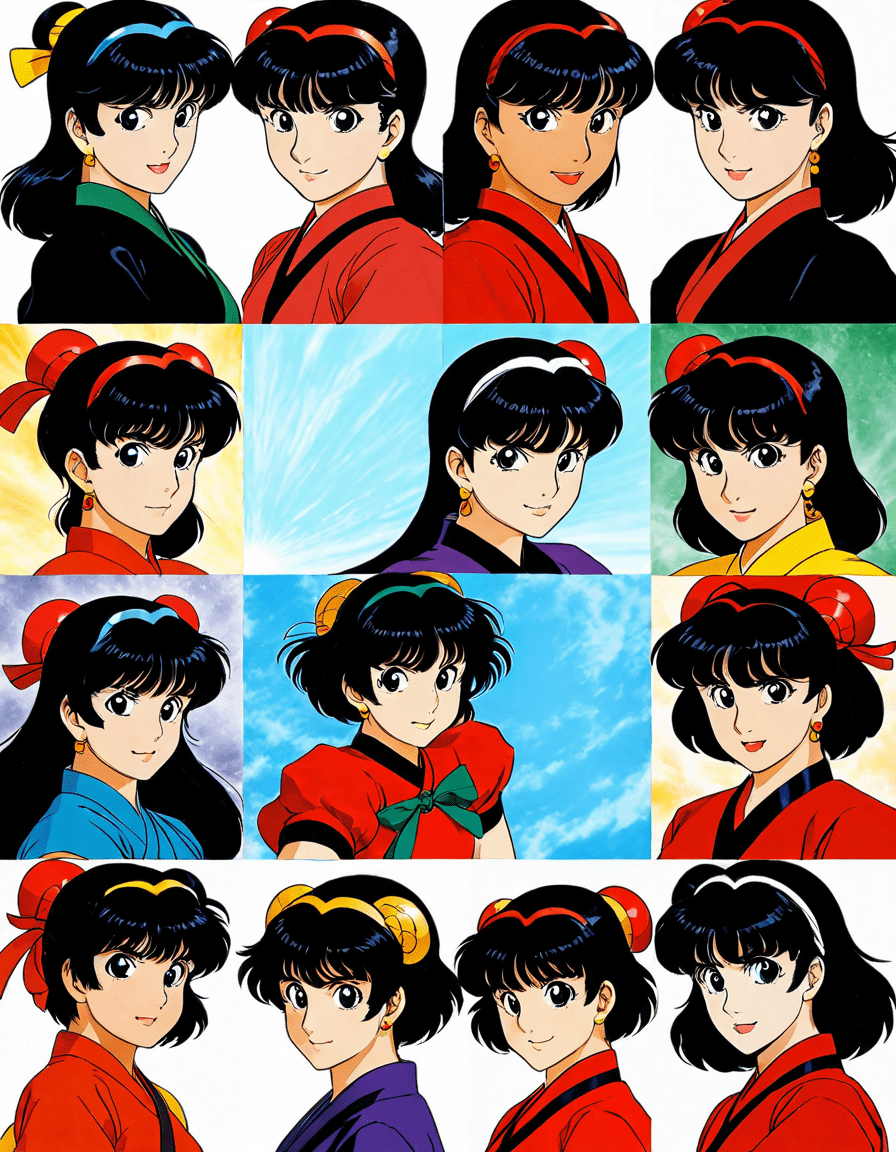
The moment you tune in, you get smacked with a reality check—Ranma can transform into a girl with cold water. Why does that matter? Well, this transformation isn’t just a joke; it digs into how society views gender, identity, and cultural norms. Ranma’s literal shift into a female form forces him, and the viewers, to see what life’s like on both sides of the gender spectrum. The comedy isn’t just laugh-out-loud; it’s layered, reflecting the discomfort many feel around identity.
Think about it. Ranma 1/2 feels fresh despite being decades old because it tackles issues that are relevant today. The show blends martial arts and romance, serving up plenty of laughs while encouraging an authentic self-exploration. While you’re out there grinding away in the gym, you might find yourself relating to Rapna’s struggles in understanding who he truly is amidst all that external chaos.
These transformations highlight how personal growth often feels uncomfortable. It’s similar to how you might feel when you break through a plateau in your fitness journey. Change, whether it’s in the gym or in life, comes with today’s struggles but can yield amazing transformation down the line.
Top 5 Transformative Moments in Ranma 1/2
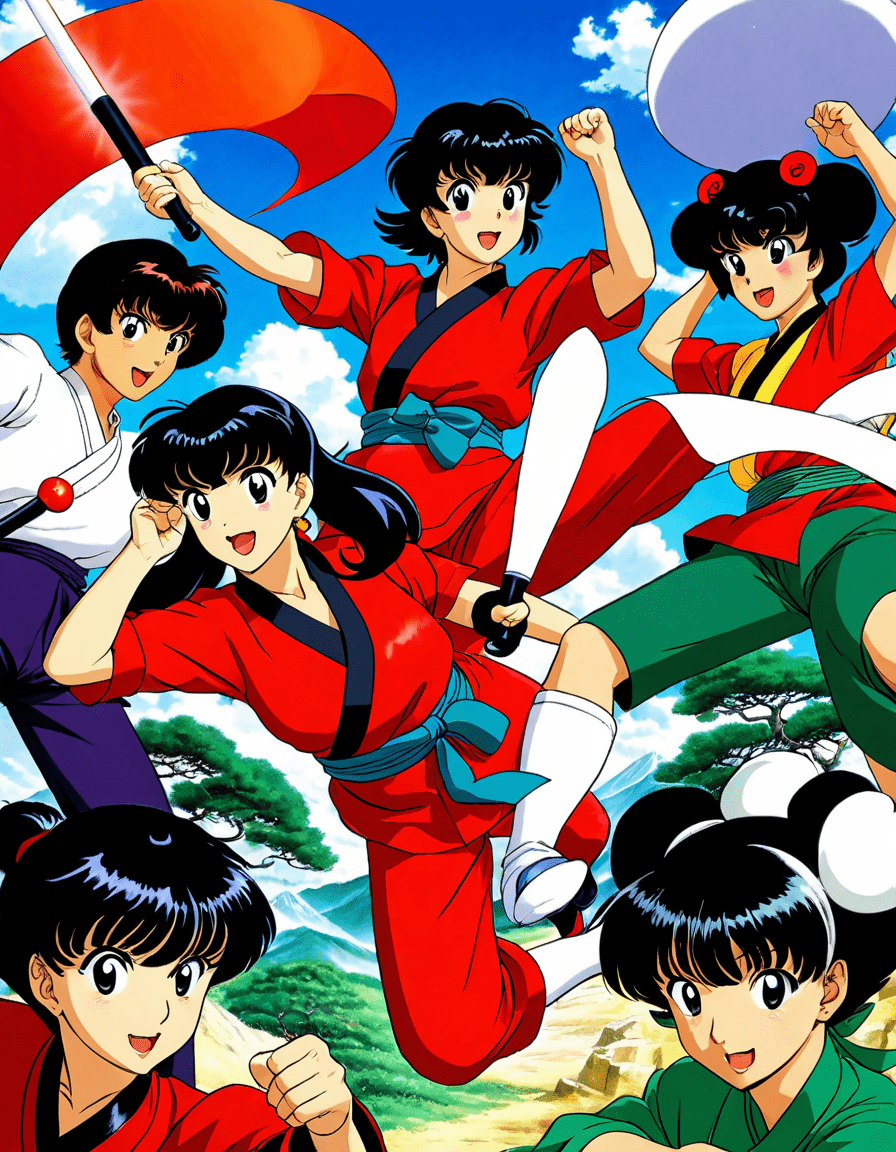
This is the bread-and-butter moment for Ranma 1/2. The series kicks off when Ranma learns he transforms into a girl upon splashing cold water on himself. Cue the laughs, but also cue the rich discussions around gender fluidity. His journey challenges viewers to question societal norms and how they shape one’s identity.
When Ranma meets Akane Tendo, it’s clear the dynamic has something special. This relationship morphs Ranma from being just a cocky martial artist to a more thoughtful individual. Their romantic tension not only provides comic relief but also serves as a vehicle for character growth—a reminder that a strong partner can help in personal transformation.
As the story unfolds, Ranma finds himself caught in an arranged marriage. This arc challenges his self-identity heavily. How does one balance societal pressure with personal needs? It’s the kind of dilemma that’s not too far removed from making decisions about your fitness regime. Sometimes, you gotta push back against what’s expected of you to carve out your own path.
Ryouga Hibiki is another character wrestling with his own transformations. Unlike Ranma, who’s often comical, Ryouga’s struggle is steeped in deeper emotion—think anger and jealousy. His journey resonates with the human experience and evokes compassion. Many of us can relate to the fight against personal demons, like those pesky self-doubts that creep in during a tough workout.
By the series’ conclusion, both Ranma and Akane attain a level of self-acceptance. Their transformations teach us that while our journeys might be rocky, the key to growth lies in understanding our unique challenges. Just like getting ripped overnight isn’t realistic at the gym, neither is transforming your identity without a good deal of introspection.
Cultural Implications of Ranma 1/2’s Transformations
Ranma 1/2 isn’t just a comedy; it’s a mirror reflecting cultural attitudes about gender and identity. Takahashi’s imagery of bending identities churns up vital discourse, particularly around gender fluidity. In different parts of the world, the way people perceive these transformations varies widely. Take a closer look at the reception in Japan compared to Western countries, and you see a landscape rich with evolving norms. The push and pull around gender identity discussions are much more relevant today than they were back when the anime first aired.
Gender Fluidity and Identity Politics
In a world buzzing with conversations about identity politics, Ranma 1/2 serves as a pop culture compass. The series offers a nuanced commentary that empowers viewers to engage with their identities and encourages fluidity in a way that traditional narratives may not. Characters like Ranma and Ryouga push against rigid gender definitions, fostering acceptance of a broader spectrum of identity. It becomes a rallying cry for those in the LGBTQ+ community, illustrating how anyone can pursue authenticity—be it while deadlifting or singing karaoke with friends.
Behind the Scenes: Creative Inspirations and Techniques
Let’s talk about the creative magic behind Ranma 1/2. Takahashi’s storytelling mastery shines through in how she builds her characters. She draws from innovative literary techniques reminiscent of authors like Virginia Woolf, who also explored identity continuously.
The animation process also cannot be overlooked. Recall the fluidity in character movements, especially during transformation scenes. These moments are like rhythmic dance moves that keep you glued to your screen. Just as each rep at the gym builds muscle, each animation frame builds deeper emotional connections.
Legacy of Ranma 1/2: Transformations Beyond the Source
Here lies the true legacy of Ranma 1/2—it’s not confined to just anime. This work has spawned merchandise, adaptations, and even academic discussions. New creators have picked up the baton, drawing inspiration from its innovative narratives. When you see elements of transformation echoing through modern anime or films today, know they owe a nod to Takahashi’s groundbreaking work.
Whether it’s a film where characters face their quirks, like It Chapter Two, or the action-packed intensity of John Wick Chapter 1, you can see how Ranma 1/2 has influenced a generation of storytellers aiming to balance chaos with personal growth.
Final Thoughts on the Enduring Appeal of Transformation in Ranma 1/2
At its core, Ranma 1/2 portrays transformations that resonate on multiple levels. The shifts challenge us to look closely at our identities and what we face in life. It beckons us to embrace the uncertainty, much like lifting weights can throw you into discomfort but lead to incredible gains. In today’s ongoing discussions around gender and identity, Takahashi’s narrative remains immensely relevant.
Remember, transformation isn’t just a transition—it’s an ongoing process, just like your fitness journey. Embrace the challenge; use it to inspire your transformations. So go ahead and step into your Ranma 1/2 mode. Get shredded, gain muscle, and own your journey. The legacy of Ranma 1/2 isn’t just about laughter—it’s about growth, acceptance, and the thrilling ride of figuring it all out.
By preserving the spirit of personal empowerment and transformation, we harness the excitement of Ranma 1/2. So strap on your training shoes and dive into the world of fitness like Ranma dives into transformations, fierce and unapologetic!
Ranma 1/2: The Thrilling Transformations Explored
Transformations and Their Impact
Ranma 1/2 is all about transformation—literally and figuratively. The series thrives on its characters switching between genders at the splash of cold water, leading to hilarious and heartfelt moments. Did you know that the speed with which these transformations can be compared to going from 200 km/h to mph? It’s a chaotic whirlwind of comedy and character development that keeps fans on their toes! This delightful twist on gender fluidity not only makes for a great laugh but also cleverly addresses more profound themes around identity.
Characters Beyond the Surface
The colorful cast of characters in Ranma 1/2 contributes immensely to its charm. For instance, with characters like Ranma, Akane, and the ever-eloquent Ryoga, the dynamic really heats up—like an exquisite dish on National Chicken Finger Day at Canes! Furthermore, the meticulous designs create memorable personalities that stick with audiences long after the show ends. This engaging narrative style has led to numerous adaptations, much like James Gunns and Zack Snyders unique takes on superhero storytelling.
A Cultural Phenomenon
Ranma 1/2’s cultural impact can be seen across various media. The blend of martial arts, romance, and comedy has influenced countless creators, echoing the enchanting visuals of animated films like Ferngully. Plus, just as young talents like Lenny Rush are emerging as noteworthy figures in entertainment, shows like this paved the way for discussions revolving around representation and gender roles in popular culture. Even heavy hitters in cinema are taking note, examining the spirited transformations and their resonance with audiences worldwide.
So, while Ranma 1/2 may seem like a light-hearted comedy on the surface, it dives deeper into themes of personal identity and self-acceptance, providing both laughter and poignancy. The series remains a beloved classic, reminding us that transformations are part of life—and sometimes, they can be downright funny!