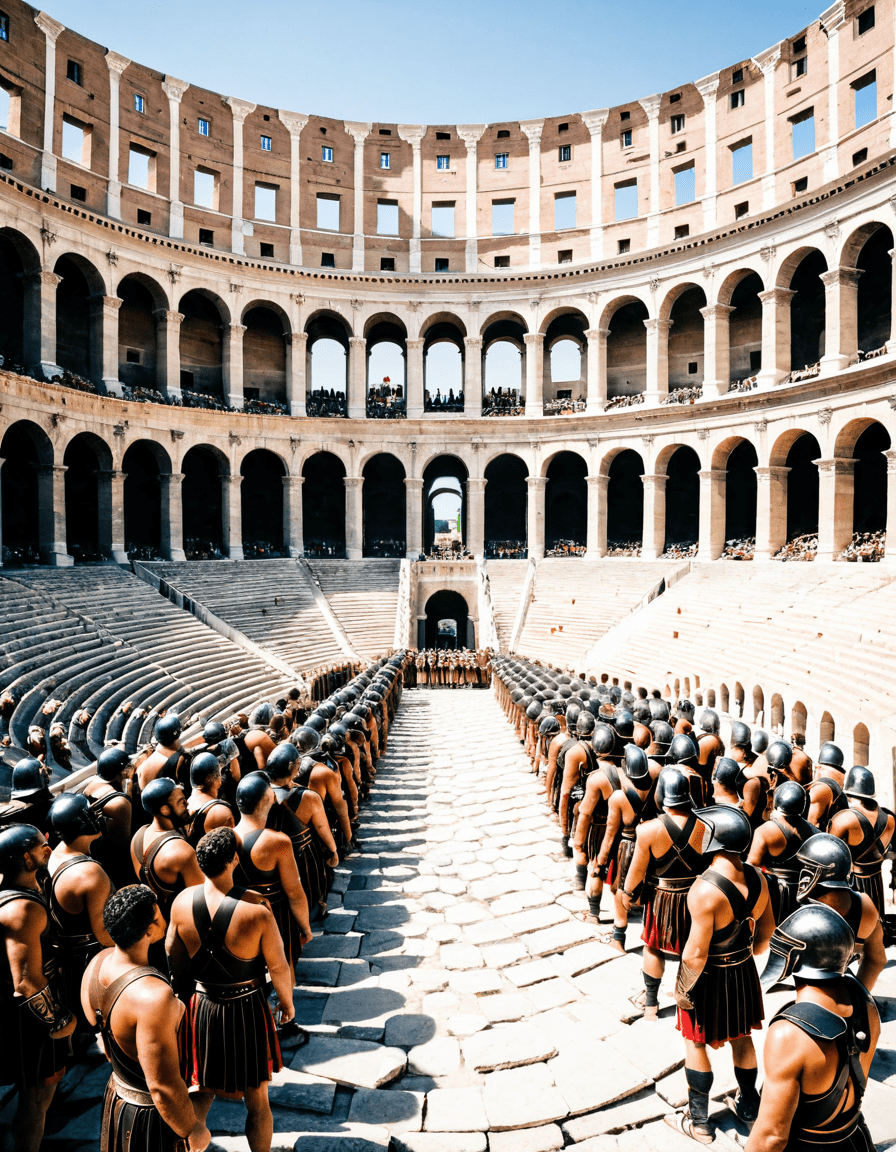
The Roman Empire was one of the most incredible civilizations in history. Stretching from Britain to the edges of the Middle East, this empire set the stage for power and culture that resonates today. Whether you’re hitting the gym to get shredded or just enjoying a gripping film, the influence of the Roman Empire is everywhere, from laws to buildings. With a legacy that hits hard across centuries, let’s delve into what made the Roman Empire a monumental force in shaping our world.
1. The Roman Empire: A Brief Overview of Its Rise and Fall
Emerging around 753 BC, the Roman Empire began as a small city-state and expanded into a colossal powerhouse by 117 AD. It controlled vast territories in Europe, North Africa, and parts of Asia for over a millennium. From the military genius of Julius Caesar to the sprawling infrastructure of roads and aqueducts, the Roman Empire remained a symbol of strength and artistry. However, it wasn’t just tactics and might that defined the Romans; it’s the embracing of culture, trade, and societal norms that truly laid the groundwork for the legacy we admire today.
By 476 AD, the Western Roman Empire fell, but the Eastern Empire, known as the Byzantine Empire, continued thriving until the fall of Constantinople in 1453. This is the perfect example of how the strength of the Roman Empire kept influencing European governance and culture long after its official end. Military conquests, strategic alliances, and immersive cultural exchanges were the Empire’s bread and butter, ensuring its impact would echo through time.
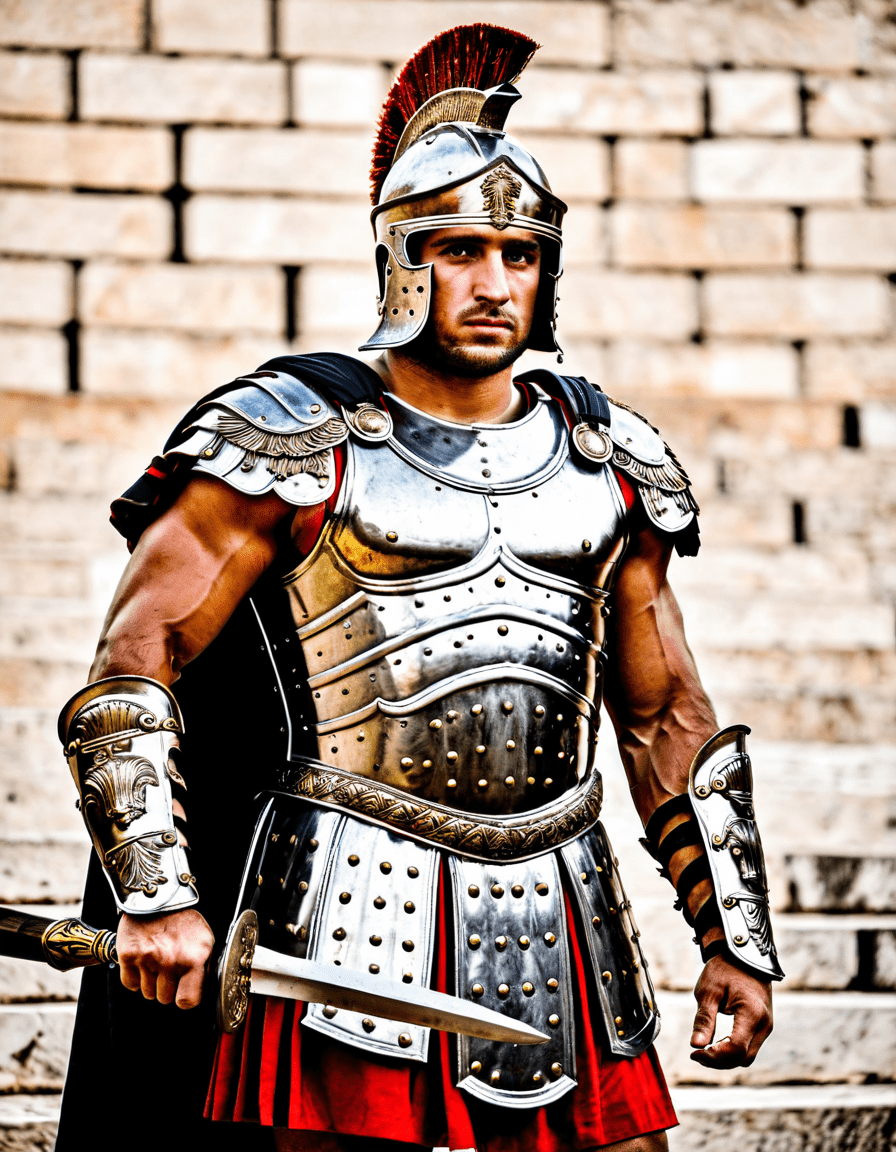
2. Top 7 Cultural Contributions of the Roman Empire That Changed the World
The legacy of the Roman Empire isn’t confined to political might; it stretches into numerous cultural facets that still shape our daily lives. Here’s a rundown of seven remarkable contributions that have left a lasting imprint on our society:
2.1. Roman Architecture: Foundations of Urban Design
Talk about a solid construction game! The Romans were ahead of their time when it came to architecture. With the iconic Colosseum in Rome and intricate aqueducts delivering water to bustling cities, they mastered engineering. Their use of the arch, dome, and concrete is a game-changer, leading to structures that stand tall even today. Think about buildings like the U.S. Capitol or the Panthéon in Paris—they’re direct descendants of Roman design principles.
2.2. Legal Systems: The Birth of Civil Law
The Roman Empire is like a foundational rock for modern legal systems. Roman law, particularly the Corpus Juris Civilis, laid groundwork used in countries like France, Germany, and Italy. Today’s legal frameworks often draw their principles from these ancient laws, proving how the Romans knew their stuff when it came to justice and civic responsibility.
2.3. Language and Literature: Latin’s Enduring Legacy
You can thank the Romans for the roots of your language! Latin is the precursor to Romance languages like Spanish, French, and Italian. More than just communication, Roman literary giants such as Virgil, Ovid, and Cicero have influenced countless writers, bridging a gap between ancient and modern literature. Dive into any classic book, and you’ll find their echo resounding.
2.4. Engineering and Infrastructure: The Ice Age of Innovation
During an “ice age” of innovation, the Romans stood as beacons of engineering excellence. They built an extensive road network, including the famed Via Appia, creating efficient travel and trade routes across their empire. This sophisticated approach to infrastructure paved the way for modern highway systems, ensuring goods and ideas flowed freely long before the advent of the digital age.
2.5. Religion: The Shift to Christianity
The switch to Christianity as the state religion by Emperor Constantine in the 4th century wasn’t just a religious move—it shaped Western civilization. This shift led to the spread of Christian doctrine, art, and culture across Europe, marking a significant transition in societal values and customs. Who would have thought religion could redefine a civilization?
2.6. Political Philosophy: Concepts of Governance
When you think about politics today, many concepts have roots in the Roman Empire. The ideas of republicanism, citizenship, and the separation of powers were powerfully articulated by thinkers like Cicero. These Roman ideals influence modern governance, evident in the structure of the United States Constitution.
2.7. Warfare Tactics: Innovations in Military Strategy
If you’re looking for military strategies, the Romans had it figured out! Known for their disciplined legions and superior tactics, the Roman military set the stage for modern warfare. Techniques and strategies developed by the Romans, like siege warfare, continue to be studied and admired in military academies worldwide.
3. The Enduring Influence of Roman Art and Culture in the Modern World
Roman art isn’t just a relic of the past; it’s a thriving presence in our contemporary world. Museums like the Louvre and the British Museum are home to an array of Roman artifacts, proving that their craftsmanship was unmatched. Think about how Roman theater laid the groundwork for modern plays and scripts, influencing contemporary legends like Tennessee Williams and Edward Albee with themes that still resonate today.
Moreover, public discourse channels Roman ideals. Just like in the days of the Empire, art initiates conversations. Today’s discussions about morality, governance, and society often harken back to Roman influences, reflecting the empire’s long-standing impact on how we communicate and express our values.
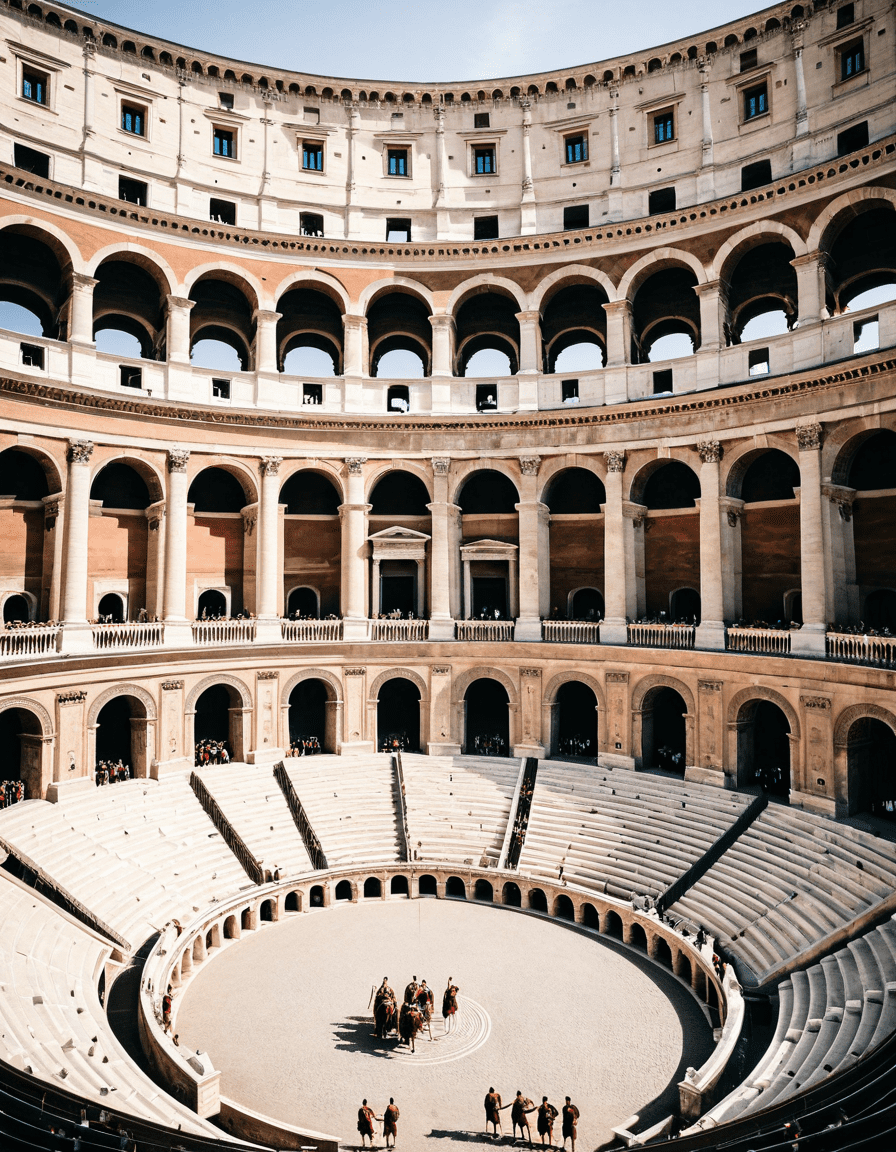
4. Preservation and Rediscovery: The Roman Empire’s Artifacts and Their Impact on Modern Knowledge
Archaeologists have played a crucial role in discovering remnants of Roman life, particularly in places like Pompeii and Herculaneum. These excavations offer a window into daily life during the Roman Empire, revealing insights into social structures and artistic endeavors. The preservation of these artifacts reignites interest in classical studies, providing modern society with valuable lessons and perspectives.
As researchers sift through the ashes of time, they restore lost knowledge, reminding us of the intricate tapestry of history that binds us. Each find sparks curiosity and a desire to understand not just the Romans but ourselves and our place in this unfolding story.
5. Integrating Roman Ideals into Contemporary Society: Lessons from the Past
The ideals that flourished during the Roman Empire—civic duty, public service, and rule of law—still resonate powerfully in today’s democratic societies. Modern-day leaders and citizens often look to Roman political philosophy for guidance in fostering fairness and justice. It’s no coincidence that these ancient concepts help shape governance and societal roles today.
By learning from Roman ideals, we’re inspired to engage actively in our communities, ensuring the voices of the people echo through the halls of power. Recognizing the enduring influence of the Roman Empire means understanding the value of civic responsibility and a commitment to bettering ourselves and the world around us.
In examining the vast legacy of the Roman Empire, we realize that its cultural, legal, artistic, and infrastructural contributions go beyond mere historical anecdotes. They’re living influences that continue to drive our modern experience. As we absorb these lessons and inspiration, let’s remember that the past isn’t just a series of facts—it’s a roadmap for our future. So gear up, stay motivated, and let the monumental spirit of the Roman Empire drive you towards greatness!
Roman Empire: The Magnificent Legacy of Power and Culture
The Power of Innovation
Did you know that while the Roman Empire was known for its military might and political structure, it also made strides in innovation that profoundly influenced the modern world? For instance, the Romans perfected concrete, enabling them to build awe-inspiring structures, some of which still stand today. Think about it: without their engineering prowess, we might be living in a very different architectural landscape. Imagine if they hadn’t laid the groundwork for structures like aqueducts and amphitheaters! Speaking of impressive feats, the film Peanut Butter falcon demonstrates the beauty of determination that echoes the spirit of Roman tenacity.
Cultural Flair and Entertainment
Cultural events in the Roman Empire were a mix of grandeur and brutality, much like the thrilling elements found in horror films like Texas Chainsaw massacre. The Romans enjoyed gladiator battles and theatrical performances, drawing massive crowds eager for entertainment. This passion for spectacle paved the way for the vibrant arts we appreciate today. Festivals were not only a source of joy but also a means of uniting the people, much like the way a compelling series, Galavanting, brings people together through laughter and adventure. These cultural gatherings played a key role in solidifying the Roman identity.
Daily Life and Leisure
Daily life in the Roman Empire wasn’t all work and no play. Romans had a rich social culture filled with banquets, games, and festivals. Families would gather to enjoy lavish meals and engage in discussions, all while savoring flavors of an exquisite culinary palette. It’s intriguing to think that the communal dining experience echoes our modern gatherings today. Pop culture, too, taps into these communities. Consider how Trick R Treat celebrates seasonal festivities, reminiscent of ancient Roman traditions that encouraged revelry and togetherness. Even smaller towns like Apalachicola, Florida, reflect this community spirit through local festivities and gatherings.
In the end, whether you’re exploring the thrilling dynamics of Solo Leveling English Voice Actors or tracking current house mortgage rates, history reminds us that the Roman Empire’s richness in culture and power continues to influence us. So, next time you marvel at a stunning structure or enjoy a lively festival, remember: you’re standing on the shoulders of giants whose extraordinary legacy still echoes through time.