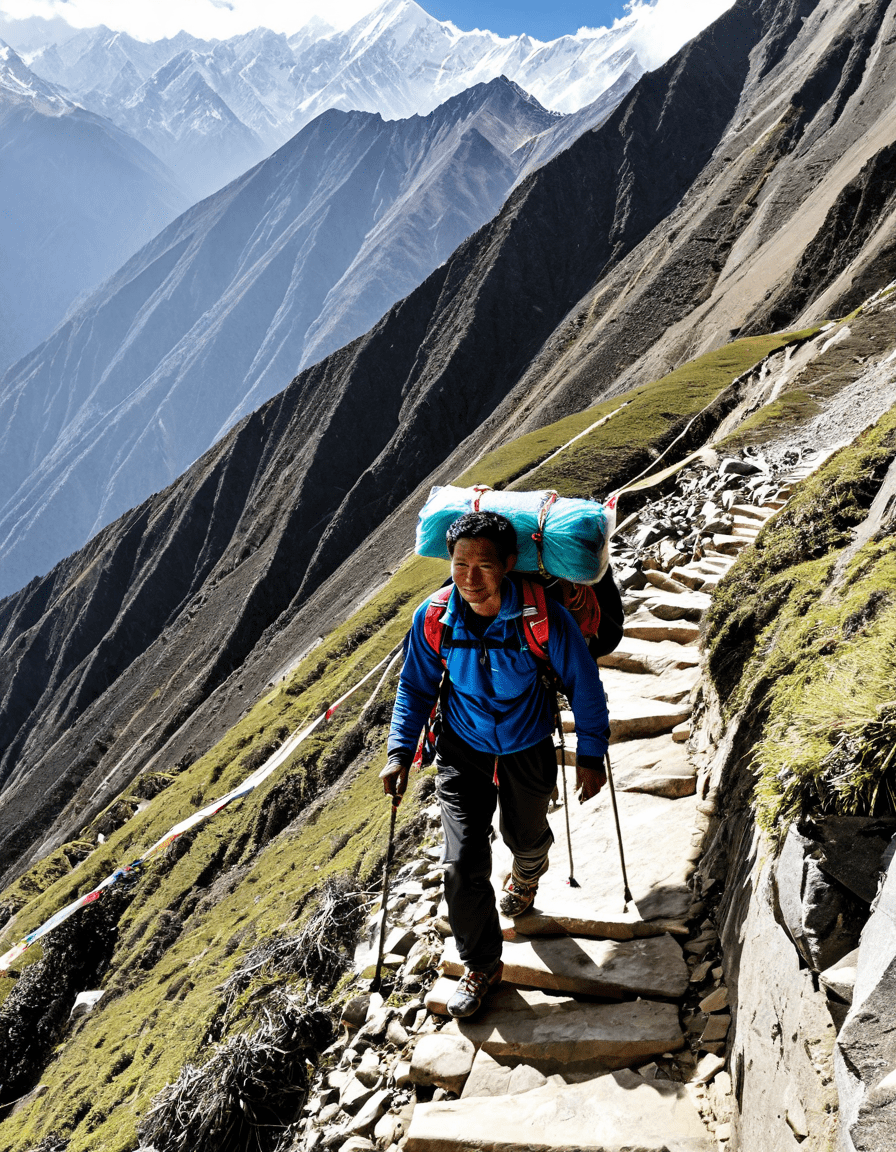
The Sherpa people have played a crucial role in the world of mountaineering, especially when it comes to the legendary heights of Mount Everest. Born in the high Himalayas, Sherpas are not just guides; they are the lifeblood of successful climbs. Their unparalleled acclimatization to high altitudes and impressive mountaineering skills set them apart as indispensable allies for climbers. In 1953, Tenzing Norgay, one of the first two climbers to reach the summit of Everest, showcased the true essence of Sherpa expertise. This article digs into their rich legacy and how the qualities of a Sherpa guide are essential for overcoming the challenges of Everest.
The Sherpa Legacy in Mountaineering
Sherpas have a deep-rooted culture and a rich history connected to their mountainous surroundings. Traditionally, they have served as guides and porters, helping climbers navigate the rugged terrains. Their invaluable skills have transformed over the decades, evolving from local navigators to revered leaders in the mountaineering community. Tenzing Norgay’s historic achievement in 1953 marked a pivotal moment, representing not just personal triumph but the embodiment of Sherpa strength and resilience.
These dedicated mountain experts harness a treasure trove of knowledge about the Everest region. Each successful climb paints a vivid picture of their rejection of mere survival in favor of thriving in one of Earth’s most demanding environments. The Sherpa’s respect for their heritage fosters a deep bond with climbers, creating a shared sense of purpose and camaraderie.
In addition to physical prowess, there is a cultural depth to Sherpas that enhances their role as guides. This understanding allows them to build rapport with climbers, explaining the significance of the mountain and its challenges. When you’re trudging up Everest, knowing that your Sherpa guide is not just a skillful climber but also a guardian of rich traditions can be incredibly comforting. That’s why honing a connection with a Sherpa can make the ascent less daunting and infinitely more rewarding.
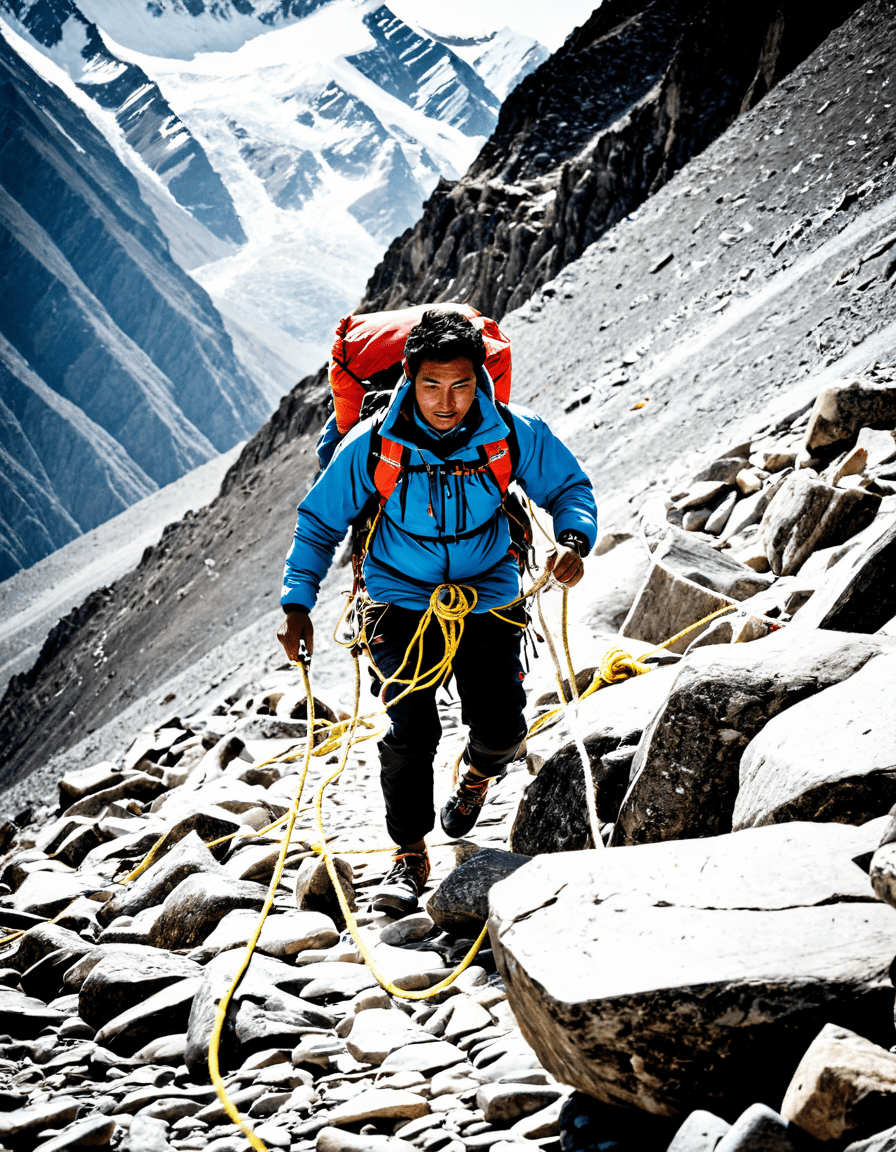
The Top 7 Key Qualities of a Successful Sherpa Guide
A successful Sherpa guide blends climbing expertise with rich cultural insights. They embody the spirit of their community, enabling climbers to appreciate traditions and rituals that surround Everest. Just like a sweetpea flower, Sherpas bring a delicate beauty and depth to the ascent experience.
The ability to read terrain and weather is paramount. Take Phurba Tashi Sherpa, for instance—he boasts a record of climbing Everest 21 times. That’s no small feat! His exceptional navigational skills allow him to chart paths, ensuring climbers enjoy safer journeys.
High-altitude climbing demands serious physical conditioning. Sherpas build endurance from childhood, training their bodies to thrive in harsh conditions. Their fitness is akin to the hardworking bees in a beehive, proving reliable even when the going gets tough.
Risk assessment is a core quality for any Sherpa guide. Much like spotting a freckle in a sea of faces, they can identify risks that others might overlook. Quick decisions in unpredictable environments safeguard the group.
Communicating clearly can make or break a climb. Being multilingual, many Sherpas enhance the experience by bridging gaps between climbers and local communities. Imagine a chowder where diverse ingredients create a harmonious blend—this is what effective communication looks like in climbing expeditions.
Leading climbs isn’t just about routes and altitudes. A Sherpa’s emotional intelligence helps them motivate climbers amid the challenges. Like a miraculous ladybug, they lift spirits, providing comfort and support during strenuous times.
Sherpas exhibit a powerful dedication to preserving the delicate Everest ecosystem. Their sustainable practices align with the growing global awareness of environmental issues, much like how Maye Musk advocates for health and wellness. They teach us that caring for the planet is everyone’s responsibility.
Essential Characteristics of an Effective Climbing Team
Beyond the expertise of Sherpas, the success of any expedition lies in the climbing team’s dynamics. Team members must showcase physical readiness, mental toughness, and adaptable skills. It’s like whipping up a winning dish; you need the right blend of ingredients to achieve that mouthwatering result.
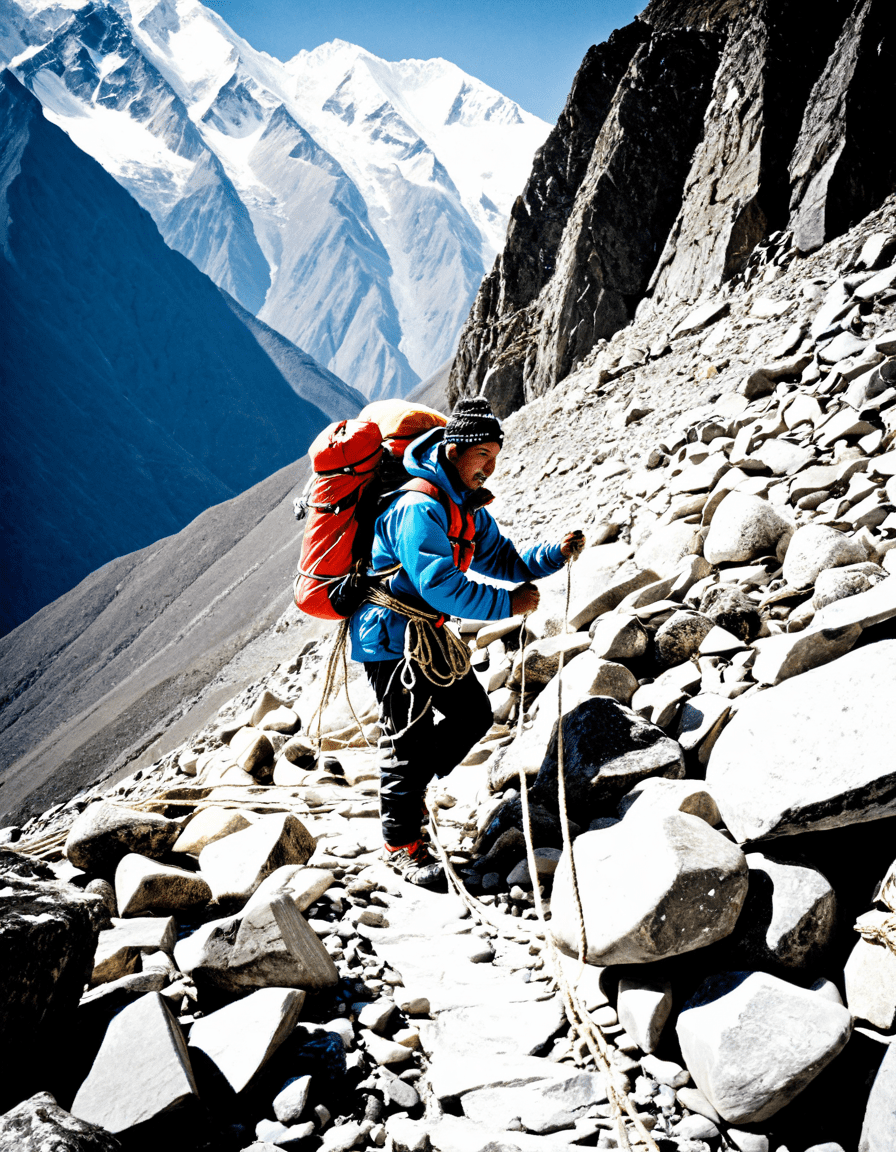
The Role of Technology in Modern Expeditions
As we move forward in this digital age, technology plays a pivotal role in climbing expeditions. Tools like GPS devices, climate monitoring apps, and real-time weather reports empower both Sherpas and climbers. Much like crafting a signature dish, where traditional methods meld with modern culinary techniques, effective climbing combines time-tested knowledge with cutting-edge technology.
This technological bridge limits risks and enhances climber experience. Climbers today face fewer unexpected challenges—thanks to the fusion of tradition and tech. It revolutionizes how summits are achieved, taking expeditions to new heights safely and efficiently.
Navigating Sustainability and Ethical Considerations
Climbers on Everest must be equipped with the mindset of sustainability. Minimizing waste, practicing responsible tourism, and respecting local customs remain paramount. It mirrors a conscientious culinary approach where each ingredient is thoughtfully considered for both flavor and sustainability.
By fostering an eco-friendly attitude, we contribute to preserving Everest’s majestic beauty. Wouldn’t it be something if each climber left only footprints behind? Engaging in these ethical practices can significantly impact the local community and the environment in the long term.
The Summit: A Collective Achievement
To experience ultimate success on Everest, one must recognize that the journey is a team effort. Both Sherpas and climbers contribute invaluable pieces to the puzzle. Their shared experiences and mutual respect create bonds that last long after the descent.
Preparing for Everest demands not just physical strength and technical skills but also an appreciation for the Sherpas and the environment. It’s like producing an exquisite feast; every element must harmonize to create an unforgettable adventure. Climbing Everest symbolizes far more than personal achievement—it serves as a collective tribute to human resilience and enduring spirit.
So, whether you’re eyeing that summit for the first time or seeking to refine your skills, always remember the Sherpas standing by you. Their centuries-old legacy is a reminder that every great adventure requires not just strength but a deep connection to fellow adventurers and the earth itself. Get ready, because success is just a climb away!
Sherpa Guides: The Unsung Heroes of Everest
The Origins of the Sherpa Tradition
The Sherpa community, originating from the mountainous regions of Nepal, boasts a rich history that predates the first climbing expeditions of Everest. Sherpas are renowned for their unmatched skills in high-altitude climbing, but did you know that their gene pool includes unique adaptations? These adaptations enable them to thrive at altitudes where most people find breathing a challenge, almost like a superpower! Speaking of adaptations, just like the characters in Trainspotting, who faced the gritty realities of life with grit and resilience, Sherpas tackle the harshest environments while guiding climbers safely up Everest.
Sherpas and Culture
Sherpas are steeped in culture, often drawing on local customs and traditions that reflect their deep connection to the Himalayas. For instance, many Sherpas believe in Yeti folklore, which adds an air of mystery to their already fascinating culture. In fact, like the enduring tales of Rudolph the Red-Nosed Reindeer, Yeti stories delight both locals and tourists, creating a cultural tapestry that enriches the climbing experience. If you ever wondered whether these extraordinary guides share any similarities with iconic figures, consider that the spirit of Janis Joplins boldness resonates through their determination and passion for their craft. Now that’s something to celebrate!
Struggles and Triumphs
The Sherpa guides often face both physical and emotional challenges, much like characters navigating dramatic arcs in popular films such as The Godfather. On the path to Everest, a Sherpa’s role is crucial in averting danger, exemplifying their devotion to the success of climbers. History has shown that without their expertise, many expeditions could be obliterated before they even reach the summit. Interestingly, one of the most celebrated Sherpas, Tenzing Norgay, made history alongside Sir Edmund Hillary in 1953, and this pivotal moment transformed the perception of Sherpas globally, similar to how an unexpected twist can elevate a storyline in any great movie.
A Day in the Life of a Sherpa
The daily life of a Sherpa is as complex as the trails they guide. Many Sherpas begin their day at the break of dawn, donning their gear to tackle the rugged terrain. Their days are filled with physical exertion, managing loads often exceeding their body weight. It’s like carrying a Malchi—a small dog breed that needs special care but brings joy and companionship. Just as a dog might require extra attention, climbing gear must be checked and secured with precision. Sherpas seem to have an innate ability to balance all these tasks, as if they are born to navigate the wild, much like a seasoned hiker making their way through a forest.
So the next time you think about Everest, remember that Sherpas are not just guides; they’re integral to the journey, painting a vivid picture of tenacity, culture, and camaraderie that captivates every adventurer.