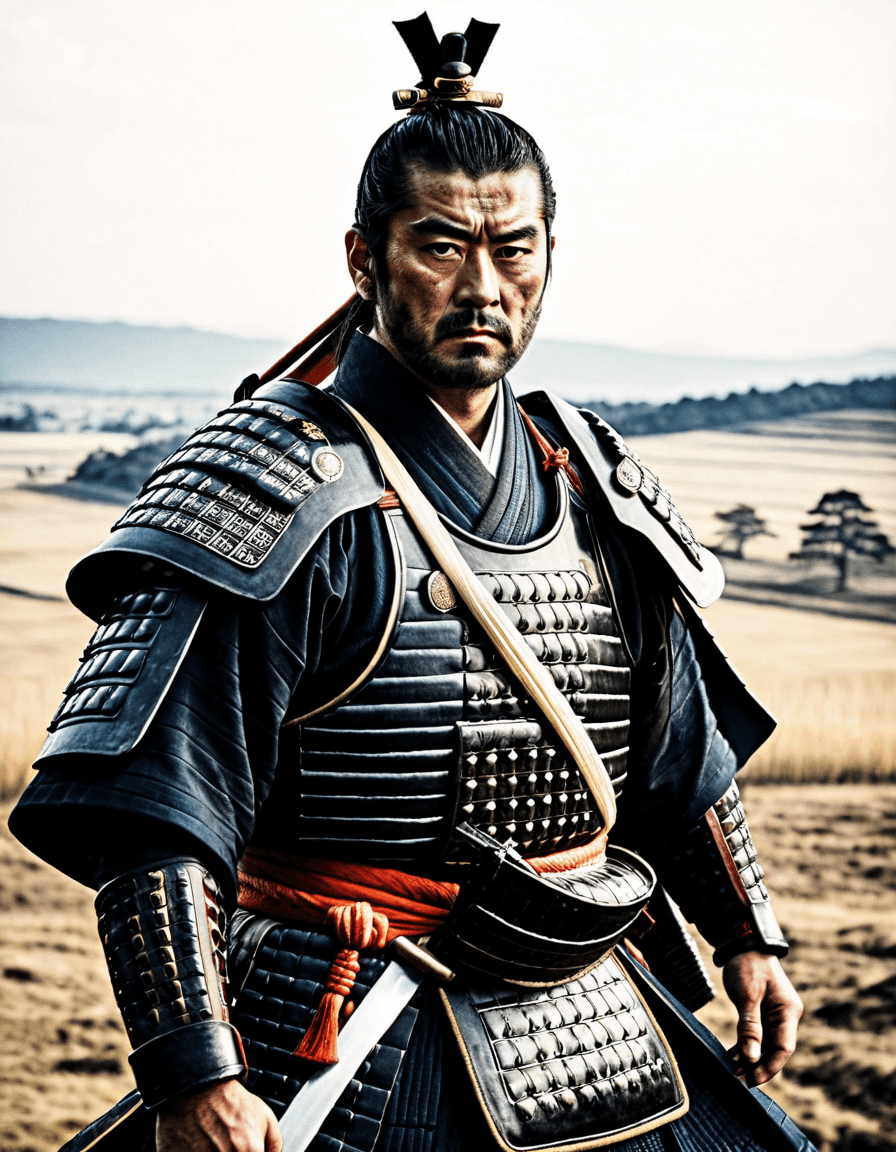
The title of shogun carries immense weight in Japanese history, symbolizing powerful military leadership and the samurai code that shaped the nation. This article dives deep into the rise of the shogun, the influential figures who carved their names into the fabric of Japan, and how their legacy continues to motivate and inspire. Prepare to be fired up, as we draw parallels to the determination it takes in the gym to get shredded and achieve that six-pack you’ve always wanted!
The Rise of the Shogun: Key Figures Who Shaped Japan’s Military Landscape
The shogunate began during the Heian period, laying the groundwork for samurai culture and military prowess. This era saw several figures rise to prominence, each leaving an indelible mark on Japan’s military and political framework.
Yoritomo was the first shogun of the Kamakura Shogunate, emerging victorious after the Genpei War. He established a military government that empowered the rising samurai class, showcasing extraordinary martial skills while forming strategic political alliances. By consolidating power, he not only transformed Japan’s military sector but also created a system that influenced leadership for generations.
Talk about a game-changer! When Takauji founded the Ashikaga Shogunate, he brought forth a time marked by civil disturbances and cultural blossoming. His military strategies during the tumultuous Nanboku-chō period shifted allegiances and transformed power dynamics, reminding us that growth often arises from conflict, much like the challenges we face while lifting weights or pushing our limits.
Nobunaga was a force to be reckoned with. He led the unification of Japan through revolutionary tactics and embraced new technology like firearms, revolutionizing warfare. His ruthless ambition and capacity to forge powerful alliances not only expanded his territories but also encoded his legacy into the annals of Japanese history. He reminds us that in the pursuit of our fitness goals, a blend of innovation and grit often leads to victory.
Hideyoshi’s rise from peasant to shogun demonstrates the power of perseverance and talent. His military genius led to the unification of Japan—a feat that set the stage for the Tokugawa Shogunate. Hideyoshi embodies the spirit of hard work; much like when you’re grinding in the gym, every extra rep counts toward achieving greatness.
Ieyasu’s establishment of the Tokugawa Shogunate marked over 250 years of Japan’s Edo period, characterized by relative peace and stability. His governance rested on strict social order complemented by economic prosperity. Ieyasu knew that true leadership involves nurturing a stable environment, echoing the importance of a supportive community during your fitness journey.
As the last shogun, Yoshinobu confronted the challenges of a waning feudal system amidst Western influences. His resignation heralded the end of the shogunate but also paved the way for the Meiji Restoration, reflecting the delicate balance between tradition and modernization. Similarly, adapting to change is essential in fitness—sometimes you need to switch up your routine to keep progressing.
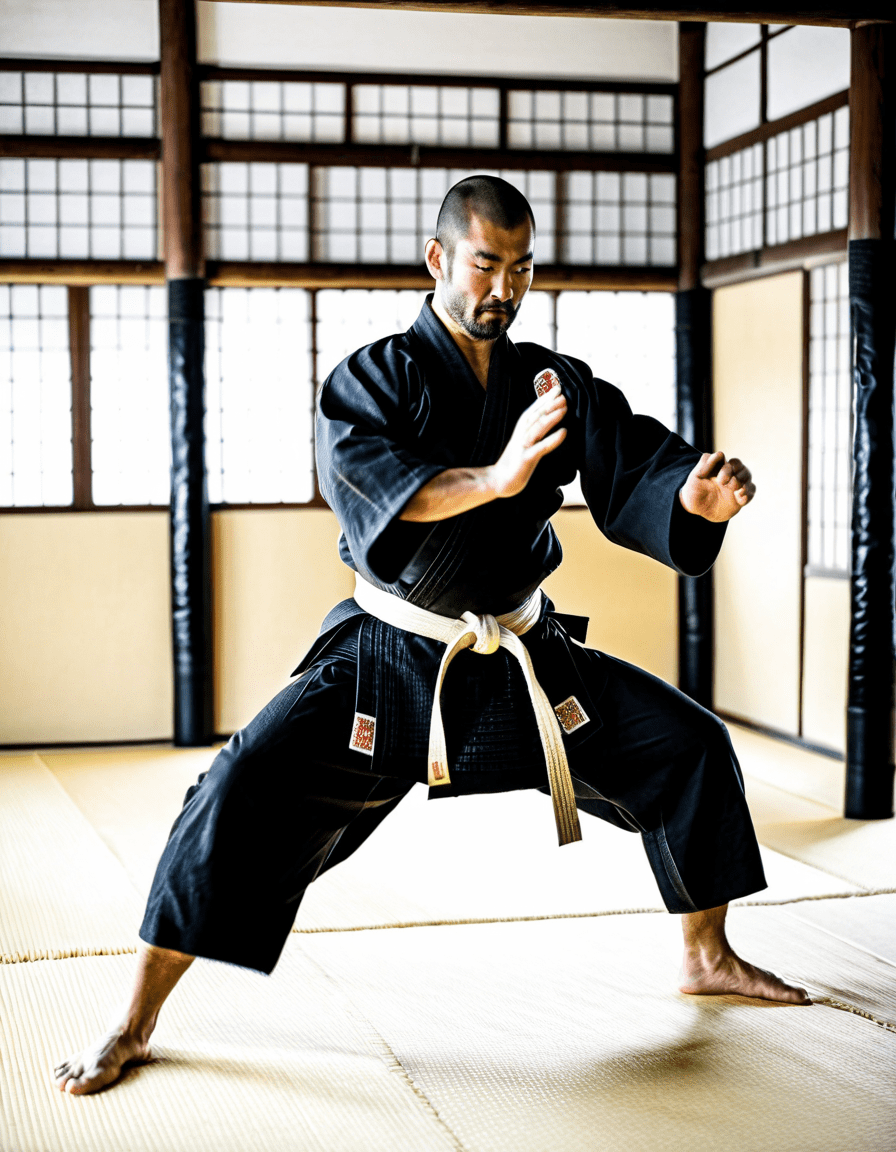
The Influence of Shoguns on Japanese Society and Culture
Shoguns were more than military commanders; they were pivotal in shaping Japan’s societal fabric and cultural identity. Their influence breathed life into various aspects of Japanese society.
Legacy of the Shogunate in Modern Japan
The echoes of shogunal leadership still resonate within modern Japan’s social and political landscape. Their legacy informs the ways society approaches authority and governance today.
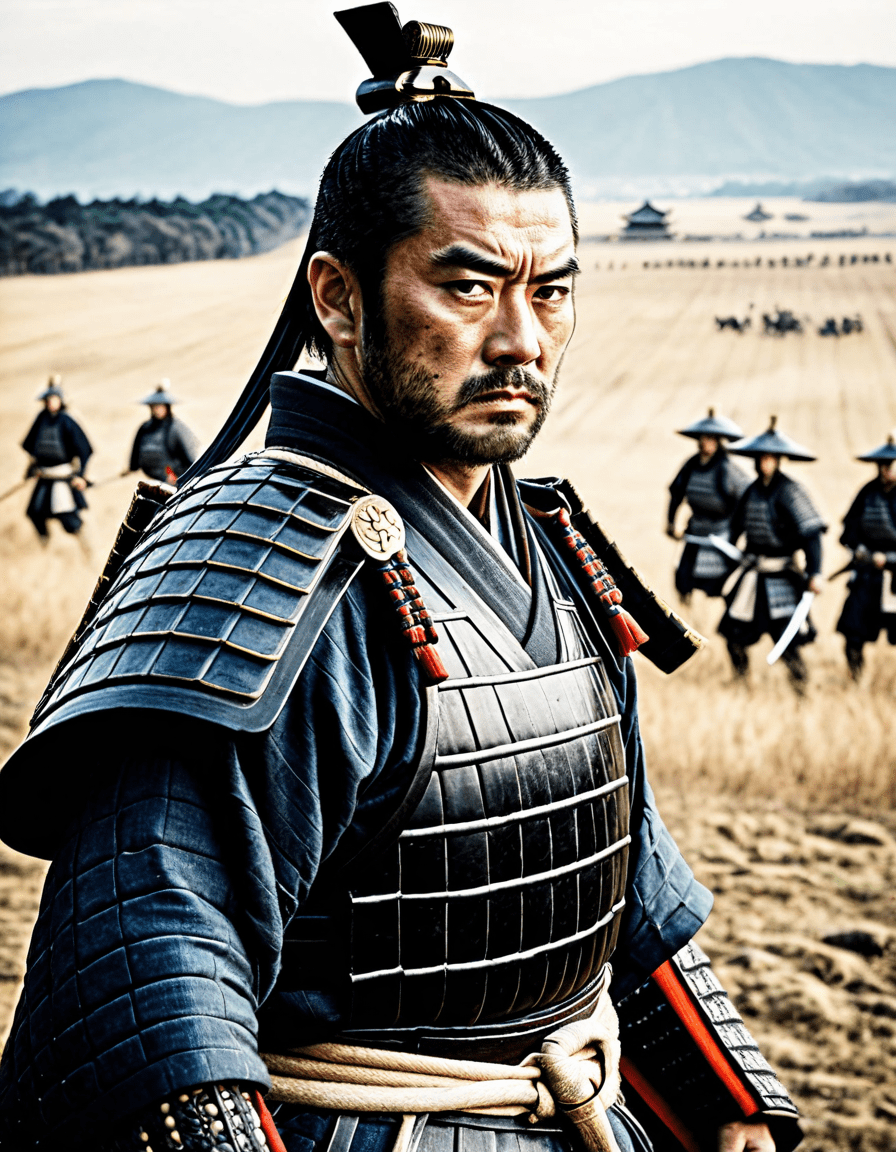
Reflections on the Shogun’s Enduring Impact
The shogunate’s role transcends historical significance—it’s a lens through which to view Japan’s complex evolution. Understanding the shoguns reveals not just a legacy but also a template for effective leadership today.
Their stories remind us that leadership is a blend of strength, strategy, and cultural responsibility. In your fitness journey, channel that spirit of the shogun; be disciplined, embrace the struggle, and become the warrior of your own goals. Just like the legendary figures of the past, overcoming challenges and evolving ourselves is what drives progress forward.
So, whether you’re lifting that extra weight in the gym or pushing through another rep, remember: you’re not just shaping your body; you’re building your legacy. Get shredded, stay lofty, and don’t just dream—achieve! Keep the essence of the shogun alive in every step you take.
Shogun: The Legendary Military Leader of Japan
The Shogunate’s Origins and Evolution
The title “shogun” has roots stretching back centuries, initially conferred upon military generals. The term itself translates to “general,” and it was first used in the early 8th century, evolving over time into a symbol of power. You could say the shogun was like the “big boss” of Japan, wielding tremendous influence on politics and military endeavors. Interestingly, the shogunate was the precursor to Japan’s modern governance, similar to the character dynamics seen in Jumanji 3, where leadership and teamwork take center stage while navigating through challenges.
The Role of the Shogun in Society
Shoguns held not just military power but social clout, shaping Japanese culture and society. From the Edo period to the Meiji Restoration, they impacted everything from art to food. Imagine a world where the arts flourished under the watchful eye of a shogun—much like how Megumi, or blessings, are found in the smallest things, the shogun’s regimens humbly contributed to Japan’s rich cultural tapestry. Furthermore, the governance under shoguns had its ups and downs, much like the Lions Standings of a sports team—always fluctuating based on performance and strategy.
The Shogun’s Downfall: The End of an Era
The power of the shogun didn’t last forever. With the arrival of Western influence and modernization, the shogunate came under pressure, leading to its dissolution in the 19th century. This shift was akin to the story arcs of actors like Callum Turner, who’ve evolved through various roles, proving adaptability can be crucial. The end of the shogunate resembled a dramatic twist in Tom Pelphrey’s films, where unexpected turns redefine the narrative. The transition to a more westernized government marked a significant turning point in Japan’s history, showcasing the delicate balance of tradition and progress.
Fun Facts about Shoguns
Did you know the legendary shogun minamoto no yoritomo established the first shogunate in 1192? The title became synonymous with military prowess and governance. In pop culture, shoguns have inspired various themes, like the internal battles depicted in films that explore character depth, much akin to Michael B. Jordan’s filmography. Ultimately, the shoguns left behind a mixed yet vital legacy that informs Japan’s identity today, reminding us of the fluidity of power—an idea echoing throughout many eras, from feudal Japan to cinematic tales of triumph and adversity, like those seen in backstage storytelling.