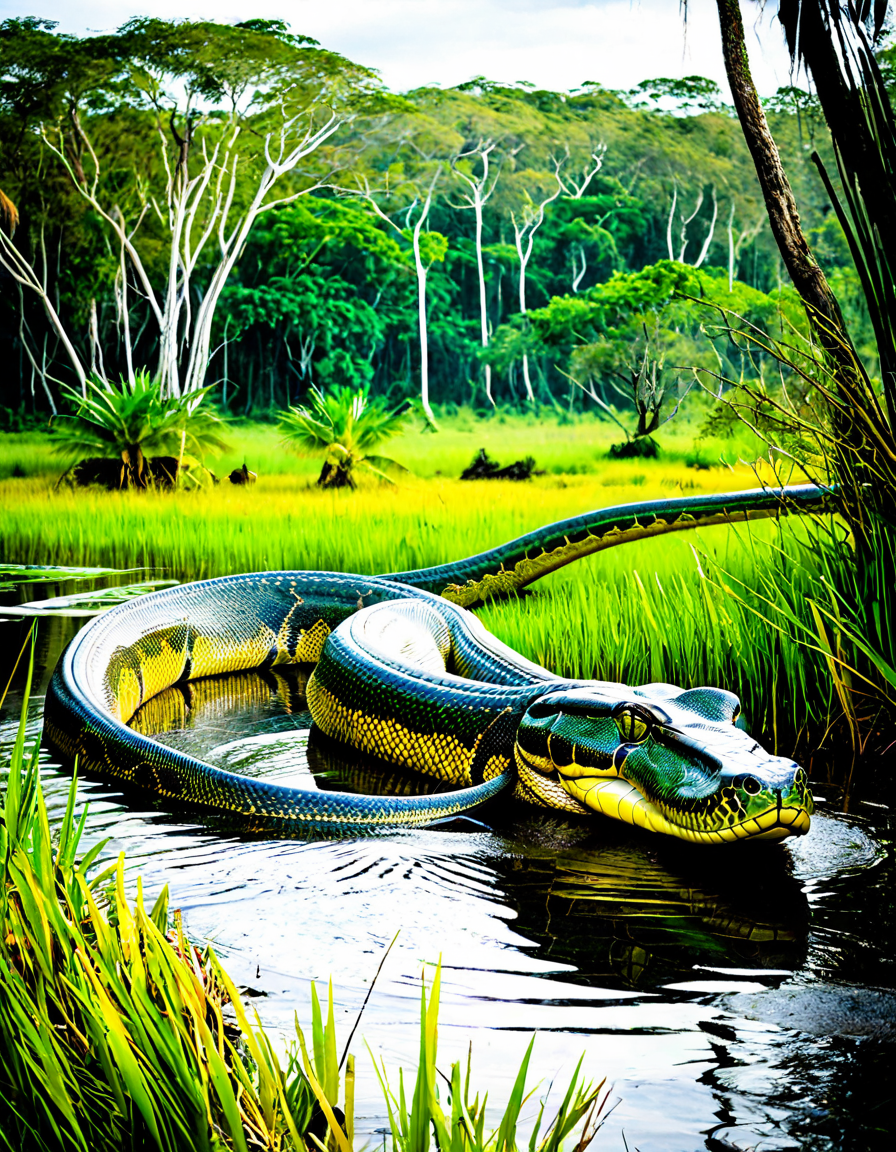
When you think of prehistoric beasts, the titanoboa takes the cake. This colossal serpent, known scientifically as Titanoboa cerrejonensis, isn’t just another fossil; it’s a symbol of nature’s power and majesty. Emerging in the Paleocene epoch around 60 million years ago, the titanoboa stretched an impressive 42 feet long and weighed in at a whopping 2,500 pounds. Imagine that! It’s hard to fathom a creature that size slithering through the dense jungles of what’s now modern-day Colombia. This article will take you on a journey through the life and times of titanoboa—its ecosystems, evolutionary insights, cultural impact, and future research that’ll keep even the most curious minds buzzing with excitement.
Discovering Titanoboa: A Paleontological Marvel
The discovery of titanoboa remains in the Cerrejon coal mine was nothing short of revolutionary. Paleontologists have unearthed fossils that not only reveal its staggering size but also unveil remarkable adaptations. It thrived in lush, warm ecosystems, showcasing characteristics designed for survival and dominance. Giving a whole new meaning to “top predator,” titanoboa excelled in hunting large fish and possibly small dinosaurs, positioning itself at the pinnacle of its food chain.
Fossil analysis tells a fascinating story too. Research suggests the titanoboa adapted to its environment in incredible ways. Imagine this: a snake that could control its massive body while hunting through dense foliage; that’s some serious muscle! This enormous serpent has left a legacy that continues to influence studies in ecology, evolution, and even climate science.
The Tenet of Titanoboa: Ecosystem Dominance
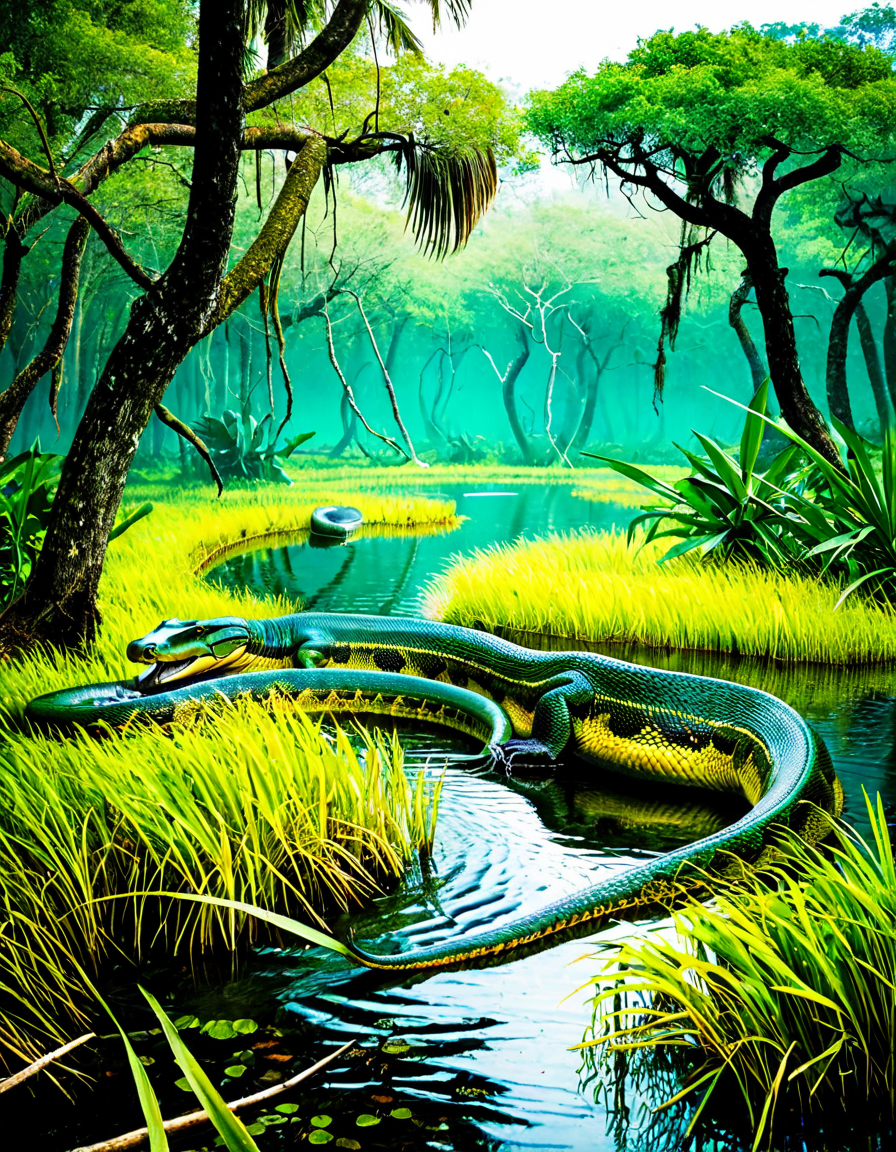
In understanding titanoboa, you’re also tapping into the microscopic details of prehistoric ecosystems. This snake was pivotal in maintaining ecological balance. It kept prey populations in check, ensuring that diverse species could thrive together. Researchers have pointed out that titanoboa’s sheer size allowed it to ambush prey effectively, using stealth and strength to secure its meals.
Titanoboa wasn’t just a brute; it was a critical component of its ecosystem. The survival of many other species depended on this giant snake, showcasing how interconnected nature is—just like how muscle growth is dependent on a balanced workout regimen and nutrition!
Evolutionary Insights: Titanoboa and Its Relatives
When you swim through the waters of history, understanding titanoboa’s lineage opens doors to the evolution of snakes as a whole. This behemoth is believed to be closely related to modern boa constrictors and anacondas, showcasing both shared traits and distinctive adaptations. By analyzing cranial and vertebral structures, scientists gain insights into how these reptiles navigated their environments.
The fascinating evolutionary journey of titanoboa emphasizes the importance of adaptability—much like many of us in our fitness journeys.
Titanoboa in Popular Culture: The Excogi of Myth and Reality
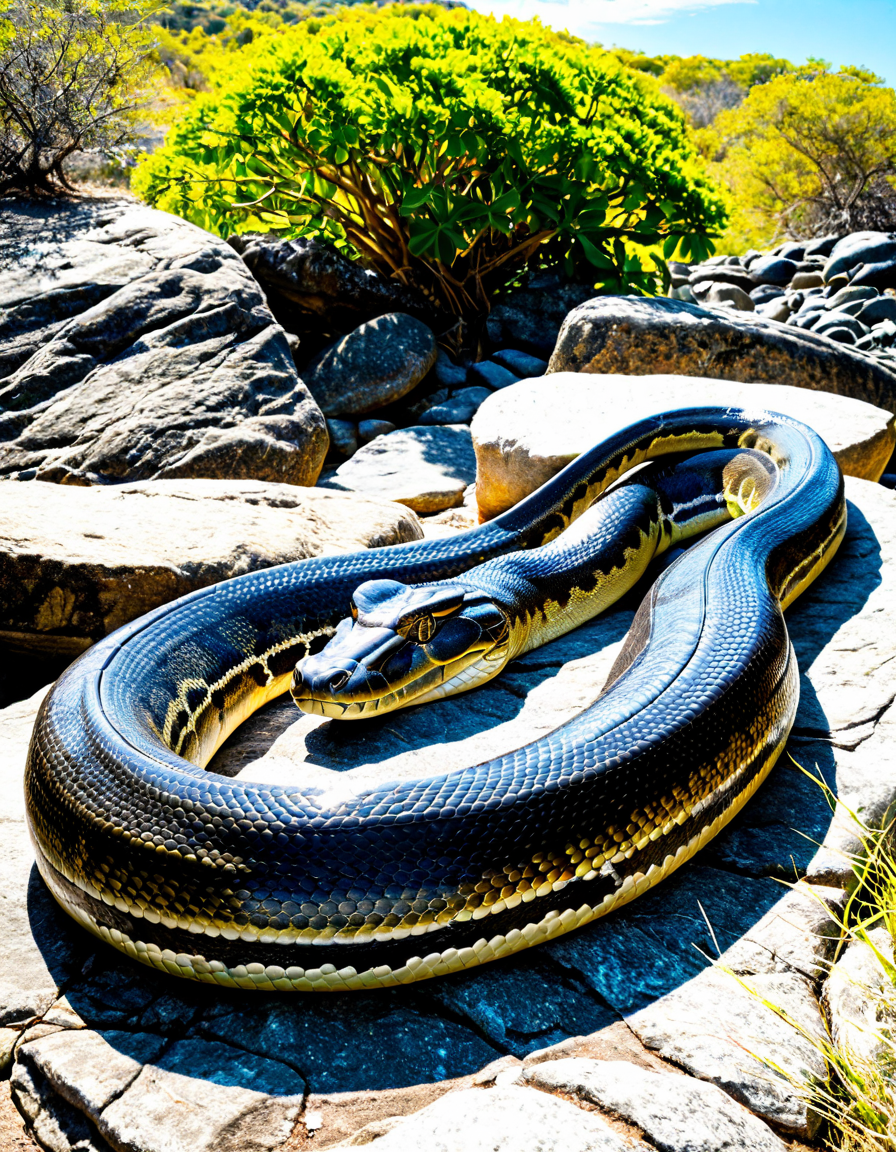
Beyond the edge of scientific inquiry, titanoboa’s intriguing persona has found its way into popular culture. This prehistoric killer has inspired documentaries, films, and merchandise, creating a blend of myth and reality that captivates audiences everywhere. Productions like the Smithsonian Channel’s “Titanoboa: Monster Snake” have scaled its legacy higher, dramatizing its awe-inspiring attributes while informing viewers about its historical significance.
Titanoboa serves as a reminder of nature’s grandeur and reminds us that strength comes in various forms—something we can all incorporate into our workout mindset.
The Future of Titanoboa Research: New Discoveries Ahead
Research surrounding titanoboa is constantly progressing. The introduction of cutting-edge techniques in paleobiology shining a light on its mysteries has sparked excitement. Techniques like radiographic imaging open up platforms once thought impossible, allowing for deeper explorations into titanoboa’s life, longevity, and ecological impact.
The titanoboa’s legacy lives on, not just through the fossils but through the ongoing curiosity it fuels. Just as you crush your fitness goals by staying informed, researchers continue seeking answers and unraveling ancient mysteries.
Wrapping Up the Titanoboa Legacy
Titanoboa, the titan of the prehistoric world, captivates our imaginations and delves deep into the archives of our planet’s history. This magnificent serpent—as awe-inspiring as some of today’s fitness icons like Danai Gurira or characters like Nezha—plays a vital role not only in its ancient ecosystems but also within the cultural fabric of our society.
As we look to the future, new technologies and research methods promise to keep titanoboa a hot topic for years to come. Its place in popular culture continues to inspire, urging everyone—from fitness enthusiasts to astute historians—to explore the vastness of our collective past.
Embrace the legacy of titanoboa. Just like the giant serpent, you too can dominate your ecosystems and reach new heights. Whether you’re aiming for shredded abs or powerful biceps, remember that every journey is about progress and adaptation. Keep hustling, and let the spirit of titanoboa fuel your quest for greatness!
Titanoboa: The Giant Snake That Dominated Prehistoric Time
Interesting Trivia About Titanoboa
Did you know that the titanoboa wasn’t just big; it was spectacularly massive? This colossal snake, which lived roughly 60 million years ago, measured up to 42 feet long, weighing in at around 2,500 pounds! To put that into perspective, imagine a modern-day anaconda but with even more length. These creatures existed after the dinosaurs, making them some of the last giants of the prehistoric scene. Kind of like how the character Peter Falk captured audiences with his intriguing presence, titanoboa captivated a rich ecosystem. It thrived in the lush rainforest of what is now Colombia, feasting on large prey, including crocodiles and even smaller dinosaurs.
Now, if titanoboa was a character in a show, it would likely fit right into a fantasy saga like Fate: The Winx Saga. Its size and predatory prowess would make it a formidable force! Some scientists believe that the titanoboa could hunt using highly sophisticated techniques, wrapping around its prey, much like the dramatic plots unfolding in captivating tales. The environment it called home was warm and humid, creating a climate perfect for this enormous snake to thrive.
As fascinating as its hunting habits are, titanoboa has also intrigued the scientific community. The discovery of its fossils has led to discussions about climate change throughout history. Just as the Mueller Settlement amazon case sheds light on environmental concerns today, studies of the titanoboa reveal how ancient species coped with their surroundings. Plus, their fossils provide insight into how diverse prehistoric ecosystems functioned, allowing researchers to piece together a larger picture of Earth’s past.
And for those who love gaming, imagine titanoboa in a survival horror game akin to Danganronpa. The sheer scale and fear factor would certainly enhance the gameplay experience! Beyond its size, it continues to inspire a wealth of scientific inquiry and pop culture references. It’s almost like the snake could star in its own mysterious series similar to the Backroom Casting Couch, revealing layers of intrigue and suspense about its life. Titanoboa not only dominated its environment but still captivates imaginations today with its immense and enigmatic legacy.