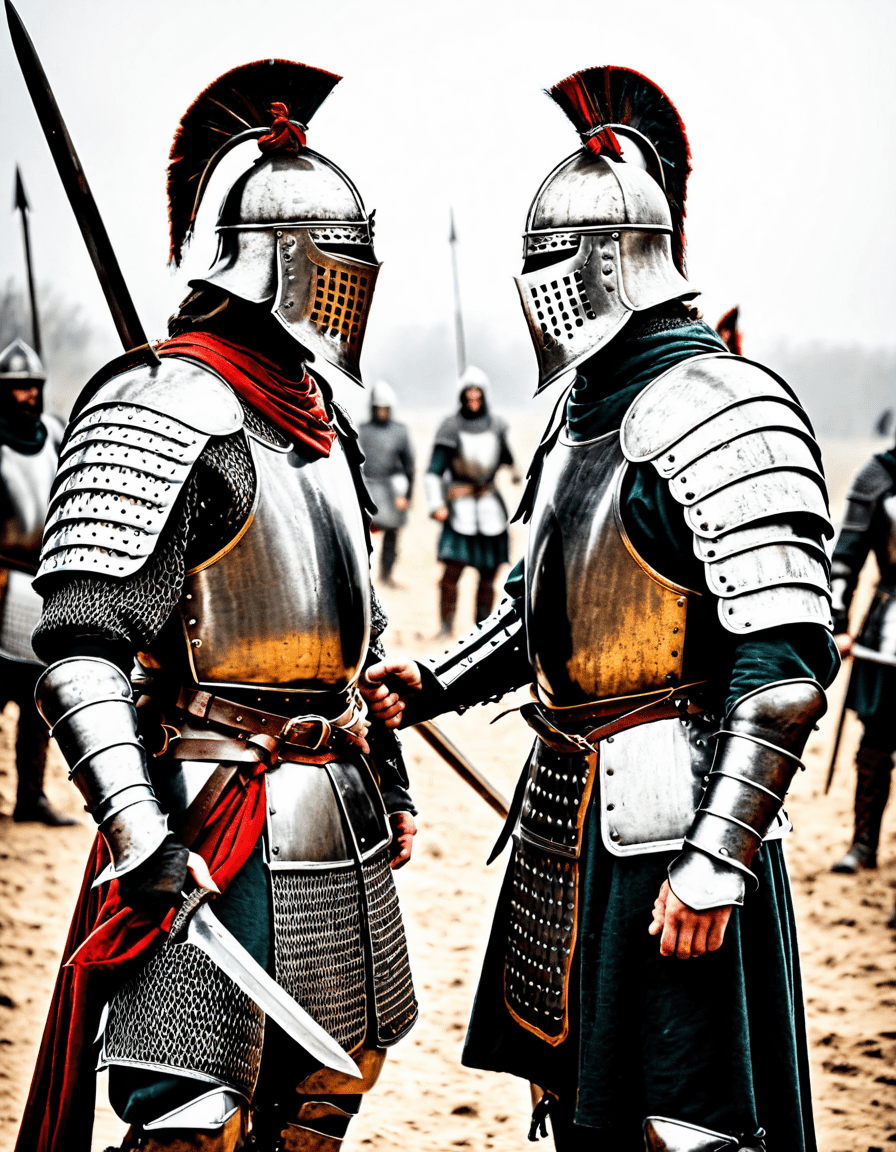
Betrayal is one of human history’s most gripping themes. Traitors, often labeled as sinners, have left devastating marks on civilizations, political landscapes, and social structures. Their actions can spark wars, topple empires, or create societal movements that reshape histories. With clear intent and sometimes selfish motives, these individuals have altered the paths of nations and the lives of countless people. Let’s dive into the shady world of treachery, exploring how those we least expect can change the course of history with shocking betrayals.
1. The Anatomy of Betrayal: Understanding the Role of Traitors in History
At its core, betrayal is a betrayal of trust. A friend, a confidant, a comrade—these are the people who stand by you, only to stab you in the back at the most unexpected times. Traitors exhibit a complex blend of motives, ranging from greed and ambition to personal grievances and political objectives. Their actions challenge our understanding of loyalty and morality; after all, the sinner can sometimes paint themselves as the hero.
When we dig into the historical implications of betrayal, it becomes clear that these acts are often born from tumultuous circumstances. Historical narratives thrumming with betrayal teach crucial lessons about the fragility of trust and the unpredictable nature of allegiance. Recognizing the human behaviors tied to traitors can help frame our understanding of loyalty, integrity, and the motivations lurking just beneath the surface.
The betrayal narrative spans centuries; fastening the core themes of loyalty and treachery into our social and political constructs. Let’s look at seven of the most influential figures who betrayed their own, echoing the complexities of human behavior across time.

2. Top 7 Traitors Who Altered the Course of Events
2.1. Judas Iscariot: The Archetypal Traitor
Judas Iscariot is the quintessential traitor, forever woven into our cultural fabric. For just thirty pieces of silver, he handed over Jesus Christ, marking one of the most profound betrayals in history. This act didn’t just end a life; it kickstarted a spiritual revolution. His treacherous actions cast a long shadow over themes of sin and redemption, compelling us to grapple with the very essence of human loyalty.
This betrayal reshaped the foundation of Christianity, leading others to contemplate the nature of guilt and the potential for redemption. Sinners like Judas provoke thought about what drives an individual to forsake their core values in exchange for fleeting gains.
2.2. Benedict Arnold: The Most Notorious Traitor in American History
Next up is General Benedict Arnold, a hero of the American Revolutionary War turned villain. Initially celebrated for his bravery, he crossed lines that would forever tarnish his name, switching sides and aligning with British forces. Arnold’s motivations—political frustration and personal grievances—underscore the pitfalls of disloyalty.
Why does someone betray their own nation? Arnold’s choices make us consider how ambition and personal conflict can push individuals toward treachery. The fallout from his actions raised alarms about loyalty and the fragility of trust among comrades. His legacy continues to spark debate on the ethics of betrayal in warfare.
2.3. Guy Fawkes: A Rebel or a Sinner?
Guy Fawkes, marked as a traitor for his role in the failed Gunpowder Plot, aimed to assassinate King James I. His motive? An attempt to restore a Catholic monarchy in a buy-back maneuver against perceived oppression. Fawkes’ extreme actions had a lasting effect, igniting tensions between Catholics and Protestants.
His attempt not only led to harsh repercussions for the entire Catholic community but also demonstrates the ripple effect of betrayal on societal relations. Fawkes embodies the question: are rebels always traitors, or do their actions stem from a higher moral cause?
2.4. Brutus: The Friend Who Betrayed Caesar
Marcus Brutus, a revered figure in history, played a gut-wrenching role in the murder of Julius Caesar. Though a close friend, he believed that his allegiance to Rome outweighed his bond with Caesar. This intertwining of friendship and enmity formed a paradox of loyalty, where betrayal appeared honorable.
Brutality, it seems, can emerge from places of friendship, leaving deeper scars. Sinners who act with a moral compass can still reshape the world through their choices, reminding us that impact isn’t directly tied to intent.
2.5. Aldrich Ames: Espionage Traitor during the Cold War
Fast forward to the Cold War era, where Aldrich Ames, a former CIA officer, compromised countless lives by spying for the Soviet Union. His betrayal came from a mix of greed and ideology, revealing vulnerabilities that national security entities strive to address. His actions led to dire consequences, including the exposures and executions of many agents.
Ames’ case teaches us about the dark side of espionage and the personal conflicts that can propel someone into treachery. Loyalty in the world of espionage often hangs by a thread, and betrayal can have life-or-death implications.
2.6. Edward Snowden: The Contemporary Sinner with a Cause
Edward Snowden rocked the world when he released classified documents about the NSA’s surveillance programs. Labelled a traitor by some and a whistleblower by others, Snowden’s actions prompted debates about privacy and ethics. Is he a sinner, or is he a hero shedding light on governmental overreach?
Snowden’s saga illustrates the blurred lines surrounding modern-day betrayal, where revealing truths clashes with loyalty to the state. His story raises vital questions about accountability and transparency in a digital age.
2.7. Mark Felt: The Deep Throat Who Brought Down a President
Lastly, we have Mark Felt, famously known as ‘Deep Throat,’ who exposed the Watergate scandal, leading to President Richard Nixon’s resignation. His anonymity safeguarded him, yet it painted a striking picture of betrayal. Instead of aligning with the administration, Felt chose to support journalistic integrity by revealing corruption from within.
This act serves as a powerful reminder: traitors can sometimes be the force that corrects course, challenging governance and demanding accountability. Felt’s journey leads us to understand how betrayal can operate within moral gray areas, impacting the fabric of democracy.
The Unyielding Legacy of Traitors in History
The legacies of these traitors—Judas Iscariot, Benedict Arnold, Guy Fawkes, Marcus Brutus, Aldrich Ames, Edward Snowden, and Mark Felt—exemplify betrayal’s complex nature, woven into political and personal narratives. Their actions challenge us to reconsider our perceptions of loyalty and treachery.
As we analyze these historical figures, it becomes evident that their betrayals forged new pathways in human history, echoing through decades and often posing more questions than answers. Navigating this landscape of trust, allegiance, and sinners reveals much about the human condition.
So as we reflect on these figures, let’s use their stories as powerful motivation for our own journeys. After all, while their actions may have marred history, the lessons learned can inspire us to be champions of loyalty and integrity. Get out there, aim for your own goals, and build a legacy that others will remember—free from the shadows of betrayal and full of honor and courage.
Traitors Who Changed History: The Infamy of Traitors
A History of Betrayal
Traitors have cast long shadows throughout history, leaving their mark on various cultures and countries. For instance, Benedict Arnold’s betrayal during the American Revolutionary War is infamous—not just because he turned against his country but because he was once a celebrated war hero. In a similar vein, Brutus, who was close to Julius Caesar, shocked the Roman world by participating in his assassination, illustrating a sense of loyalty that turned toxic. Speaking of betrayals, Jimi Hendrix faced challenges of his own in the music scene, where even close friends sometimes turned on each other over disputes. It’s fascinating how traitors reveal deep cracks within human connection while altering the course of history.
The Psychology Behind Traitors
Why do some people become traitors? The motivation often lies in greed, power, or ideology. For example, some speculate that Mike Huckabee, known for his political career and media presence, might have insights into how these motivations can disrupt even the best of intentions. Similarly, in television, the characters in the Andy Griffith show often found themselves navigating moral dilemmas that highlight the complexities of human behavior, like loyalty versus personal gain. Adding to this mix, actors stepping into villainous roles often delve deep into the psyche of deceit, drawing inspiration from historical figures.
Modern Perspectives on Betrayal
Today, the concept of betrayal isn’t only limited to grand political plots but extends to our everyday lives as well. Take, for instance, how modern social issues can feel like betrayals—issues like the societal impacts of the L’Oréal Foundation, which work to empower people, might be undermined by short-term betrayals at personal levels. Plus, the impact of social media in our lives resembles a double-edged sword, and as Homer Simpson would say in his moment of contemplation,Do it for her, emphasizing the personal motivations behind many actions. In sports too, betrayals can be significant; a player transferring teams can feel like a betrayal to loyal fans, much like the Atlanta Hawks vs. Washington Wizards rivalry where stats reflect the fallout of such decisions.
In summary, traitors do more than just alter their own paths—they can redefine social structures, reshape relationships, and challenge our understanding of trust within society. Whether through shocking acts of betrayal in history or everyday life, the stories of traitors remind us of the thin line between loyalty and treachery.