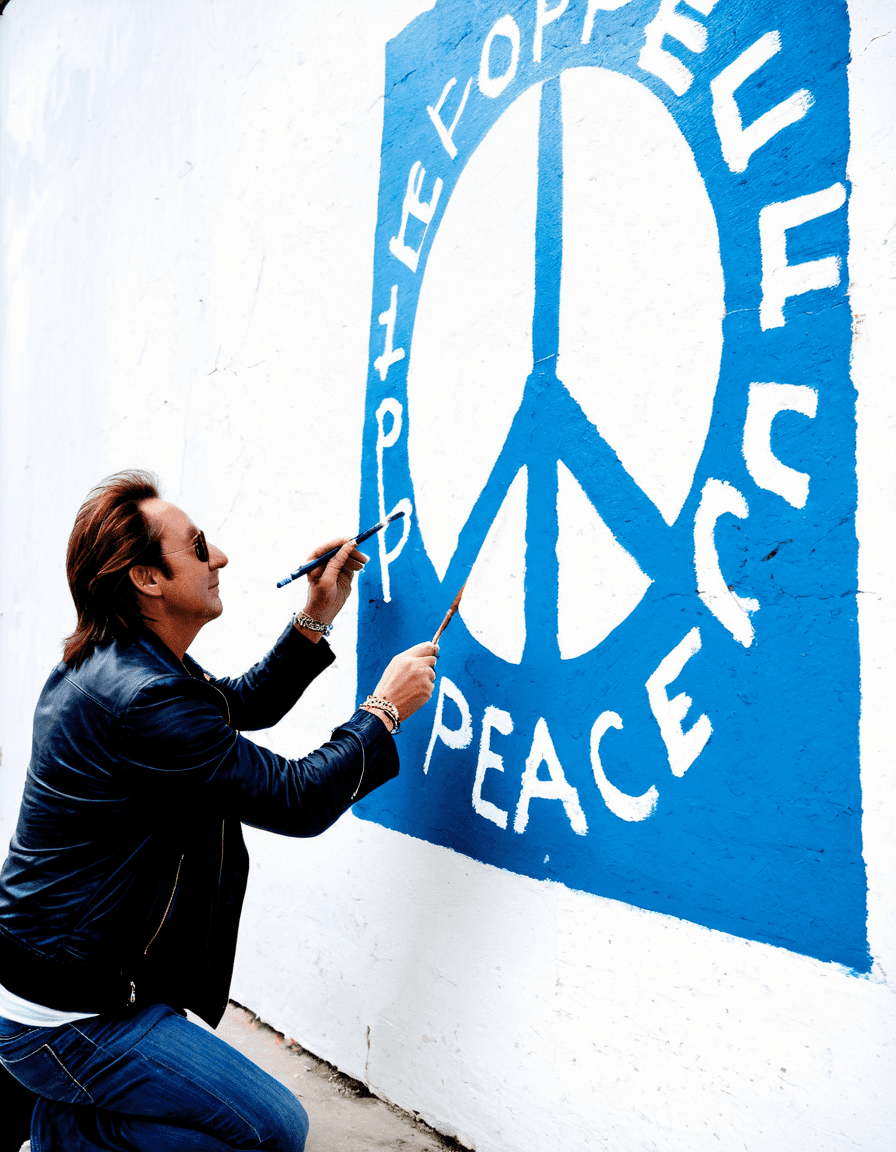
The Journey of Tyga: From Aspirant to Icon
Tyga, born Michael Ray Nguyen-Stevenson, didn’t just stumble into the music scene; he forged his path with a relentless passion for hip-hop culture. Growing up in the gritty streets of Compton, California, Tyga faced numerous challenges that shaped his music and persona. The vibrant community around him, filled with both inspiration and adversity, laid the groundwork for his future successes.
His upbringing provided not just a backdrop but deep insight into the pulse of hip-hop, making him relatable to the very culture he celebrated. From skateboarding in the neighborhood to freestyling in local cyphers, Tyga incorporated those formative experiences into his artistry. They say the environment shapes the artist, and for Tyga, this couldn’t be truer. His story resonates with fans because it embodies the essence of overcoming struggles to achieve dreams—a crucial theme in the hip-hop world.
As he navigated through the early years, Tyga crafted a distinct style that highlighted his love for both rap music and vibrant fashion. He took notes from the legends before him while also adding his flavor, demonstrating that he was not just another rapper but rather a significant player in the hip-hop game. With that early dedication and creativity, Tyga laid the foundation for his ride to stardom.
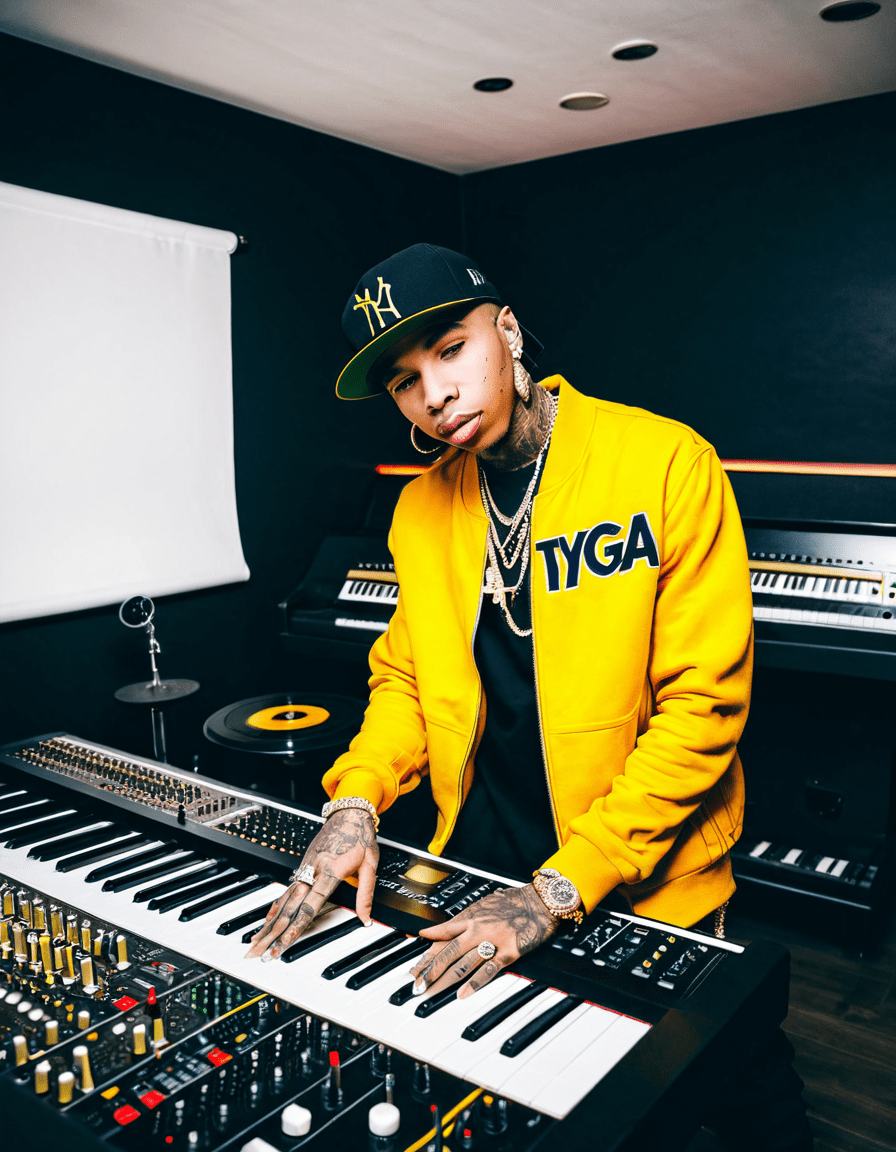
Top 5 Milestones in Tyga’s Career and Cultural Influence
1. The Breakthrough with “Rack City”
Tyga’s breakout hit, “Rack City,” released in 2011, transformed him from an aspiring artist to a household name. This anthem wasn’t just a song; it was a declaration of his arrival in the hip-hop scene. Peaking at number 7 on the Billboard Hot 100, it paved the way for Tyga’s unique blend of catchy beats and clever lyrics to become the hallmark of his style.
The cultural influence of “Rack City” extended far beyond the charts. It birthed merchandise collaborations and urban slang, with phrases creeping into everyday vernacular. Tyga’s ability to craft relatable yet vibrant lyrics allowed fans to connect deeply, making this single a perfect example of an apt meaning of hip-hop’s ability to mirror society.
2. Establishing the Last Kings Brand
Tyga reached new heights when he ventured into entrepreneurship with Last Kings, his clothing line. This brand didn’t just showcase fashionable streetwear but also embodied Tyga’s perspective on luxury mixed with urban culture. By creatively blending street elements with high-end fashion, Tyga redefined standards and showcased an important aspect of hip-hop: representation through style.
His line became a movement, urging fans to express their identities through the clothes they wear. Collaborations with various artists and influencers highlighted how Tyga’s choices expanded the realm of hip-hop fashion. As Tyga continued to rise, he made it clear that fashion could be a storyteller in its own right.
3. Collaborations with A-List Musicians
Tyga’s stellar career is marked by collaborations with industry icons like Drake on “The Motto” and Chris Brown on “Deuces.” These partnerships showcased not only his versatility in music but also highlighted the collaborative spirit of hip-hop—a culture that thrives on unity and creativity. Each track forged a stronger connection with diverse audiences, pushing both Tyga and his collaborators to new heights.
This blending of talents reflects an evolving genre where creativity isn’t confined but rather thrives. Tyga’s collaborations demonstrate that within hip-hop, sharing the spotlight enhances the overall culture. Working alongside other artists, he solidifies the apt meaning of community and mutual empowerment, essential to the hip-hop narrative.
4. The Influence of His Flamboyant Lifestyle
Tyga’s lifestyle, replete with glamour and controversy, illustrates a significant aspect of modern hip-hop culture. From opulent social media posts to high-profile relationships, Tyga embodies the contemporary hip-hop narrative of success intertwined with vulnerability. His daily life often serves as a commentary on fame, resulting in discussions about what authenticity looks like in the industry.
The flashing lights and red carpets of Tyga’s world spark interest, leading some to question the authenticity behind the glitz. Yet, it’s this complex relationship with wealth that captures a crucial element of hip-hop culture—the interplay of success and transparency. His escapades become not just entertainment but a reflection on choices and their consequences, emphasizing that the apt meaning behind the lifestyle is multifaceted.
5. Paving the Way for Future Artists
As a central member of Young Money Entertainment, Tyga has significantly impacted the careers of budding artists like Lil Twist and Plot. He openly mentors upcoming talents, highlighting the communal aspect of hip-hop where seasoned artists help pave the way for newer voices. This underscores an essential principle in the hip-hop industry: collaboration breeds growth.
Tyga’s commitment to fostering the next generation captures the essence of mentorship, demonstrating that the hip-hop culture is more than competitive; it’s about building a legacy. Through his initiatives, Tyga proves that helping others rise can lead to collective success, resonating deeply with the apt meaning of community that exists within the genre.
The Evolution of Hip-Hop Aesthetics: Tyga and Beyond
Examining Tyga’s influence on hip-hop reveals a broader trend in fashion, branding, and music. His personal style has shifted from a hardcore rap aesthetic to a more commercial sound that resonates with diverse audiences. This evolution isn’t just about adaptation; it’s a reflection of how hip-hop continues to transform while retaining its core elements.
Tyga’s ability to evolve reflects a savvy understanding of industry shifts. It shows how an artist can maintain relevance while exploring new creative avenues. His impact extends beyond just his music, inspiring fashion trends and new artists to push boundaries.
Cultural Commentary through Music Videos
Tyga’s music videos function as more than visual representations; they often deliver poignant commentaries on lifestyle and society. For instance, his video for “Taste” encapsulates the aspirations tied to wealth and success, presenting a juxtaposition between material gain and personal relationships. This duality stimulates discussions on what success truly signifies, urging viewers to contemplate beyond the glittering exterior.
Through striking visuals and storytelling, Tyga navigates complex topics, offering insights into the human experience. His artistic choices elevate hip-hop to a platform for cultural dialogue—both a celebration and a critique of its realities.
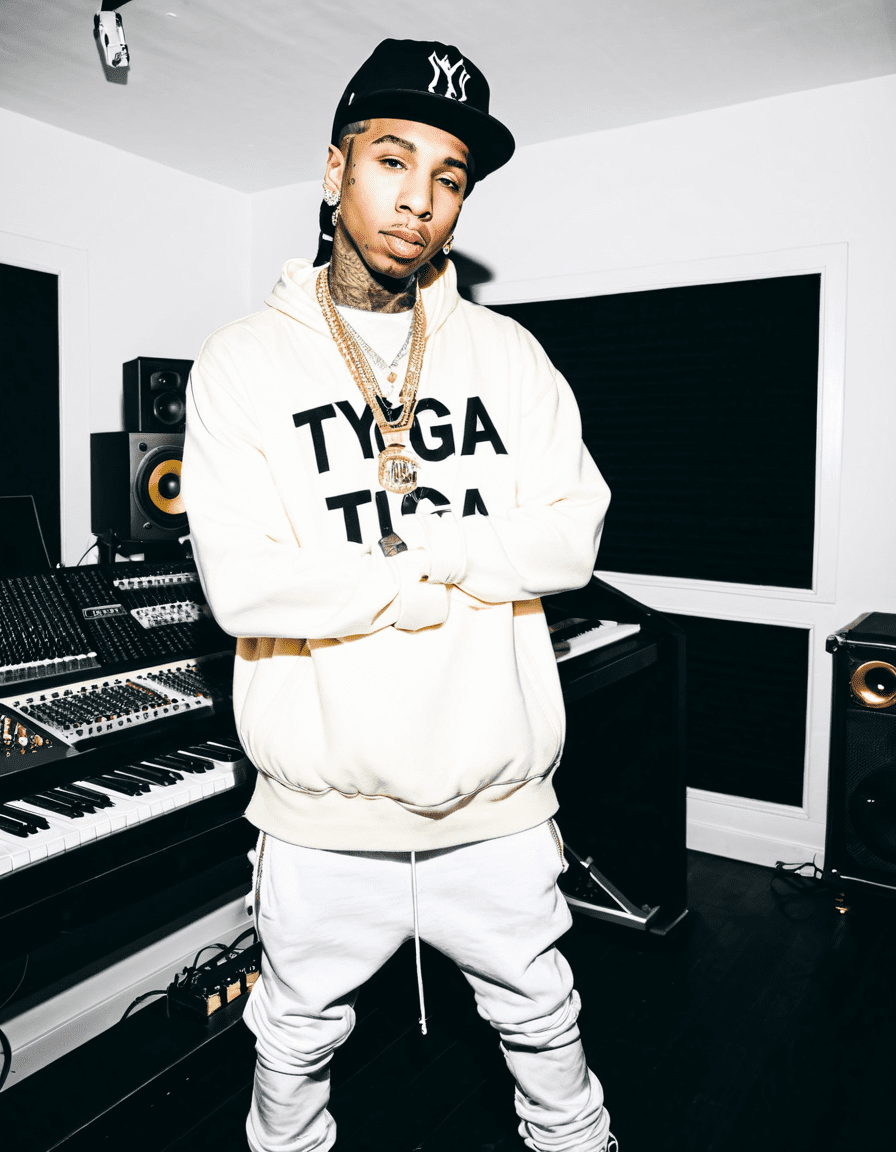
Tyga’s Next Chapter: Prospects for the Future
As we step into 2026, Tyga continues to innovate, blending music with technology. His recent ventures into digital collectibles and NFT music releases showcase his foresight in adapting to the future landscape of the industry. This ability to interweave technology with music indicates a trend many artists may soon follow, ensuring his influence remains firm in hip-hop culture.
Tyga’s journey is not merely about music; it’s a testament to resilience, creativity, and the art of reinvention. It illustrates the dynamic nature of hip-hop, highlighting that one artist can spark meaningful change within the community. His impact goes beyond entertainment; it extends into fashion and social commentary, showing that hip-hop is a living, breathing entity.
In conclusion, Tyga embodies the spirit of hip-hop—his work resonates on multiple levels, encouraging both young artists and fans alike. As he continues shaping his narrative, he reinforces the cultural significance of hip-hop, inspiring future generations to carve their paths and elevate the genre further.
Tyga: The Journey of a Hip-Hop Icon
Early Beginnings and Breakthroughs
Did you know Tyga’s real name is Michael Ray Nguyen-Stevenson? Born in 1989 to a Jamaican father and a Vietnamese mother, Tyga’s multicultural background influenced his musical style, allowing him to blend various genres seamlessly. Starting out in the hip-hop scene, he gained traction through his connection to the Young Money label, which also launched the careers of artists like Drake. It’s a bit like winning the lottery—sometimes, you just need the right ticket. By the time he released his hit “Rack City,” it was clear he had struck gold. Interestingly, his early influences included big names like Anuel AA, indicating he was always tuned in to what was innovative.
Fun Fact Frenzy
Now here’s a sprinkle of fun trivia! Tyga is known for his lavish lifestyle, but one of his lesser-known ventures includes a passion for home improvement. That’s right! He’s been quoted about how home improvement Grants can enhance property value, and he seems to dive into his renovations as deeply as he does into his musical projects. Also, while Tyga is often compared to figures like Nicholas Cage for their over-the-top personas, he’s carved out his unique identity in hip-hop, staying true to his roots. Plus, if you’ve ever jammed to “Taste, you might be surprised to learn that it’s inspired by the trends set by contemporaries and even rooted in cultural phenomena like Fat Tuesday.
The Family Tie
Speaking of family ties, Tyga is famously linked to Landon Barker, the son of fellow artist Travis Barker. Their relationship highlights the intertwining paths artists take in this industry, blending family and music. Did you know that Tyga got a tattoo of a character named Bluto, believing it symbolizes strength and resilience? It’s a perfect representation of how he’s battled adversity throughout his career. And finally, his involvement in charitable acts connects with the philosophy of helping out the Pulga communities—proving that he’s not all about the spotlight. His rise wasn’t just about making music; it’s about making a difference, too.
As Tyga continues to evolve as an artist, he remains a significant figure in hip-hop culture, paving the way for future generations. His ability to adapt and grow keeps fans engaged, proving that in this industry, you gotta stay sharp to keep that edge.