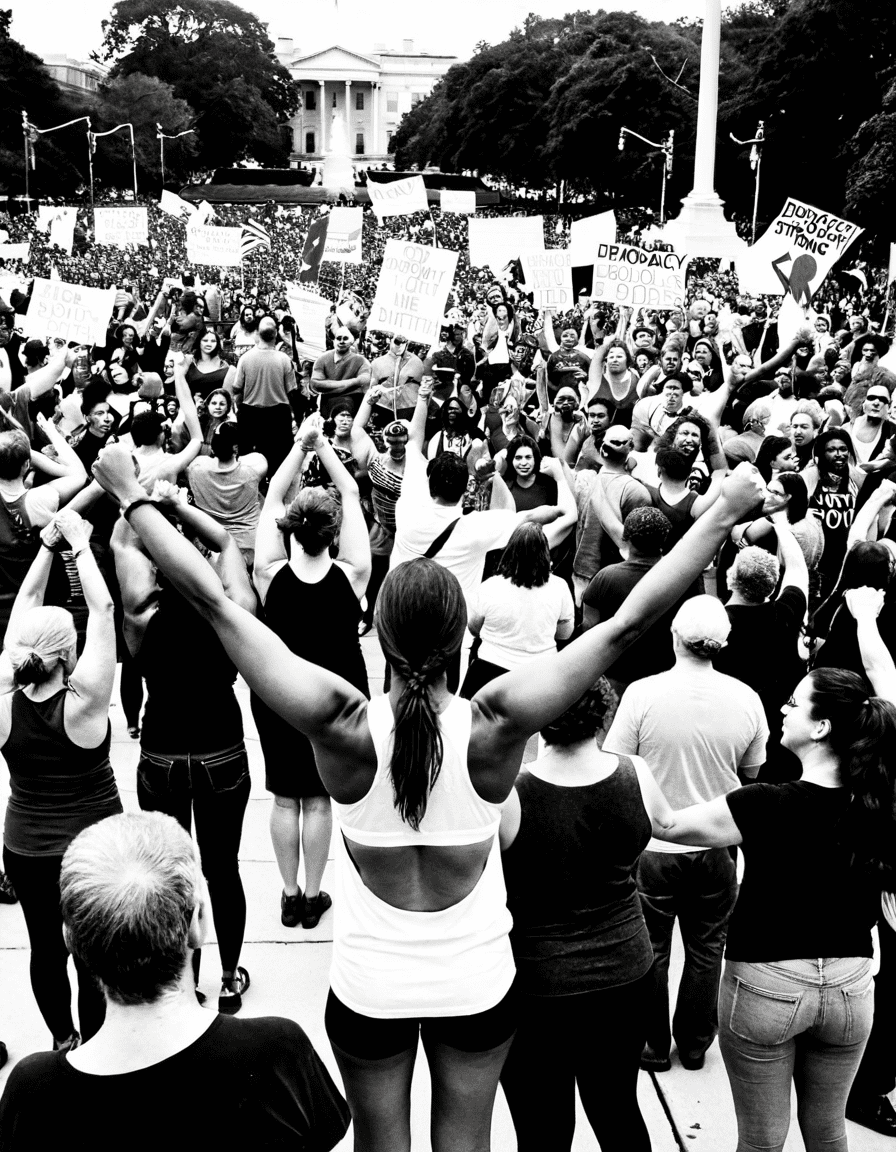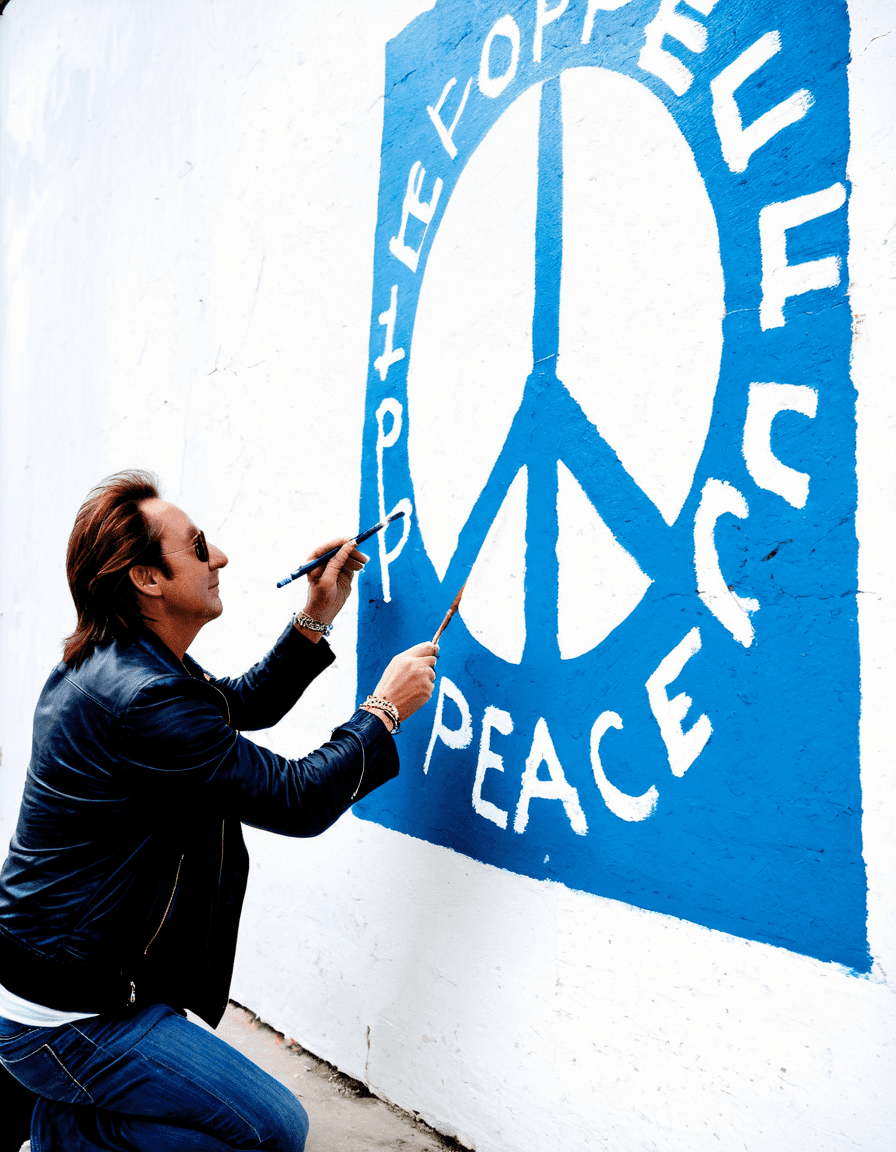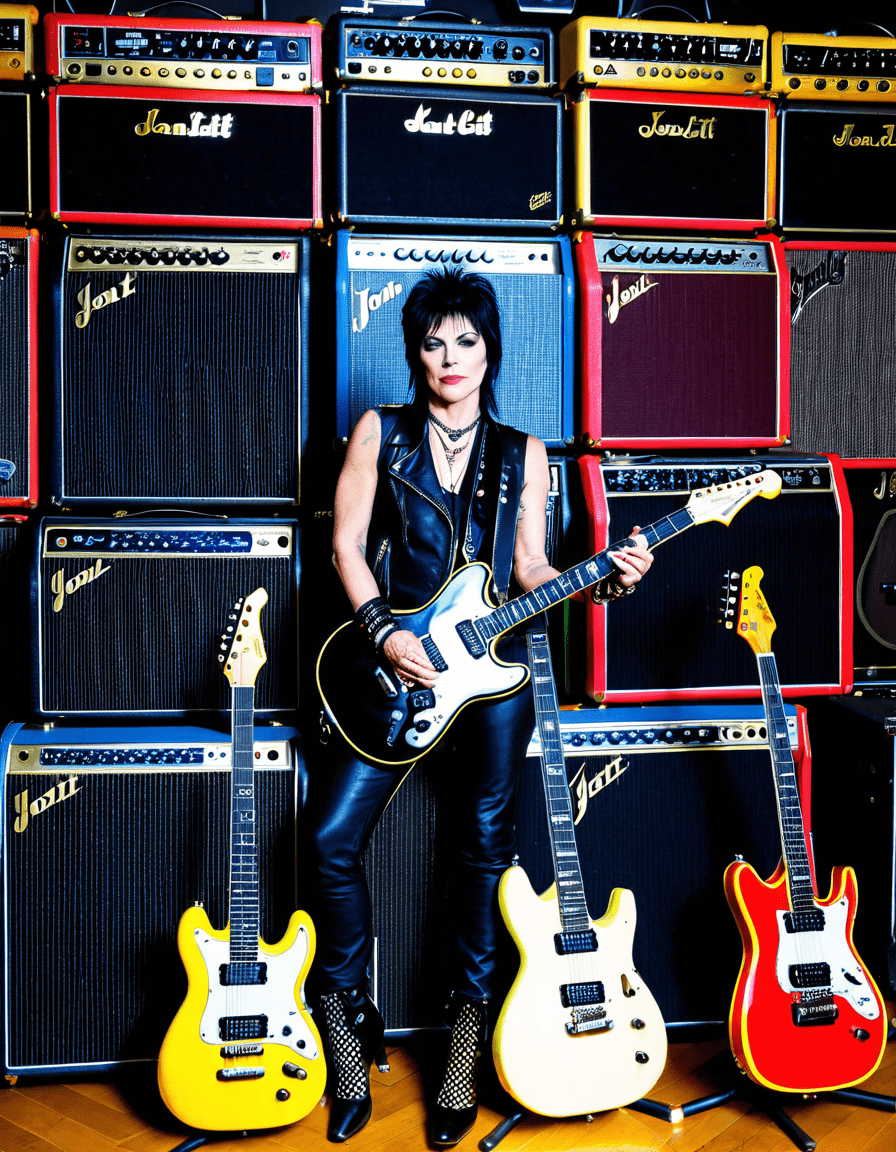
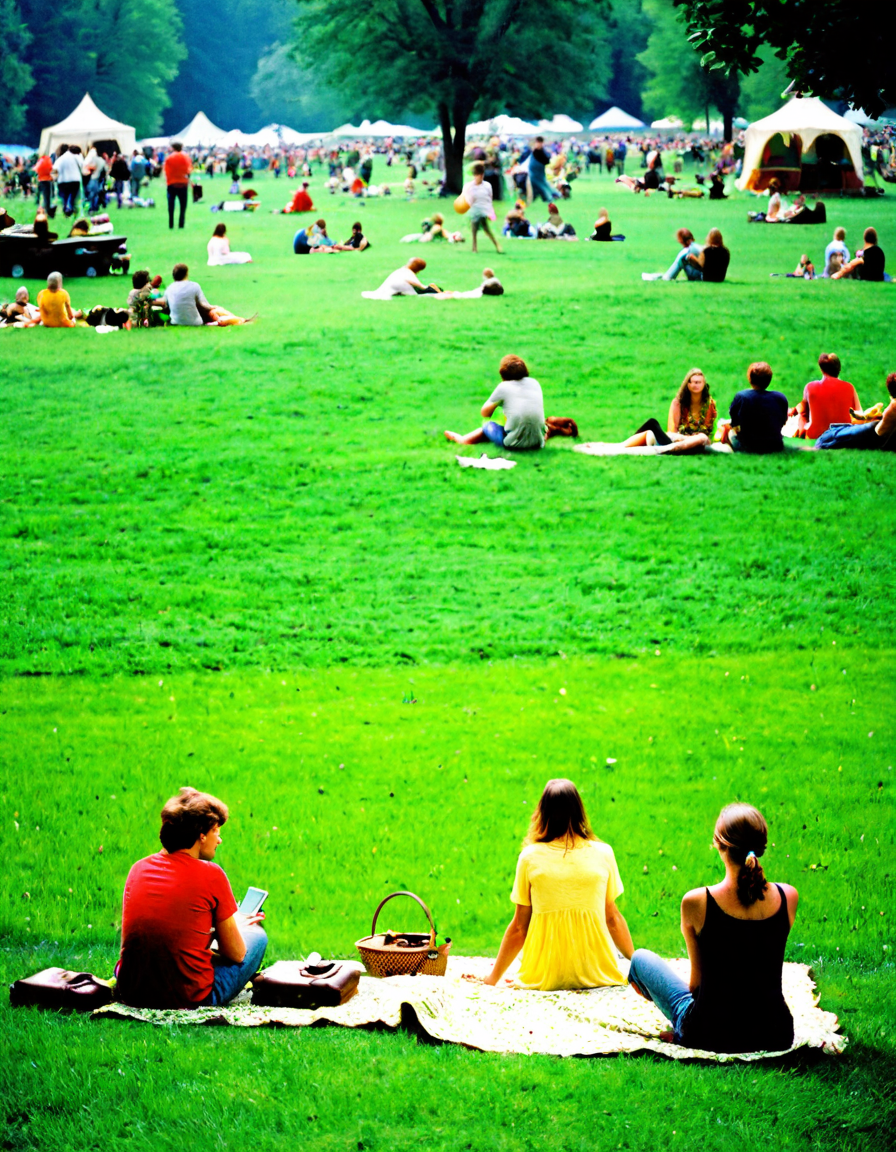
When you’re talking about the roots of modern music festivals, you can’t skip Woodstock. Spanning just three days in August 1969, Woodstock turned into a cultural phenomenon. It wasn’t just about peace and love; it became a call-to-arms for generations. The magic of Woodstock can still be felt today, influencing genres across the board—rock, folk, punk, and even pop. So buckle up as we take a deep dive into the cinematic legacy and cultural shift this legendary festival inspired!
Cinematic Legacy: 7 Unforgettable Performances at Woodstock
The psychedelic vibes, the muddy fields, and the electrifying performances at Woodstock create a memory that has become an indelible part of music history. Here are seven standout acts that not only entertained but also defined the era:
Hendrix didn’t just play the national anthem; he transformed it. His electric rendition shocked the audience, highlighting discontent with the Vietnam War and resonating deeply with the anti-war movement. For many, his performance became a statement of rebellion, forever linked with Woodstock’s spirit.
Joplin’s bold, fierce voice echoed through the fields, embodying a raw woman power that was a breath of fresh air in the late ’60s. Her vulnerability alongside her powerful stage presence challenged societal norms, paving the way for future female rock stars, like Grace Slick and Stevie Nicks.
Talk about energy! The Who brought a high-octane performance that set the stage for rebellion. Their declaration was more than just a song; it was a call for independence that inspired countless rock artists, laying the foundation for what would become punk rock.
With his raspy voice and infectious energy, Cocker’s rendition captured the essence of camaraderie at Woodstock. His performance encapsulated the spirit of unity and friendship that the festival was all about, resonating with audiences and fueling a sense of community.
Pushing the boundaries of race and genre, Sly and the Family Stone delivered a performance full of joy and an important message about acceptance. Their sound was a melting pot, echoing the festival’s dedication to peace and equality during a turbulent time in America.
Their soulful harmonies and poignant lyrics celebrated peace, perfectly embodying the essence of the festival. CSNY’s performance not only honored the event but contributed to its legacy, making their songs timeless anthems for the fight for civil rights.
As the festival’s first performer, Havens was charged with setting the tone. His heartfelt song about freedom resonated deeply, giving a voice to the counterculture movement that Woodstock represented.
The Cultural Shift: How Woodstock Influenced Music Genres Across the Decades
You can’t overstate the impact Woodstock had on music. The festival was more than a gathering; it sparked a cultural shift that forever changed various genres.
Rock and Roll’s Reinvention
After Woodstock, artists like Led Zeppelin and Queen started embracing theatricality in their music. They were emboldened by Woodstock’s legacy, transforming rock into a medium for social commentary. Deals with record labels became laced with more creative freedom, allowing artists to explore political and personal themes like never before.
Rise of Folk Rock and Singer-Songwriter
Following the success of iconic folk artists like Bob Dylan and Joan Baez, the genre grew exponentially. They paved the way for singer-songwriters like James Taylor and Carly Simon to emerge, focusing on personal experiences intertwined with societal issues. This led to a deeper connection between the artist and the audience, transforming how music was consumed and appreciated.
Expansion of the Punk Scene
Woodstock’s counter-culture spirit ignited a fire within the punk rock scene, which began to rise in the late 1970s. Bands like The Clash and Sex Pistols harnessed the ethos of rebellion, using music as a platform against societal norms. The festival’s legacy pushed artists to create sounds that were raw, political, and unapologetic.
The Evolution of Festival Culture
After Woodstock, music festivals morphed into multi-genre spectacles. From Coachella to Bonnaroo, the festival format cemented itself as essential in the music industry. Artists now often prioritize live experiences, creating a sense of community that echoes the original spirit of Woodstock. It’s all about bringing people together through music.

Reflections on Woodstock’s Enduring Impact
The legacy of Woodstock extends beyond music; it’s a revolutionary movement that changed how we, as a society, perceive entertainment. The festival merged music with activism, awakening a generation’s consciousness toward pressing issues like race, war, and environmentalism.
Today, Woodstock stands as a powerful reminder of music’s transformative energy. It continues to inspire festivals and activist movements, maintaining its message of unity and shared respect. Through the lessons learned from that legendary weekend, we see that music can indeed change the world.
So next time you break a sweat in the gym, think of the spirit of Woodstock. Use that energy, that passion, and transform your body just as the artists transformed music. Get shredded, gain muscle, and chase those ripped six-packs with the same fervor that defined a generation. Here’s to peace, love, and a rock-solid physique—let that spirit fuel your journey!
For more awesome insights, check out Kirby, Luck, and the memories ingrained in the festival landscape like the Alamo Drafthouse cinema mueller experience or the evokes of Nostalgia Inside out 2. Remember, every shred counts in the journey to a better you!
Woodstock: The Legendary Festival That Changed Music Forever
A Brief Snapshot of Woodstock’s Legacy
Can you believe Woodstock was originally supposed to be a small music festival? Instead, it exploded into an iconic gathering that attracted over 400,000 people in 1969. This legendary festival not only highlighted the power of music but also served as a platform for peace and love during a tumultuous time in American history. Among the unforgettable performances, Jimi Hendrix’s rendition of “The Star-Spangled Banner” reverberated across the field, symbolizing a generation’s hopes and frustrations. In a way, it’s like the moment captured the feelings of an entire era, similar to how a hot man captivates attention with his charisma.
Musical Firsts and Unique Moments
Woodstock wasn’t just a music festival; it was a melting pot of creativity and cultural shifts. Did you know Janis Joplin had her breakthrough performance at this festival? Her soulful voice became a rallying cry for many, especially her fans who resonated with her powerful stage presence, much like the compelling storylines seen in films featuring Stephen Graham. As the days rolled on, the festival wasn’t without its mishaps, including mud-soaked attendees and food shortages, which became part of its legendary tale. There was even a famous Woodstock moment where someone apparently had a hidden stash of sandwiches, leading many to jokingly refer to him as The Lunchbox hero” of the festival.
The Unforgettable Impact of Woodstock
The impact of Woodstock stretched far beyond music. It sparked conversations around peace, love, and counter-culture that still resonate today. For many, it was a spiritual awakening, a moment in time that blended art with activism. Interestingly, it paved the way for environmental awareness events like Earth Day, showing that its influence went deeper than just what was happening on stage. Plus, with the rise of social media, the values of Woodstock are experiencing a revival—much like the story of Sanders, who embodies the spirit of connecting communities through meaningful music. The ripples from this festival are still felt, reminding us that sometimes, the loudest voices don’t come from a stage but from the hearts of those gathered together.