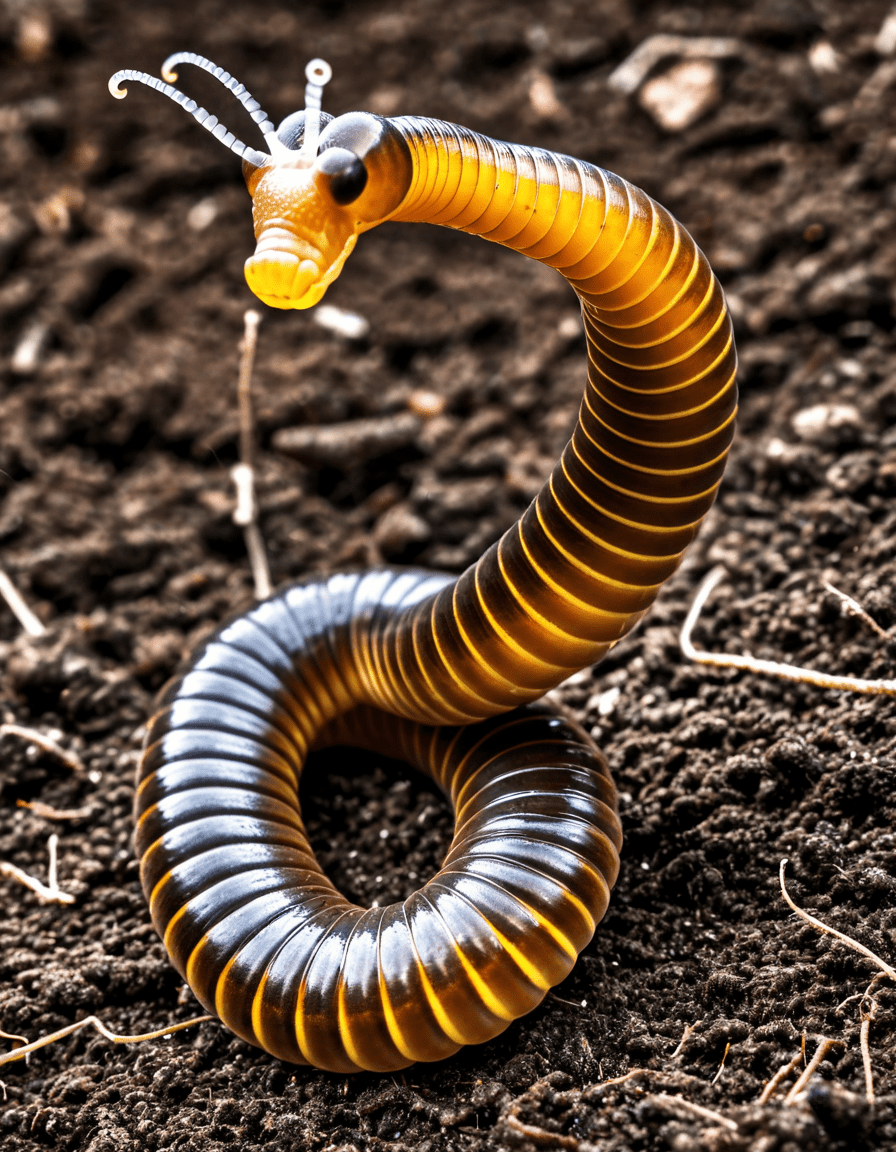
Worms might seem like insignificant little critters, but don’t let their size fool ya! These creatures are nature’s unsung heroes, packed with astonishing abilities that can flip our understanding of ecology upside down. From regenerating lost body segments to enriching the soil, worms are vital to our ecosystems. Let’s dive deep into the hidden powers of worms and show you how these tiny titans are reshaping our planet.
7 Flipped Perspectives on the Life of Worms and Their Ecological Impact
Worms play an essential role in our ecosystems, and here are seven perspectives that flip conventional wisdom about these fascinating creatures.
Earthworms, particularly the Lumbricus terrestris species, are the backbone of healthy soil. They aerate the ground, which helps water drain effectively and promotes robust root growth. By breaking down organic matter and recycling nutrients, these soil engineers work wonders for agriculture, particularly in organic farming, where soil fertility is paramount.
Did you know that some worms can regrow lost segments of their bodies? The common earthworm can regenerate parts of its digestive system after injury. This regenerative prowess inspires research in areas like wound healing and tissue regeneration. Imagine flipping our understanding of medicine based on these worm capabilities!
Recent research shows that worms are hosts to diverse microbial communities that play a crucial role in soil health. These microorganisms decompose organic material and convert it into nutrients that support plant growth. Just as humans benefit from gut health, the model of nutrient absorption in ecosystems can find its roots in the relationship between earthworms and soil bacteria.
Worms act as bioindicators, signaling the health of their environments. A thriving population of earthworms indicates rich, healthy soil, while their decline often suggests ecological distress. Monitoring these critters helps us understand the effects of urbanization, pesticide use, and climate change. Flip your perspective, and you’ll see just how crucial worms are for ecological balance!
From bloodworms, which shine in vibrant pink hues, to Antarctic ice worms that thrive in freezing conditions, these creatures boast incredible adaptations. Learning about their resilience can shed light on survival strategies in changing climates. Who knows? These adaptations may even inspire breakthroughs in biotechnology.
In an era of sustainable diets, worms are emerging as an exciting protein source. Edible insects, including mealworms and earthworms, are gaining traction as low-impact alternatives to traditional livestock. They require significantly less land and water, presenting a flipped narrative about how we approach food production and consumer habits.
Worms have fascinated cultures throughout history. The ancient Greeks revered them as symbols of rebirth, while in modern storytelling, like in shows featuring the Buttercup from Powerpuff Girls, they are often seen as harbingers of earthiness and gardening. Acknowledging this cultural significance transforms our view of worms from pests to essential symbols of growth and renewal.
The Science of Worms: Hidden Powers Unveiled
Let’s get into the nitty-gritty of worms’ biology. Worms have a muscular structure that allows them to burrow through soil effortlessly. They’re equipped with specialized cells, known as chloragogen cells, that function similarly to a human liver, aiding in nutrient absorption and waste excretion. This ability to efficiently utilize their environment contributes to their ecological dominance, enabling them to thrive in a vast range of conditions.
Worms are also equipped with a simple yet powerful nerve cord, allowing them to react quickly to environmental changes. This adaptability is fundamental for survival and highlights their critical role in the ecosystem. If you’re looking to increase your muscle and gain strength, just remember that even the smallest of creatures can have the most profound impacts.
Flipped Future: Worms in Technology and Medicine
Emerging studies are tapping into the unique properties of worms for innovative applications in tech and medicine. Earthworm secretions are being explored for their ability to enhance soil health, acting as natural fertilizers. Additionally, researchers are looking at worms’ regenerative capabilities for potential breakthroughs in human therapies. Imagine flipping the script on traditional biomedical research with insights gained from our slimy friends!
Innovations in biotech are inspired by the earthworm’s resilience to environmental pressures, possibly unlocking new avenues for sustainable practices. The more we understand these creatures, the more we can harness their hidden strengths to create sustainable solutions.

Embracing the Worm: A Call for Consciousness
While worms may not win any beauty contests, their incredible lives and hidden powers deserve recognition and respect. Shifting our perspective on worms from insignificant to essential allows us to appreciate their roles in ecosystems. It’s time to advocate for sustainable practices that promote biodiversity and resilience.
The next time you think about worms, think about how they can help us build a healthier planet. Those tiny creatures can flip our view of agriculture, sustainability, and health completely around. So, let’s arm ourselves with knowledge and strive for a future that harmonizes both humankind and nature.
In conclusion, we’ve often overlooked the humble worm, but they pack a punch when it comes to ecological impact. Just as in fitness, understanding the fundamentals can lead to astonishing results. Embrace the worm, and let it inspire your efforts to get shredded, gain muscle, and foster a vibrant ecosystem. For more information on health and wellness innovations, check out the latest topics on new on TV tonight for inspiration. The journey to empowerment starts now!
Worm: Nature’s Remarkable Little Friends
A Worm’s Wild World
Did you know that worms can regenerate lost segments of their body? Pretty wild, right? Certain species can regrow their tails, showcasing an incredible survival skill. This ability sets them apart in nature, much like how the character Buttercup from the Powerpuff Girls always finds a way to prevail against foes. Now, while worms may not be saving the day like the trio of super-powered sisters, their role in the ecosystem is nothing short of heroic. They break down organic matter, enriching the soil in ways that help them become the unsung heroes of agriculture.
The Secret Life of Worms
Speaking of amazing abilities, worms have a superpower of their own: the ability to breathe through their skin! They absorb moisture and oxygen directly, making them quite adaptable. Imagine if humans could swap oxygen tanks for sheer charm! Interestingly, there’s a growing fascination with creatures that exhibit such extraordinary traits, akin to the monsters from Godzilla vs. Kong. While worms aren’t as flashy, their contribution to soil health impacts everything, from the local flora to our food supply. You could say they’re firmly grounded in what matters most!
Worms and Their Hidden Potential
But wait, there’s more! Researchers are continually discovering innovative uses for worms, such as their ability to break down food waste—a concept that fits in well with our eco-conscious moment. This can make home composting way easier; after all, we all could use that ordinary serum of knowledge to help our gardens thrive. Just like taking a smooth flight from NYC to Miami can offer a refreshing break from daily life, introducing worms to your garden can transform it into a flourishing habitat rich in nutrients.
Each of these captivating details highlights just how fascinating the life of a worm can be. So, next time you find one squiggling in your garden, remember: it’s not just a worm; it’s a tiny powerhouse, quietly working away beneath the surface, ensuring our environment stays vibrant!