The “Wrong Turn” movie franchise has carved out a distinctive niche in horror cinema. This series, renowned for its combination of slasher elements and raw survival instincts, invites audiences to venture into a world where danger lurks around every corner. So buckle up, because we are about to explore the haunting legends behind these films. From Appalachia’s eerie forests to the unsettling dynamics of mankind, “Wrong Turn” pulls us into a deep well of terror, forcing us to confront primal fears and survive against all odds.
Unveiling the Legacy of Wrong Turn: 7 Influential Factors
1. The Appalachian Setting
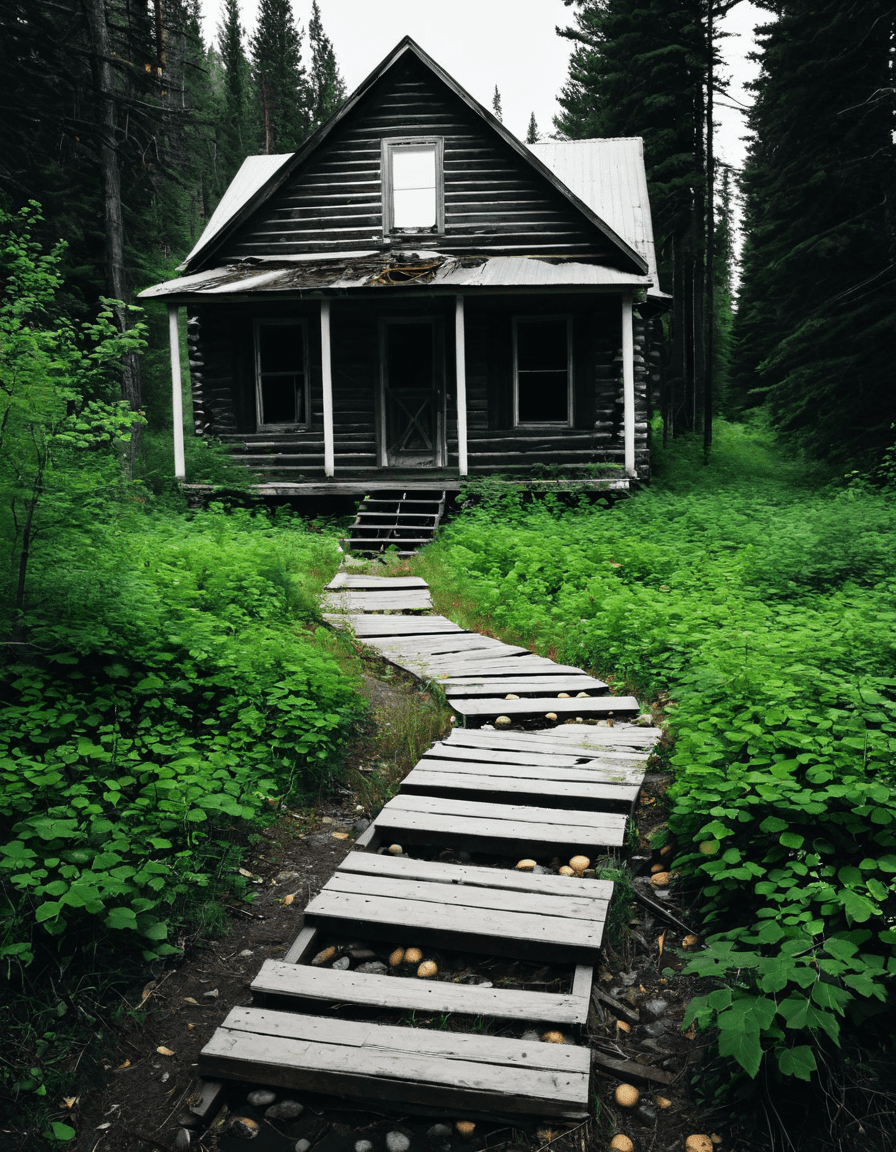
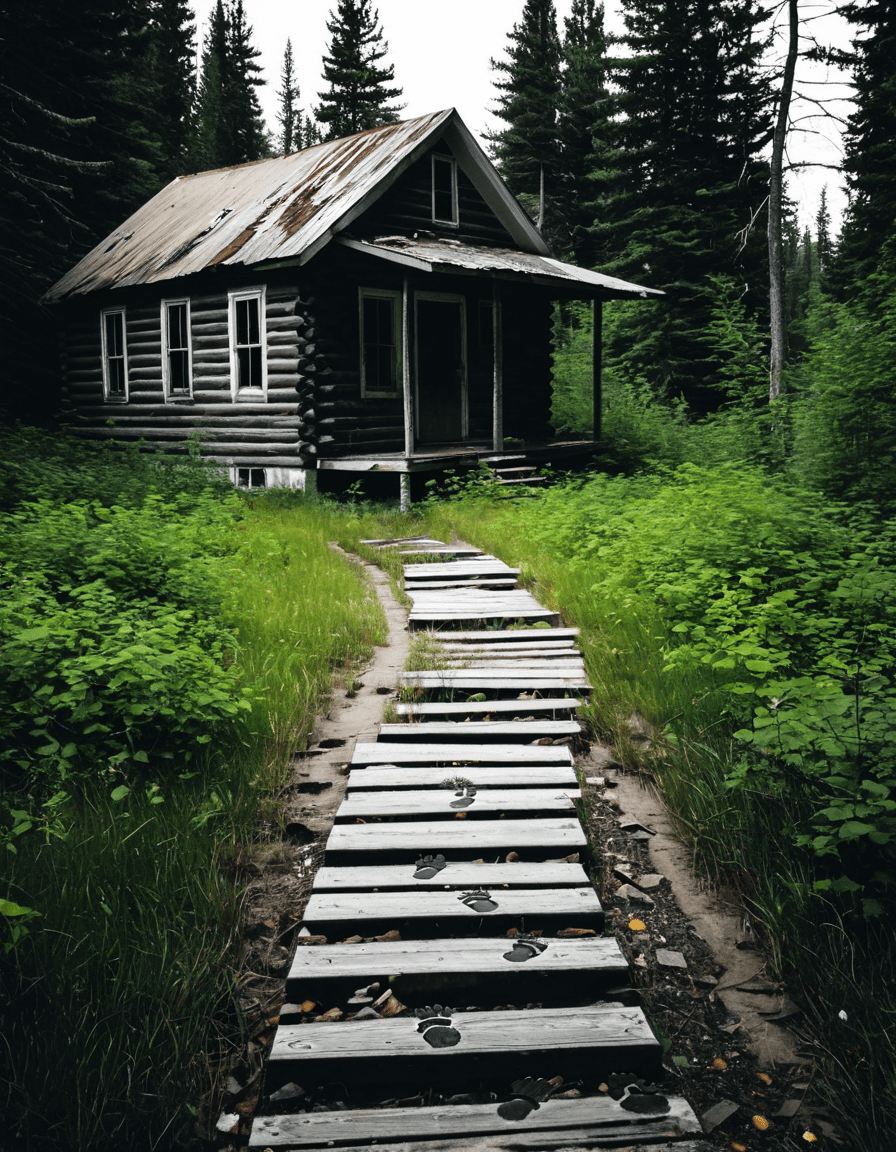
The Appalachian backdrop is one of the most significant components of “Wrong Turn.” The dense, dark forests of West Virginia serve as a chilling reminder of nature’s unpredictable nature. There’s something deeply unnerving about isolated woodlands, especially when real-life stories of mysterious occurrences and local folklore creep into the narrative. As such, the setting heightens the film’s atmosphere, blending reality with fiction and making the fears presented in the film resonate deeply with viewers.
2. The Cannibalistic Villains
Enter the Hillbilly family: Three Finger, One Eye, and their terrifying clan. These characters reflect society’s fears of being hunted—not just by beasts but by their fellow humans. The portrayal of these cannibalistic villains taps into our primal instincts, igniting fear of ‘the other.’ Their grotesque designs and backstory derive from myths of deranged mountain dwellers, showcasing how deeply ingrained rural America fears the unknown. Would you feel safe if you took a wrong turn in the woods and stumbled upon them?
3. Cultural Commentary
What sets “Wrong Turn” apart is its capacity for social commentary. The series dives into class disparity and the juxtaposition of urban and rural America. As viewers witness the characters’ misfortunes, they are prompted to confront their biases and preconceived notions about rural communities. Rather than just delivering scares, the films cultivate discussions about societal dynamics that lay beneath the surface. This enriching layer adds depth, allowing audiences to dig into societal structures that go beyond the scream-worthy content.
4. The Evolution of the Franchise
Over two decades, the “Wrong Turn” franchise has experienced notable growth and evolution, from its gut-wrenching debut in 2003 to the latest entries. Each movie not only delivers chills but explores modern horror themes like technology’s effects on isolation, survival, and family dysfunction. It’s fascinating how the series reflects recurring societal anxieties through the years, presenting horror that grows and adapts as conditions change.
5. Natural versus Urban Horror
There’s an alluring dichotomy between nature and urban life that permeates the franchise’s narrative. The “wrong turn” signifies more than a mistake in navigation; it’s also a reflection of humanity’s fear of losing oneself in the wild, away from civilization. Each character seeks solace in nature, navigating a terrifying journey through the unknown—from bustling cities to the haunted woods. This exploration resonates with many, illuminating the delicate balance people tread between safety and danger.
6. Audience Engagement through the Franchise
The “Wrong Turn” films create vibrant conversations among fans, engaging them through relatable fears and cultural references. Viewers often debate which installment stands as the best, and “Wrong Turn 2: Dead End” receives high praise for its mix of dark humor and clever plot twists. This engagement keeps the audience invested, reaffirming the franchise’s stronghold in horror fandom. Such discussions promote a communal experience, allowing fans to bond over both fear and fascination.
7. The Siesta Key Connection
Facing the unexpected intersection of horror and mainstream culture, the “Wrong Turn” franchise has captured the attention of travel enthusiasts. Enter Siesta Key, Florida—a realm wherein the idyllic beach life provides a stark contrast to the darkness of the films. Fans traveling to locations featured in these horror flicks find a diverse exploration of picturesque landscapes versus claustrophobic dread. This duality enriches the audience’s understanding, enhancing their engagement beyond mere cinematic thrills.
The Impact of Wrong Turn on Modern Horror
The “Wrong Turn” franchise has left an unmistakable mark on the evolution of modern horror. It contributes to an ongoing conversation about rural narratives, examining human nature stripped to its core. Each film shines a light on humanity’s instinct for survival, revealing what people are willing to do when pushed to the limit. The franchise illustrates that horror transcends fear of monsters; it delves into human relationships and the fragile structures upon which society stands.
As the series continues to expand, audiences embark on an unsettling journey, discovering that some of the most terrifying paths are simply wrong turns—darkening the corners of humanity and revealing fragments of ourselves. By blending culture, mythology, and modern existential dread, the franchise invites viewers to consider their own fears in new and engaging ways.
So, whether you’re catching a movie near me, exploring a “wrong turn” in your own life, or just carving out time for a good scare, remember: the woods are calling. And who knows what awaits around the next bend?
By embracing the legends and layers of the “Wrong Turn” films, we learn more than just fear; we discover the strength within us to confront what terrifies us the most. Stay motivated, keep pushing forward, and remember: in every terrifying story, there’s an opportunity for growth—both in fitness and life.
Wrong Turn: The Terrifying Legend Behind the Films
The Folklore that Inspired Wrong Turn
Did you know that the concept behind Wrong Turn draws heavily from real-life Appalachian legends? Stories of cannibalistic families hiding in remote mountains have been passed down through generations, making the locations where these tales unfold all the more spine-chilling. Folk tales often tell of twisted individuals, akin to the horrifying backwoods dwellers portrayed in the film series. Just like the eerie atmosphere in The X-Files, a surreal sense of dread creeps over you as you imagine these unhinged characters lurking just beyond the trees. The inspiration behind Wrong Turn taps into a primal fear of the unknown lurking in the shadows—a fear that resonates deeply within urban and rural audiences alike.
Behind-the-Scenes Intrigue
While the movies can be unsettling, the making of Wrong Turn has its own share of wild stories. Director and producer Michael Showalter played an integral role in shaping the films, with his creative vision crafting a terrifying experience. It’s interesting to consider how sometimes, even a simple day on set can turn comically chaotic, much like the unintended mishaps depicted in the comedy One of Them Days. Imagine filming a horror scene that turns into a comedy of errors, only to have that well-timed punchline land just right, adding an inadvertent layer to the on-screen terror.
Cultural Impact and Fun Facts
Since the release of Wrong Turn, it has spawned several sequels, effectively cementing its place in the horror genre. Interestingly, the films have become a metaphor for the fear of getting lost or making a wrong turn in life—feeling trapped and facing consequences you didn’t foresee. Speaking of getting trapped, there’s a humorous side to that topic too. You might not associate a shaved bear with thrills, but that’s a real character from indie films, showcasing just how bizarre the horror genre can get. Meanwhile, the series has inspired various merchandise, including quirky collectibles for avid fans, much like the fascinating culture surrounding pinball machines that you can find in retro arcades.
The Wrong Turn movies remind us that horror often reflects deeper societal fears. The show’s depiction of isolation and fear of the unfamiliar invites discussions on topics both thrilling and troubling—much like how A Man in Full frames societal critiques within a narrative. Going forward, as you catch up on those films, just think about how each wrong turn can lead you to new, unforeseen adventures, whether it’s on-screen or in your own life—just maybe steer clear of those eerie woods!