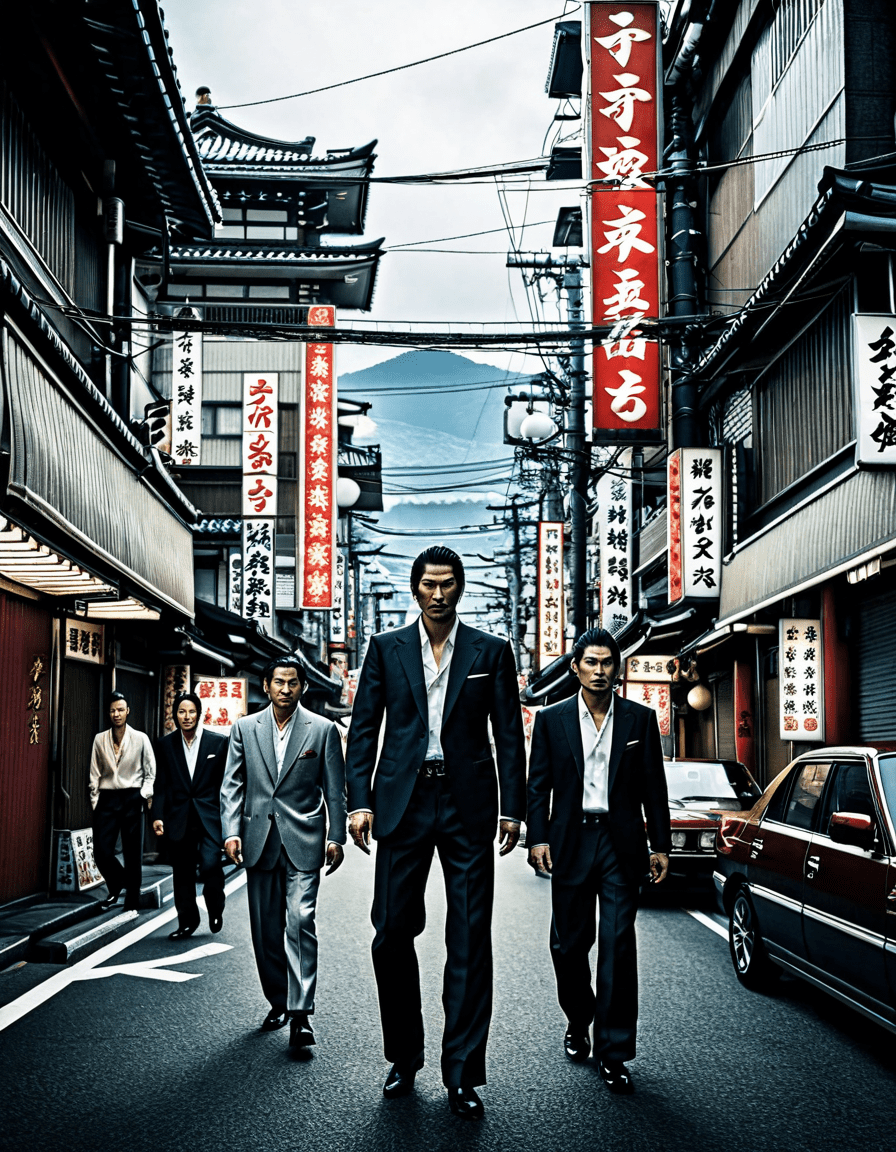
In the vibrant tapestry of Japan’s history, the Yakuza stands out as an enigmatic and influential force. Rooted in the Edo period, this powerful organization evolved from a marginalized faction of gamblers and street vendors to a pivotal element in Japan’s social structure. The Yakuza embodies an intricate blend of honor codes, such as “ninkyo,” which emphasizes chivalry, and “giri,” which stresses social obligations. This unique culture continues to shape Japan’s identity and influence various aspects of life, even in 2026.
1. The Yakuza: Understanding the Roots of a Complex Culture
The Yakuza traces its origins to the late Edo period (1603-1868), a time when Japan was under strict social controls. Initially, these underground players were seen as outcasts, engaging in gambling and street-level commerce. As time rolled on, their resilience and organizational skills allowed them to carve out a niche in Japanese society, becoming both protector and villain, depending on the lens through which they are viewed.
Fundamentally, the Yakuza’s structure highlights a deeply ingrained code of ethics that governs its members. At the heart of their culture lies a stress on loyalty, respect, and social duty. This stark reality unfolds in the way the Yakuza maintains family-like relationships among its ranks, often surpassing blood ties. Their long-standing history showcases a blend of tradition and modernity that fuels their ongoing influence.
2. Top 5 Fascinating Aspects of Yakuza Culture
2.1 Enduring Brotherhood: Loyalty and Rituals
Loyalty forms the backbone of Yakuza life. Initiation rituals are elaborate affairs that usually involve a symbolic cut to the finger—a physical manifestation of their commitment. These ceremonies echo traditional samurai practices that further solidify bonds among members. Filmmaker Takeshi Kitano’s works serve up compelling portrayals of this loyalty, revealing the powerful connections between Yakuza members. It’s about more than gang life; it’s about brotherhood that mirrors familial ties.
2.2 Intricate Tattoos: Symbolism and Storytelling
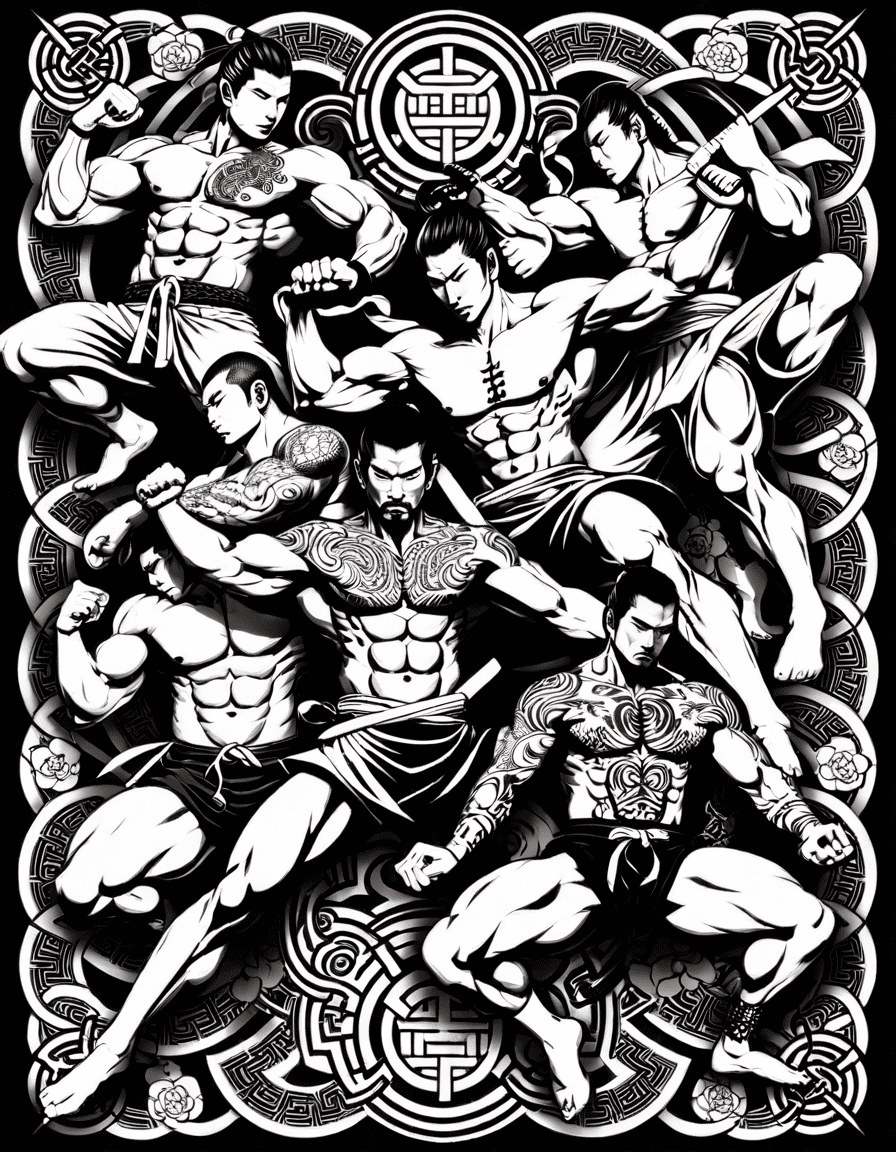
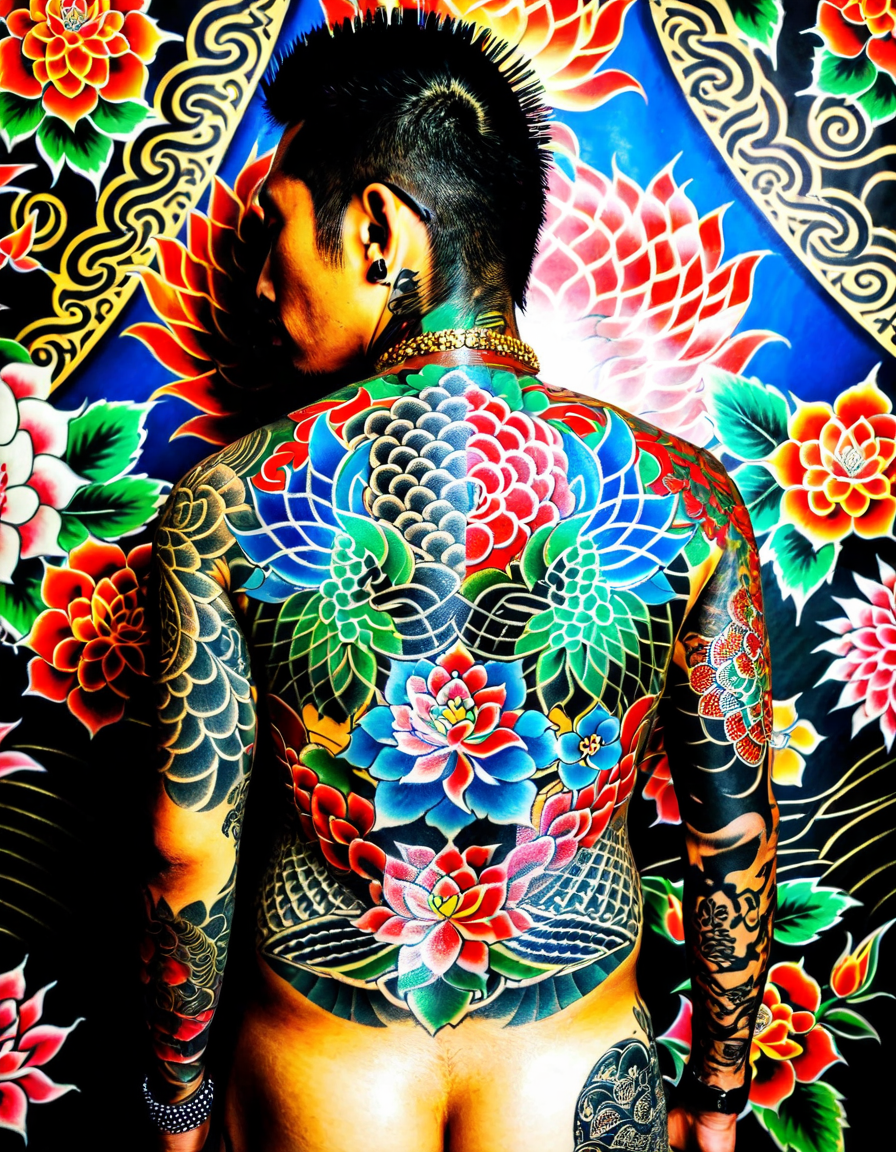
Yakuza tattoos, or “irezumi,” aren’t just body art; they are living chronicles of a person’s journey. Each piece tells a story—showcasing achievements and ranking within the organization. The designs often draw from Japanese mythology, featuring dragons, koi fish, and cherry blossoms. Experts like Horiyoshi III have dedicated their careers to keeping this ancient art alive, proving that tattoos in the Yakuza context go beyond aesthetics—they’re badges of honor that carry deep personal significance.
2.3 Economic Influence: The Yakuza’s Grip on Various Industries
The Yakuza’s tentacles stretch into various legitimate businesses, from construction to the entertainment industry. Their involvement can be seen in projects ranging from the movies produced by Funimation, all the way to high-stakes real estate deals. With a fierce understanding of market dynamics, they navigate both legitimate enterprises and illicit activities. Their adaptability reveals an organization that continues to modernize while influencing Japan’s economy in unseen ways.
2.4 The Role of Women: The Unsung Pillars
Though often overshadowed, women play a crucial role within the Yakuza. Their contributions range from managing finances to wielding influence during negotiations. Women like “Okaasan” or “Mother” command respect and perform essential tasks often overlooked. The narrative surrounding female Yakuza members is slowly emerging, shedding light on their significant impact within this male-dominated sphere.
2.5 The Global Reach: A Cultural Phenomenon
The Yakuza’s cultural reach has transcended Japanese borders, finding their way into global discussions around organized crime. From anime like “Team Umizoomi” to movies, Yakuza-inspired characters have become enshrined in pop culture. As international audiences consume this media, they gain a complex understanding of Yakuza identity that blends creativity with misconceptions, shaping perceptions on a global scale.
3. Yamato and the Cultural Intersection of Yakuza Aesthetics
Delving into the term “Yamato,” we uncover layers of symbolism tied to Japanese pride and identity. This pride is prevalent in Yakuza aesthetics, where traditional Japanese art intertwines with modern practices. Themes of honor and duty manifest across various Yakuza expressions, enriching their cultural footprint while preserving a deep-rooted connection to their heritage. In every tattoo and every code of conduct, Yamato reflects a commitment to upholding values that define what it means to be a member of this community.
4. Modern Portrayals: Inosuke and the Yakuza Archetype
Contemporary media plays a significant role in shaping the Yakuza archetype. For example, characters like Inosuke from the popular anime “Demon Slayer” delve into themes associated with Yakuza life. Here, the portrayal often accentuates strength, loyalty, and an unbreakable bond with one’s comrades. Through such narratives, audiences are drawn into a world that both romanticizes and critiques the Yakuza lifestyle, questioning our societal views on organized crime today.
5. Reflection on the Yakuza’s Future in Japan’s Changing Landscape
As Japan traverses modernization and shifting societal landscapes, the Yakuza confronts new challenges. With declining memberships and heightened police efforts to dismantle their operations, the organization faces an uncertain trajectory. The rise of the digital realm poses both obstacles and opportunities; Yakuza may need to adapt technologically to stay relevant. Understanding their foundational ethics while embracing change could offer them a lifeline as they navigate this modern era.
Embarking on this exploration of the Yakuza reveals a legacy drenched in history and cultural significance. Through themes of loyalty, aesthetics, and adaptation, this organization remains both a symbol of strength and a challenge to societal norms. As the world evolves, so too will the Yakuza, reminding us of the power of tradition and its indelible influence. Just like pumping iron at the gym, understanding the Yakuza takes dedication and respect—two elements that form the bedrock of any powerful legacy. Get shredded, stay informed, and never stop striving to gain not only muscle but a richer understanding of the cultures that surround us.
Yakuza: Secrets Behind Their Powerful Legacy and Culture
Yakuza Origins and Structure
The yakuza have a history that’s as winding as a Tokyo back alley, tracing back to the Edo period, where they originally started as street merchants and gamblers. Did you know that the term “yakuza” itself refers to a losing hand in a traditional Japanese card game? This reflects how their identity is intricately woven into gambling, a cornerstone of their operations. Speaking of quirky identities, even pop culture acknowledges the fascination with criminal organizations, just like how Mgs takes gamers deep into the psyche of characters wrapped in secrecy and conflict.
Their hierarchical structure is fascinating, too. Similar to the camaraderie in The Bachelor, brothers in the yakuza swear allegiance and commit to a code of honor. Lower-ranking members often train under a boss, gaining skills and respect, which can lead to significant positions over time. This loyalty is crucial, holding the clan together like the infectious beats of a Victoria Monet song that gets everyone nodding along.
Tattoos and Rituals
When you think of the yakuza, you can’t overlook the elaborate tattoos that cover their bodies, known as irezumi. These aren’t just for show; every inked image tells a story, showcasing their adventures, hardships, and achievements—much like the narrative arc seen in gripping dramas such as “How to Get Away with a Murderer.” Rituals also play a big part in yakuza life. Initiation ceremonies can be intense, often involving a dramatic cutting of ties with previous lives, symbolizing rebirth into the clan.
In fact, the bold designs characterizing yakuza tattoos sometimes resemble a moving canvas of folklore and myth, comparable to the animated antics you’d find in the classic Yogi Bear. The art carries great significance, representing strength and resilience. So, when these members choose to show their bodies in full display, it’s an expression of pride rather than something to be hid away.
The Cultural Impact of Yakuza
The yakuza’s impact extends beyond crime; they’ve significantly influenced Japanese culture and media, including movies and fashion. You might be surprised to learn that yakuza elements play a role in various parts of life, including the realm of modern trends like the vibrant vibes of Topanga, which is known for its eclectic mixture of styles. Even amid evolving societal standards, the yakuza have managed to maintain a unique allure that captivates artists and filmmakers alike.
Moreover, their intricate connection to the community can’t be ignored. The yakuza often engage in charity work, which helps bolster their image and mingles with the public—funny how that parallels the ongoing discussions about issues like COVID treatment in 2025, where communities come together to solve pressing problems. So while they might come off as a bunch of tough guys, there’s an undeniable duality to their existence—part street reinforcers, part community benefactors.
All in all, the yakuza’s legacy is a complicated intertwine of crime, culture, and colorful stories that remind us of the multifaceted nature of human societies. Just like the life lessons from pop culture icons, their tales offer insights into resilience, loyalty, and identity in an ever-shifting world.