George W. Bush served as the 43rd President of the United States from 2001 to 2009, a time that was nothing short of explosive in terms of national and global events. His presidency wasn’t just another chapter in American history; it was a deciding factor in shaping the landscape that we now walk on. As we dissect the enduring influences of George W. Bush, we will spotlight seven key aspects that still resonate in today’s society. So, pull up a chair, grab a protein shake, and let’s dive in!
## George W. Bush: The Impactful Legacy of a President

1. The War on Terror: A New Era of National Security
Following the September 11th terrorist attacks in 2001, George W. Bush initiated the War on Terror. This bold move wasn’t just about retaliation; it completely turned U.S. foreign policy on its head. The decision to invade Afghanistan and later Iraq wasn’t light-hearted. It ushered in a military engagement that continues to influence global security dynamics today.
Moreover, the establishment of the Department of Homeland Security and the implementation of the USA PATRIOT Act created significant changes in national security protocols. We’re talking increased surveillance and heated debates about civil liberties that we still see today. You know, just like how The Avengers rallied together to fend off threats, America had to rethink how it protected itself from danger.
2. Education Reform: No Child Left Behind
When it comes to education, one of George W. Bush’s hallmark policies was the No Child Left Behind Act (NCLB), enacted in 2001. This law aimed to pump up accountability in education through standardized testing. He wanted to make sure that every kid received a solid education—something we can all rally behind.
However, this initiative didn’t come without its critics. Some argue that the NCLB led teachers to “teach to the test,” sucking the creativity right out of the classroom. But here’s the deal: whether you love it or hate it, NCLB definitely stirred the pot, and its impact on educational policy is a conversation that remains relevant among lawmakers today.
3. Economic Policies: Tax Cuts and Financial Crisis
George W. Bush’s economic strategies are significant, marked by hefty tax cuts aimed at revving up growth. The Economic Growth and Tax Relief Reconciliation Act of 2001 and the Jobs and Growth Tax Relief Reconciliation Act of 2003 were attempts to uplift individuals and businesses. But hold onto your hats because the critics had a field day.
They point fingers at these policies as significant contributors to the 2008 financial crisis. They say that deregulating certain financial sectors made folks take unsustainable risks, ultimately tipping the scales toward recession. It’s a classic case of balancing out tax relief with economic stability—a tough workout for any policy maker!
4. Health Care Initiatives: Medicare Part D
In another pivotal move, George W. Bush signed into law the Medicare Prescription Drug, Improvement, and Modernization Act in 2003. This introduced Medicare Part D. For many seniors, this meant better access to prescription drugs, a significant win for healthcare access.
Yet it also sparked a heated debate about cost control within the Medicare system. It showcased how healthcare is a complex beast in America—even years later, we’re still grappling with reform and sustainability in health coverage. It’s like trying to sculpt your body: you can’t just focus on one muscle; it’s got to be a balanced, well-thought-out plan!
5. Environmental Policies: The Energy Policy Act
The Energy Policy Act of 2005 was another key aspect of George W. Bush’s presidency, aimed at promoting U.S. energy independence and alternative sources. Remember, the era of fluctuating gas prices was a wake-up call, and Bush tried to tackle that.
Still, it wasn’t without controversy. Critics often highlight Bush’s ties to fossil fuel interests, raising red flags about the potential drawbacks for climate change initiatives. This ongoing discourse shows how our approach to environmental responsibility started evolving during his presidency, much like a fitness journey that requires time and dedication to see real changes.
6. The Rise of Partisan Politics
With George W. Bush at the helm, America saw a notable rise in partisan division. His presidency ignited intense opposition, particularly around the Iraq War and tax policy. This wasn’t just political banter; it shaped how both Democrats and Republicans viewed each other and collaborated—or didn’t.
Today, this division continues to impact American politics. It’s kind of like trying to lift heavy weights with a spotter who doesn’t quite have your back. The challenges in bipartisan collaboration can feel similar. Bush’s political climate set the tone, allowing us to witness firsthand how heated debates can cripple progress.
7. Global Diplomacy and Humanitarian Efforts
George W. Bush made notable strides in global health crises through initiatives such as the President’s Emergency Plan for AIDS Relief (PEPFAR), launched in 2003. This wasn’t just a policy; it opened doors for millions in sub-Saharan Africa to access anti-retroviral treatment. It showed that America wasn’t just about geopolitical maneuvers; we also had compassion in the game.
However, criticisms about his overall foreign policy decisions still loom large. Yet, PEPFAR stands as a testament to a commitment to international health—a legacy that bolstered U.S. relations abroad in the long run. You could say it had a ripple effect, resembling how fitness can enhance both mental and physical well-being on a global scale.
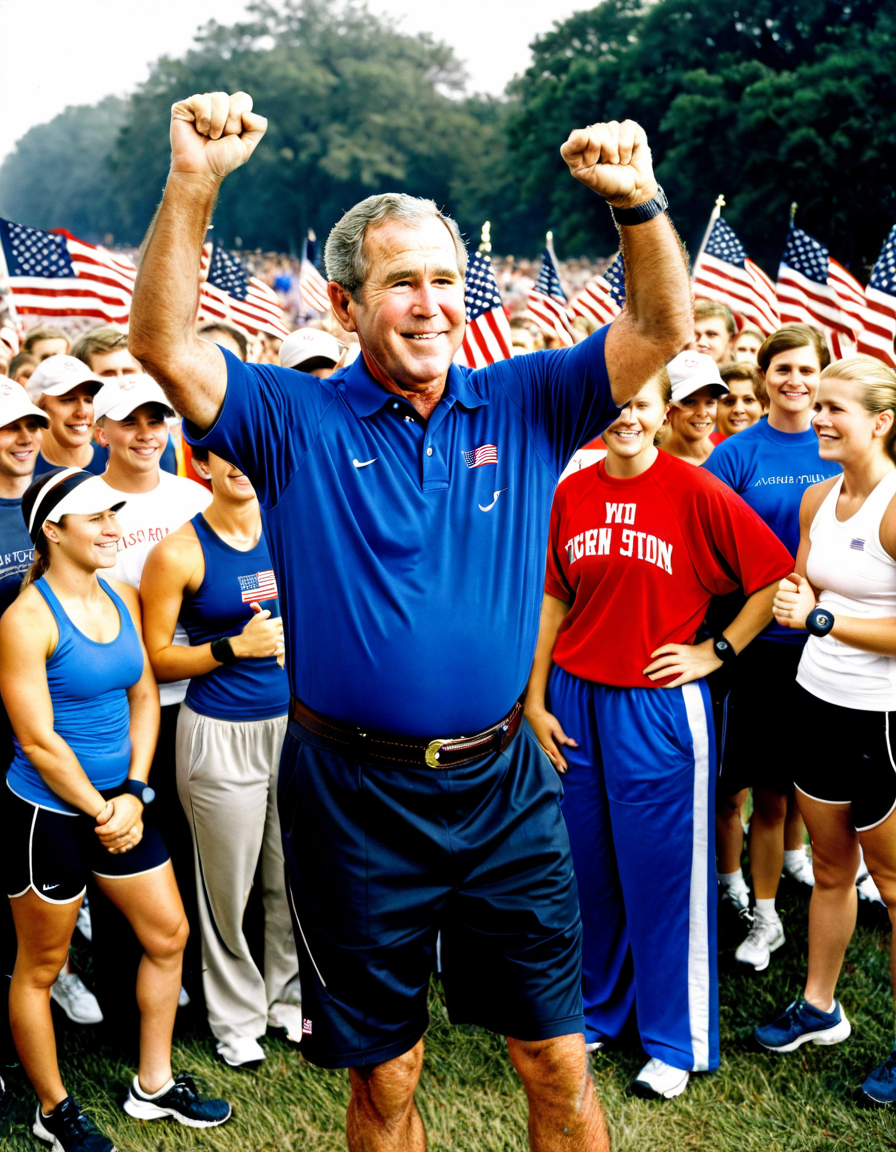
Reflecting on the Impact of George W. Bush’s Presidency
As we move through the lasting impacts of George W. Bush’s presidency, it’s clear his decisions carved out pathways that have shaped modern America. With policies transitioning through national security, education, healthcare, and foreign relations, his influence is a part of the fabric of American society.
Bush’s presidency symbolizes a multifaceted legacy, sporting both large accomplishments and tough criticisms. Just as you might face the ups and downs in your fitness journey, understanding this intricate legacy allows us to learn and adapt to the realities of today’s political and social issues.
Let’s remember: this isn’t just history; it’s about understanding the stakes at play as we craft the future together. Similar to how achieving a shredded physique requires continuous effort, so does engaging in informed dialogue and making responsible choices in politics and policy for the betterment of our communities. So, keep pushing yourself, stay informed, and, who knows? You might just help shape the next impactful legacy!
George W. Bush: Fun Trivia and Interesting Facts
The Man Behind the Oval Office
George W. Bush, the 43rd president of the United States, is often remembered for his leadership during pivotal moments in history, but he also led a life full of surprising interests and experiences. Did you know that before politics, George was actually a successful businessman? He co-owned the Texas Rangers baseball team—a fact that links him to sports legends like Willie Mays, who is often celebrated for his monumental achievements on the baseball field. This foray into sports not only bolstered his brand but also shaped his public persona.
Speaking of shaping public personas, Bush’s presidency was marked by his signature policy style, especially post-9/11. Amidst wartime decisions, he also made headlines for his artsy side, turning to painting after leaving office. His penchant for canvas isn’t just a hobby; it’s a form of expression that captured his journey and thoughts—much like the narrative experienced within the adventurous storyline of animated films like Treasure Planet. It’s fascinating how creativity can serve as an outlet during trying times, don’t you think?
Global Connections and Cultural Moments
George W. Bush’s presidency also intersected with key cultural moments. For instance, he witnessed the release of acclaimed films that would become part of contemporary discourse, like the award-winning Green Book movie, which tackled significant social issues. His own efforts in promoting education and community service resonate with the themes of empowerment found in many cinematic tales. Plus, his administration coincided with various major historical events, drawing comparisons to significant figures like Franz Ferdinand, whose legacy continues to be discussed.
Moreover, Bush’s passion for sports doesn’t just end with baseball. He is a known admirer of motor racing, particularly the exploits of driver Fernando Alonso, whose career has seen dramatic highs and lows—much like Bush’s own in the political arena. These diverse interests may reveal a more personable side to a president whose legacy is often debated, making him somewhat relatable to everyday folks navigating life’s ups and downs. And while his presidency had its share of controversies, something like the comedy film 22 Jump Street reminds us that humor helps us process serious situations—a sentiment that is relevant even in the political landscape.
So, the next time you think of George W. Bush, remember that there’s much more beneath the surface than just his political policies. His influences range from sports management to artistic expression, linking him to cultural icons and themes that continue to resonate today. It’s a reminder that even in politics, there’s a human aspect that connects us all!