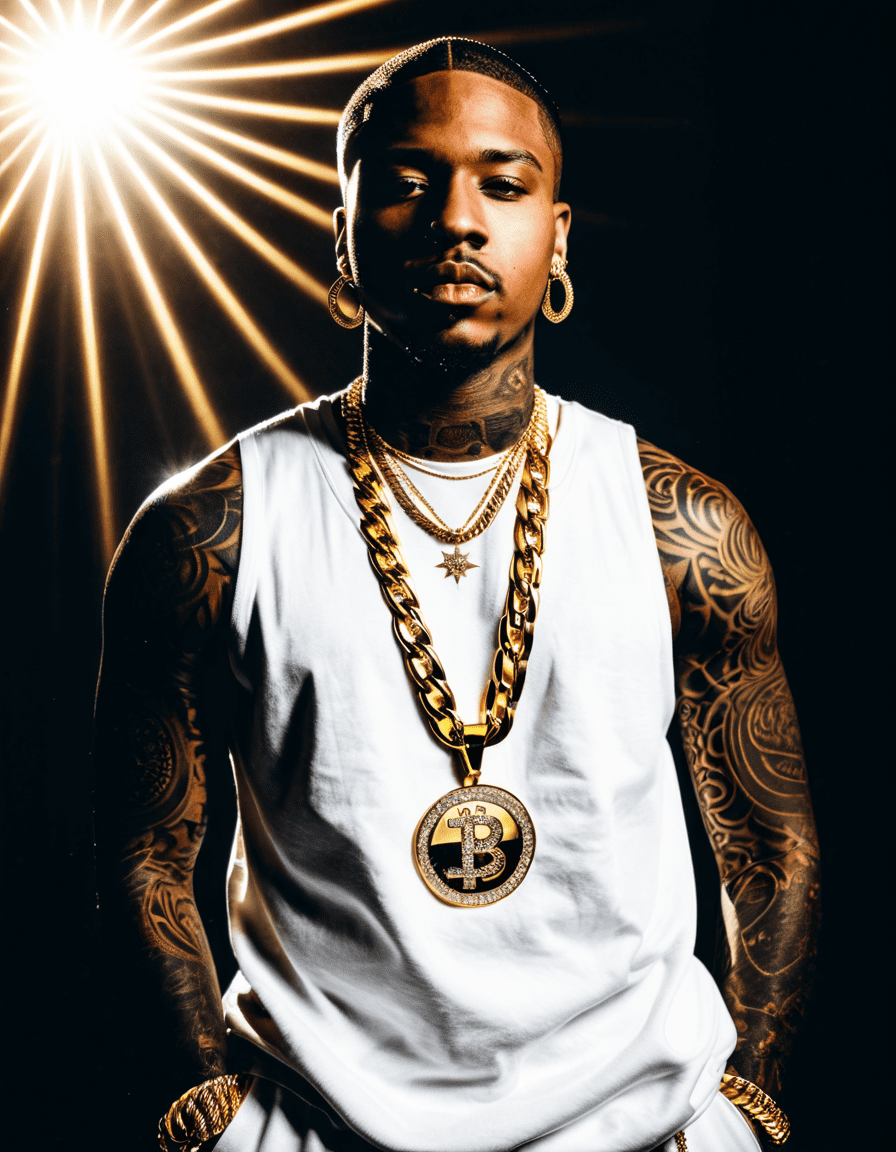
In today’s world, the rapper isn’t just a musician; they’re a cultural phenomenon. From underground roots to international stardom, these artists shape music, fashion, and social issues. The journey of the rapper illustrates an evolution reflecting our times, making powerful statements through their art, lifestyle, and influence. Let’s explore how some of the most notable names in the industry have transformed hip-hop into a global powerhouse.
The Evolution of the Rapper: Trailblazers Who Reshaped Music Culture
From the gritty streets of the Bronx to the stages of the world, rappers have ascended from local figures to global influencers. They’ve redefined what it means to be a musician and a role model, infusing their experiences into their music, which strikes a chord with millions. The late ’70s birthed hip-hop, but it wasn’t until the ’90s and 2000s that artists truly began to pioneer the genre into mainstream culture.
The Role of the Rapper in Society
The essence of a rapper often mirrors societal struggles, joys, and aspirations. They engender conversations about racism, mental health, and success amidst adversity. Often found at the forefront of activism, many rappers serve as voices for their communities, shining a light on pressing issues.
Moreover, the globalization of hip-hop has allowed rappers like Burna Boy to blend their unique cultures with classic rap, resulting in a rich tapestry of sounds. This cross-pollination energizes the global music landscape and highlights rap’s versatility.

Top 7 Rappers Who Revolutionized the Industry
1. Kanye West: The Genre-Blurring Visionary
Kanye West is nothing short of an innovator. His ability to weave diverse musical styles—think soul, rock, and electronic—has made him a household name. Albums like The College Dropout and My Beautiful Dark Twisted Fantasy aren’t just celebrated for their lyrical genius; they’re hailed for groundbreaking production that pushes the envelope.
Additionally, Kanye’s ventures into fashion and his unfiltered opinions on social issues have elevated his cultural relevance. He remains a polarizing yet pivotal figure in modern music today.
2. Nelly: The Pop-Crossover Pioneer
Nelly bridged hip-hop and mainstream pop like few others have. Songs like “Hot in Herre” and “Dilemma” showcased his catchy hooks and unique vocal style. By blurring the lines between genres, Nelly opened the door for future collaborations between rappers and pop artists, shaping a genre-fluid musical landscape.
Remarkably, his influence continues to ripple through the industry, where the crossover tracks have become the norm.
3. Snoop Dogg: The Cultural Icon
With a career spanning over two decades, Snoop Dogg epitomizes the laid-back West Coast vibe. Tracks from his debut album Doggystyle popularized G-funk, yet his versatility shines through his collaborations, including cooking shows with Martha Stewart and his persona as Snoop Lion.
Snoop’s influence extends beyond music into various entertainment fields, solidifying his status as a cultural icon.
4. Nicki Minaj: The Female Pioneer
Nicki Minaj broke traditional molds with her bold persona and innovative sound. Her impressive discography demonstrates versatility as she effortlessly shifts from hard-hitting rap verses to pop ballads. Minaj’s rise inspires countless female artists, empowering more women to carve a place in hip-hop.
Thanks to her dynamic presence, the industry now recognizes the importance of strong, diverse female representation in music.
5. Drake: The Global Superstar
Drake redefined the hip-hop sound with his blend of rap and R&B, inviting listeners into his emotional world. He transformed storytelling within the genre through personal narratives, making hip-hop more relatable. Hits from his extensive catalog resonate with a global audience, changing how music is consumed.
Certainly, this emotional depth has helped launch him to the top of the charts and redefine the boundaries within hip-hop.
6. Lil Nas X: The Genre-Demolisher
When Lil Nas X dropped “Old Town Road,” he shattered genre conventions. His willingness to confront questions about identity within the rap community has opened doors for frank conversations about representation. Using social media and meme culture, Lil Nas X has pioneered a new way for artists to connect with their audience.
His success proves that authenticity and creativity can create waves, merging cultural and musical boundaries seamlessly.
7. Kendrick Lamar: The Lyricist with a Purpose
Kendrick Lamar stands out for his storytelling ability and commitment to social commentary. Albums like To Pimp a Butterfly delve into complex themes surrounding race and identity. His work reflects a deep understanding of societal issues, pushing the genre into a realm of authenticity that resonates with many.
Lamar’s courage to explore difficult topics has set a precedent for aspiring rappers, encouraging them to harness their voices for deeper discussions.
The Cultural Impact of Rappers on Society
Rappers have the unique ability to engage with social issues, spotlighting racism, mental health, and community struggles. Artists like J. Cole and Chance the Rapper actively work to inspire change and uplift marginalized communities. They use their platforms to galvanize activism, showcasing hip-hop’s potential to promote social justice.
In addition, the explosion of international hip-hop artists demonstrates the genre’s adaptability. Cultural influences enrich the music scene with unique sounds, making rap a truly global language. As artists from various backgrounds step into the spotlight, they contribute to a narrative that holds cultural significance worldwide.
Reflections on the Future of Rap Culture
As we glance toward the horizon, it’s clear the rapper landscape is primed for further evolution. Platforms like TikTok have reshaped music consumption, with viral trends giving rise to a new wave of talent. Rappers of tomorrow will undoubtedly leverage these platforms to engage audiences, continuing the innovative legacy established by preceding generations.
Moreover, the mission remains: telling stories that resonate with listeners, integrating cultural identity, and driving relevant social conversations. As hip-hop progresses, it will undeniably remain relevant by reflecting the real experiences and challenges of everyday life.
In conclusion, the story of the rapper is just beginning. With rhythms evolving and lyrics continuously adapting, their impact on culture and society will endure for generations to come. Each artist carries a torch lighting the way for future voices, shaping a vibrant music culture that inspires and uplifts.
As you embark on your own journey towards greatness, remember the mantra shared by legends—“Stay hungry, stay foolish”. That relentless drive is what gets you closer to your goals, whether in fitness or in the pursuit of your dreams. Now, let’s get shredded, gain muscle, and chase our ambitions!
The Rapper’s Journey: Fame and Cultural Impact
From Street Battles to Stardom
Rappers have transformed the music landscape, starting from neighborhood cipher sessions to topping international charts. Initially a form of expression against socio-political issues, hip-hop grew to become a mainstream powerhouse. Today, the likes of Kendrick Lamar and Cardi B have risen to mega-stardom, influencing countless fans. Did you know that some rappers, like the young version of Meryl Streep, showcase their talent beyond music, stepping into acting? She perfectly exemplifies how versatility can pay off in creative industries!
Cultural Influences & Storytelling
Rappers often use their songs to tell stories that reflect real-life experiences, much like how the Christmas Chronicles captures the magic of family and adventure. This genre often dives deep into personal and cultural narratives, exploring topics ranging from struggle to triumph. For instance, some artists reference historical figures, blending the fantastical elements of storytelling reminiscent of characters like those in Franz Kafkas works, connecting themes of struggle and society.
The Legacy Continues
Hip-hop’s impact reaches far beyond just music; it shapes fashion, language, and lifestyle. Take, for example, collaborations with sneaker brands like the 2002r New Balance, which have become symbols of street culture. Moreover, rappers have evolved their art over time, much like how Ralph Macchio’s age plays a role in his continuing influence in the entertainment world. They’ve merged their sounds with various genres, creating new styles that resonate with broader audiences. Ever see how even Walkie talkie Walkie Talkies have made comebacks in certain music videos, symbolizing connection and communication in an increasingly digital age?
Rappers aren’t just musicians; they’re storytellers, fashion icons, and cultural visionaries. Engaging with this rich tapestry, one can truly appreciate their phenomenal journey and the impacts they’ve made on pop culture.