
You’re 18 miles into a marathon, your legs are heavy, and your Energy Starts to dip. Or maybe you’re pushing through the final miles of a century ride, and your body whispers-no, screams-that it needs fuel. This is where a well-formulated Sports Nutrition Energy Gel can make the difference between hitting your goal and barely crossing the line.
For endurance athletes, consistency isn’t just about training-it’s about fueling smart. And while whole foods have their place, the convenience and rapid absorption of an Energy gel During prolonged activity offer a strategic edge. Whether you're racing or training, what you consume mid-effort can define your performance.

Why Endurance Athletes Rely on Energy Gels
Endurance events drain your body’s glycogen stores faster than most realize. After about 60 to 90 minutes of continuous effort, your muscles begin to run low, leading to fatigue, mental fog, and reduced pace. This is where fast-digesting Carbohydrates Become essential-and energy gels deliver them efficiently.
These gels are designed to be absorbed quickly, typically containing 20 to 30 grams of Carbohydrates Per serving in the form of glucose, maltodextrin, or fructose. This blend helps maximize carbohydrate oxidation rates, meaning your muscles get more fuel per minute. For athletes pushing beyond two hours, that sustained input can delay exhaustion and improve finish times.
Some formulas include added electrolytes like sodium and potassium, which help maintain fluid balance and prevent cramping in hot or humid conditions. Caffeine is another common addition, offering a Mental boost And increased alertness during long events. But not all gels are created equal-some pack unnecessary additives or overly concentrated sugars that can upset the stomach.
Many runners, cyclists, and triathletes choose gels because they’re lightweight, easy to carry, and simple to consume on the move. Unlike solid foods, they don’t require chewing or digestion, reducing gut strain when blood flow is prioritized elsewhere. For those training at high intensity, this practicality is as important as the nutrition itself.
Still, gels aren’t magic. They work best when integrated into a broader fueling strategy. Practicing with your chosen product during training is critical-your stomach needs time to adapt, just like your legs. And if you’re looking for other ways to support energy levels outside of competition, consider checking out High Carb Healthy Snacks For Sustained Energy And Nutrition to round out your daily intake.
What to Look for in a Quality Formula
Not all energy gels perform the same, even if they look similar on the shelf. The best ones strike a balance between effectiveness, digestibility, and taste-because no matter how scientifically sound a gel is, you won’t use it if it makes you gag.
First, Check the carbohydrate source. Maltodextrin and fructose in a dual-transport system (using glucose and fructose pathways) allow your body to absorb more carbs per hour-up to 60 to 90 grams-without overwhelming a single intestinal channel. This can mean smoother energy and fewer gastrointestinal issues.
Next, consider the presence of Electrolytes and caffeine. Sodium helps retain fluids and supports hydration, especially in longer events. Caffeine, typically dosed at 25 to 100mg per packet, can sharpen focus and reduce perceived effort-but it’s not for everyone. If you’re sensitive, opt for caffeine-free versions or save stimulants for race day.
Texture and flavor matter more than you’d think. A gel that’s too thick or overly sweet can be hard to swallow mid-effort. Some brands use real fruit flavors or organic ingredients, which may appeal to those avoiding artificial additives. But remember: clean labels don’t always mean better performance.
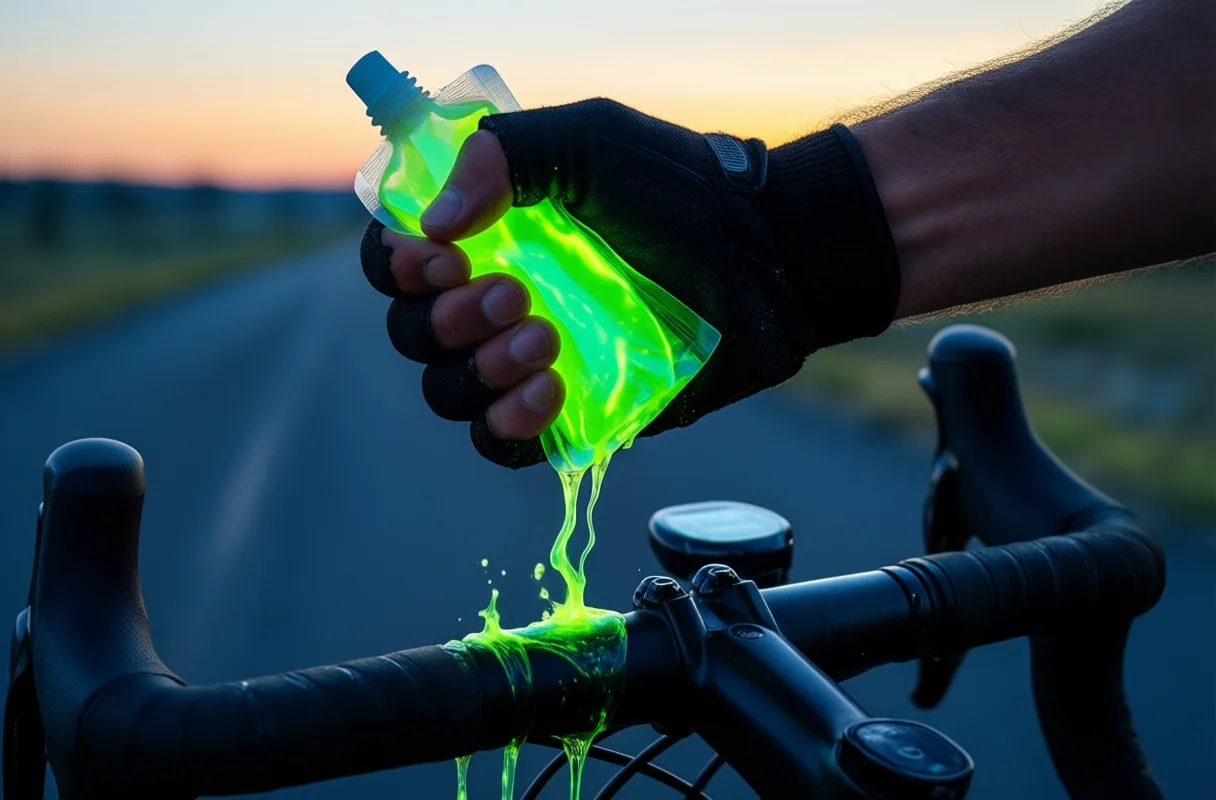
Also, consider portability and packaging. Tear-top pouches should open easily-even with sweaty hands-and fit snugly in a jersey pocket or fuel belt. Some athletes prefer gels with water compatibility, while others use pre-hydrated versions to cut down on extra bottles.
If you're serious about optimizing your performance, education is key. For deeper insights into fueling strategies, explore Sports Nutrition Courses For Athletes And Coaches and Sports Nutrition Presentation For Athletes And Coaches to build a science-backed approach.

Final Fueling Thoughts: Gels as Part of a Bigger Picture
An energy gel is a tool-not a shortcut. It won’t compensate for poor training, inadequate sleep, or inconsistent nutrition. But when used correctly, it can be the missing piece that keeps your engine running strong through the final stretch.
Think of your body like a high-performance vehicle. You wouldn’t race a sports car on empty, nor would you fill it with low-grade fuel. The same logic applies to endurance sports. Your daily diet builds the foundation, with complex carbs, lean protein, and healthy fats setting the stage for peak function.
Snacks like Trail Mix Healthy Snack Options For Energy And Nutrition can support recovery and glycogen replenishment between sessions. Meanwhile, motivational insights from top performers can keep you driven-read Sports Nutrition Quotes From Top Athletes And Experts for that extra spark.
Ultimately, success comes from consistency-both in training and fueling. The best athletes don’t just rely on gels when things go wrong. They plan, practice, and prepare. They know that every mile, every rep, and every meal counts toward the result they want.
So whether you're chasing a PR or just trying to finish strong, remember this: performance isn’t built in a day. It’s built in the quiet moments-early mornings, long runs, smart choices. And sometimes, it’s built one gel at a time.
The Sticky Science Behind On-the-Go Fuel
From Cycling Routes to Marathon Miles
Energy gels weren’t dreamed up in a lab overnight-they emerged from real athletes needing quick, portable fuel during long efforts. Early endurance competitors often relied on chunks of fruit or candy, which were messy and inconsistent. The first purpose-built energy gels hit the market in the 1990s, quickly becoming a go-to for cyclists, runners, and triathletes who needed a burst of carbs without slowing down. Their compact, tear-top packaging made them easy to stash in a pocket or belt, solving the age-old problem of eating while moving.
What’s Actually Inside That Squishy Packet?
Most gels center around simple carbohydrates like maltodextrin and fructose because they’re fast-digesting and help maintain blood sugar levels during prolonged exercise. Some include caffeine for an extra mental and physical kick, usually timed to kick in right when fatigue starts creeping in-around the 15- to 20-mile mark in a marathon. A few brands add electrolytes like sodium to help replace what’s lost through sweat, especially useful in hot conditions. And despite their reputation for sticky textures and bold flavors (think neon lime or raspberry shock), many athletes swear by them-not for taste, but for reliability when every calorie counts. Explore more stories, videos, and creators on Loaded.
Frequently Asked Questions
Why do endurance athletes use energy gels?
Endurance athletes use energy gels to maintain glycogen levels and delay fatigue during prolonged activity. The fast-digesting carbohydrates in gels provide quick fuel, while some formulas include electrolytes or caffeine to support hydration and focus.
When should you take an energy gel during a race?
Energy gels are typically taken after 60 to 90 minutes of continuous effort, when glycogen stores begin to deplete. Caffeinated gels are often timed to kick in around the 15- to 20-mile mark in a marathon.
What should you look for in a quality energy gel?
A quality energy gel contains 20 to 30 grams of carbohydrates from sources like maltodextrin and fructose, uses a dual-transport system for better absorption, and may include electrolytes or caffeine. It should also be easy to digest, with manageable texture and flavor.
Can energy gels cause stomach issues?
Yes, some energy gels can cause gastrointestinal distress if they contain overly concentrated sugars or additives. Using a formula that balances carbohydrate types and practicing intake during training helps reduce gut strain.
This article was produced with AI assistance. How Chiseled Magazine uses AI.
Jin-ho examines how fitness integrates into daily life and evaluates performance gear with a critical eye. He investigates recovery tools, wearable tech, and routines that bridge gym gains with real-world resilience, always prioritizing function over hype.