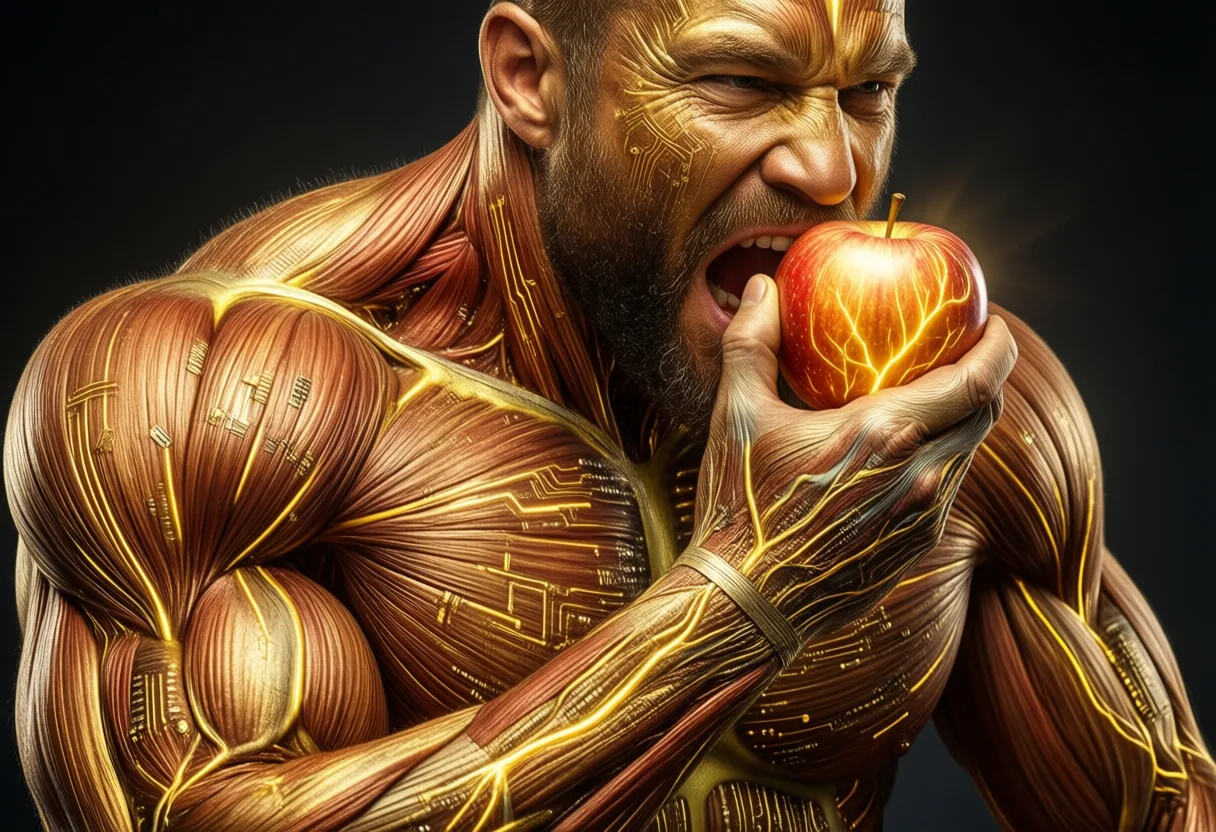

You train hard. You push limits. You demand results. But if your Fueling strategy Is built on myths, progress stalls-fast.
Muscle growth stalls. Recovery slows. Energy crashes. The difference between average and elite often comes down to one thing: precision in nutrition. This isn’t about fads. It’s about facts. And the truth? Most athletes get it wrong.
Let’s cut through the noise. Here are seven lies holding you back-and what science-backed athletes actually do.

7 Common Sports Nutrition Myths That Could Be Slowing You Down
1. Carbs Are the Enemy: Separating Fact from Fiction
Carbs don’t make you fat. Poor choices do. Your body runs on energy. Glycogen fuels every rep, sprint, and lift. Without it, performance plummets.
Low-carb diets sabotage strength and endurance. The brain and muscles depend on glucose. Deprive them, and focus fades, power drops, recovery lags.
Elite athletes eat carbs-smartly. They time them. They choose complex sources. They match intake to training load.
That’s why they stay lean and powerful. For a full breakdown of how top performers structure their intake, check out our Sports Nutrition Guidelines For Optimal Athletic Performance.
2. Protein Loading: Is More Always Better?
More protein doesn’t mean more muscle. There’s a ceiling. Once your muscles have what they need, excess becomes waste. Or worse-stored fat.
The body absorbs only so much protein per meal. Spreading intake across the day beats dumping it in one sitting. Aim for consistent, moderate portions.
Strength athletes need more than sedentary people-but not double, triple, or extreme. Balance matters. Pair protein with carbs post-workout for optimal repair.
For science-backed strategies, see the Sports Nutrition Nasm Guide For Optimal Athletic Performance.
3. Energy Drinks vs. Natural Fuel: What Actually Sustains Performance?
Sugar and caffeine spike energy-then crash it. Real fuel comes from stable sources. Bananas, oats, rice, nuts-these power long efforts without the crash.
Electrolytes matter more than stimulants. Sodium, potassium, magnesium keep nerves firing and muscles contracting. Dehydration kills performance.
Natural options win long-term. They digest cleanly. They support recovery. No jitters. No crashes. Just steady power.
Learn how to build better fueling plans with the Sports Nutrition Presentation For Athletes And Coaches.
4. Fasted Workouts: Fat Burn or False Promise?
Fasted training burns fat-on paper. In reality, it often burns muscle. Without fuel, your body breaks down protein for energy. That’s counterproductive.
Strength and intensity suffer. You lift lighter. You tire faster. You lose lean mass-the very thing you’re trying to build.
Fed training drives better results. A small meal before lifting boosts endurance and output. More work means more growth. More growth means a shredded physique.
5. The Truth About “Clean Eating” for Endurance Athletes
“Clean eating” sounds noble. But it’s vague. And restrictive. Athletes need volume. They need calories. They need flexibility.
Obsessing over labels slows progress. Real food matters. But so does consistency. If a processed bar keeps you fueled during a long run, use it.
Top endurance athletes eat real food-but they don’t fear supplements. They prioritize nutrient density, timing, and total intake. Not purity.
For deeper insight, explore the Sports Nutrition Omega Supports Endurance And Recovery.
6. Supplements: Necessity or Placebo Effect?
Most supplements don’t live up to the hype. Protein powder? Useful. Creatine? Proven. Omega-3s? Backed by research. Everything else? Questionable.
No pill replaces training. No capsule builds six-packs. Supplements support-they don’t create-results.
Stick to what works. Avoid proprietary blends. Skip the flashy ads. Focus on what’s tested, not trending.
To learn what actually works, enroll in our Sports Nutrition Courses For Athletes And Coaches.
7. Post-Workout Windows: How Tight Are They Really?
The anabolic window isn’t a minute. It’s hours. Total daily intake matters more than a magic shake at 45:30 post-lift.
But timing still counts. Protein and carbs after training speed recovery. They refill glycogen. They reduce soreness. They prime growth.
Aim to eat within two hours. Earlier is fine. Later is acceptable-if your day’s nutrition is solid. Consistency beats panic.

What Top Performers Get Right About Fueling
They plan. They track. They adjust. Winners don’t guess. They know their macros. They time their meals. They eat for purpose, not emotion.
Hydration is non-negotiable. Water drives every metabolic process. Even 2% dehydration cuts strength and focus. Drink early. Drink often.
They sleep. They manage stress. Nutrition doesn’t work in isolation. Recovery completes the cycle. No recovery, no growth.
Top athletes treat food as fuel-not punishment, not reward. They eat to dominate. To outlast. To outperform.
They don’t follow trends. They follow data. They test. They track. They improve. That’s how legends are built.
Precision beats passion in the long run. Passion starts the journey. Discipline finishes it.

Beyond the Quiz: Turning Knowledge Into Results
Knowledge Is useless without action. You can ace a sports nutrition quiz-but still eat wrong. The real test is your plate. Your energy. Your progress.
Start small. Fix one meal. Add protein. Cut processed sugar. Hydrate. Track changes. Build habits-don’t chase perfection.
Use tools that work. Courses. Guides. Presentations. Learn from what’s proven. Not what’s popular.
Your body responds to truth. Feed it right. Train hard. Recover fully. The results will come.
And when they do-you’ll look in the mirror and see what most only dream of: power. Definition. Control.
Start building your edge today with our Sports Nutrition Courses For Athletes And Coaches.
| Fuel Source | Used During | Purpose |
|---|---|---|
| Fat | Low-intensity exercise | Primary energy source at rest or light activity |
| Glycogen | High-intensity exercise | Main fuel for sprints and hard efforts |
| Carbohydrates | Before and during long runs | Top off glycogen stores to delay fatigue |
| Electrolytes | Workouts over an hour | Prevent cramps and maintain nerve function |
| Protein and carbs | Post-workout | Speed recovery and refuel muscles |
Think You Know How Athletes Fuel?
What Your Body Actually Burns During Exercise
Ever wonder what really powers your sprint or keeps you going on a long run? It’s not just willpower-your body taps into specific fuel sources depending on the intensity and duration of your activity. At lower intensities, like a brisk walk or light cycling, fat is the primary energy source. But as the pace picks up-say, during a hard interval session-your muscles shift to burning more glycogen, the stored form of carbohydrates. This is why endurance athletes often "carb-load" before big events; they’re topping off their glycogen tanks to delay fatigue.
Hydration: It’s More Than Just Water
Chugging water is smart, but sweat is more than just H₂O-it also contains key electrolytes like sodium, potassium, and magnesium. Losing too much of these through heavy sweating can lead to cramps, dizziness, or even impaired performance. That’s why for workouts lasting longer than an hour, especially in heat, drinks with electrolytes can be more effective than plain water. And here’s a quirky fact: bananas are a favorite post-workout snack not just for their potassium, but because they also offer quick-digesting carbs to help replenish glycogen stores-nature’s energy bar.
Protein: Timing Matters More Than You Think
While protein is essential for muscle repair, slamming a shake immediately after your workout isn’t as critical as once believed. Your body stays in a “recovery window” for several hours post-exercise, so having a balanced meal within a couple of hours works just fine for most people. Still, combining protein with some carbs after training-like yogurt with fruit or a turkey sandwich-can boost recovery by helping your muscles refuel and rebuild at the same time. And contrary to the myth, you don’t need massive amounts of protein; most active adults do well with 1.2 to 2.0 grams per kilogram of body weight daily, spread across meals. Explore more stories, videos, and creators on Loaded.
Frequently Asked Questions
Are carbs bad for athletes?
No, carbs are not bad for athletes. They provide glycogen, which fuels every rep, sprint, and lift. Elite athletes eat carbs smartly by timing them and choosing complex sources.
Is more protein always better for building muscle?
No, more protein does not mean more muscle. The body can only absorb so much per meal, and excess protein becomes waste or stored fat. Spreading moderate portions throughout the day is best.
Do fasted workouts help burn more fat?
Fasted workouts may burn fat on paper, but in reality, they can lead to muscle loss. Without fuel, the body breaks down protein for energy, reducing strength and intensity.
How important is the post-workout nutrition window?
The post-workout window is not just a minute-it lasts hours. Eating protein and carbs within two hours helps recovery, but total daily intake matters most.
This article was produced with AI assistance. How Chiseled Magazine uses AI.
Tariq breaks down elite workout regimens with precision, translating complex routines into actionable plans. He focuses on form, progression, and the mental discipline behind peak physical performance, often drawing from interviews with strength coaches and competitive athletes across multiple sports.