Your Haircut Is not just style. It’s structure. It frames your face, sharpens your jaw, and complements the hard work you put into your physique. A great cut amplifies your presence-like a well-built chest or defined shoulders-commanding attention without saying a word.
What’s the Secret to Finding Your Ideal Men’s Haircut?
The best Haircut For men isn’t about what’s trending. It’s about alignment. It matches your natural face shape and works with your hair type-not against it. Most men walk into barbershops with a photo and no strategy. That’s like hitting the gym without a plan: wasted effort.
Precision starts with self-awareness. Know your face. Know your hair. Then choose a cut that enhances both. This isn’t grooming. It’s optimization.
A strong haircut supports your identity. It should Look sharp Whether you’re in a suit or a tank top post-workout. Treat it like your training: calculated, consistent, and built for results.
The Role of Face Shape in Choosing the Right Style
Face shape sets the foundation. It determines which styles add balance and which throw off symmetry. Oval, square, round, heart, rectangular-each responds differently to volume, length, and parting.
An oval face handles almost any cut. Its proportions are naturally balanced. But even here, the wrong length can shorten the face or overemphasize the forehead.
Square faces benefit from styles that soften the jaw. Round faces need height on top to elongate. Heart-shaped faces do well with volume at the sides to balance a wider forehead. Long or rectangular faces require shorter sides and medium tops to avoid exaggerating length.
Ignoring face shape leads to a mismatch. You’ll spend more time styling to fix problems instead of showcasing strengths. Build your cut like you build muscle-targeted and intentional.
How Hair Type Changes the Game
Hair type defines what’s possible. Straight, wavy, curly, fine, thick, coarse-each has limits and advantages. A style that works on thick hair may collapse on fine strands.
Coarse hair holds shape. It resists gravity and keeps texture. Fine hair needs product support and strategic layering to avoid flatness. Curly hair brings volume but demands control to prevent bulk.
Wavy hair sits in the middle. It can be styled versatile but often frizzes under heat or humidity. Density matters too. Thin hair benefits from shorter cuts that create the illusion of fullness.
Choose a cut that works with your biology. Don’t fight your hair. Train it, like you train your body. Use technique, not force.
1. The Classic Side Part – Timeless Structure for Oval and Square Faces
This cut is a cornerstone of men’s grooming. It delivers clean lines and sharp contrast. The side part works because it creates asymmetry that draws the eye and defines the face.
Length on top ranges from medium to long, combed neatly to one side. The sides are Tapered, never harsh. This contrast enhances facial angles, especially on strong jawlines.
It’s a professional look with authority. Think boardroom or power lift-same energy. Minimal product needed: a medium-hold pomade or cream keeps it in place.
Why It Works: Balance and Symmetry
The side part balances facial width and length. On an oval face, it maintains natural harmony. On a square face, it softens the jaw without losing masculinity.
Parting the hair off-center creates visual movement. It prevents a flat, boxed-in look. The angle of the part can be adjusted to highlight cheekbones or downplay a broad forehead.
This cut rewards maintenance. Regular trims keep the shape tight. It’s not high-maintenance, but it demands consistency-like your training regimen.
2. The Textured Crop – Modern Edge for Round and Heart Shapes
The textured crop is sharp, short, and full of movement. It adds height on top while keeping the sides tight. This vertical lift is critical for round or heart-shaped faces.
Top layers are cut short and point-cut for texture. The result is a messy-but-controlled finish. It’s styled with fingers and light product-no comb required.
This cut thrives on contrast. Short sides make the top pop. Volume on top elongates the face, countering roundness. For heart shapes, it balances a narrow chin.
Adapting for Wavy or Thick Hair
Wavy hair brings natural texture-use it. The wave adds body without product. A light sea salt spray enhances the effect without stiffness.
Thick hair can bulk up fast. Avoid heavy layering on top. Instead, use thinning shears to reduce weight while keeping shape. This prevents a helmet-like look.
Keep the crown area shorter if your hair is dense. Over-length can overwhelm the face. Precision is key-trim every 3-4 weeks.
3. The Tapered Fade – Sharp Definition for Strong Jawlines
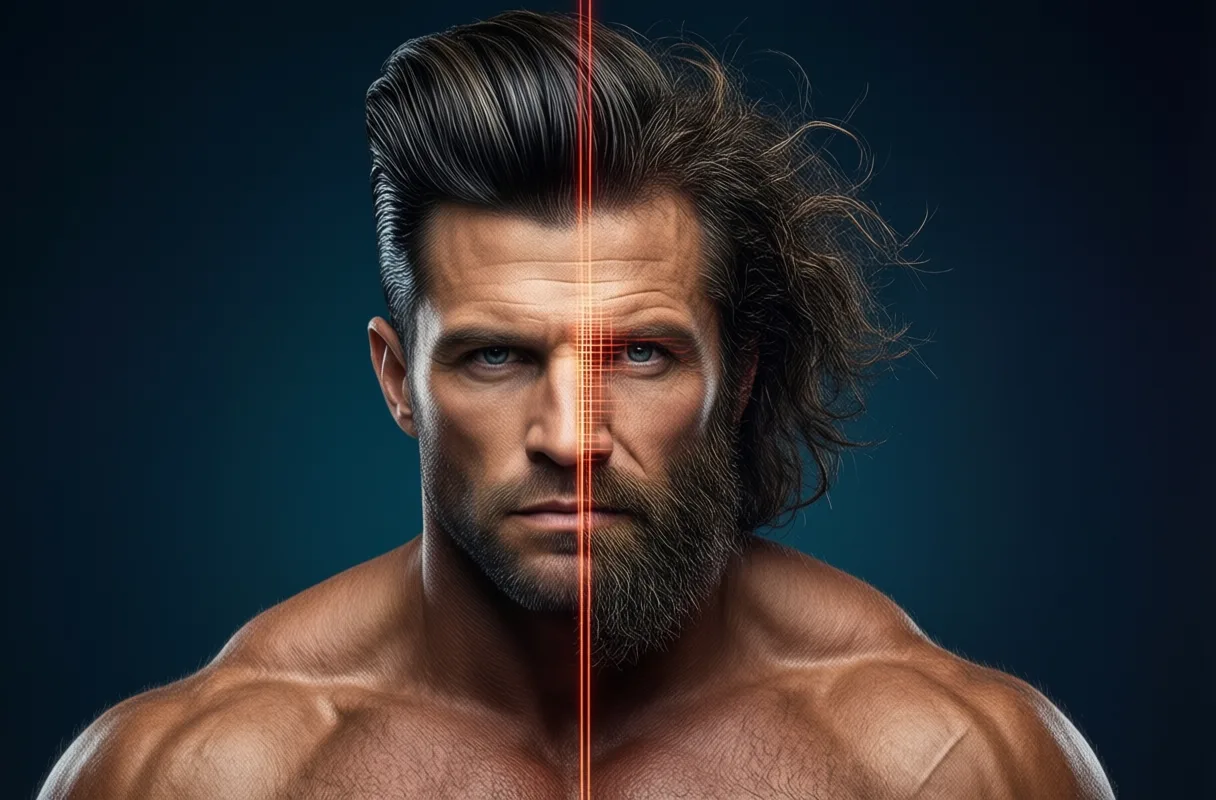
The fade is not a trend. It’s a standard. It starts short at the bottom and gradually blends into longer hair on top. The taper is seamless-no lines, just progression.
It highlights bone structure. The clean rise from neck to temple sharpens the jaw. This cut works best on men with defined facial angles.
Length on top can vary. Pair it with a side part, quiff, or textured top. The sides stay low-skin, low, or mid fade-depending on preference.
Best Pairings: Coarse or Straight Hair Types
Straight hair lies flat and blends smoothly in the fade. It allows for crisp lines and clean transitions. Coarse hair holds the shape longer between cuts.
Fine or thin hair can work, but the fade must be shorter. Long tops on thin hair look sparse. Keep volume controlled and roots tight.
Avoid high fades if you have a short hairline. A mid or low fade preserves forehead balance. Let the barber taper into natural hairline.
4. The French Crop – Low Maintenance with High Impact
Short on the sides, slightly longer on top, with a blunt fringe. The French crop is efficient. It requires little product and less styling time.
It’s a modern take on the crew cut. The fringe is cut straight across, just above the eyebrows. It frames the eyes without covering them.
This cut suits men who want clean, athletic energy. It’s gym-ready and office-appropriate. No fuss, no failure.
Ideal for Rectangular and Long Face Proportions
For long faces, this cut shortens the vertical line. The fringe reduces forehead height. The short sides prevent elongation.
Volume is kept low on top. Too much height makes the face look longer. A flat or slightly textured top maintains balance.
If your face is narrow, avoid ultra-short sides. A low taper adds width at the cheek level. It creates a more proportional look.
5. The Pompadour – Volume That Defines a Look
Big on top, slicked back with height and drama. The pompadour is bold. It demands confidence and structure.
Top hair is blow-dried upward and backward. Roots are lifted, ends smoothed. It’s secured with medium-to-high hold product.
This cut transforms presence. It adds vertical dimension. Ideal for men with strong foreheads and balanced lower faces.
Managing It with Fine or Thin Hair
Fine hair lacks volume. But with the right technique, you can create lift. Use a volumizing mousse at the roots before blow-drying.
Teasing the underlayers adds foundation. Never over-apply product-fine hair collapses under weight. Choose lightweight gels or fiber pastes.
Keep the sides tight. A fade or taper offsets the top’s volume. This contrast keeps the look grounded, not cartoonish.
6. The Ivy League – Soft Layers for Professional Settings
A step up from the crew cut. The Ivy League features soft layers on top, slightly longer than a buzz. It’s neat, clean, and understated.
Length on top allows for a side part or light texture. The sides are tapered, not faded. The transition is gradual, never harsh.
This cut fits corporate environments and casual weekends. It’s the haircut of disciplined professionals-like a well-programmed workout.
Adjusting Length Based on Hair Density
Thick hair can handle more length on top. Use light layering to reduce bulk. A scissor-over-comb technique keeps it natural.
Thin hair benefits from shorter tops. Longer lengths on sparse hair expose scalp. Keep it between 2–3 inches max.
The key is balance. Too short loses the Ivy League identity. Too long turns it into a business quiff. Stay in the sweet spot.
7. The Buzz Cut – Bold Simplicity Across Face Shapes
No debate. The buzz cut is commitment. It’s shaved close with clippers, usually a guard 1 to 4. It reveals everything-good and bad.
It’s low maintenance. Wash, dry, repeat. No product. No styling. Just raw, unfiltered presence.
This cut works because it removes distraction. It highlights facial symmetry, jawline, and neck thickness-assets built in the gym.
When Hair Type Doesn’t Matter
Curly, straight, thin, thick-none of it matters. The buzz cut eliminates variation. Hair texture disappears under the guard.
It’s ideal for men losing hair or avoiding maintenance. It’s also a power move for those with strong bone structure.
Pair it with a clean shave or light stubble. Keep the neckline sharp. One pass with a trimmer defines the edge.
8. The Slicked-Back Look – Confidence in Control
Hair is combed straight back from the forehead. It’s smooth, tight, and polished. This cut says you’re in charge.
It requires hold. Use a high-shine pomade or strong gel. Apply to damp hair, comb back, and smooth with a brush.
The look works best when hair grows forward naturally. It resists gravity-like holding a deadlift at lockout.
Requirements for Straight or Thick Strands
Straight hair slicks back cleanly. It lies flat without flyaways. Thick hair adds density, making the top look full.
Wavy or curly hair fights the style. It may require heat or chemical smoothing. Not worth the damage for most.
If your hair is thin, avoid too much shine. It highlights scalp. Use matte product and keep the top slightly textured.
9. The Fringe with Fade – Youthful and Versatile
Front hair cut straight or angled across the forehead. The sides are faded. This combo balances modern edge with clean lines.
The fringe can be short or long, thick or wispy. It covers part of the forehead, reducing its appearance.
This cut is popular for a reason. It’s adaptable, fresh, and works across ages.
Matching the Cut to Forehead Height
High foreheads benefit from a longer fringe. It brings the hairline down visually. A straight-across cut works best.
Low foreheads need a shorter fringe. Too much hair overwhelms the face. An angled or side-swept fringe opens space.
Pair with a mid or low fade. High fades on short foreheads look top-heavy. Keep the balance vertical.
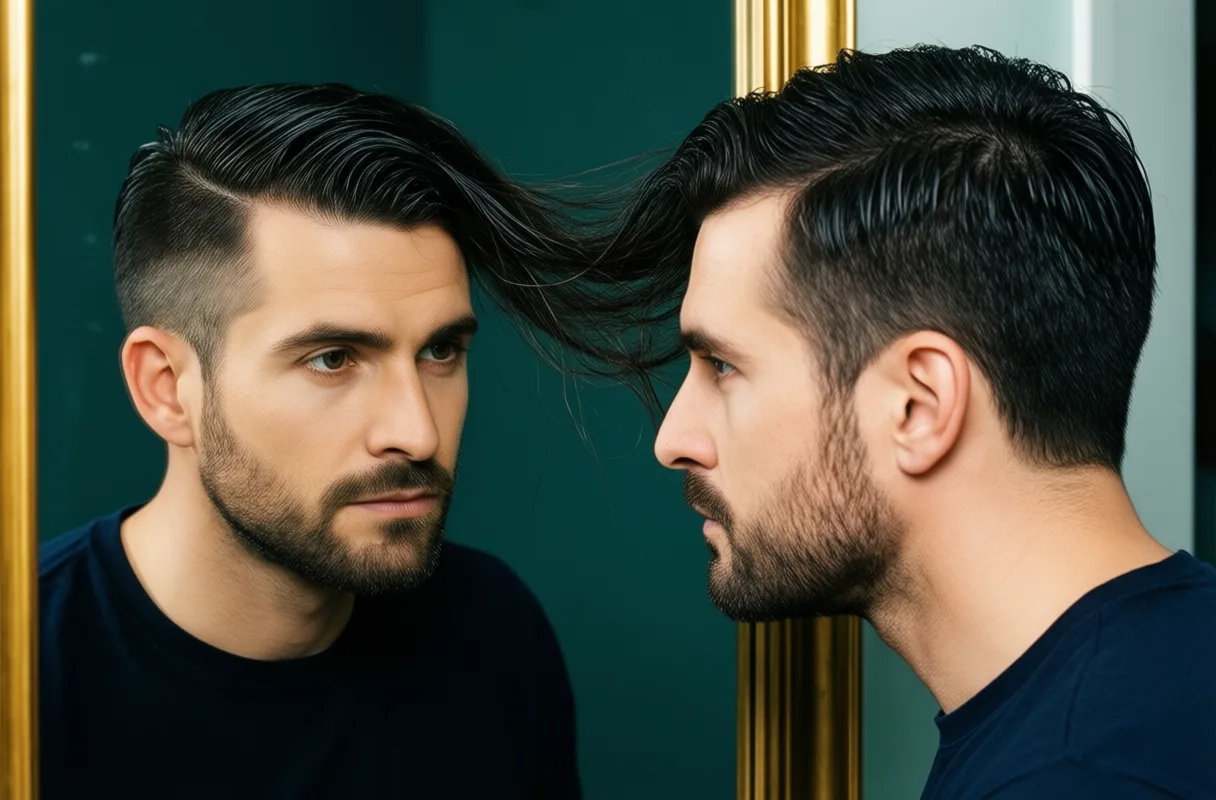
10. The Layered Undercut – Dynamic Movement and Texture
Top hair is left long, sides and back shaved or faded. The contrast is dramatic. Layers on top add movement and shape.
It’s a high-impact style. The undercut removes weight, letting the top flow. Texturizing shears create separation.
This cut thrives on motion. It’s not static. It shifts with your head, like muscle under skin.
Ideal for Curly or Dense Hair
Curly hair explodes with volume. The undercut contains the sides, letting curls dominate the top. Use curl cream to define, not flatten.
Dense hair handles layers well. It can be thinned to reduce bulk while keeping shape. Avoid blunt cuts on thick hair-they look heavy.
Keep the transition soft. A hard line breaks the flow. Use a scissor-over-comb blend for a seamless drop.
Beyond Trends: What Really Makes a Haircut Work
Trends fade. A good haircut lasts. The difference? Function over fashion.
A working cut complements your daily life. It survives sweat, wind, and long hours. It doesn’t need constant fixing.
It also matches your effort. If you train hard, eat clean, and build muscle, your look should reflect that discipline.
Debunking the “One-Size-Fits-All” Myth
No single cut fits all. Your face, hair, and lifestyle are unique. Copying a celebrity style often fails-different genetics, different results.
Barbers see hundreds of faces. They know what opens a narrow face or balances a wide one. Trust their input-but guide it.
Your job is to know your goals. Do you want sharpness? Softness? Volume? Clarity? Define it before you sit.
How to Talk to Your Barber With Confidence
Walk in with purpose. Know your face shape. Know your hair type. Know what you want.
Show reference photos-but explain why you like them. Is it the volume? The fade? The texture? Context matters.
Ask for adjustments. “Can we keep more length on top?” Or “Can the sides blend softer?” Be specific.
Key Questions to Get the Right Cut
- “What length guard are you using on the sides?”
- “Can you blend the top into the fade?”
- “How often should I come back for a touch-up?”
- “Does this work with my hair type?”
These questions show you’re informed. They invite collaboration, not confusion.
Never say “just clean it up.” That’s a recipe for inconsistency. Define “clean”-shorter? Tighter? Sharper?
The Final Cut: Style Meets Strategy
Your haircut is part of your identity. It’s not separate from fitness. It’s an extension of it.
Every rep, every meal, every cut-it all adds up. You’re building a physique. Your look should match that standard.
Choose cuts that enhance, not distract. Build a rotation if needed. Adapt as your hair, face, and goals change.
This is grooming with purpose. Like training, it’s progressive. Stay sharp. Stay focused. Stay chiseled.
Finding Your Perfect Cut
The History Behind the Hairs
Barbers have been shaping style since ancient times-Egyptian tomb paintings from over 5,000 years ago show men with trimmed beards and neat haircuts, proving grooming isn’t a modern obsession. Back then, barbers didn’t just cut hair; some even performed minor surgeries, which is why the traditional red-and-white barber pole is said to symbolize blood and bandages.
Short hair gained serious popularity after World War I, when soldiers cropped their hair for hygiene in the trenches. That practical style stuck, influencing the clean-cut looks of the 1920s and beyond. Even today’s fades and undercuts echo those military roots, showing how function often shapes fashion.
Hair type plays a bigger role than many think-curly hair grows upward more than straight hair, which affects how a cut lays and grows out. That’s why a style that looks sharp on straight hair might need adjustments for tight curls. And fun fact: the average man’s hair grows about half an inch per month, so a well-chosen cut should still look good three to four weeks after the barber’s chair. Explore more stories, videos, and creators on Loaded.
Frequently Asked Questions
What is the best haircut for a round face?
The textured crop is ideal for round faces because it adds height on top, creating vertical lift to elongate the face and counteract roundness.
Which haircut works best for fine or thin hair?
The French crop or a tapered fade with controlled volume works well for fine or thin hair, avoiding sparse or flat appearances.
How does face shape affect haircut choice?
Face shape determines which styles create balance. For example, oval faces suit most cuts, while square faces benefit from softening styles and long faces need shorter sides.
Can curly hair work with a slicked-back look?
Curly hair resists the slicked-back style and may require heat or chemical smoothing, which is often not worth the damage.
This article was produced with AI assistance. How Chiseled Magazine uses AI.
Tariq breaks down elite workout regimens with precision, translating complex routines into actionable plans. He focuses on form, progression, and the mental discipline behind peak physical performance, often drawing from interviews with strength coaches and competitive athletes across multiple sports.