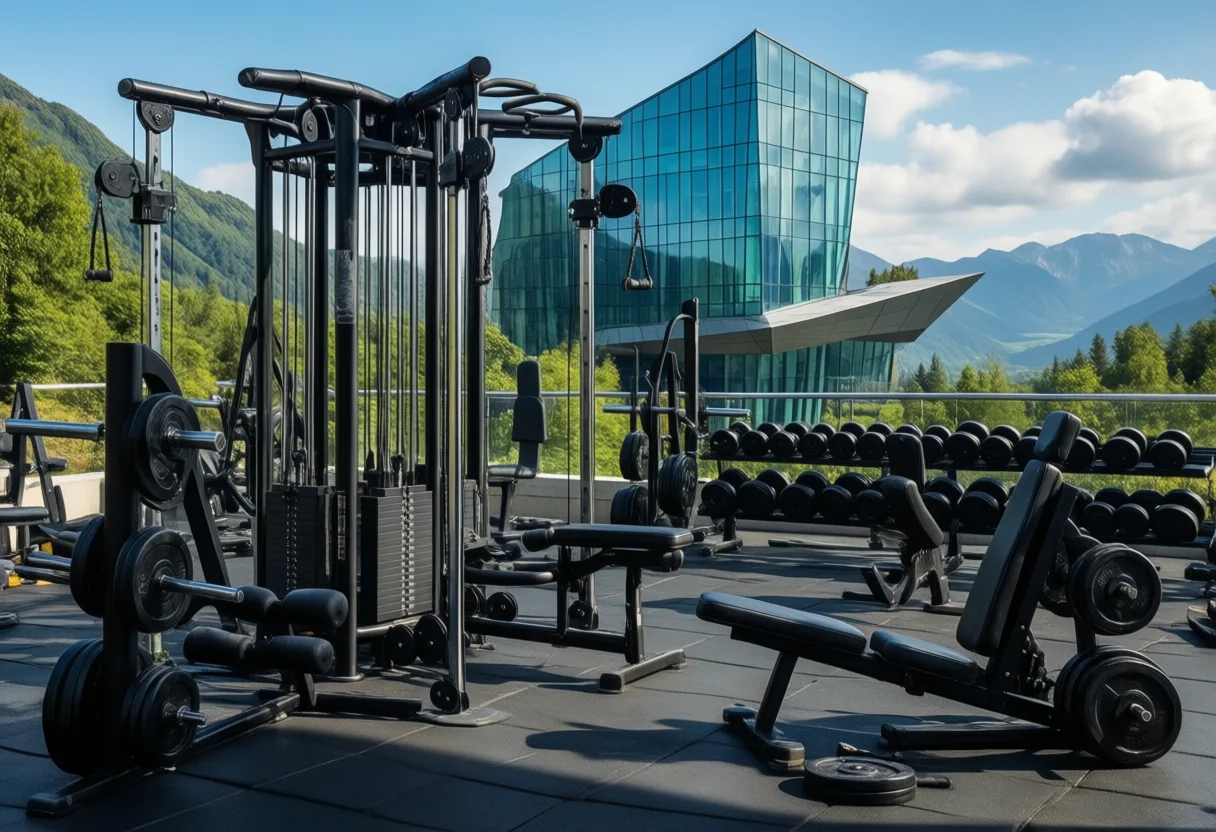

You don’t need a PhD to build muscle-but you do need clarity. Too many people lift weights for years without understanding what actually drives growth, why recovery matters, or how small mistakes sabotage results. Let’s cut through the noise and break down Strength Training Explained simply, so you can train smarter, not just harder.
What Really Happens When You Lift Weights?
The Science of Muscle Growth Made Clear
When you lift, you create tiny tears in your muscle fibers. This might sound destructive, but it’s the Essential first Step in getting stronger. Your body responds by repairing and reinforcing those fibers, making them thicker and more resilient over time-a process called muscle hypertrophy.
This adaptation doesn’t happen during the workout. It happens afterward, when your body is at rest. That’s why consistency and Recovery Are non-negotiable. Without proper stimulus And Recovery, growth stalls.
Think of Strength Training as sending a message to your body: “We need to be stronger.” The weight is the question; muscle growth is the answer. And like any good conversation, timing, clarity, and repetition matter. For more insights into functional strength moves, check out the benefits of the Farmer Carry: Top 5 Benefits for Strength Training.

Why Rest Is Just as Important as the Workout
How Recovery Fuels Strength Gains
You don’t build muscle in the gym-you build it in bed. Sleep, nutrition, and downtime are when your body performs the actual work of repair. Skimp on rest, and you’re essentially tearing down a house without rebuilding it.
Most Beginners underestimate Recovery, pushing hard every day and wondering why progress stops. Muscles need 48 to 72 hours to fully recover after intense training. Training the same group too soon leads to fatigue, not growth.
Active recovery-like walking or light stretching-can help blood flow and reduce soreness. But passive rest, especially quality sleep, is where the magic happens. Growth hormone peaks during deep sleep, making it a silent partner in your gains.
Overtraining isn’t a badge of honor. It’s a fast track to injury, burnout, and stalled results. Respect rest like you respect heavy weights-because it’s just as heavy in the long run.
Not All Reps Are Created Equal: Understanding Volume and Intensity
Finding Your Ideal Training Sweet Spot
Volume (sets x reps x weight) and intensity (how heavy the load is relative to your max) are the twin engines of muscle growth. Too much volume with low intensity? You’re building endurance, not size. Too much intensity with low volume? You’re training for power, not hypertrophy.
For most people aiming to build muscle, the sweet spot is moderate weight, 3–5 sets of 6–12 reps, and controlled tempo. This range provides enough mechanical tension and metabolic stress to trigger growth without sacrificing form.
Here’s a simple rule: if you can do more than 15 reps easily, it’s probably too light. If you can’t hit 5 with good form, it’s likely too heavy. The last 1–2 reps should feel challenging but doable.
Progressive overload-gradually increasing weight, reps, or sets over time-is the golden rule. Without it, your muscles have no reason to adapt. Track your workouts, and aim to improve something each week, even if it’s just one more rep.

Form Over Ego: Why Technique Prevents Injury
Common Mistakes That Derail Progress
Lifting with poor form is like driving a sports car with the brakes on-one step forward, two steps back. It limits muscle activation, increases injury risk, and wastes energy. And yet, it’s one of the most common issues in gyms worldwide.
Rounding your back during deadlifts, bouncing out of the bottom of a bench press, or using momentum on curls-these shortcuts might let you move more weight, but they cheat your muscles and invite injury. Good form ensures the right muscles do the work.
Start light. Master the movement pattern before adding weight. Record yourself or ask a knowledgeable lifter to check your form. Small adjustments-like bracing your core or retracting your shoulders-can make a big difference.
Ego lifting doesn’t impress anyone in the long run. The guy who deadlifts 405 with a shredded back isn’t a role model-he’s a cautionary tale. Train with purpose, not pride.
For beginners, learning proper technique at home is easier than ever. Explore options like Strength Training At Home With Minimal Equipment For Beginners to build a solid foundation.
Can You Build Muscle Without Weights?
Exploring Bodyweight and Resistance Options
You don’t need a barbell to get strong. Bodyweight training-push-ups, pull-ups, dips, squats-can build serious muscle if done with progression and intensity. The key is making the movements harder over time.
Methods like slowing the tempo, adding pauses, or elevating limbs increase difficulty. Resistance bands and suspension trainers (like TRX) also offer scalable load without heavy equipment.
These tools are especially useful for home workouts, travel, or joint-friendly training. They allow full range of motion and emphasize control, which supports long-term joint health.
Even older adults benefit from resistance-based training. Programs tailored for aging populations prove that strength isn’t just for the young-Strength Training For Seniors Builds Balance And Independence shows how.

What to Eat - and When - for Better Results
Nutrition’s Role in Repair and Growth
Muscle doesn’t grow on motivation alone-it grows on protein, energy, and timing. Your body needs adequate protein to repair damaged fibers and carbohydrates to replenish fuel stores. Without both, recovery slows.
Aim for a balanced intake of protein throughout the day-about 20–40 grams per meal, depending on your size. Sources like chicken, eggs, dairy, legumes, and protein powder all work. Spreading intake across meals is more effective than loading it all at once.
Post-workout nutrition matters, but not as much as total daily intake. Eating a mix of protein and carbs within a few hours after training supports recovery. But missing a “perfect” window won’t ruin your gains.
Hydration, micronutrients, and overall calorie balance also play roles. You can’t out-train a poor diet. Fuel like an athlete, even if you’re just starting out.
Progress Isn’t Always Measured in Pounds
Tracking Strength Beyond the Scale
The scale lies. It can’t tell you if you’re gaining muscle or losing fat. It can’t measure confidence, energy, or how your jeans fit. Relying on it alone leads to frustration and bad decisions.
Track progress in multiple ways: strength gains (can you lift more?), endurance (more reps?), recovery (less soreness?), and appearance (tighter clothes, better posture?). Photos and measurements often tell a clearer story than numbers.
Performance is a powerful metric. Can you do your first pull-up? Hold a plank longer? Lift the same weight with better form? These are real wins.
For serious lifters, footwear can impact performance. The right shoes provide stability and transfer power efficiently-Strength Training Shoes For Better Lifting Performance breaks down what to look for. And for expert-backed strategies, see how Men's Fitness Magazine Reveals Best Strength Training Tips.
Strength isn’t just physical. It’s discipline. It’s showing up when you don’t feel like it. It’s choosing long-term results over short-term comfort. Build that, and the muscle will follow.
The Science and Surprise Behind Building Muscle
Your Muscles Love a Challenge – But Not Every Day
Ever wonder why you don’t grow muscle while lifting weights? It actually happens during rest. When you strength train, tiny micro-tears form in your muscle fibers-this is normal and part of the process. Your body repairs these tears during recovery, making the muscles stronger and slightly bigger over time. That’s why rest days aren’t lazy-they’re essential. Skipping them can slow progress or lead to overtraining, which increases injury risk.
Strength Gains Start Before You See Size
You might notice you can lift more weight before actually seeing bigger muscles-and that’s because your nervous system adapts first. Early strength improvements come from your brain learning to communicate more efficiently with your muscles, recruiting more fibers with each effort. This means you get stronger even before hypertrophy (muscle growth) kicks in, usually after a few weeks of consistent training. It’s like upgrading your body’s wiring before building a bigger engine.
Bodyweight Can Be Just as Effective as Weights
You don’t need a gym membership to build strength. Exercises like push-ups, squats, and lunges use your own body weight to create resistance, and when done with proper form and progression, they work just as well as machines or dumbbells for building muscle. Add variations-like elevating your feet during push-ups or slowing down the movement-to keep challenging your muscles without extra equipment. Simplicity doesn’t mean less effective. Explore more stories, videos, and creators on Loaded.
Frequently Asked Questions
How does muscle growth actually happen?
Muscle growth occurs when tiny tears in muscle fibers are repaired during rest. The body reinforces these fibers, making them thicker and more resilient over time through a process called hypertrophy.
Why is rest important for building muscle?
Muscles need 48 to 72 hours to recover after intense training. Growth happens during rest, especially during deep sleep when growth hormone peaks, not during the workout itself.
What is the best rep range for building muscle?
For most people, the ideal range is 3–5 sets of 6–12 reps with moderate weight and controlled tempo. The last 1–2 reps should feel challenging but doable with good form.
Can you build muscle without weights?
Yes, bodyweight exercises like push-ups, pull-ups, squats, and lunges can build muscle when done with proper form and progression. Increasing difficulty through tempo, pauses, or elevation helps drive growth.
This article was produced with AI assistance. How Chiseled Magazine uses AI.
Jin-ho examines how fitness integrates into daily life and evaluates performance gear with a critical eye. He investigates recovery tools, wearable tech, and routines that bridge gym gains with real-world resilience, always prioritizing function over hype.