
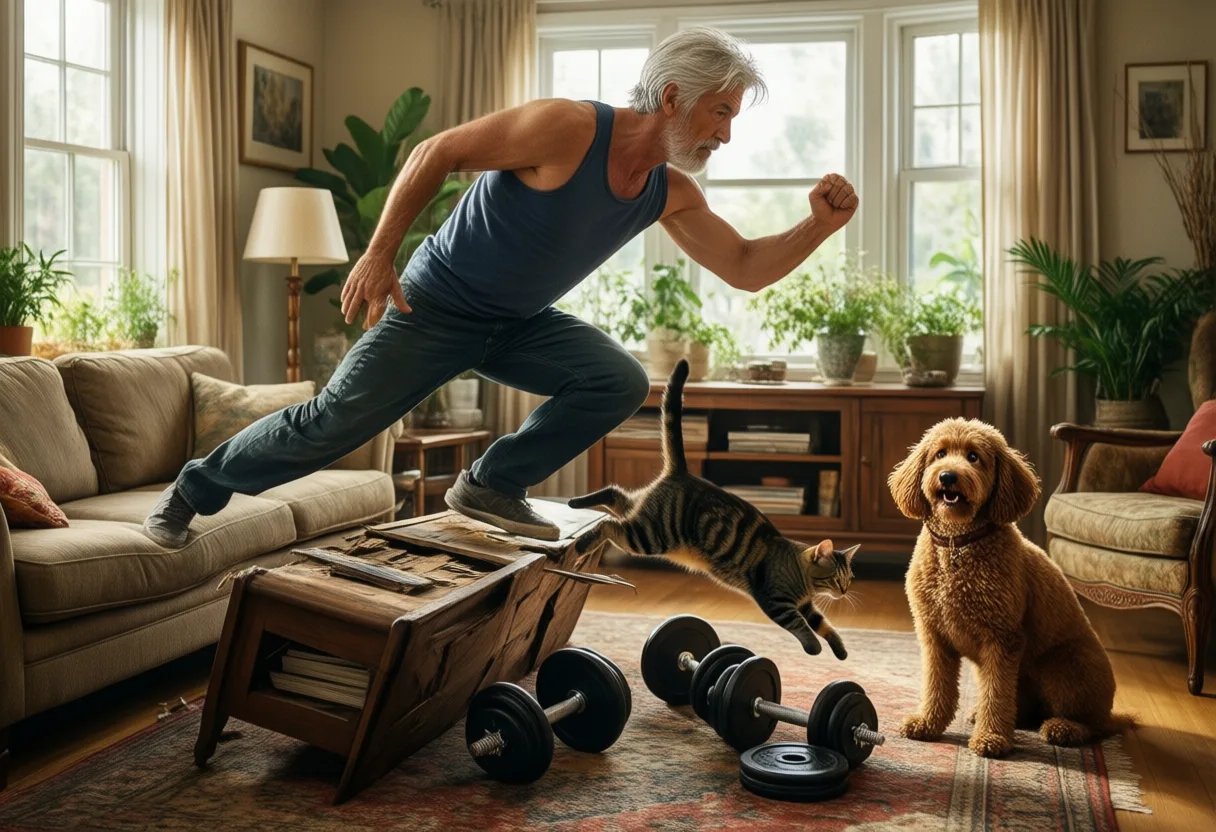
Balance isn’t just for gymnasts or young athletes. For adults over 60, it’s the quiet foundation of daily freedom-standing, walking, reaching, and living without fear of falling. Strength Training Builds that foundation from the ground up.
Why Balance Matters More Than Ever After 60
Falls are a leading cause of injury in older adults. They don’t happen because people suddenly lose control. They happen when small weaknesses compound over time-weak ankles, sluggish reflexes, underpowered legs.
Your body balances through constant micro-adjustments. These rely on strong calves, stable hips, and Responsive core Muscles. When those systems weaken, so does your ability to stay upright on uneven sidewalks or slippery floors.
Strength Isn’t just about lifting heavy things. It’s about control. Every time you rise from a chair or step off a curb, you’re testing your body’s coordination and power. Train those movements, and you train stability itself.
The Hidden Link Between Muscle and Mobility
Muscle loss begins as early as your 30s. By 60, many people have lost up to a third of their muscle mass. This isn’t just about looking frail-it’s about moving with confidence.
Weak muscles mean slower reactions. They mean joints bear more stress. They mean everyday actions-like climbing stairs or Carrying groceries-become exhausting or dangerous. But muscle isn’t destiny. It’s adaptable at any age.
Lifting weights rebuilds what time erodes. Resistance work stimulates muscle fibers, improves nerve signaling, and increases joint support. The result? Faster stand-ups, steadier steps, and sharper movement patterns.
Even low-load training with proper form activates the neuromuscular system. That means your brain talks to your muscles more clearly. Your movements become more precise. And precision is power.

How Strength Training Redefines Aging
Aging doesn’t have to mean decline. It can mean adaptation. Strength Training shifts the narrative-from surviving to thriving, from dependence to autonomy.
Studies show that consistent resistance training improves functional performance. Tasks like getting out of bed, walking to the mailbox, or playing with grandchildren become easier, not harder. Your body responds because it’s been prepared.
You don’t need hours in the gym. Just two to three sessions per week can reverse muscle loss and boost energy. Bodyweight squats, resistance bands, Dumbbell presses-simple tools, massive returns.
Each rep builds more than muscle. It builds resilience. It builds confidence. It builds a body that works for you, not against you.
Myths That Keep Seniors Off the Weights
“Lifting heavy will hurt me.”
“Strength Training is for young people.”
“I’m too old to start.”
These myths are widespread. And they’re wrong.
Strength Training, when done correctly, is safer than inactivity. Proper form and gradual progression protect joints and improve joint health. The risk isn’t in lifting-it’s in doing nothing.
You don’t need to max out or train like a bodybuilder. Functional strength is about movement quality, not ego lifting. Start light. Focus on control. Build consistency.
Progressive overload doesn’t mean crushing weights. It means doing a little more today than yesterday-more reps, better form, less rest. That’s how gains happen. Learn the principles with our Progressive Overload Guide For Beginner Strength Training Made Simple.
Small Movements, Big Impact
You don’t need dramatic workouts to get results. Tiny, consistent efforts compound into real change.
A daily routine of bodyweight squats strengthens the legs and teaches balance. Standing on one foot while brushing your teeth sharpens proprioception. These micro-movements train your body without strain.
Try this:
1. Chair stand – 10 reps, 3 sets
2. Wall push-up – 8 reps, 3 sets
3. Heel-to-toe walk – 20 steps, 2 sets
These exercises mimic real-life actions. They build strength where it counts.
And they prepare you for more. The ability to carry groceries, lift a suitcase, or chase a grandchild-all rooted in small, smart training choices.
When Independence Starts With Reps
Independence isn’t just a feeling. It’s a physical state. It’s being able to dress yourself, walk without aid, and live in your own home.
Every rep you do is a vote for self-reliance. Leg presses protect your ability to climb stairs. Core work keeps you stable when reaching for a high shelf. Shoulder strength lets you lift a pot without fear.
Think of strength as insurance. Not against aging-but against helplessness. The stronger you are, the more you can do without asking for help.
Vinny Paz didn’t become a champion with luck. He built his power through relentless discipline. Discover his mindset with Vinny Paz’s Insane 5 Training Secrets for Unbeatable Strength!. His principles apply at any age.
Designing a Routine That Fits Real Life
You don’t need a gym membership or fancy equipment. You need a plan that fits your schedule and abilities.
Start with two full-body sessions per week. Focus on major movement patterns: push, pull, hinge, squat, carry. Use what you have-dumbbells, resistance bands, or just your body.
Sample beginner routine:
- Bodyweight squat – 2 sets of 10
- Seated row with band – 2 sets of 12
- Wall push-up – 2 sets of 8
- Standing hip extension – 2 sets of 12 per leg
- Farmer carry – 2 laps around the room
The farmer carry builds grip, core, and posture. It’s one of the most functional moves you can do. Learn why in Farmer Carry: Top 5 Benefits for Strength Training.
Rest 60 seconds between sets. Move with control. Breathe. Focus on form, not speed.
Add one rep or five seconds each week. That’s progress. That’s how strength grows.
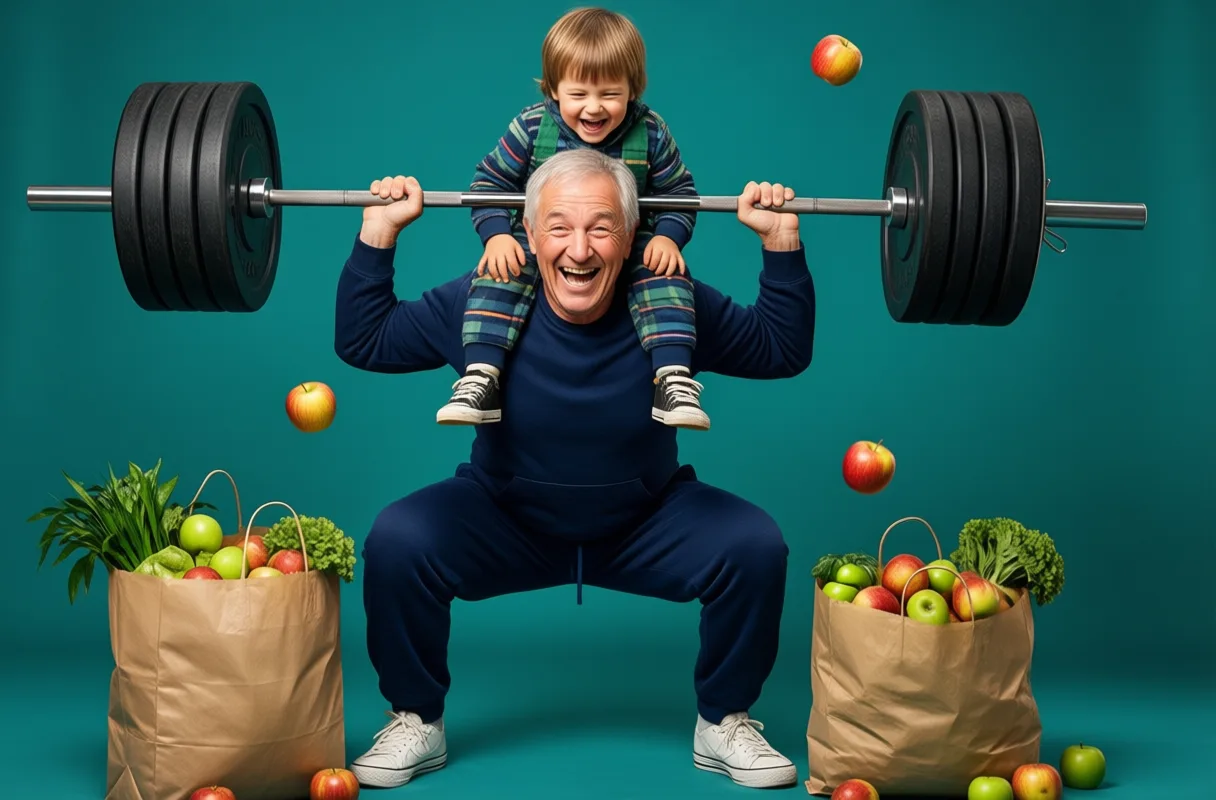
The Ripple Effect of Stronger Muscles
Stronger legs don’t just help you walk. They improve circulation. They support joint health. They reduce fatigue.
Better muscle function means better metabolism. More muscle burns more calories at rest. Blood sugar control improves. Energy levels rise.
And posture changes. Shoulders pull back. Head stays aligned. Breathing becomes deeper. You stand taller-not just physically, but mentally.
Strength lifts more than bodies. It lifts moods. It builds confidence. It creates momentum.
One win leads to another. You start walking farther. You take the stairs. You volunteer for tasks you once avoided.
Beyond the Gym: Strength in Everyday Moments
Strength Training isn’t confined to workouts. It shows up in life.
It’s in the ease of getting up from the floor. It’s in the confidence to walk on icy sidewalks. It’s in playing with grandkids without needing a break.
Everyday strength is functional strength. It’s carrying laundry upstairs. It’s gardening for an hour. It’s lifting a grandchild into your arms without hesitation.
These moments define independence. And they’re earned in the gym, one rep at a time.
Train not for appearance, but for ability. Because the greatest muscle you can build is the one that keeps you free.
| Benefit | How It Supports Independence |
|---|---|
| Improved balance | Reduces fall risk and supports stability on uneven surfaces |
| Increased muscle strength | Makes daily tasks like climbing stairs easier |
| Better bone density | Lowers fracture risk if a stumble occurs |
| Enhanced joint support | Reduces joint stress and improves mobility |
| Greater functional performance | Improves ability to carry groceries or play with grandkids |
| Improved metabolism and energy | More muscle burns more calories at rest |
Building More Than Muscle
Stronger Bones, Steadier Steps
Lifting weights isn't just for bodybuilders-older adults who strength train regularly often see measurable improvements in bone density. This added strength in the skeleton helps reduce the risk of fractures if a stumble happens, making everyday movement safer. Even simple routines using light dumbbells or resistance bands two to three times a week can make a real difference over time.
Balance That Pays Off
You might not think of Strength Training as a balance exercise, but it plays a key role. Building muscle in the legs and core directly supports better stability. Studies show people over 60 who include strength work in their routine are less likely to fall, and when they do, injuries tend to be less serious. It’s like giving your body a more reliable foundation to stand on.
Independence Gains Momentum
The real win? Daily tasks get easier. Carrying groceries, climbing stairs, standing up from a chair-these movements rely heavily on muscle strength. Seniors who train consistently often find they need less help with chores and personal care. That extra strength translates directly into greater freedom and confidence at home. Explore more stories, videos, and creators on Loaded.
Frequently Asked Questions
Why is balance important for adults over 60?
Balance relies on strong calves, stable hips, and responsive core muscles. Weakness in these areas increases the risk of falls on uneven or slippery surfaces.
How does Strength Training improve mobility in older adults?
Strength Training rebuilds muscle, improves nerve signaling, and supports joints. This leads to faster stand-ups, steadier steps, and more precise movements.
Can seniors safely start Strength Training later in life?
Yes, Strength Training is safer than inactivity when done with proper form and gradual progression. Starting light and focusing on control reduces injury risk.
What are simple ways to build strength and balance at home?
Daily bodyweight squats, standing on one foot while brushing teeth, and routines like chair stands and wall push-ups build functional strength and stability.
This article was produced with AI assistance. How Chiseled Magazine uses AI.
Tariq breaks down elite workout regimens with precision, translating complex routines into actionable plans. He focuses on form, progression, and the mental discipline behind peak physical performance, often drawing from interviews with strength coaches and competitive athletes across multiple sports.