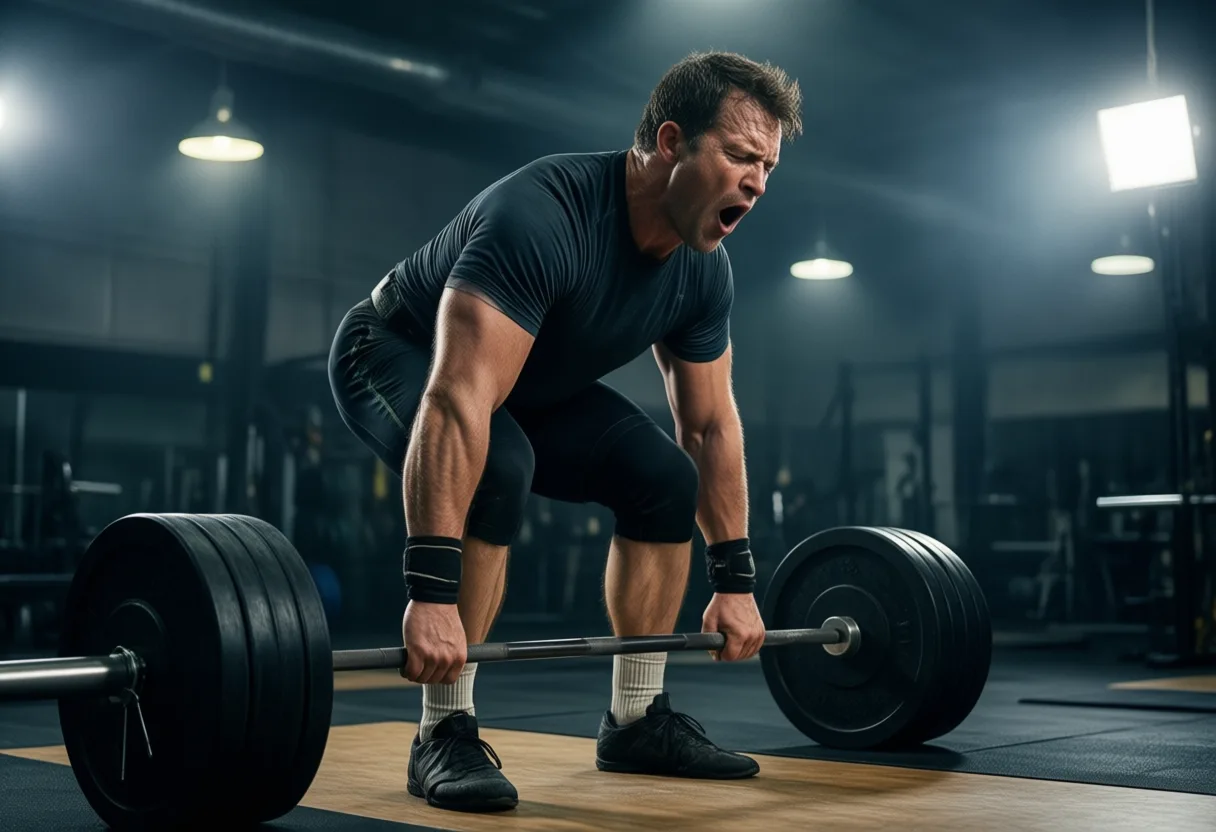

Energy shifts the moment the right beat hits. It cuts through noise, silences doubt, and pulls people to their feet - not by chance, but by design.
This is not just music. It’s momentum engineered in sound.
What Makes a Song Truly Electrify a Crowd?
A great hype song does more than play - it commands attention.
It aligns with the body’s natural rhythm, syncing heartbeats to its pulse. The best tracks trigger a physical response before the mind even registers why.
Timing, tone, and texture work together to create instant connection.
A sudden silence followed by a driving kick drum can ignite a room. A rising synth Line builds Tension like a barbell loading for a max lift.
Songs that move crowds often mirror athletic preparation.
They warm up emotion like muscles before a sprint. Then, they explode - timed perfectly with movement, effort, or celebration.
The Science Behind Beat, Rhythm, and Collective Energy
Human brains respond to predictable patterns in rhythm.
When beats follow a steady tempo, especially between 120–140 BPM, neural pathways synchronize across listeners. This creates Collective entrainment - a shared mental and physical state.
Rhythm impacts motor function instantly.
Foot taps become head nods, then full-body motion. In group settings, this spreads fast - one person’s energy fuels another’s.
Dopamine release spikes during musical peaks.
Anticipation of a drop or chorus drives chemical reward, similar to finishing a brutal set. The brain craves resolution - and the song delivers.
Why Timing Matters More Than Tempo
Speed alone won’t elevate a crowd.
Too fast, and people disconnect. Too slow, and momentum dies. It’s when the beat lands - not how fast - that determines impact.
Perfect timing matches human reaction speed.
A downbeat that hits exactly when expected creates satisfaction. One slightly delayed builds suspense. Both are tools - used wisely, they control energy flow.
Context shapes what “right time” means.
At sunrise workouts, slower builds honor fatigue. At night events, immediate intensity dominates. Know your audience’s state before pressing play.
- Morning sessions thrive on gradual ascents
- Midday competitions demand sharp, punchy cues
- Evening rallies respond to explosive releases
Tempo sets pace. But timing decides whether the crowd follows.
How Context Shapes the Perfect Hype Moment
No single track works everywhere.
A gym anthem may fall flat at a street festival. A party starter might feel out of place at an endurance finish line.
Environment alters perception.
Echoes in large arenas favor longer reverbs and deeper bass. Outdoor spaces need clarity over compression. Indoor rooms amplify high-mid frequencies.
Crowd composition matters most.
Younger groups often connect faster with modern production. Mixed-age audiences respond to familiar motifs - even if remixed.
The goal isn’t volume. It’s relevance.
Match the song’s emotional arc to the moment’s purpose: recovery, triumph, unity, or challenge.

Not All Anthems Are Created Equal
An anthem earns its title through repetition and resonance.
But not every chant, hook, or chorus has universal power. Some rely on cultural memory. Others build identity through lyrics or legacy.
Structure defines function.
Many top-tier hype songs use verse-pre-chorus-chorus progression, but the strongest manipulate expectation. They delay gratification, stretch tension, then release all at once.
Look closely at instrumentation.
Tracks built on layered percussion allow incremental buildup. Those anchored in vocal chants invite participation. Minimalist designs spotlight one element - making it unforgettable.
Key traits of high-impact anthems: - Clear, repeatable phrases - Dynamic contrast between sections - Instrumentation that supports group response (claps, stomps, shouts)
These aren’t accidents. They’re engineered for engagement.
Breaking Down the Anatomy of a Crowd-Moving Track
Start with the intro.
It must grab within three seconds. Silence, a snare roll, or a single note - each can signal importance.
The pre-drop phase increases heart rate.
Filtered synths, rising pitch bends, or accelerating hi-hats create urgency. This mimics the breath before a heavy deadlift - controlled, focused, coiled.
Then comes the payoff.
The drop delivers rhythmic certainty. Drums lock in. Bass stabilizes. Melody becomes secondary to groove.
What separates good from great?
Space. The best tracks leave room for the crowd to fill - with voice, motion, or presence. A song doesn’t own the moment. It enables it.
The Misconception: Loudness Equals Impact
Many assume louder = better for hype.
But maximum volume flattens dynamics, erasing the contrast that makes moments powerful.
Compression kills breathing room.
When everything peaks at the same level, nothing stands out. There’s no climb - only constant shouting.
True power lives in restraint.
A whispered line before a roar grabs harder than endless noise. Think of it like training: pause reps build strength faster than sloppy swings.
Subtle techniques drive deeper reactions:
- Volume swells that mimic adrenaline rise
- Muted verses giving way to open choruses
- Strategic drops into silence
Controlled dynamics shape emotion. Noise just fills air.
Why Subtle Build-Ups Often Outperform Full-Throttle Bangers
Consider the athlete before a set.
Still. Focused. Breathing deep. That calm precedes explosion - and feels stronger because of it.
Music works the same.
A gradual build lets tension accumulate. Each layer adds weight. By the peak, release isn’t just heard - it’s felt.
Full-throttle tracks exhaust quickly.
Without variation, they offer no journey. Listeners adapt, then tune out. But evolving arrangements sustain interest.
Build-ups teach patience.
And when the beat finally hits? The crowd rises as one - trained by the wait.

From Arenas to Block Parties: Universal Appeal vs. Niche Power
Some songs cross borders, languages, generations.
They tap into primal responses - rhythm, call-and-response, triumph - making them effective anywhere.
Others shine in specific scenes.
Hip-hop beats dominate urban gatherings. Rock riffs rule weight rooms. Electronic pulses drive dance circuits.
Universal tracks often lack lyrics or use simple chants.
Words like “hey,” “oh,” or “go” transcend meaning. They become signals - triggers for action.
Niche power lies in authenticity.
A regional genre played locally carries cultural pride. That depth creates loyalty no global hit can replicate.
Know where you are.
Then choose sound accordingly.
Where Certain Tracks Shine and Why
Gym environments favor aggressive attack and consistent tempo.
Songs here act as metronomes - pacing reps, sprints, rounds. Predictability wins.
Sporting events need recognizable intros.
Fans identify the first note. That instant recognition sparks joy - and unity.
Festivals thrive on surprise and escalation.
Extended mixes, key changes, unexpected breaks keep energy climbing over hours.
Each setting demands different sonic strategy.
One song cannot do all jobs well.
Match form to function.
Just like choosing exercises for muscle growth.
The Role of Nostalgia in Modern Hype
Old records still move new crowds.
Not because they’re classic - but because they carry emotional DNA passed through years.
A familiar riff awakens memory.
Even younger listeners absorb these sounds culturally - through films, games, viral clips. Legacy becomes currency.
Modern producers sample vintage grooves for good reason.
They borrow proven emotional architecture. Then layer fresh elements on top.
Nostalgia isn’t escape.
It’s connection - linking past effort to present energy.
When Old School Meets Current Vibes
Remixes bridge generations.
A classic breakbeat under today’s vocal gives both familiarity and novelty.
Sampling done right honors origin while pushing forward.
It respects history but refuses to live there.
The fusion creates wider appeal.
Older fans nod in recognition. Younger ones embrace the now.
This blend powers longevity.
And keeps culture moving.
Practical Takeaways for Curating Energy
Building a hype playlist isn’t random.
It’s programming - like designing a workout plan for maximum output.
Start low, build steady, peak strong.
Warm-up tracks ease people in. Mid-tier bangers raise intensity. Closer songs deliver climax.
Sequence matters as much as selection.
Place high-energy songs too early, and you burn out the room. Delay them, and you lose traction.
Use these guidelines:
- Open with recognizable but restrained tracks
- Space loud songs apart with transitional beats
- End with unifying anthems - simple, chant-heavy, emotionally charged
Treat the playlist like a set ladder.
Each song lifts the next.
Matching Song Choice to Crowd and Setting
Observe before selecting.
Are people tired? Energized? Social? Reserved?
Tailor tempo to physical state.
Fatigued groups need moderate BPM with motivational lyrics. Fresh crowds handle faster, denser rhythms.
Lyric content should reflect intent.
“Push harder” fits gyms. “Let go” suits parties. “We are one” unites rallies.
Sound is leadership.
Choose tracks that guide - not just entertain.

The One Element Every Hype Song Shares
It’s not the bass. Not the lyrics. Not the artist.
It’s the space before the surge - The pause.
That split second of silence resets attention.
It creates anticipation. Focus. Readiness.
Like the breath before a clean, or the stillness before a sprint start - that moment defines what follows.
All great songs use it.
They don’t fear quiet. They weaponize it.
It’s Not the Drop - It’s the Pause Before
In that silence, everyone leans in.
Muscles tense. Ears open. Minds prepare.
The brain projects what’s coming - and amplifies it.
When the beat returns, it feels bigger than it is.
This principle applies beyond music.
In training, rest periods rebuild strength. In life, pauses bring clarity.
Master the gap.
Then own the explosion.
Final Pulse: Measuring Success Beyond Volume
Real success isn’t decibels.
It’s participation. When strangers shout lyrics together, stomp in rhythm, lift phones or fists - that’s victory.
Watch faces, not meters.
Smiles. Sweat. Closed eyes. Jumping feet. These measure true impact.
A song wins when the crowd takes it.
When ownership shifts from performer to people.
That’s the goal.
Not just to play - but to unleash.
Because the best hype song isn’t heard.
It’s lived.
The Science and Surprise Behind Crowd-Starting Anthems
More Than Just Loud and Fast
It turns out the most effective hype songs aren't always the ones with the highest tempo. Research into music and movement shows that a steady, predictable beat around 120-130 beats per minute often works better for getting a crowd moving in unison than a frantic pace. This sweet spot aligns closely with the average human resting heart rate, creating an intuitive, almost primal connection that makes people want to jump, clap, or stomp along without thinking. Think about the songs that get entire stadiums doing the same thing at once-it's usually that reliable, driving pulse you can feel in your chest.
The Unexpected Power of Silence
One of the most potent tools in a hype song's arsenal isn't sound, but the sudden absence of it. That dramatic pause right before the chorus crashes back in-called a "beat drop" or "break"-creates a collective intake of breath across the crowd. This split-second of silence builds immense tension, making the return of the beat feel even more powerful and unifying. It’s a simple trick, but it transforms listeners from passive observers into active participants, all releasing that held breath together in a wave of energy. This shared moment of anticipation and release is often what turns a good song into a legendary crowd starter.
Familiarity Fuels the Fire
The songs that consistently pump up crowds tend to have a secret weapon: widespread recognition. A familiar melody or a universally known lyric allows people to sing along instantly, even if they’ve only heard the song a few times. This shared knowledge breaks down social barriers quickly, turning a group of individuals into a single, roaring unit. It’s less about discovering something new and more about celebrating something everyone already loves together-the collective shout of a well-known line can be more electrifying than any complex production technique. Explore more stories, videos, and creators on Loaded.
Frequently Asked Questions
What makes a song effective at pumping up a crowd?
A great hype song aligns with the body’s natural rhythm, uses timing and texture to create connection, and triggers a physical response. It often mirrors athletic preparation with tension and release.
Why is silence important in a hype song?
The pause before a beat drop creates anticipation and focus. This split-second of silence resets attention and makes the return of the beat feel more powerful and unifying.
Does tempo alone determine a song’s ability to energize a crowd?
No. Timing matters more than tempo. A beat that lands at the right moment creates satisfaction or suspense, while context like audience state and environment shapes impact.
How does familiarity affect a song’s crowd-pumping power?
Familiar melodies or lyrics allow instant participation. Shared recognition breaks down social barriers, turning individuals into a unified, responsive group.
This article was produced with AI assistance. How Chiseled Magazine uses AI.
Tariq breaks down elite workout regimens with precision, translating complex routines into actionable plans. He focuses on form, progression, and the mental discipline behind peak physical performance, often drawing from interviews with strength coaches and competitive athletes across multiple sports.