

Building A lean, muscular physique isn’t about shortcuts or extreme diets-it’s about consistency, strategy, and understanding how the body actually responds to training and nutrition. The men who maintain impressive physiques year-round aren’t relying on genetics alone; they’re applying proven principles with precision and patience.
What It Really Takes to Build Lean Muscle
Gaining visible muscle while staying lean doesn’t happen by accident. It requires a deliberate approach that balances resistance training, nutrition, and recovery over months and years. Many assume that lifting heavy weights every day or cutting calories drastically will deliver fast results, but these tactics often Backfire.
Progressive overload Is the real engine behind muscle growth. This means gradually increasing the demands on your muscles through more weight, reps, sets, or improved technique over time. Without this consistent challenge, muscles have no reason to grow.
It’s also important to recognize that muscle development is highly individual. Factors like Age, sleep quality, stress levels, and daily activity all influence how quickly someone builds muscle. There’s no universal timeline-only the need for steady effort.
The Myth of "Toning" vs. Actual Muscle Development
The term “toning” is everywhere in fitness marketing, but it’s misleading. You don’t “tone” Muscles like Tuning a guitar. What people call “toned” is simply Muscle development combined with low body fat.
Muscles don’t change texture-they either grow or shrink. When someone says they want to “tone up,” they usually mean they want to look more defined without getting bulky. That goal still requires building muscle and reducing fat, not doing endless light reps.
High-rep, low-weight workouts won’t create the look most men want. In fact, research shows that moderate to heavy loads (60–80% of your one-rep max) are most effective for muscle growth, regardless of rep count. The key is effort, not just the number on the dumbbell.

How Training Frequency Influences Muscle Growth
Training a muscle group once a week might maintain strength, but it’s rarely enough for optimal growth. Studies suggest that hitting each major muscle group Two to three times per week Leads to better long-term gains.
Frequent training allows for greater total volume over time, which directly correlates with muscle development. It also improves neuromuscular coordination, helping you lift more efficiently and activate more muscle fibers with each set.
Split routines-like push/pull/legs or upper/lower-make this frequency manageable without overloading any single session. These schedules let you distribute volume across the week while allowing recovery between sessions for the same muscles.
Why Volume Matters More Than Intensity for Long-Term Gains
While lifting to failure feels impressive, it’s not necessary every set-or even every workout. What matters more for sustained muscle growth is Weekly training volume, typically measured in sets per muscle group.
Most evidence points to 10–20 hard sets per muscle group per week as the effective range for hypertrophy. Going beyond that increases fatigue without guaranteeing better results. Staying within this window helps avoid burnout and injury.
Intensity still plays a role, but it should be used strategically. Pushing to failure on compound lifts like squats or bench presses can be counterproductive if done too often. Instead, leaving one or two reps “in the tank” most days allows for better recovery and more consistent progress.
Nutrition: The Role of Protein Timing and Daily Distribution
Protein is essential for muscle repair and growth, but how you spread it throughout the day matters just as much as total intake. Eating protein evenly across meals-about 25–40 grams every 3–4 hours-maximizes muscle protein synthesis.
This balanced approach beats dumping most of your protein into one meal. Your body can only use so much at once; excess beyond what’s needed for synthesis gets oxidized or stored.
Post-workout nutrition isn’t as critical as once believed. As long as you’re eating enough protein over the day and training regularly, the exact timing around workouts has minimal impact. Consistency over time wins.
Balancing Caloric Surplus Without Unwanted Fat Gain
To build muscle, you need more energy than you burn-A caloric surplus. But too large a surplus leads to rapid fat gain, which undermines the lean look most men aim for.
Aim for a modest surplus-around 250–500 calories above maintenance. This provides enough fuel for growth without excessive fat storage. Track your weight weekly; a gain of 0.25–0.5 pounds per week suggests you’re on track.
Focus on nutrient-dense foods: lean proteins, complex carbs, healthy fats, and plenty of vegetables. These support performance and recovery while keeping hunger in check. Avoid treating a surplus as an excuse to overeat junk food.
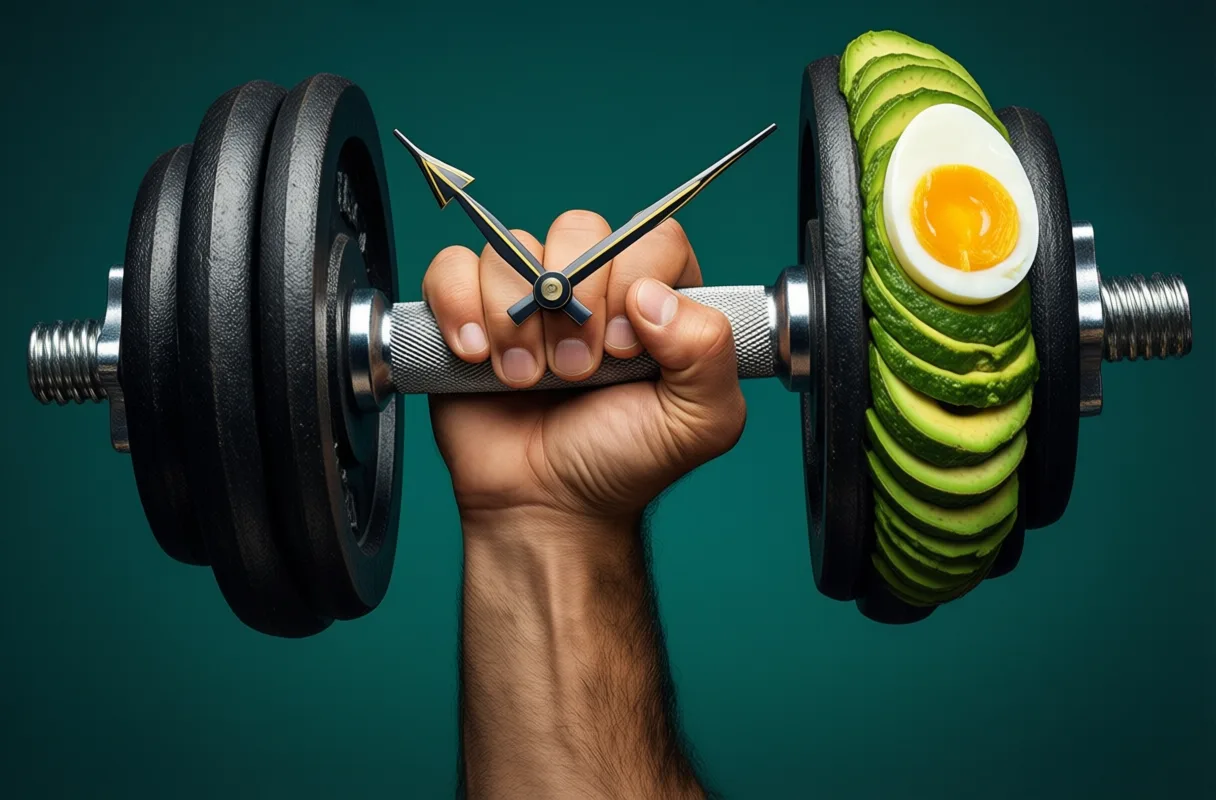
Recovery as a Performance Tool, Not Just Rest
Recovery isn’t passive-it’s an active part of the muscle-building process. Muscles grow when they repair, and that happens outside the gym, not during it. Without proper recovery, progress stalls.
This includes more than just taking days off. Active recovery-like walking, stretching, or light mobility work-can improve blood flow and reduce soreness. It keeps the body moving without adding stress.
Overtraining is real, but so is under-recovering. Signs include persistent fatigue, declining performance, and trouble sleeping. These aren’t badges of honor-they’re warnings to adjust your approach.
Sleep, Stress, and Hormonal Impact on Physique Development
Sleep is non-negotiable for muscle growth. During deep sleep, the body releases growth hormone and repairs tissue. Skimping on sleep blunts these processes and increases cortisol, a hormone that can break down muscle.
Aim for 7–9 hours of quality sleep per night. Poor sleep also affects hunger hormones, increasing cravings and making it harder to stick to a diet. It’s a silent saboteur of both fat loss and muscle gain.
Chronic stress has similar effects. High cortisol levels over time can impair recovery, reduce testosterone, and promote fat storage-especially around the midsection. Managing stress through mindfulness, breathing, or hobbies isn’t optional for peak performance.

Smart Progression: Avoiding Plateaus with Subtle Adjustments
Plateaus happen to everyone. The key isn’t to avoid them, but to navigate them with smart tweaks. Instead of chasing heavier weights at all costs, consider adjusting other variables.
You can increase volume by adding a set or two. Or improve time under tension by slowing down the lowering phase of a lift. Even small changes in rest periods or exercise order can shock muscles back into growth.
Deload weeks are also powerful tools. Reducing volume or intensity every 4–6 weeks gives the body a chance to fully recover and come back stronger. It’s not quitting-it’s strategic recalibration.
Listening to the Body: When to Push and When to Pull Back
Discipline is important, but so is awareness. Pushing through pain or exhaustion can lead to injury, which sets you back far more than taking a step back ever would.
Learn the difference between discomfort and danger. Muscle burn during a set? Normal. Sharp joint pain? Stop. Fatigue after a hard week? Maybe it’s time to deload.
Your body gives signals every day-through energy levels, mood, performance, and soreness. Ignoring them leads to burnout. Respecting them builds resilience and long-term success.
Beyond the Mirror: Sustaining Results for Life
Looking good shirtless is a great motivator, but the real win is building a lifestyle that supports long-term health and strength. The men who stay in shape for decades aren’t obsessed with mirrors-they’re committed to habits.
They train because it makes them feel strong, not just look good. They eat well because it fuels their lives, not just their abs. And they recover because they know performance depends on it.
Sustainability beats intensity every time. A routine you can stick with for years will always outperform a brutal 12-week program you quit after three weeks. Build the physique you want, then build the life that keeps it.
| Practice | Purpose |
|---|---|
| Train 2–3 times per week per muscle group | Maximize long-term muscle growth and recovery |
| Use moderate to heavy loads (60–80% one-rep max) | Optimize muscle growth regardless of rep count |
| Eat every 2.5 to 3.5 hours | Keep metabolism active and support steady muscle synthesis |
| Prioritize sleep and mobility work | Enhance recovery and reduce soreness naturally |
| Include tart cherry juice in routine | May reduce soreness and improve sleep quality |
The Real Deal Behind the Physique
Let’s be real-those magazine-cover physiques look almost too perfect to be true. But for men’s fitness models, it’s less about magic and more about consistency, smart choices, and a few surprising habits that keep their bodies camera-ready. These aren’t just gym rats living on chicken and broccoli; they’re strategic athletes who treat their bodies like high-performance machines.
More Than Just Heavy Lifting
Most people assume fitness models spend hours hoisting massive weights, but many actually focus on time under tension and controlled movements rather than max lifts. This approach builds lean muscle without adding excessive bulk-exactly what the stage and photo shoots demand. Some even prioritize sleep over extra workouts, knowing recovery is where real growth happens. Ever heard of a model doing mobility drills before bed instead of another set? That’s common practice.
Food Isn’t Just Fuel-It’s Timing
You won’t catch most top-tier men’s fitness models skipping meals or crash-dieting before a shoot. Instead, they eat every 2.5 to 3.5 hours to keep metabolism active and muscle synthesis steady. And while protein is key, carbs are far from banned-especially post-workout, when muscles are primed to absorb them. One lesser-known trick? A lot of them include tart cherry juice in their routine, not for taste, but because it may help reduce soreness and improve sleep quality naturally. Explore more stories, videos, and creators on Loaded.
Frequently Asked Questions
How often should I train each muscle group for optimal growth?
Training each major muscle group two to three times per week leads to better long-term gains. Split routines like push/pull/legs or upper/lower help distribute volume and allow recovery.
What is the most effective way to build lean muscle without getting bulky?
Focus on moderate to heavy loads (60–80% of one-rep max) with controlled movements and time under tension. This builds lean muscle without excessive bulk.
How important is protein timing for muscle growth?
Eating protein evenly across meals-25–40 grams every 3–4 hours-maximizes muscle protein synthesis. Post-workout timing has minimal impact if daily intake is sufficient.
How can I gain muscle without gaining excess fat?
Aim for a modest caloric surplus of 250–500 calories above maintenance. Track weight weekly; a gain of 0.25–0.5 pounds per week indicates balanced progress.
This article was produced with AI assistance. How Chiseled Magazine uses AI.
Jin-ho examines how fitness integrates into daily life and evaluates performance gear with a critical eye. He investigates recovery tools, wearable tech, and routines that bridge gym gains with real-world resilience, always prioritizing function over hype.