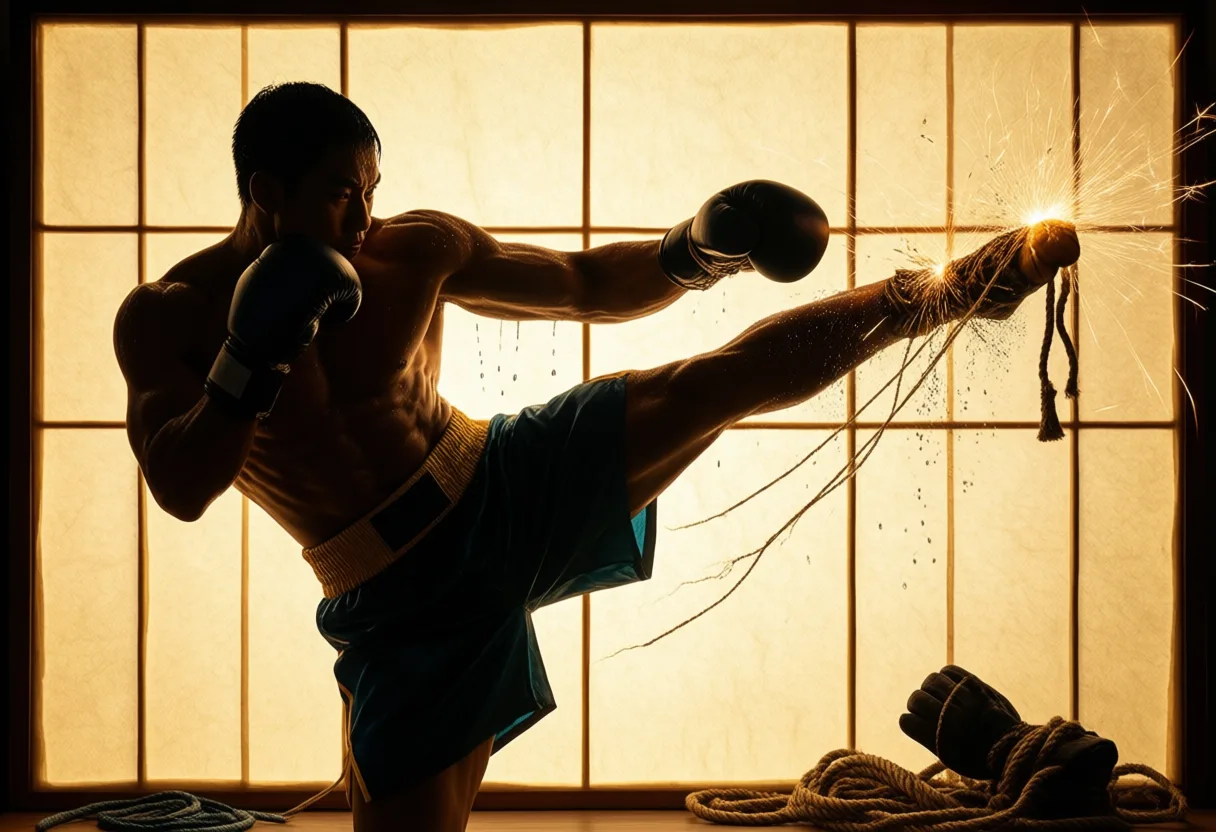
Great boxers don’t just win-they dominate with presence, precision, and raw physical mastery. Their bodies are weapons forged in sweat, their movements sharp and deliberate, built not by chance but through relentless discipline. These athletes blend Explosive power With sculpted physiques, proving that strength, speed, and symmetry can coexist at the highest level.
The Blueprint of a Champion’s Physique
Boxing demands more than brute force-it requires Total-body conditioning That builds lean muscle, enhances endurance, and sharpens reflexes. The most effective fighters carry low body fat with high muscle density, allowing them to generate knockout power without sacrificing Mobility. Every punch thrown engages the core, shoulders, back, and legs in perfect kinetic harmony.
Their Training Isn’t about lifting the heaviest weights-it’s about functional strength. Push-ups on fists, explosive medicine ball slams, and resistance-band punches build fast-twitch muscle fibers critical for speed and impact. Core work is non-negotiable: planks, leg raises, and rotational drills create the rigid midsection needed to absorb hits and deliver devastating counters.
These athletes eat with purpose-high-protein meals, complex carbs, and healthy fats fuel recovery and growth. Hydration is constant. Sleep is sacred. There are no shortcuts. The ripped six-pack isn’t for show-it’s the result of years of clean living and unshakable routine.
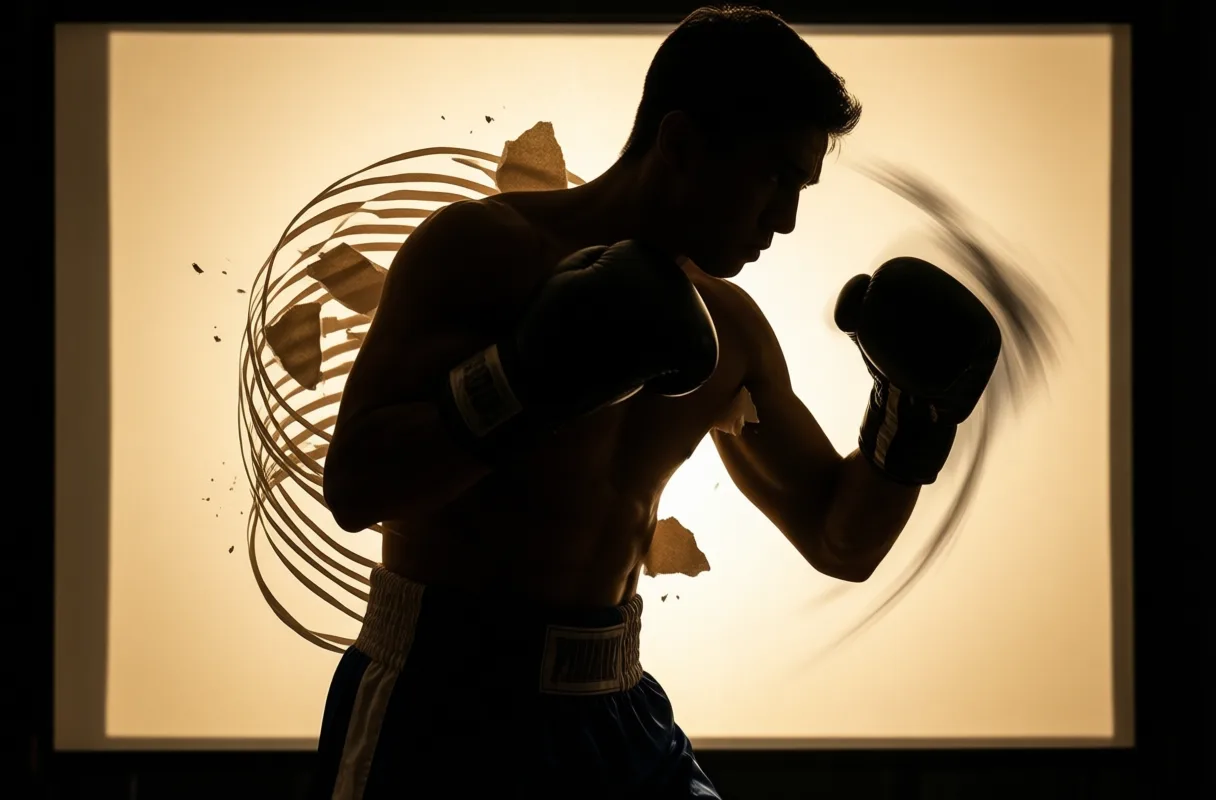
Fighters Who Mastered Form and Force
Some boxers stand out not just for wins, but for how they moved-their style etched into memory as much as their records. They fought with economy of motion, turning defense into offense with surgical timing. Their footwork was poetry, their balance flawless, their physique a testament to sport-specific hypertrophy.
They trained Like warriors, not bodybuilders. Skipping rope for 30 minutes a day sharpened coordination and calf definition. Heavy bag sessions built shoulder stamina and chest power. Sparring under fatigue taught mental toughness and real-time adaptation-skills that translate directly to performance under pressure.
Their diets were Simple but Strict: grilled proteins, brown rice, leafy greens, eggs, and nuts. No processed junk. No empty calories. Every meal served a role-repair, energize, or sustain. Supplements, if used, supported-not replaced-real food. Discipline at the table matched discipline in the gym.
- Morning runs built lung capacity and leg strength
- Shadowboxing refined technique and muscle memory
- Isometric holds increased joint stability and core control
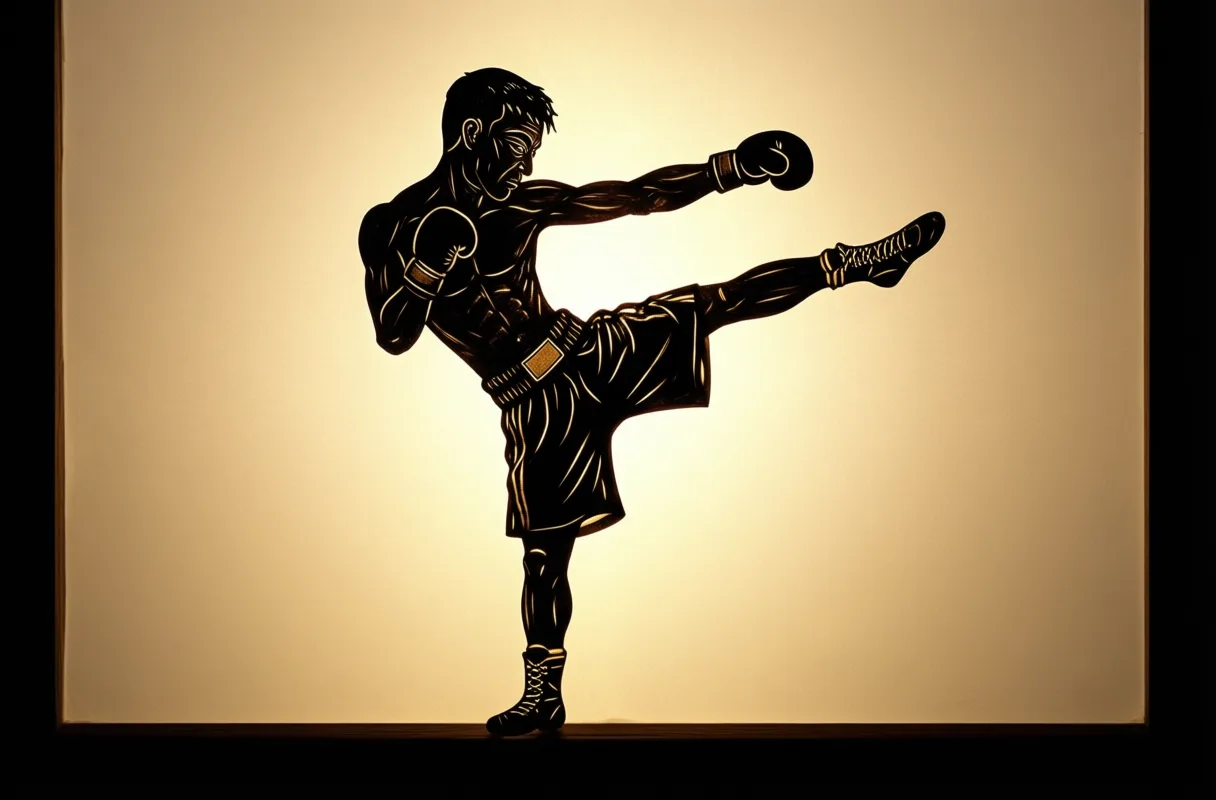
Building Your Own Fighter’s Body
You don’t need a ring to train like a champion. What made these athletes great was consistency, not genetics. You can build similar power, definition, and resilience with focused effort and smart programming. Start with compound movements: pull-ups, dips, squats, and push-ups-done with intensity and precision.
Structure your week like a fighter:
1. Strength days (focus on explosive reps and short rest)
2. Conditioning circuits (jump rope, sprints, burpees)
3. Skill-based drills (shadowboxing, agility ladder, core burnouts)
Train with purpose. Every rep should challenge you. Every session should leave you stronger than before. Track progress not just in pounds lifted, but in stamina gained, fat lost, and confidence built.
Nutrition fuels transformation. Eat every 3–4 hours. Prioritize protein intake to support muscle repair. Cut sugary drinks. Drink water. Sleep seven to eight hours nightly. Recovery is where growth happens-respect it.
The look of a boxer-tight waist, broad shoulders, chiseled arms-is earned. It’s not spray-on tan or Photoshop. It’s early mornings, sore muscles, and saying no when others say yes. That kind of dedication builds more than a body. It builds character.
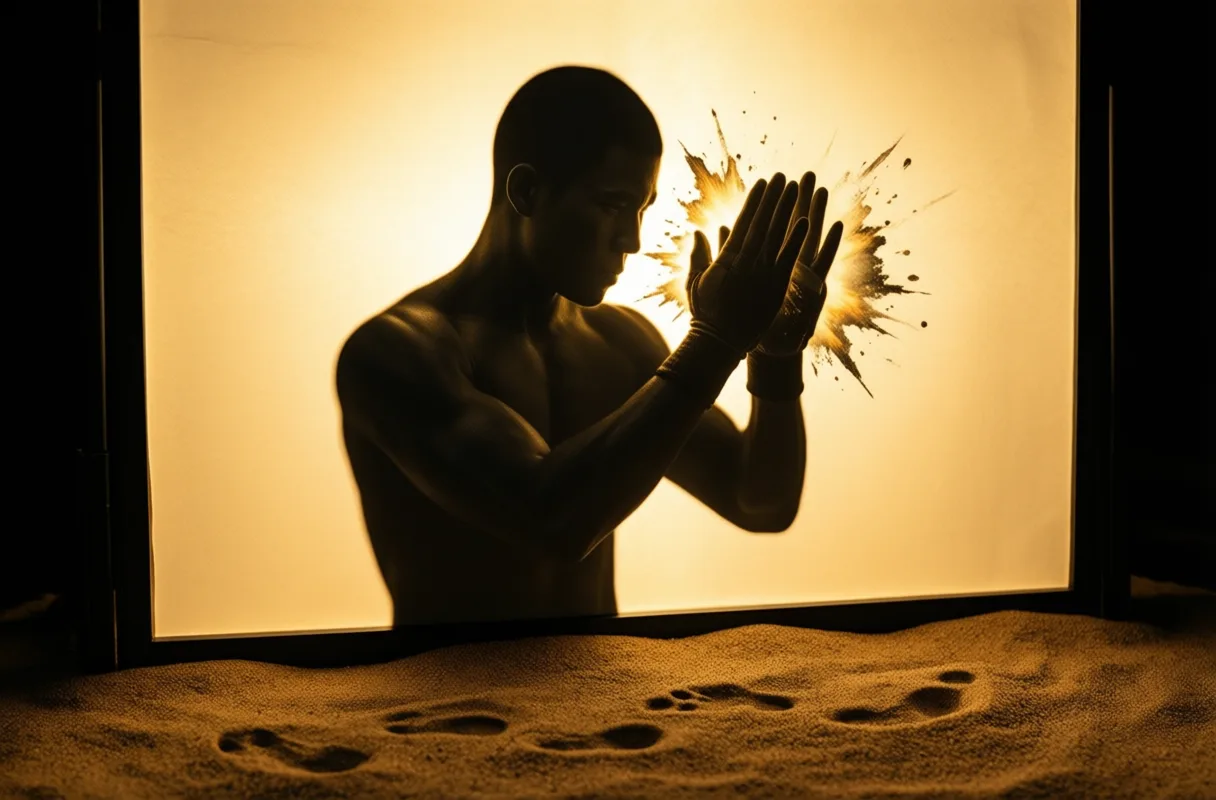
Why Style Meets Substance in the Ring
True greatness in boxing comes from the fusion of skill and physicality. A powerful jab means nothing without accuracy. A shredded torso won’t save you from a well-placed hook. The best combined both-mastery of movement and mastery of muscle.
They didn’t chase trends. No fads. No gimmicks. Just hard work, repeated daily. Their routines were boring to some-but boredom breeds results. Progress comes from doing the basics better, longer, and with greater focus than anyone else.
You can adopt this mindset. Train like your body depends on it-because it does. Whether you step into a gym or onto a street, strength and agility give you an edge. Build your body like a weapon. Not for violence-but for readiness, resilience, and self-mastery.
When you look in the mirror, see potential. See the athlete inside waiting to emerge. Then go train like him.
Legends Who Moved Like Thunder
Style That Stopped Clocks
Muhammad Ali didn’t just float like a butterfly-he rewrote the playbook on charisma in sports. Before fights, he’d recite poetry predicting his wins, turning press conferences into must-watch performances. His footwork was so smooth it looked like he was skating on air, and that famous “Ali Shuffle” left opponents blinking, wondering what just happened. He wasn’t just fighting for titles; he was fighting for attention, and he won every round outside the ring too.
Power With a Signature Flair
George Foreman made sledgehammer punches look effortless. In the 1974 “Rumble in the Jungle,” most thought he’d crush Ali-but it was Foreman’s sheer force that defined his early career. Later, after his comeback, he returned not only with power but with charm, becoming a grilling icon no one saw coming. Then there’s Floyd Mayweather Jr., whose defensive mastery made him nearly untouchable. He didn’t just win fights-he dissected them, moving with precision while flashing custom gloves worth more than some cars. Every detail, from his walkout music to his robe, was part of the show.
Rhythm, Rhyme, and Ruthless Hooks
Roy Jones Jr. Blurred the lines between boxing and performance art. Switching stances mid-combo, throwing spinning backfists like a martial artist, he fought with a rhythm all his own. One moment he’d be dancing, the next he’d land a punch so fast it seemed to come from behind you. And let’s not forget Manny Pacquiao-starting at flyweight and climbing all the way to welterweight, winning world titles in eight divisions. Few have matched his explosive speed and relentless aggression, all delivered with a smile that made fans root for him across continents. These fighters didn’t just win-they entertained, redefining what it meant to be cool under fire. Explore more stories, videos, and creators on Loaded.
Frequently Asked Questions
What made Muhammad Ali's boxing style unique?
Muhammad Ali floated like a butterfly with smooth footwork and used the famous 'Ali Shuffle' to confuse opponents. His charisma and poetic predictions also set him apart outside the ring.
How did George Foreman combine power and personality in his career?
George Foreman delivered sledgehammer punches that defined his early career. After his comeback, he returned with both power and charm, later becoming a grilling icon.
What distinguishes Floyd Mayweather Jr.'s fighting style?
Floyd Mayweather Jr. Used defensive mastery to become nearly untouchable. He moved with precision and incorporated custom gloves, walkout music, and robes into his performance.
How did Roy Jones Jr. And Manny Pacquiao redefine boxing entertainment?
Roy Jones Jr. Fought with rhythm, switching stances and throwing spinning backfists like a martial artist. Manny Pacquiao combined explosive speed and aggression with a smile, winning titles in eight weight classes.
This article was produced with AI assistance. How Chiseled Magazine uses AI.
Tariq breaks down elite workout regimens with precision, translating complex routines into actionable plans. He focuses on form, progression, and the mental discipline behind peak physical performance, often drawing from interviews with strength coaches and competitive athletes across multiple sports.