
Your back angle shifts the moment the bar changes position. Small adjustments in bar placement create ripple effects through your entire kinetic chain, altering leverage, depth, and Muscle recruitment. Understanding these mechanics unlocks smarter training for muscle growth, strength, and long-term joint health.
How Your Back Angle Shifts Between Squat Styles
The torso leans forward more in the low bar squat. This shift balances the load as the bar sits behind the neck, requiring the Hips To move backward to keep the center of gravity over the mid-foot. The high bar squat keeps the chest more upright, minimizing forward lean and aligning the spine closer to vertical.
This difference in trunk angle directly affects which muscles bear the brunt of each rep. A steeper back angle in the low bar version increases demand on the posterior chain-glutes, hamstrings, and lower back. The high bar style Emphasizes quadriceps Activation due to the more vertical shin angle and greater knee flexion.
Each variation demands precise control. Lean too far forward in the high bar squat and you lose power. Stay too upright in the low bar and you’ll struggle to balance the bar. Mastery means respecting the physics of each form. Train both with intention, not ego.
Where the Bar Sits Changes More Than Just Comfort
Bar placement defines the movement pattern. High bar sits across the top of the traps, just below the base of the skull, as noted by REP Fitness. This position encourages a more vertical torso and keeps the shoulders in a less externally rotated, less demanding Posture. It’s often easier for beginners to achieve and maintain.
In contrast, Low bar positioning rests the barbell lower on the rear delts, requiring significant external rotation and scapular retraction to create a shelf. This setup braces the upper back tightly, forming a solid platform. But it demands greater shoulder mobility and thoracic rigidity-qualities many lifters lack without dedicated work.
The consequences go beyond comfort. A misplaced bar alters spinal loading, hip path, and even foot pressure. Misjudging either position leads to compromised depth, inefficient force transfer, or injury risk. Precision here is non-negotiable. Treat bar placement like a skill-not an afterthought.

Mobility Demands: Which Style Asks More From Your Body?
Low bar squats require more from your upper body. You need sufficient shoulder external rotation and scapular stability to hold the bar securely without shrugging or rounding. Tight lats, stiff thoracic spines, or poor overhead positioning can sabotage form before the first rep begins.
High bar asks more from the lower body. While it reduces shoulder strain, it increases demand at the ankle, knee, and hip. Greater dorsiflexion is needed to allow the knees to track forward while maintaining an upright torso. Limited ankle mobility forces compensation-often seen as heel lifting or knee cave.
Both styles test different limits. Choose based on what your body allows today, not what looks impressive. If your shoulders scream in low bar, don’t force it. If your heels rise in high bar, address it with drills and patience. Mobility isn’t optional-it’s foundational. Build it into every phase of training.
Why Depth Can Be Easier in One Variation
Most people can simply squat deeper high bar than low bar. The upright torso allows the hips to drop between the legs more freely, increasing range of motion without excessive forward travel. This longer ROM enhances muscle activation across the quads, glutes, and adductors.
In the low bar squat, the increased forward lean shifts the hip further behind the bar early in the descent. This can cause the pelvis to “tuck” under (posterior pelvic tilt) at the bottom, limiting depth and risking lumbar shear. Lifters often hit a wall around parallel unless they have exceptional hip mobility.
Depth matters for hypertrophy and functional carryover. A full-range squat builds muscle through stretch-mediated growth and improves joint resilience. If depth is a goal, high bar may offer a smoother path-especially for general fitness and athletic development.
The Hidden Trade-Off Between Leverage and Stability
Low bar uses superior leverage to move heavier loads. By shifting the bar posteriorly, the moment arm at the hip joint increases, allowing the glutes and hamstrings to generate more force relative to the knee. This mechanical advantage makes it a staple in powerlifting.
But that leverage comes at a cost. The forward trunk angle places greater compressive and shear forces on the lumbar spine. Stability becomes harder to maintain, especially under fatigue. One lost inch of bracing can turn a strong rep into a failed set-or worse.
High bar offers better stability through a neutral spine and centered load path. While you may not lift maximal poundages, you gain control, consistency, and joint longevity. For most lifters, this trade-off favors sustainable progress over short-term maxes. Strength lasts longer when built on balance.
Do You Actually Lift More With One Style?
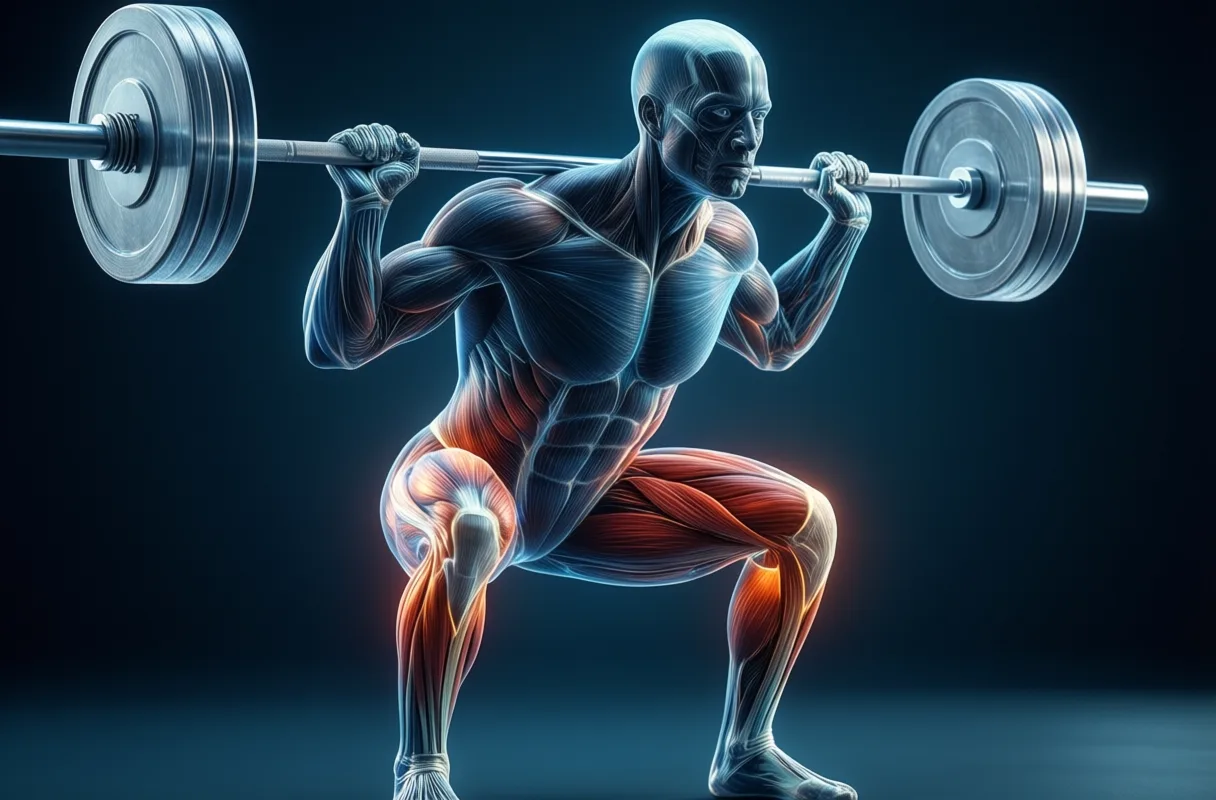
Many lifters move more weight in the low bar squat. A StrongFirst forum discussion notes that some see a 5% increase when switching from high to low bar, while others notice no immediate jump. The potential for heavier loads stems from improved hip leverage and greater contribution from the posterior chain.
But raw numbers don’t tell the full story. Heavier doesn’t always mean better. If the goal is muscle growth, metabolic stress, or athletic transfer, higher volume with moderate loads-often easier in high bar-may deliver superior results over time.
Also, individual structure plays a role. Long femurs, short torsos, or inflexible shoulders change the equation. Some athletes thrive under heavy low bar loads. Others respond better to frequent high bar sessions with explosive intent. Track your progress honestly-don’t chase someone else’s blueprint.
When to Choose High Bar: Practical Applications for Athletes and General Lifters
High bar suits athletes who need explosive, upright movement patterns. Sprinters, jumpers, and team sport players benefit from the triple extension mechanics trained in this stance. The vertical drive mimics on-field propulsion better than the forward-leaning low bar version.
It’s also ideal for general lifters focused on balanced muscle development. The extended range of motion and quad dominance build Leg size And endurance. Combine it with high protein low calorie Meals For weight loss And satiety and you accelerate fat loss while preserving lean mass.
Beginners often find high bar more intuitive. Less shoulder demand means fewer technical barriers early on. Master timing, rhythm, and depth before layering complexity. Build confidence with clean reps, not max attempts.
When Low Bar Fits Better: Powerlifters, Long Limbs, and Load Management
Powerlifters favor low bar for its strength advantages. The ability to handle heavier weights safely-when executed correctly-translates directly to competition performance. It aligns with the sport’s goal: move the most weight possible in the squat discipline.
Lifters with long legs or short torsos often find low bar more mechanically efficient. Their leverage disadvantages in high bar disappear when the hips take over. The bar path stays over the mid-foot with less knee travel, reducing strain on the quads and patellar tendons.
It also allows for effective load management during peaking phases. Even if total volume decreases, intensity increases without sacrificing technique. Use it strategically-not exclusively-to push strength ceilings. Pair it with intelligent recovery and nutrition to stay injury-free.
Common Mistakes That Blur the Line Between Forms
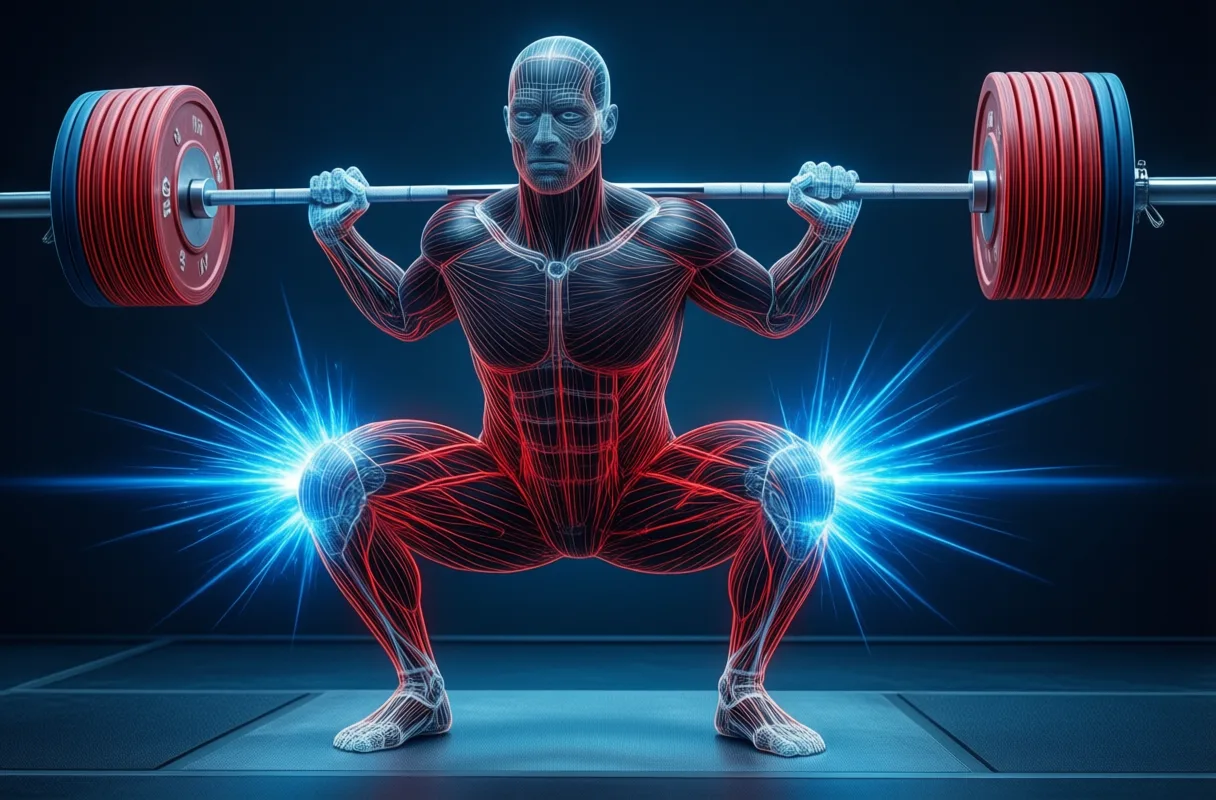
Lifters often blend the two styles unintentionally. They place the bar low but try to stay upright like a high bar squat. This creates a dangerous hybrid-excessive forward lean with poor hip engagement. The result? Lower back strain and stalled progress.
Another error is sacrificing depth for weight in low bar. Dropping shallow teaches the body to cut range, weakening the stretch reflex and limiting hypertrophy. Conversely, forcing high bar depth with poor ankle mobility leads to wobbling and instability.
Bracing failures are universal. Failing to lock the scapulae down and back in low bar collapses the shelf. Letting the ribs flare in high bar disrupts intra-abdominal pressure. Both break tension and leak power. Practice bracing daily-even outside the gym.
What Most Coaches Get Wrong About “One True Squat”
Too many coaches preach one squat as universally superior. They ignore individual anatomy, goals, and injury history. There is no single "correct" way to squat-only what works best for the lifter in front of you.
Some dismiss high bar as inferior because it yields lower loads. Others reject low bar as “unnatural” despite its proven efficacy. Dogma has no place in smart programming. Flexibility beats rigidity every time.
Use both variations strategically. Rotate them based on phase, goal, or recovery status. Let data guide decisions-not trends or tribalism. The best program evolves with the athlete.
Final Takeaways: Matching Your Squat to Your Strength Vision
Your choice between high and low bar should reflect your purpose. Want explosive athleticism and balanced leg development? Lean toward high bar. Chasing raw strength or built for posterior-chain dominance? Explore low bar.
Mobility dictates more than preference. Address limitations head-on with targeted drills and consistency. Don’t fight your structure-work with it. Progress comes from alignment, not force.
And remember: how you eat fuels how you lift. Support your effort with real nutrition-like High And low, where strategy meets execution. Whether you’re building muscle, burning fat, or breaking records, every rep counts. Make them count with clarity, courage, and conviction.
How Your Back Carries the Load
Bar Position Changes Everything
The real difference between high bar and low bar squats starts with where the bar sits. High bar means the bar rests right on top of your upper traps, keeping your torso more upright. Low bar shifts the load down onto the rear delts, which naturally tilts your chest forward and engages the hips more. That small change in placement alters your entire movement pattern-almost like switching from a sprinter’s stance to a hiker leaning into a steep climb.
Mobility and Depth Trade-Offs
High bar tends to be more accessible for most people because it demands less shoulder and thoracic mobility to lock in the setup. Since your chest stays up, many lifters find they can hit deeper squat depths with high bar-great for building range of motion over time. With low bar, the forward lean can limit how deep you go, but that doesn’t mean it’s worse; it just prioritizes different muscle engagement, especially through the posterior chain.
Strength Gains Aren’t Always What You Expect
You might assume shifting to low bar instantly boosts your max, but it’s not guaranteed. Some lifters see about a 5% jump in load capacity when switching, thanks to better leverage for the hips and stronger glute and hamstring involvement. Others don’t gain weight at all initially-it depends on your build, mobility, and technique adaptation. Either way, both styles build serious strength; they just take slightly different routes to get there.
Frequently Asked Questions
What is the main difference between low bar and high bar squats?
The main difference is bar placement: high bar sits on top of the traps, promoting an upright torso, while low bar rests on the rear delts, causing a forward lean and greater hip engagement.
Which squat variation is better for building quad strength?
The high bar squat emphasizes quadriceps activation due to greater knee flexion and a more vertical shin angle compared to the low bar squat.
Why might someone squat deeper in the high bar position?
The upright torso in the high bar squat allows the hips to drop between the legs more freely, increasing range of motion and making deeper squats easier for most people.
Do lifters always lift more weight with the low bar squat?
Many lifters move more weight in the low bar squat due to better hip leverage, but some see no immediate increase-it depends on individual structure, mobility, and technique adaptation.
This article was produced with AI assistance. How Chiseled Magazine uses AI.
Tariq breaks down elite workout regimens with precision, translating complex routines into actionable plans. He focuses on form, progression, and the mental discipline behind peak physical performance, often drawing from interviews with strength coaches and competitive athletes across multiple sports.