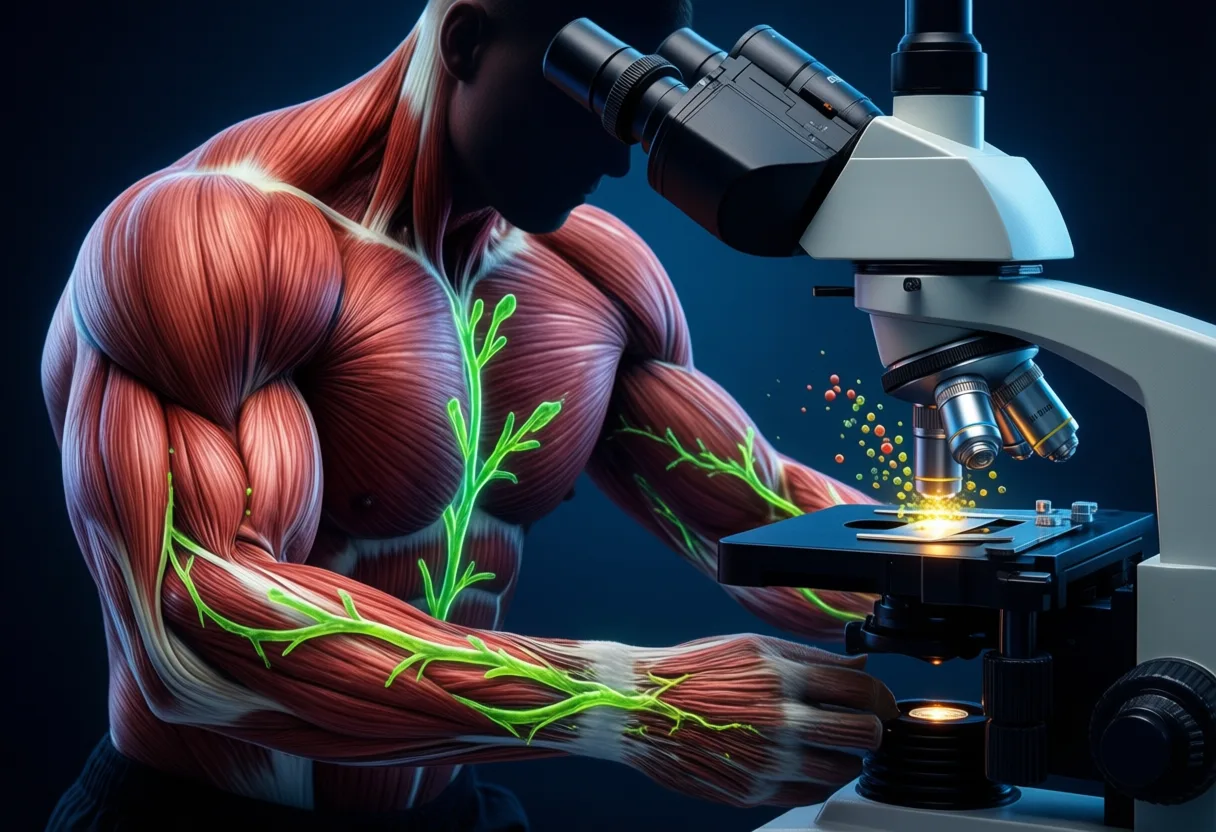

What Really Works for Muscle Growth: The Science Behind Creatine
When it comes to building real muscle, not just filling out a shirt, few supplements have stood the test of time like creatine. It’s not flashy, doesn’t promise overnight miracles, and won’t replace hard work-but it does deliver measurable results when used correctly. Decades of research back its role in boosting strength, power output, and lean Mass gains.
Creatine works by increasing phosphocreatine stores in your Muscles, which helps regenerate ATP-the primary energy currency during short bursts of intense activity. This means you can push harder in the gym, complete more reps, and recover faster between sets. Over time, that extra effort adds up to Noticeable muscle growth And improved performance.
Unlike many overhyped fitness products, creatine isn’t a trend. It’s one of the most studied supplements in sports nutrition, with consistent findings across populations and training styles. Whether you're lifting heavy or sprinting on the track, creatine gives your muscles an edge-backed by science, not marketing.
The Truth About Creatine and Male Physique Development
For men aiming to build a strong, defined physique, creatine is more than just a strength booster-it’s a tool for sculpting muscle. By enhancing workout capacity, it allows for greater volume and intensity, two key drivers of hypertrophy. More volume over weeks and months leads to Visible improvements in Muscle size And density.
Some worry creatine only causes water retention, masking true progress. While it’s true that initial weight gain includes intramuscular water, this isn’t puffiness under the skin-it’s water drawn into the muscle cells, contributing to fullness and a harder look. That cellular swelling may even signal growth pathways, turning on the machinery for protein synthesis.
Over time, users often report better muscle pumps, increased endurance in the gym, and a tighter, more vascular appearance-especially when combined with disciplined diet and training. When paired with resistance exercise, creatine doesn’t just support muscle growth; it helps create the kind of Lean, powerful frame Many associate with peak male fitness.
Why So Many Men Get Creatine Wrong
Despite its popularity, plenty of guys miss the mark with creatine-not because it doesn’t work, but because they use it inconsistently or expect instant transformation. Taking it sporadically, skipping doses, or quitting after a week because “nothing happened” undermines its long-term benefits. Consistency beats intensity When it comes to supplementation.
Others treat creatine like a pre-workout, timing it right before training for an immediate effect. But creatine isn’t stimulatory-it works cumulatively. Your muscles need time to saturate, and that requires daily intake, regardless of workout schedule. Treating it like a quick fix leads to disappointment.
Then there’s the myth that loading is mandatory. While some protocols recommend high-dose loading for faster saturation, it’s not required. A steady dose of 3–5 grams per day will get you to the same place in about four weeks. Skipping the loading phase avoids potential digestive discomfort and keeps Things simple.
How Timing and Type Impact Results
Timing matters less than most think-but type can make a real difference in how well your body uses creatine. The most researched form is Creatine monohydrate, known for its effectiveness, affordability, and safety. Despite newer versions claiming better absorption, none consistently outperform monohydrate in real-world outcomes.
Some advanced forms market themselves as “pre-dissolved” or “buffered,” suggesting they don’t require water loading or cause bloating. But these claims haven’t held up under rigorous testing. In fact, many alternative forms lack the same depth of evidence, making them riskier bets for serious lifters.
As for timing, taking creatine with food-especially carbs or protein-may enhance uptake due to insulin’s role in shuttling nutrients into muscle. Post-workout consumption aligns well with nutrient timing strategies, but again, daily consistency outweighs precise scheduling. Missed your window? Take it later-just keep the habit going.
The Top 9 Creatine Supplements for Serious Gains
Choosing the right creatine supplement means prioritizing purity, transparency, and value. With so many options crowding shelves and online stores, it’s easy to get lost in branding and buzzwords. Stick to formulas that list creatine monohydrate as the sole ingredient or pair it with complementary compounds like electrolytes or amino acids.
- Unflavored creatine powder in single-serve packets – Ideal for travel and precise dosing, free from additives.
- Micronized creatine monohydrate – Dissolves easier, reducing grittiness and potential stomach upset.
- Creatine capsules – Convenient for those who dislike mixing powders, though slightly more expensive.
- Combination formulas with beta-alanine and citrulline – Offer synergistic effects for endurance and pump.
- Flavored creatine powders with no added sugar – Great for taste without spiking insulin unnecessarily.
- Vegan-certified creatine – Sourced without animal testing or animal-derived carriers.
- Third-party tested brands – Provide assurance of purity and absence of contaminants.
- Large-batch tubs with scoop included – Cost-effective for long-term users committed to consistency.
- Kre-Alkalyn (buffered creatine) – Marketed for reduced water retention, though evidence remains mixed.
Not every product delivers what it promises. Some inflate claims or hide low-dose ingredients behind proprietary blends. Look for labels that are straightforward: if it says “creatine monohydrate” and lists the amount per serving, you’re likely on solid ground.

When More Isn’t Better: Dosage Realities
More creatine doesn’t mean more gains-and exceeding recommended amounts just wastes money. The sweet spot for most men is 3 to 5 grams per day, enough to maintain saturated muscle stores without side effects. Going beyond that rarely improves results and may increase the risk of bloating or gastrointestinal issues.
Loading phases-typically 20 grams per day split into four doses-are optional. They speed up muscle saturation by about a week but aren’t necessary. Most people do fine with a steady daily dose, especially if they plan to stay on creatine long-term.
It’s also worth noting that your body produces creatine naturally, and you consume small amounts through meat and fish. Supplementation simply tops off those levels to maximize performance. Think of it like charging a battery: once it’s full, additional current doesn’t help.
The Hidden Factor: Hydration and Long-Term Use
One overlooked aspect of creatine use is hydration. Because it pulls water into muscle cells, staying well-hydrated supports both performance and comfort. Some users report cramping or stiffness when fluid intake lags-easily avoided with consistent water consumption throughout the day.
Long-term studies show creatine is safe for healthy individuals, even over several years. No credible evidence links it to kidney damage in people without preexisting conditions. Still, if you have concerns, consult a healthcare provider before starting any new supplement.
The real challenge isn’t safety-it’s maintenance. Creatine isn’t a finish line; it’s part of a lifestyle. To keep benefiting, you need to keep taking it. Stop, and your stores gradually return to baseline within a few weeks. The gains you built won’t vanish, but the edge you earned fades.

What to Expect After 30 Days of Consistent Use
After a month of daily creatine, most men notice subtle but meaningful changes. Strength increases become apparent-maybe an extra rep here, a heavier set there. These small wins compound fast, especially when tracked over time. Workouts feel more productive, and recovery seems smoother.
Scale weight may rise slightly due to water retention, but this isn’t fat gain. Instead, muscles look fuller, tighter, and more defined-even at rest. Combined with proper training, this creates the illusion of faster progress, which can boost motivation.
Don’t expect Hollywood-level transformations in 30 days. Creatine isn’t magic. But used consistently, it lays the foundation for Real, sustainable muscle development-the kind that shows up in photos, mirrors, and confidence at the gym.
Maximizing Your Routine: Pairing Creatine with Training and Diet
Creatine works best when integrated into a structured plan-not tacked onto chaos. Pair it with progressive overload in the gym: lifting heavier, pushing harder, and tracking progress. Without stimulus, creatine just sits in your system unused.
On the dietary side, combine it with adequate protein and overall calorie intake aligned with your goals. Building muscle requires fuel, and creatine enhances the efficiency of that process. Think of it as amplifying your effort, not replacing it.
Consider timing your dose with a post-workout meal containing carbohydrates and protein. Insulin sensitivity spikes after training, helping shuttle creatine into muscle cells. Milk, oats, or fruit alongside your supplement could give uptake a slight edge.
The Real Bottom Line for Men Building Muscle
At the end of the day, building an Impressive physique Comes down to discipline, consistency, and smart choices. Creatine isn’t a shortcut-it’s a proven enhancer for those already doing the work. It rewards effort, multiplies output, and accelerates results for men committed to the grind.
Forget the noise around exotic formulas and miracle pills. The best supplement strategy is often the simplest: High-quality creatine monohydrate, taken daily, paired with relentless training and clean eating.
If you’re looking to gain muscle, improve strength, and sharpen your look, creatine should be part of your toolkit. Not because it’s trendy, but because decades of evidence say it works. And in a world full of fitness fads, that kind of reliability is rare-and worth its weight in iron.
What You Didn’t Know About Creatine
More Than Just a Gym Staple
Creatine isn’t some modern lab invention-it’s actually made naturally in your body, mainly in the liver and kidneys, using amino acids you get from protein. Your brain and muscles store about 95% of the creatine in your system, ready to help produce energy during short bursts of intense activity like lifting or sprinting. That’s why supplementing can give athletes an edge; it tops off those natural reserves.
For decades, creatine has been one of the most researched sports supplements out there, with study after study backing its role in boosting strength, increasing lean muscle mass, and speeding up recovery. Unlike flash-in-the-pan fitness trends, this one’s stood the test of time because it actually works-and works safely for most healthy adults when used as directed. It even has benefits beyond the weight room, with emerging research looking into its potential support for brain health and neurological function.
One fun twist? Creatine makes your muscles hold onto a bit more water, which is why some people see a small jump on the scale right away. But that’s not fat-it’s just part of how the supplement helps fuel performance. And despite old myths, it doesn’t dehydrate you or cause cramps; in fact, some data suggests it might help with thermoregulation during tough workouts in the heat. So next time you hear someone knock creatine, remember: science has largely got its back. Explore more stories, videos, and creators on Loaded.
Frequently Asked Questions
What does creatine do for muscle growth?
Creatine increases phosphocreatine stores in muscles, helping regenerate ATP for short bursts of intense activity. This allows harder workouts, more reps, and faster recovery, leading to measurable strength and lean mass gains over time.
Is creatine monohydrate the best form of creatine?
Yes, creatine monohydrate is the most researched form and is known for effectiveness, affordability, and safety. Despite claims from newer forms, none consistently outperform monohydrate in real-world outcomes.
How much creatine should men take daily for best results?
The recommended daily dose is 3 to 5 grams. This maintains saturated muscle stores and supports performance without side effects. Loading with higher doses is optional but not required.
Does creatine cause water retention or bloating?
Creatine causes intramuscular water retention, contributing to muscle fullness and a harder look. This is not under-the-skin puffiness and may support cell signaling for protein synthesis.
This article was produced with AI assistance. How Chiseled Magazine uses AI.
Jin-ho examines how fitness integrates into daily life and evaluates performance gear with a critical eye. He investigates recovery tools, wearable tech, and routines that bridge gym gains with real-world resilience, always prioritizing function over hype.