There’s a quiet power in the Chest press Machine-one that doesn’t roar like a barbell bench press but delivers steady, sculpting force with every push. It’s the kind of movement that builds not just strength, but confidence, shaping a chest that looks as strong as it feels. When you sit down, grip the handles, and drive forward, you’re not just moving weight-you’re carving the foundation of a chiseled upper body.
How the Chest Press Machine Targets Your Upper Body
The Chest press Machine is a cornerstone of smart, effective upper-body training. Its guided path helps you focus on muscle contraction, not balance, letting you zero in on the exact areas you want to develop. Whether you're building muscle, burning fat, or aiming for that defined, athletic look, this machine delivers consistent resistance right where you need it.
Unlike free weights, the Chest press Machine controls the range of motion, reducing strain on joints while still challenging your muscles. That makes it ideal for beginners and seasoned lifters alike-especially when form and muscle connection matter most. You can push hard, recover faster, and come back stronger, rep after rep.
And because the machine supports your back and stabilizes the load, you can zero in on Controlled, Full-range presses That maximize time under tension. That’s where real muscle growth happens-not in how much you lift, but in how well you feel it working. The Benefits Of Chest press include upper body strength And Improved posture-and that starts with knowing exactly which muscles are firing with every push.
What Muscles Are Actually Engaged During a Chest Press
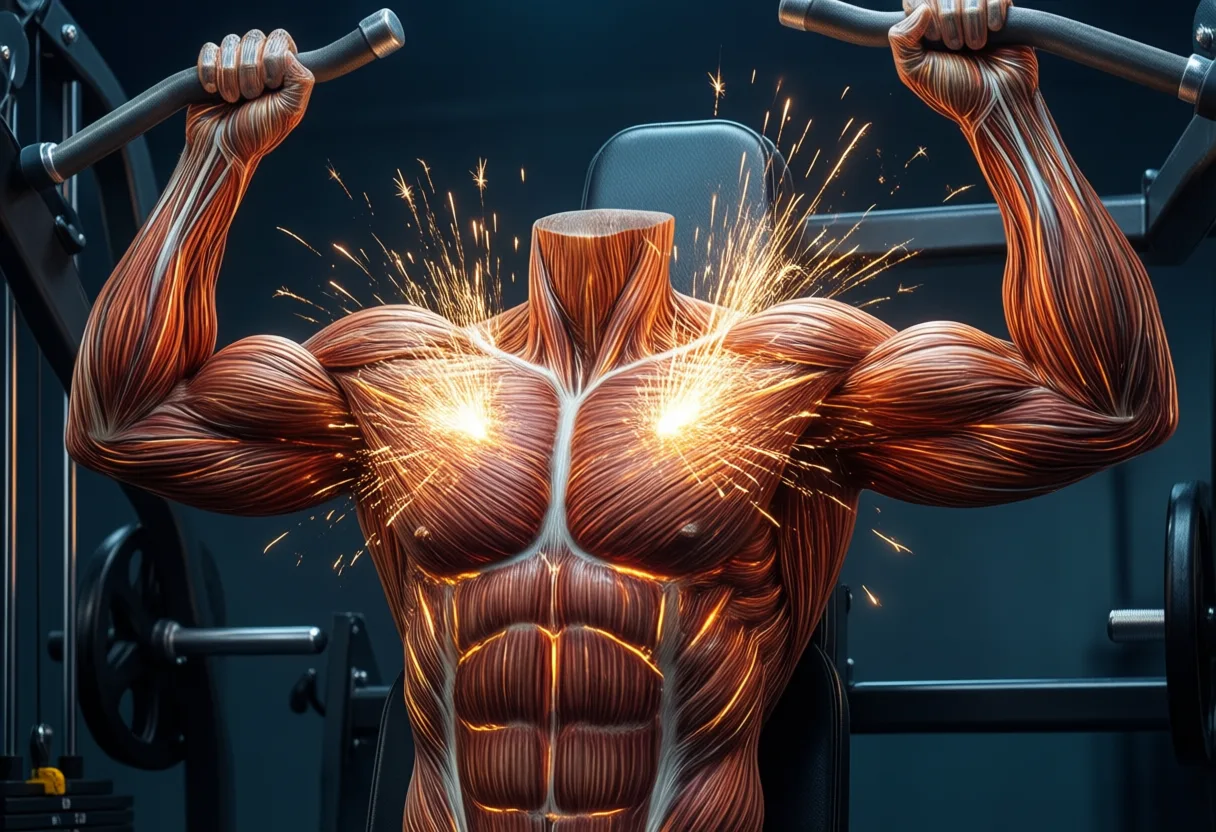
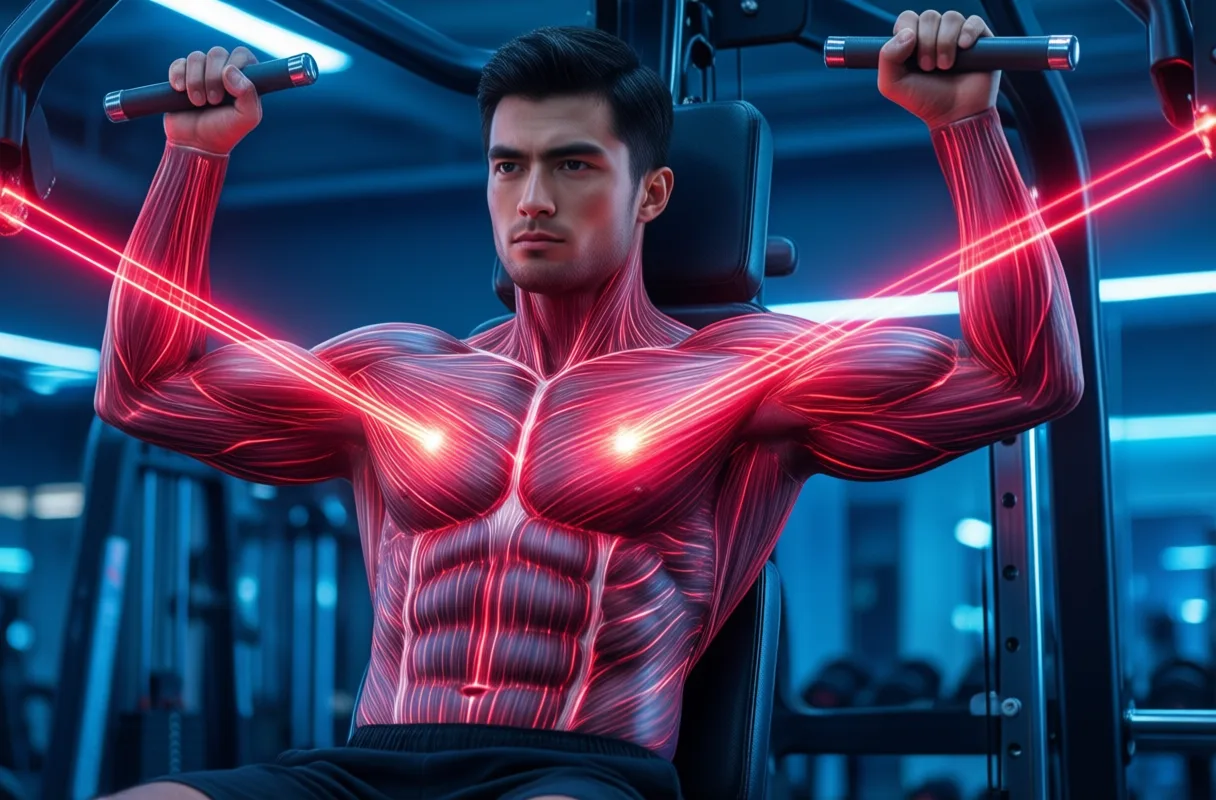
When you press forward on the machine, it’s easy to think only about your chest. But your body works as a team, and the chest press activates a network of muscles across your upper body. From the broad sweep of your Pecs To the burn in your triceps, every rep is a full-team effort.
The primary movers are the pectoralis major and the triceps brachii-two powerhouses that define upper-body strength and shape. But they don’t work alone. Your shoulders, especially the anterior deltoids, help initiate the press, while your upper back and core quietly stabilize your posture.
Even your forearms engage to maintain grip, and your core tenses to keep you rooted in the seat. These aren’t just supporting roles-they’re essential to safe, effective pressing. Over time, this symphony of muscle activation builds not just Size, but functional strength that shows up in everything from push-ups to daily movement.
The Hidden Role of the Pectoralis Major
The pectoralis major is the star of the chest press-a fan-shaped muscle that spans from your collarbone to your sternum and down to your ribs. When you push the handles forward, this muscle contracts powerfully, pulling your arms across your body and creating that deep, satisfying pump.
It has two main parts: the clavicular (upper) head and the sternal (lower) head. The chest press machine, especially when adjusted to a flat or slightly declined position, hits both areas, helping build a full, rounded chest. That’s the kind of definition that shows under a fitted shirt or in the mirror after a shower.
Because the machine guides your motion, you can focus on squeezing at the top of each rep-maximizing contraction without worrying about weight shifting. That mind-muscle connection is key to growth, and the pectoralis major responds best when you Press with intention, not just force.
Over time, consistent pressing builds thickness and separation, giving your chest a sculpted, powerful look. It’s not just about size-it’s about shape, symmetry, and the kind of presence that turns heads at the gym.
Why the Triceps Play a Bigger Part Than You Think
Many people think of the chest press as a chest-only move, but your triceps are working just as hard-if not harder-on every rep. Located on the back of your upper arm, these three-headed muscles extend your elbows, driving the final push as you lock out the handles.
In fact, the triceps make up about two-thirds of your upper arm mass. That means every chest press is also a stealth arm builder, helping you develop the horseshoe shape that defines a strong, athletic silhouette. The harder you press, the more your triceps fire.
You’ll feel it most at the top of the movement, when your arms are nearly straight. That’s where the chest hands off the work to the triceps, making full extension crucial for complete activation. Skip the lockout, and you’re leaving gains on the table.
To maximize triceps involvement, focus on a smooth, controlled press-no bouncing, no jerking. Let the muscle do the work, not momentum. Over time, this builds not just strength, but definition that shines when you flex or reach for the sky.
Stabilizer Muscles That Kick In Without You Noticing
While your chest and triceps take center stage, a team of stabilizer muscles works behind the scenes to keep your movement smooth and safe. These smaller, often overlooked muscles don’t get the glory, but they’re essential for building balanced, injury-resistant strength.
Your serratus anterior, tucked along the sides of your ribcage, helps anchor your shoulder blades to your chest wall. It fires with every press, ensuring your shoulders move efficiently and stay healthy over the long haul. Weak serratus muscles can lead to poor posture and shoulder pain-so this quiet contributor matters more than you think.
Your rhomboids and lower trapezius also engage to keep your scapulae retracted and stable. They prevent your shoulders from rounding forward, which protects your joints and improves your posture over time. Even your rotator cuff muscles activate subtly to keep your humerus centered in the socket.
These stabilizers don’t burn like your pecs, but they’re building resilience with every set. And when they’re strong, your pressing power increases, your form improves, and your risk of injury drops. Think of them as the foundation beneath the house-Invisible, but holding everything up.
How Shoulder Muscles Contribute to Each Rep
Your shoulders aren’t just along for the ride-they’re active participants in every chest press. The anterior deltoid, the front portion of your shoulder muscle, helps initiate the pressing motion and works hard throughout the entire range.
When you push forward, your anterior delts contract to lift your arms from your sides to the front. This makes them critical for the first half of the movement, especially when starting from a fully retracted position. Over time, this builds front shoulder strength and contributes to that rounded, three-dimensional look.
But it’s important not to let your shoulders take over. If you feel more burn in your front delts than your chest, your form may need adjusting. Try retracting your shoulder blades at the start and focusing on leading with your chest, not your arms.
Balanced development means your shoulders support your chest work without dominating it. That way, you build strength where you want it-without creating imbalances that could lead to pain or injury down the line.
The Supporting Role of the Forearms and Core
It’s easy to overlook your forearms and core during a chest press, but they’re quietly doing important work. Your forearms contract to maintain a firm grip on the handles, especially as fatigue sets in during later sets. A strong grip means better control, which means safer, more effective reps.
Your core, too, is far from idle. As you press, your abdominal muscles engage to stabilize your torso and prevent you from leaning forward or arching your back. This is especially important if you’re using heavier weights or moving quickly.
Without core engagement, you risk poor posture, reduced muscle activation, and even lower back strain. But when your abs are tight and your spine is neutral, every rep becomes more powerful and more efficient.
Think of your core as the anchor of your upper-body strength. It doesn’t move, but it makes movement possible. And just like your chest and arms, it gets stronger every time you show up with focus and discipline.
Common Misconceptions About Machine-Based Chest Training
Some lifters look down on machine exercises, calling them “easy” or “less functional” than free weights. But that’s a myth-one that holds people back from real progress. Machines like the chest press aren’t shortcuts; they’re precision tools for building muscle with control and consistency.
Yes, free weights require more stabilization, but that doesn’t make machines inferior. In fact, the chest press machine allows you to isolate your pecs and triceps with unmatched focus, especially when recovering from injury or learning proper form. It’s not about replacing barbells-it’s about adding another weapon to your arsenal.
And contrary to popular belief, machine training can build serious strength and size. The key is intensity, not equipment. When you push to failure with perfect form, your muscles don’t care if the weight is on a bar or a cable-they just respond to the demand.
So don’t let gym bros shame you into skipping the machine. Used wisely, it’s one of the most effective tools for building a strong, defined chest and arms.
What the Chest Press Doesn’t Do (And Why That Matters)
No exercise works every muscle, and the chest press is no exception. While it powerfully targets the pectoralis major and triceps, it doesn’t significantly engage your back muscles or lower body. That’s not a flaw-it’s by design.
It also doesn’t require the same level of core stabilization as a barbell bench press, since the machine supports your body. That means you’ll need to train your core separately with planks, crunches, or compound lifts to build a complete, shredded midsection.
And because the motion is fixed, the chest press doesn’t challenge your balance or coordination like free weights do. That’s why it should be part of a balanced program-not your only pressing movement.
Use the chest press to build chest and arm strength, then complement it with rows, pull-ups, and core work for a full, symmetrical physique. A great upper body isn’t built on one machine-it’s built on smart, strategic training.
Maximizing Your Workout: Form Tips for Full Muscle Activation
To get the most out of the chest press, form is everything. Start by adjusting the seat so the handles align with your mid-chest. Sit back firmly, retract your shoulder blades, and keep your feet flat on the floor.
Grip the handles firmly but not too tight-white-knuckling can cause forearm fatigue and distract from your main muscles. Press forward smoothly, Squeezing your chest at the top, then slowly return to the start without letting the weight stack touch down.
Keep your elbows slightly bent at the end of each rep to maintain tension. Avoid flaring them out too wide or tucking them too close-aim for a 45- to 60-degree angle to protect your shoulders and maximize chest engagement.
What to Watch for in Your Next Set
Pay attention to where you feel the burn. If it’s deep in your chest and arms, you’re on track. If it’s in your front shoulders or wrists, adjust your form-your seat height or grip width might be off.
Watch your breathing, too. Exhale as you press, inhale as you return. Rhythmic breathing fuels your muscles and keeps you focused under load. And never sacrifice form for more weight-Progress comes from control, not ego.
Finally, track your reps and weight over time. Strength gains are proof your muscles are growing. When five sets of 10 feel easy, it’s time to increase resistance and feel that burn all over again.
Wrapping Up Your Chest Press Strategy
The chest press machine is more than just a piece of equipment-it’s a tool for transformation. When used with purpose, it builds a stronger chest, more defined arms, and better posture, all while protecting your joints and boosting confidence.
Remember, the muscles worked during this movement go beyond just the pecs and triceps. Your shoulders, core, and stabilizers all play a role in creating a balanced, powerful upper body. And when you combine smart form with consistent effort, the results speak for themselves.
So next time you sit down at the machine, think beyond the weight on the stack. Think about the muscle you’re building, the strength you’re gaining, and the physique you’re sculpting-one press at a time. The path to a chiseled chest starts right here.
More Than Just a Chest Builder
Hidden Helpers in Every Push
The chest press machine is famous for sculpting the pecs, but it’s really a team effort. While the pectoralis major takes center stage, the triceps on the back of your arms kick in hard during the final push-think of them as the engine that locks out the movement. And don’t forget the front delts: they’re quietly doing their job at the start of the motion, helping guide the weight forward. It’s this trio-the pecs, tris, and front shoulders-that turns one move into a powerful upper-body builder.
Fun fact: tweak your grip slightly, and you shift the spotlight. A wider grip brings the chest muscles more into play, while a narrower stance increases triceps activation-almost like getting two exercises in one. Some people even adjust seat height to change the angle, targeting different parts of the pecs without switching machines. And here’s a quirky detail: because the machine guides the path of the movement, beginners can often lift heavier with less risk, making it a go-to for those new to strength training who still want solid gains. Explore more stories, videos, and creators on Loaded.
Frequently Asked Questions
What muscles does the chest press machine work?
The chest press machine primarily works the pectoralis major and triceps brachii. It also engages the anterior deltoids, serratus anterior, rhomboids, lower trapezius, rotator cuff, forearms, and core muscles.
Does the chest press machine build triceps strength?
Yes, the triceps are heavily involved in the chest press, especially during the final push when extending the elbows. Since they make up about two-thirds of the upper arm, this movement helps build arm strength and definition.
How does the chest press improve posture?
The chest press strengthens stabilizer muscles like the rhomboids and lower trapezius, which help retract the shoulder blades and prevent rounding. This contributes to better shoulder alignment and improved posture over time.
Is the chest press machine suitable for beginners?
Yes, the guided motion of the machine helps beginners focus on muscle contraction without worrying about balance. It reduces joint strain and allows for safer, controlled movement, making it ideal for learning proper form.
This article was produced with AI assistance. How Chiseled Magazine uses AI.
Cassia explores the science and culture of fueling the body, from macronutrient timing to sustainable eating habits. She blends biochemical insight with real-world practicality, helping readers make smarter food choices without sacrificing enjoyment or balance.